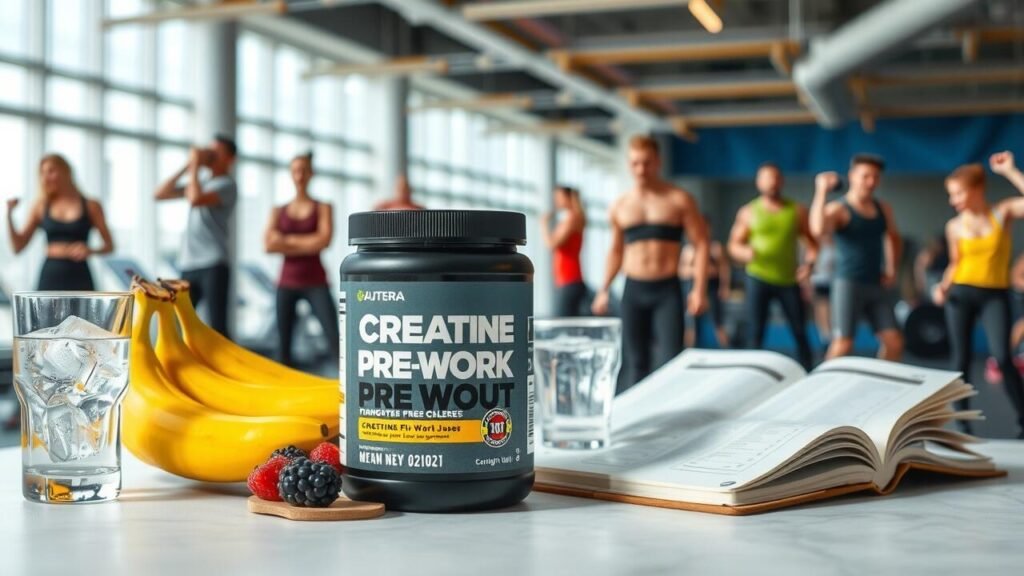
How to Choose the Right Pre-Workout Protein Shake
Selecting an appropriate pre-workout protein shake requires an understanding of personal fitness goals, dietary restrictions, and nutritional preferences. Individuals aiming for muscle gain often prefer shakes high in protein and carbohydrates, while those focusing on weight loss might opt for lower-calorie options with lean protein sources. Additionally, checking for allergens and how the shake fits into an overall dietary plan is essential for making an informed choice.
The timing of protein intake can influence performance. Consuming a shake about 30 to 60 minutes before exercise allows the body to start digesting and metabolizing the nutrients. Looking for shakes that include a blend of protein types, such as whey and casein, may offer sustained energy throughout the workout. It’s also important to consider taste and mixability, as a shake that tastes good will be easier to consume consistently.
Factors to Consider for Individual Needs
When selecting a pre-workout protein shake, it is essential to consider your personal dietary needs and fitness goals. Different individuals have varying macronutrient requirements based on factors like age, weight, and activity level. Protein type plays a significant role as well. For instance, whey protein is easily digestible and ideal for those seeking quick energy. Conversely, plant-based options may suit those following a vegan lifestyle or experiencing lactose intolerance.
Timing also influences your choice of protein shake. Consuming a shake too close to a workout might lead to discomfort during exercise. It is generally recommended to have your shake at least 30 minutes before working out for optimal absorption. Additionally, some individuals may prefer higher carbohydrate content for energy, while others may prioritize lower carbohydrates to aid in fat loss. Understanding these factors can help you tailor your pre-workout shake to best support your training needs.
Popular Pre-Workout Protein Shake Recipes
Many fitness enthusiasts turn to specific recipes when preparing their pre-workout protein shakes. A commonly enjoyed blend combines whey protein powder, a banana, and almond milk. The banana provides natural sugars for a quick energy boost while almond milk offers a creamy texture and added nutrients. Another popular option features Greek yogurt, spinach, and a scoop of protein powder. This shake not only packs a protein punch but also includes greens, making it a nutritious choice.
For those craving a sweeter flavor, a chocolate peanut butter shake often hits the spot. Mixing cocoa powder, peanut butter, and your choice of milk creates a rich shake that satisfies cravings while fueling workouts. Alternatively, a tropical spin can be achieved using pineapple, coconut water, and protein powder. This refreshing shake hydrates and energizes, perfect for a dynamic exercise session. Each recipe can be adjusted to suit personal taste and dietary preferences.
Quick and Easy DIY Shake Ideas
Creating your own pre-workout protein shake can be both simple and rewarding. A basic recipe can be as straightforward as blending together one scoop of protein powder with a banana, a tablespoon of peanut butter, and a cup of almond milk. This combination provides a good mix of protein, carbohydrates, and healthy fats to fuel your workout. Adjust the ingredients according to your taste preferences, and don’t hesitate to experiment with different fruits or nut butters for variety.
Another quick option involves yogurt as a base, which adds creaminess and probiotics. Combine one cup of Greek yogurt, a handful of spinach, half a cup of mixed berries, and a splash of almond milk for a nutrient-rich shake packed with protein and antioxidants. The spinach blends well, while the berries add a natural sweetness. These DIY shakes are not only customizable but also allow control over the nutritional content, aligning closely with personal fitness goals.
Store-Bought vs. Homemade Protein Shakes
When considering ready-made options, store-bought protein shakes offer convenience and variety. They are easy to grab on the go, making them appealing for busy lifestyles. Many brands provide nutritional information on their labels, allowing consumers to make informed choices. However, some packaged options may contain added sugars, artificial flavors, or preservatives that could detract from their overall health benefits.
Homemade protein shakes present an opportunity for customization and control over ingredients. By preparing shakes at home, individuals can select high-quality sources of protein, fresh fruits, and other additives to suit their specific dietary preferences. This approach often results in fresher flavors and can be more cost-effective in the long run. However, making shakes from scratch requires preparation time and effort, which might not fit everyone’s schedule.
Pros and Cons of Each Option
Store-bought protein shakes offer convenience and consistency. They are specifically formulated to meet dietary needs, with precise measurements of protein, carbohydrates, and fats. Many brands provide a variety of flavors, making it easy to find one that suits individual preferences. Additionally, these products undergo testing for quality, ensuring that consumers receive a reliable product every time. However, they can also come with a higher price tag and sometimes include added sugars or preservatives that may not align with health goals.
Homemade protein shakes give users control over ingredients and flavor profiles, allowing for customization based on personal taste and dietary restrictions. Making shakes at home can be more cost-effective, as bulk purchasing of ingredients often reduces the overall expense. Creating shakes also encourages experimentation with different fruits, vegetables, and protein sources. On the downside, preparing a shake requires time and effort, which might be a barrier for those with busy schedules. Additionally, there is a risk of inconsistent protein content if measurements are not carefully tracked.
FAQS
What should I look for in a pre-workout protein shake?
You should consider factors such as protein content, types of protein (whey, casein, plant-based), added ingredients like carbohydrates or amino acids, taste, and any dietary restrictions you may have.
How long before a workout should I consume my protein shake?
It is generally recommended to consume your protein shake about 30 minutes to 1 hour before your workout to allow for optimal digestion and absorption.
Are homemade protein shakes better than store-bought ones?
Homemade protein shakes can be tailored to your specific dietary needs and preferences, while store-bought options offer convenience. Each has its pros and cons, so the choice depends on your lifestyle and nutritional goals.
Can I use a protein shake as a meal replacement?
While protein shakes can be used as a meal replacement in some cases, it’s important to ensure they contain a balanced mix of macronutrients and vitamins. It’s best to consult a nutritionist for personalized advice.
What are some common ingredients in popular pre-workout protein shakes?
Common ingredients include protein powder (whey, casein, or plant-based), fruits (like bananas or berries), oats, nut butter, yogurt, and liquids (such as milk or almond milk).
Related Links
best pre workout protein shake
Can you take protein powder while on tirzepatide?
Can you take protein powder while on tirzepatide?