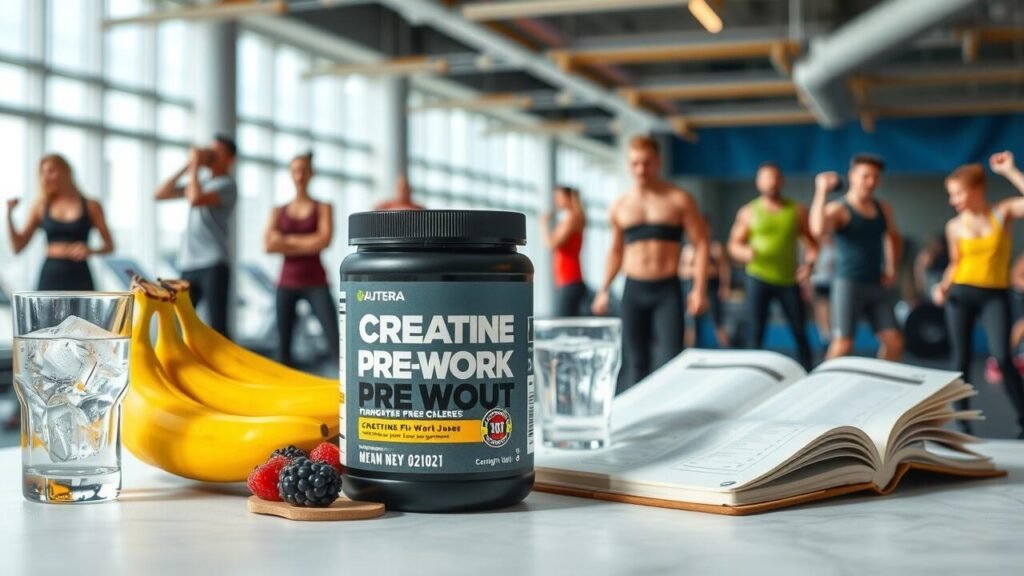
Using Spices and Herbs for Unique Flavors
Incorporating spices and herbs into pre-workout formulations offers a natural way to enhance flavors and appeal to consumers seeking variety. Ingredients like cinnamon, ginger, and cayenne pepper not only provide unique taste profiles but also bring potential health benefits. Cinnamon adds warmth and sweetness, while ginger introduces a refreshing zest. Cayenne pepper can contribute a hint of spiciness that invigorates the senses. These natural ingredients can transform a standard pre-workout into a flavorful experience.
Additionally, the use of herbs such as mint or basil can create unexpected yet delightful combinations. Mint can deliver a refreshing burst that energizes and uplifts, complementing sweeter flavors effectively. The earthy notes of basil can enhance the complexity of fruit-based pre-workouts, appealing to those who prefer savory options. This exploration of flavors through spices and herbs distinguishes products in a crowded market, allowing brands to cater to diverse palates while maintaining a focus on natural ingredients.
Adding a Twist to Traditional Formulations
Traditional pre-workout formulas often rely on conventional flavors such as fruit punch and berry blends. While these familiar tastes can be enjoyable, there is a growing demand for innovative flavor profiles that pique the interest of consumers. Ingredients like matcha and chai spices can introduce a new dimension, providing not only unique flavors but also added health benefits. By incorporating these elements, manufacturers can differentiate their offerings in a competitive market.
Exploring global flavors can also enhance the appeal of pre-workouts. Ingredients inspired by international cuisines, like mango habanero or matcha coconut, can provide a refreshing twist on standard formulations. As brands strive to cater to a more adventurous consumer base, these unconventional tastes can attract new customers and engage existing ones. This trend reflects an evolving consumer mindset that embraces not just performance but also the sensory experience associated with their supplements.
The Science Behind Flavor Perception
Flavor perception is a complex interplay of sensory experiences that involves taste, aroma, and mouthfeel. When consuming a pre-workout supplement, the brain processes flavors through receptors that respond to various molecules in the food or drink. These receptors work in conjunction with olfactory senses, which contribute significantly to the overall flavor experience. The combination of sweet, sour, salty, bitter, and umami tastes creates a more nuanced appreciation of the product.
Psychological factors also play a crucial role in how flavors are perceived. Past experiences and expectations can shape individual responses to certain tastes. When a pre-workout has a familiar flavor, it can evoke pleasant memories, enhancing the overall enjoyment. Additionally, the color and packaging of a product can influence how flavor is anticipated and interpreted, further complicating the relationship between sensory input and subjective experience. Understanding these dynamics is essential for formulating pre-workout products that not only deliver on performance but also please the palate.
How Taste Influences Motivation
Taste plays a critical role in the overall exercise experience. When athletes enjoy the flavors of their pre-workout supplements, they often feel a greater sense of excitement and anticipation. A palatable flavor can transform a mundane routine into something more enjoyable, enhancing the willingness to engage in challenging workouts. Familiar and appealing tastes can serve as positive reinforcement, motivating individuals to adhere to their fitness regimens.
Research indicates that flavor preferences can influence physical performance as well. When individuals find their pre-workout drinks delicious, they are more likely to perceive the experience positively, resulting in increased energy and focus during exercise. A satisfying taste can create an emotional connection to the training process, prompting individuals to push their limits and achieve their fitness goals. Enjoying a pre-workout beverage becomes more than just a step in preparation; it evolves into an essential part of the motivation cycle for many athletes and fitness enthusiasts alike.
Consumer Preferences in Pre-Workout Flavors
The popularity of pre-workout supplements has spurred a diverse landscape of flavors, appealing to a wide range of preferences among consumers. Sweet and fruity flavors, such as tropical punch and watermelon, consistently dominate the market. These vibrant options tend to evoke positive associations and are often seen as more enjoyable during intense workout sessions. Meanwhile, dessert-inspired flavors like cookies and cream or chocolate brownie also attract those looking for a fun twist in their supplement routine.
In addition to established favorites, there is a growing interest in more unconventional flavors. Varieties such as matcha green tea and chai spice are gaining traction, tapping into trends surrounding health and wellness. Consumers are becoming increasingly adventurous, willing to experiment with exotic flavors that may offer a different sensory experience. Brands that can innovate while staying aligned with these evolving preferences often stand a better chance of attracting a loyal customer base.
Trending Flavors in the Market
The pre-workout supplement market has seen a significant shift in flavor trends over the years. While fruit-based flavors like watermelon and berry blends continue to be popular, unique and exotic flavors have gained traction. Varieties such as mango chili and cucumber lime have emerged, appealing to consumers looking for new taste experiences. These innovative options cater to adventurous palates and offer freshness that stands out among typical offerings.
In addition to unique flavors, there is a rising interest in dessert-inspired options. Flavors like birthday cake, cinnamon roll, and cookies and cream have entered the scene, attracting those who prefer sweeter, indulgent profiles. The trend reflects broader consumer preferences for comfort and nostalgia, making pre-workouts more enjoyable for everyday use. Brands are keenly aware of these shifts, continuously exploring new ingredients and combinations to stay ahead in an increasingly competitive market.
FAQS
What are some common ingredients that enhance the flavor of pre-workout supplements?
Common ingredients that enhance flavor include natural sweeteners like stevia or monk fruit, citric acid for tartness, and flavors derived from spices and herbs such as cinnamon and ginger.
How do spices and herbs contribute to the taste of pre-workout formulas?
Spices and herbs can add unique and complex flavors, making the pre-workout drink more appealing. Ingredients like cinnamon can provide warmth, while mint can offer a refreshing taste.
Why is flavor perception important in pre-workout supplements?
Flavor perception plays a crucial role in user experience, as a pleasant taste can make the supplement more enjoyable to consume, potentially increasing adherence and overall motivation to work out.
What flavor trends are currently popular in the pre-workout market?
Trending flavors in the pre-workout market include tropical fruit blends, dessert-inspired flavors like chocolate and cookies & cream, and refreshing options such as lemonade or berry mixes.
Can the taste of a pre-workout supplement affect my workout performance?
While taste alone doesn’t directly influence performance, a more enjoyable flavor can enhance motivation and make it easier to consume the supplement consistently, which can indirectly support better workout performance.
Related Links
best tasting pre workout
Review of the Top 5 Best Tasting Pre-Workouts of 2023
Roundup of User-Recommended Best Tasting Pre-Workout Supplements