Caffeine Alternatives for Energy Boost
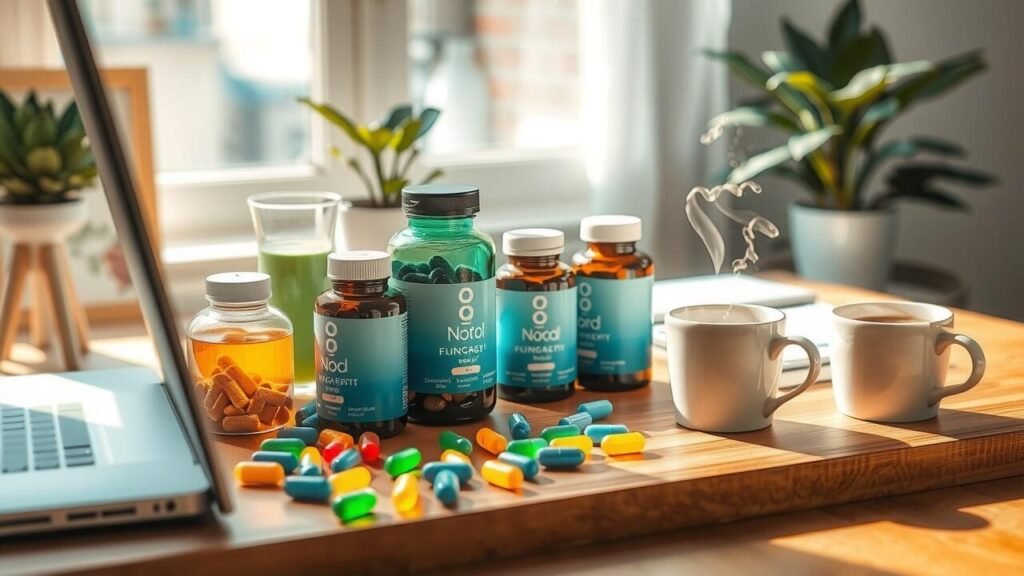
There are various alternatives to caffeine for those seeking an energy boost. Herbal supplements, such as ginseng and ashwagandha, have gained popularity due to their potential to enhance energy levels and improve focus without the jittery effects of caffeine. Adaptogenic herbs can help the body manage stress and fatigue, offering a more balanced way to sustain energy throughout the day.
Additionally, natural sources like maca root and spirulina are rich in nutrients and may help increase energy and stamina. These options often provide vitamins and minerals that contribute to overall vitality. Incorporating nutrient-dense foods, such as nuts, seeds, and whole grains, can also support sustained energy levels without relying on stimulants.
Natural Sources and Supplements
Many individuals seek natural sources of energy to complement or replace energy drinks. Common options include coffee and tea, both of which are rich in caffeine. These beverages not only provide a quick energy boost but also come with additional health benefits, such as antioxidants found in tea. Guarana, a plant native to the Amazon, is another popular supplement known for its high caffeine content, often featured in many energy products.
Incorporating natural supplements like Rhodiola rosea can also enhance stamina and reduce fatigue. This adaptogen is linked to improved mental performance during stressful situations. Ginseng is another option that may provide endurance and increase energy levels. Both supplements serve as excellent alternatives for those looking to moderate their caffeine intake while still seeking a performance boost.
Popular Myths About Caffeine in Energy Drinks
Many individuals believe that energy drinks are significantly safer than traditional sources of caffeine like coffee or tea. This perception can lead to underestimating the potential risks associated with excessive consumption. The reality is that energy drinks often contain high levels of caffeine and added stimulants, which can result in unexpected side effects, such as increased heart rate or heightened anxiety.
Another widespread myth is that all energy drinks have the same caffeine content. This assumption overlooks the vast differences among brands and formulations. While some beverages may have caffeine levels comparable to a cup of coffee, others can deliver two to three times that amount. Consumers may find themselves consuming much more caffeine than they realize if they do not pay attention to individual product labels.
Debunking Common Misconceptions
There is a prevalent belief that all energy drinks contain excessive amounts of caffeine compared to traditional soft drinks. While it is true that many energy drinks have higher caffeine levels, not all of them exceed the caffeine found in a standard cup of coffee. For instance, many brands offer options with moderate caffeine content, allowing consumers to choose beverages that fit their sensitivity to stimulants.
Another common misconception revolves around the idea that consuming energy drinks leads to immediate and prolonged energy boosts. However, the effects of caffeine can vary greatly among individuals. Factors such as body weight, tolerance levels, and overall health influence how caffeine is metabolized. Some individuals may experience rapid energy increases while others might notice little to no effect. Understanding these nuances helps dispel myths surrounding energy drinks and their caffeine content.
Energy Drink Regulations and Guidelines
The energy drink industry is governed by a mixed framework of regulations that can vary significantly across regions. In many countries, there is no specific limit to the amount of caffeine allowed in energy drinks. However, some regions impose guidelines that advise manufacturers to disclose caffeine content on labels. The United States Food and Drug Administration (FDA) allows caffeine to be included in generally recognized as safe (GRAS) substances when used in food and drinks, but its inclusivity in energy beverages often leads to public concern.
In contrast, certain countries have established stricter guidelines regarding caffeine content in these drinks. The European Food Safety Authority (EFSA), for example, has recommended that energy drinks contain no more than 320 mg of caffeine per liter. These regulations aim to protect consumers from potential adverse effects linked to excessive caffeine consumption. However, enforcement and adherence can differ, resulting in consumer confusion regarding the caffeine levels in various brands of energy drinks.
Industry Standards for Caffeine Limits
Regulations surrounding caffeine limits in energy drinks primarily focus on consumer safety and health. Various countries have established their own guidelines, determining the maximum allowable caffeine content per serving. In the United States, the FDA acknowledges energy drinks as food products, which means they are not subject to the same caffeine restrictions as dietary supplements. However, many manufacturers voluntarily adhere to limits to promote responsible consumption.
In the European Union, the guidelines are more stringent, with specific labeling requirements for drinks containing high levels of caffeine. Products labeled as energy drinks must indicate their caffeine content on the packaging. This transparency helps consumers make informed choices about their caffeine intake. Many brands also emphasize the significance of moderation, often highlighting recommendations for maximum daily consumption to mitigate the potential adverse effects of excessive caffeine.
FAQS
What energy drink contains the most caffeine?
As of the latest information, “Bang Energy” stands out as one of the highest caffeine drinks, containing around 300 mg of caffeine per 16 oz can.
Are there energy drinks with more caffeine than coffee?
Yes, many energy drinks have higher caffeine content than an average cup of coffee, which typically contains about 95 mg of caffeine per 8 oz. Some energy drinks can contain up to 500 mg or more in a single serving.
How does caffeine in energy drinks compare to natural sources?
Natural sources of caffeine, such as coffee and tea, generally have lower caffeine levels per serving compared to many energy drinks, which often contain additional caffeine from synthetic sources or added supplements.
What are some common myths about caffeine in energy drinks?
A common myth is that all energy drinks are unhealthy due to high caffeine levels. While some drinks can be excessively caffeinated, many are formulated to provide a balanced energy boost when consumed responsibly.
Are there regulations on caffeine content in energy drinks?
Yes, many countries have specific regulations regarding the maximum caffeine content allowed in energy drinks. For instance, in the U.S, the FDA monitors and sets guidelines, while some states may have stricter laws.
Related Links
best high caffeine energy drink
Is there a 400mg caffeine drink?
What is the best caffeine drink for energy?
What energy drink is the highest in caffeine?