Key Takeaways
- Comprehending components of tooth bleaching
- Common teeth whitening methods
- Ingredients to steer clear of in tooth whitening
- Effects of harmful substances on dental health
- Selecting safe products for tooth bleaching
Understanding Teeth Whitening Ingredients
Teeth whitening has become increasingly popular, with various products available to help whiten teeth and enhance smiles. Common teeth whitening agents found in items like whitening toothpastes and whitening strips often include hydrogen peroxide or carbamide peroxide, known for their effectiveness. However, not all teeth whitening ingredients are safe. Certain teeth whitening ingredients to avoid, such as abrasive compounds that can damage enamel, should be considered carefully. Effective options exist within the realm of teeth whiteners, ranging from over-the-counter solutions like whitening toothpastes to professional treatments such as laser teeth whitening. Understanding both the benefits and potential risks of these teeth-whitening products is essential for anyone looking to achieve a brighter smile while maintaining oral health.
Common Teeth Whitening Agents
Various teeth whitening ingredients play a significant role in the effectiveness of whitening gels and toothpastes. Ingredients such as hydrogen peroxide and carbamide peroxide are commonly found in professional whitening products and are known for their ability to break down tooth discolorations. These whitening agents can provide noticeable results, often improving the color of permanent teeth. However, it is essential to be cautious, as there are teeth whitening ingredients to avoid, particularly for those with sensitive teeth. Some whitening gels may cause irritation and discomfort, which can detract from the overall experience.
Chewing gums and specially formulated toothpaste can also contribute to brighter teeth over time. While these products typically contain milder whitening agents, consistent use can help combat light tooth discolorations and maintain the results achieved through dental cleanings or professional treatments. A toothbrush equipped with gentle bristles aids in the removal of surface stains without damaging the enamel. Understanding the various options available ensures that consumers make informed choices about the products they select, steering clear of harmful ingredients and prioritizing their oral health.
Safe Alternatives for Brightening Teeth
Natural options can effectively enhance tooth color without the risks associated with harsh chemicals. Ingredients like baking soda and hydrogen peroxide, when used in moderation, can provide gentle whitening benefits. Regular use of fluoride toothpaste is crucial for maintaining strong tooth enamel, which protects against decay and sensitivity. Incorporating a mouth rinse with fluoride can also support overall dental health while minimizing the effects of dry mouth.
Maintaining robust oral hygiene practices is essential for safe tooth brightening. Regular dental check-ups can help monitor tooth development and address any issues before they affect your smile. Avoiding teeth whitening ingredients to avoid will ensure that treatments do not compromise your dental work or lead to unwanted side effects. Maintaining a balance between aesthetics and health is key, ensuring that your approach to brightening your teeth supports long-term dental health.
- Regular brushing and flossing to remove plaque and stains
- Using whitening toothpaste with natural ingredients
- Eating crunchy fruits and vegetables, like apples and carrots, to naturally scrub teeth
- Drinking plenty of water to reduce staining and promote oral hydration
- Limiting consumption of dark beverages like coffee, tea, and red wine
- Considering professional dental cleanings for deeper stain removal
- Exploring natural whitening options, such as oil pulling with coconut oil or activated charcoal
Popular Teeth Whitening Options
Teeth whitening products have become increasingly popular among those looking to combat discoloured teeth. Options range from over-the-counter teeth whitening strips to specialized tooth bleaching treatments available in dental practices. Each choice often contains a variety of teeth whitening ingredients, which can include both effective and harmful components. It is essential to be aware of teeth whitening ingredients to avoid, as some can lead to tooth decay or damage to the enamel. Certain mouthwashes and dental bleaching products may also contain questionable teeth-whitening ingredients that could compromise long-term oral health. Understanding the various teeth whitener ingredients is crucial for making safe and informed choices.
Overview of Teeth Whitening Strips
Teeth strips are a popular choice among those seeking an effective teeth whitening solution. These thin, flexible strips are coated with a specific teeth whitening gel that targets surface teeth stains, helping to brighten the smile over time. Many teeth whitening products contain various teeth whitening ingredients to avoid, such as harsh abrasives or high concentrations of hydrogen peroxide. Choosing strips from trusted brands can ensure a safer option for users looking to achieve a good teeth whitener without compromising their oral health.
The effectiveness of teeth strips can vary significantly based on the formulation of the whitening ingredients. Some strips provide noticeable results after just a few applications, making them a convenient teeth whitening treatment. However, it’s crucial to be aware of the teeth whitening risks associated with overuse. Prolonged exposure to certain chemicals in whitening products may lead to damage to healthy teeth and irritation of the gums. Opting for a natural whitening toothpaste might be a safer alternative for those concerned about the potential harms linked to chemical-based teeth whitening solutions.
Effectiveness of Whitening Toothpastes
Whitening toothpastes are popular over-the-counter whitening products that promise to polish teeth and combat various teeth stains. While some formulations can contain effective teeth whitening ingredients, consumers should be cautious of those that include harsh abrasives or chemicals, classified as teeth whitening ingredients to avoid. These ingredients may provide immediate results but can lead to unsafe teeth and potential enamel damage over time.
Many users opt for DIY teeth whitening options, believing they are safer; however, not all home dental products deliver the desired effects. Dentist-formulated strips often achieve better outcomes for stubborn teeth stains compared to most whitening toothpastes. Individuals seeking effective and safe teeth whitening solutions should explore alternatives that prioritize dental health while addressing multiple teeth and extracted teeth concerns.
Teeth Whitening Ingredients to Avoid
Awareness of teeth whitening ingredients to avoid is crucial for maintaining oral health while seeking brighter smiles. Many low-cost whitening products, including over-the-counter whitening strips and toothpastes, can contain harmful chemicals that may damage teeth or weaken vital enamel. These whitening solutions often promise quick results but may leave long-term effects, such as increased sensitivity and potential teeth degradation. Professional whitening treatments tend to be safer, as they typically use formulated agents under controlled conditions, unlike home teeth whitening strategies that often fall short of efficacy and safety. Understanding the risks associated with certain whitening ingredients helps consumers make informed choices, ensuring effective whitening effects without compromising dental well-being.
| Ingredient | Potential Risks | Alternatives |
|---|---|---|
| Hydrogen Peroxide | Can cause enamel erosion and increased tooth sensitivity | Lower concentrations or professional treatments |
| Sodium Bicarbonate | Abrasive; may wear down enamel over time | Gentle whitening pastes with fluoride |
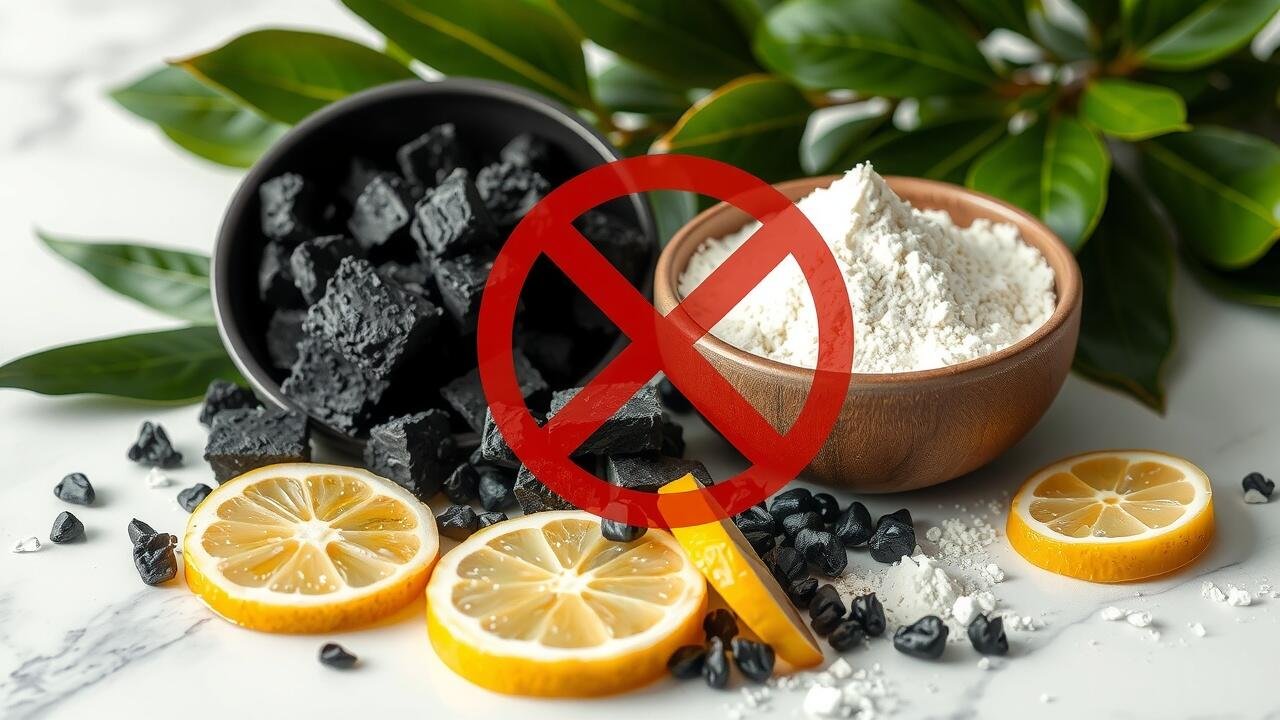
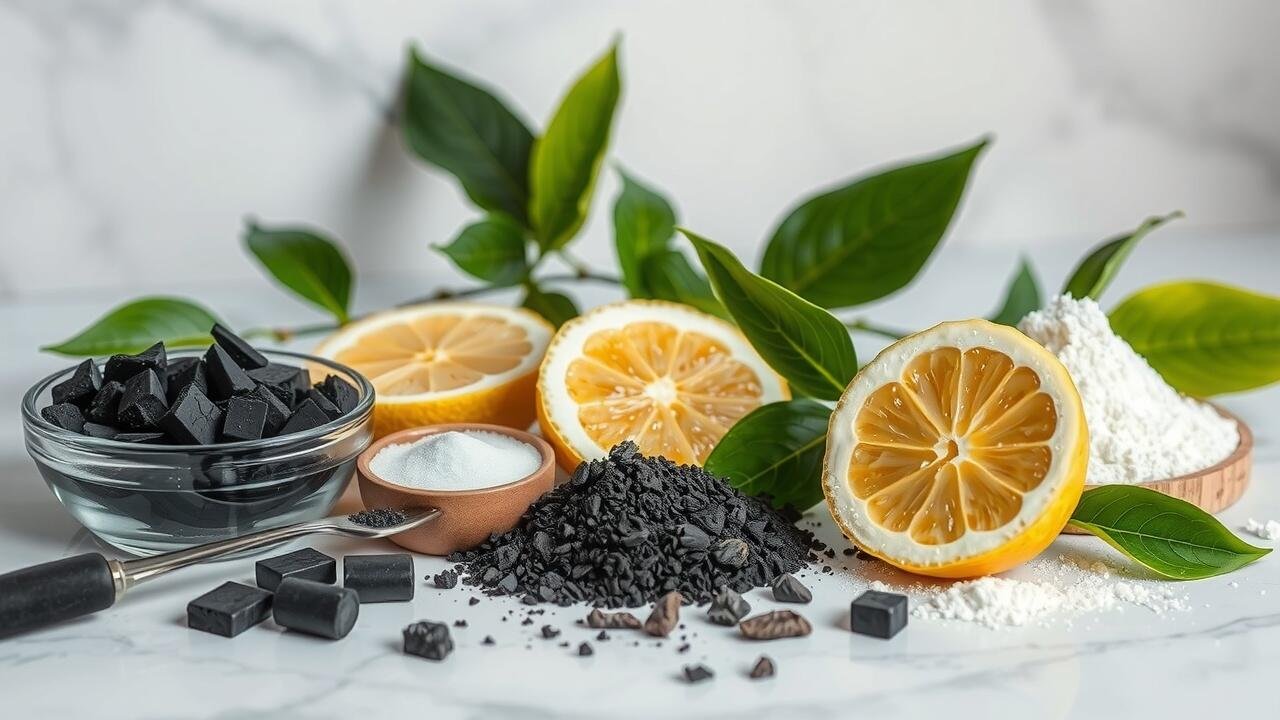
| Charcoal | Can be abrasive and may lead to enamel loss | Whitening products with safe polishing agents |
| Makeshift solutions (like baking soda and lemon juice) | Can cause acid damage and enamel erosion | Professional dental cleanings and monitored whitening trays |
Harmful Chemicals in Whitening Products
Many commercial toothpastes and tooth whitening products contain harmful chemicals that consumers should be aware of. Common whitening agents, such as hydrogen peroxide and carbamide peroxide, can lead to uneven whitening effects over time. These teeth whitening ingredients to avoid can also cause tooth enamel thins, making teeth more susceptible to decay and sensitivity. While some products boast advanced whitening fluoride or professional whitening fluoride, they may still contain high levels of abrasives that can harm dental cleanliness.
Many consumers are drawn to powered tooth whiteners and various whitening toothpastes, often seeking the fastest results. However, a product with few ingredients may be a better option for maintaining oral health. Some tooth stain erasers promise quick fixes but may contain harsh chemicals that compromise the tooth enamel. The risk of induced whitening is prevalent, as overuse can lead to significant damage. Being informed about the ingredients in both professional teeth whitening products and commercial toothpastes is essential for preserving long-term oral health.
Natural vs. Artificial Ingredients
Natural teeth whitening ingredients often include botanical extracts, which can provide a gentle approach to achieving brighter teeth. Ingredients like activated charcoal, coconut oil, and baking soda serve as common alternatives found in many products. These substances may help in reducing tooth stains while promoting a healthy mouth. However, it is essential to avoid over-the-counter whitening products that contain harmful ingredients, as they can lead to dental issues like enamel weakening and white stains.
Artificial ingredients in whitening products can yield quick results, but they often carry risks associated with long-term use. Many of these products contain chemicals that may contribute to dental problems, including sensitivity and enamel damage. Effective ingredients can be beneficial, but not all of them are appropriate for maintaining a safe whitening routine. A careful selection of products will help ensure both a bright dental appearance and the overall health of one’s teeth, making the distinction between what to use and teeth whitening ingredients to avoid critical for consumers.
Impact of Unsafe Ingredients on Oral Health
Unsafe teeth whitening ingredients can pose significant risks to oral health. Many popular toothpaste and whiteners contain peroxide-based whitening gel, which, while effective, can lead to dental discoloration and uneven whitening when used excessively. Specific ingredients that should be considered harmful include certain acids and abrasive compounds that can erode tooth enamel. Regular use of these products without proper guidance can increase sensitivity and damage the delicate balance of oral tissues. Opting for natural ingredients may provide a safer alternative, reducing the chances of adverse effects while still achieving a brighter smile. Understanding the potential impact of these harmful ingredients is crucial for maintaining overall dental health.
Risks Associated with Overuse of Whitening Products
Overuse of teeth whitening products can lead to significant enamel damage. Many consumers may overlook the importance of examining the ingredients list, exposing themselves to harmful teeth whitening ingredients to avoid. Particularly, tooth bleaching procedures that contain common ingredients like hydrogen peroxide can lead to enamel erosion and increased sensitivity. The use of a safe-to-swallow formula is crucial for a painless whitening experience, yet many products fail to meet this standard. Consuming stain-causing foods right after whitening can exacerbate the effects of enamel loss.
Repeated application of whitening agents can also impact the underlying dentin, making it more vulnerable to dental diseases. Natural whitening agents are often preferable as they minimize risks associated with harsh chemicals. Products labeled as sls-free toothpaste may offer a gentler alternative by avoiding potentially harmful ingredients. Striking a balance between achieving a desired whiteness and maintaining oral health is vital. Continuous use of aggressive whitening solutions can ultimately lead to more harm than benefit.
Long-Term Effects on Tooth Enamel
Teeth whitening ingredients to avoid can lead to significant issues for dental tissues over time. Many ingredients, especially harsh whitening agents, can cause enamel erosion, which weakens the tooth’s protective layer. This deterioration may result in increased tooth sensitivity and higher susceptibility to decay. Regular usage of aggressive whitening products without proper dental supervision can raise the risk of potential enamel damage. Comprehensive oral care, including daily care toothpaste and anti-bacterial mouthwashes, is essential for maintaining healthy enamel and preventing irritation.
A standard dental exam is crucial to monitor the condition of tooth enamel and associated dental tissues. Using teeth whitening products that are safe and effective can help avoid unwanted repercussions, such as oral irritation and damage to tooth-colored restorations. Careful selection of whitening methods ensures that enamel repair is supported rather than hindered. Products that include anti-bacterial fluoride mouth rinses fortify enamel and promote overall oral health, safeguarding against the adverse effects linked to improper whitening practices.
Choosing Safe Teeth Whitening Products
Selecting safe teeth whitening products is crucial for maintaining oral health and achieving a bright smile. Individuals should be particularly cautious of teeth whitening ingredients to avoid, such as those found in lower-quality OTC products that may cause gum irritation or tooth sensitivity. Consulting a dental professional can provide valuable insights into the main ingredients that ensure safety and effectiveness, especially for extrinsic tooth stains. Oral care essentials like anti-bacterial mouthwash can also support whitening efforts without compromising the integrity of the entire dentition. Understanding the potential risks associated with various products will help consumers make informed choices that protect their oral health and prevent long-term issues, including damage to tooth enamel.
Identifying Trusted Brands and Ingredients
Selecting trusted brands for teeth whitening products is essential for achieving a radiant white smile while ensuring safety. Consumers should pay close attention to the ingredients listed on whitening products, particularly those marketed as cosmetic bleaching agents. It is important to avoid those containing harmful teeth whitening ingredients to avoid, such as overly abrasive whitening agents that can lead to sensitivity or damage to the enamel. The dental world often advises scrutinizing over-the-counter (OTC) strips and creams that promise quick results, as many may contain harsh chemicals that can cause white spots or irritate sensitive gums.
Finding effective products begins with researching reputable brands that prioritize safety and efficacy in their oral care routine. Look for products that have undergone clinical testing and received positive feedback from dental professionals. Some ingredients can serve as effective whiteners without risking damage to the enamel or leading to adverse reactions. As a general rule, steer clear of those brands that use questionable whitening agents or ingredients that are commonly listed as teeth whitening ingredients to avoid. A thoughtful approach will help navigate the vast array of options available, from OTC strips to creams, ensuring a safe path to achieving that desired white smile.
- Review ingredient lists for known safe whitening agents like hydrogen peroxide or carbamide peroxide.
- Look for products that have been endorsed by dental associations or have clinical testing backing their efficacy.
- Check customer reviews and ratings to gauge the experiences of other users.
- Avoid products that make exaggerated claims of instant whitening effects.
- Research the brand’s history and reputation within the dental community.
- Ensure the product is free from harmful abrasives and unnecessary additives.
- Consult with a dental professional for personalized recommendations on safe whitening options.
Conclusion
Understanding the importance of selecting safe teeth whitening products is crucial for maintaining oral health. Some teeth whitening ingredients to avoid can lead to detrimental effects, such as mouth infections and the potential to cause mouth sores. While the goal is to achieve a whiter smile, the safety of the ingredients used is paramount. Patients should consider their dentition characteristics and seek products that do not compromise their enamel or overall health. A careful approach will ensure that the pursuit of a brighter smile does not come at the cost of their oral well-being.
FAQS
What are some common teeth whitening ingredients to avoid?
Ingredients such as hydrogen peroxide in high concentrations, carbamide peroxide, and certain abrasive agents can cause tooth sensitivity and damage to enamel if used excessively.
Why should I be concerned about harmful chemicals in teeth whitening products?
Harmful chemicals can lead to adverse effects on oral and overall health, including increased tooth sensitivity, gum irritation, and potential long-term damage to tooth enamel.
Are natural teeth whitening alternatives safe to use?
While many natural alternatives, such as baking soda and activated charcoal, can be safer options, it’s important to use them in moderation to avoid abrasion and maintain tooth enamel integrity.
How can I identify trusted teeth whitening brands and ingredients?
Look for products that have been approved by dental associations, check for transparency in ingredient lists, and choose brands that prioritize safety and efficacy in their formulations.
What are the risks associated with overusing teeth whitening products?
Overuse can lead to significant tooth sensitivity, gum irritation, and may result in irreversible damage to tooth enamel, which can affect the overall health of your teeth.
What are some common teeth whitening ingredients that dental medicine professionals recommend avoiding for safer teeth practices?
When considering teeth-whitening solutions, it’s essential to be aware of certain ingredients that may pose risks. For instance, some over-the-counter toothpastes may contain harsh chemicals that can lead to tooth sensitivity and other oral health issues. It’s important to consult dental expertise for safe and effective in-office whitening treatments and to be cautious with any oral care products that might contain harmful substances. Opting for botanical teeth options can often help minimize teeth-whitening risks while ensuring your primary dentition remains healthy and your smile stays white.
What are some harmful whitening teeth ingredients that should be avoided to ensure safer teeth practices?
In the pursuit of whitening teeth, it’s vital to be aware of certain ingredients commonly found in products that might damage your dental health. Dental medicine professionals highlight that such ingredients, which can be found in various commercial products, may lead to issues like tooth sensitivity or damage to the enamel. Therefore, when looking for helpful home teeth whitening solutions, be cautious and consider products that do not contain harmful chemicals. Always consult with a dental school trained professional to understand what whiteners are safe and how they correspond with your specific patient dentition characteristics, ensuring you achieve whiter teeth without compromising your dental health.
What ingredients should be avoided in teeth whitening products to ensure safer teeth and prevent tooth sensitivity in dental applications?
To ensure safer teeth, it’s essential to avoid certain teeth whitening products that may contain harsh ingredients. Some ingredients that can lead to adverse effects include high concentrations of hydrogen peroxide and carbamide peroxide, which can cause tooth sensitivity. Additionally, certain whitening agents may not correspond well with all dentitions, particularly in primary dentition. Always check products as some may contain ingredients similar to those in cosmetic skin creams but are not suitable for dental use. Opting for a safe tooth whitening approach not only whitens effectively but also protects vital teeth health.
What are the reasons to avoid certain teeth whitening ingredients in dental applications?
Avoiding specific ingredients in teeth whitening products is crucial for effective dentistry. Certain harmful substances can adversely affect the tooth. For example, some ingredients may lead to increased tooth sensitivity, impacting the overall health of the dentition. Utilizing options that enhance whiteness without compromising the integrity of the teeth ensures that your primary dentition remains intact and free from adverse reactions, thus achieving a brighter, white pigment.
What are the effects of certain teeth whitening ingredients on primary dentition and how can this ensure tooth sensitivity is managed in dental applications?
Certain teeth whitening ingredients can adversely affect primary dentition and lead to increased tooth sensitivity. To ensure that tooth sensitivity is managed effectively in dental applications, it’s important to choose products that do not contain harmful chemicals. Dentists often recommend formulations that protect the tooth structure while still working to achieve a whiter smile, thus ensuring a balance between aesthetic results and overall dental health.
How can specific teeth whitening ingredients impact the mouth’s health and ensure that tooth sensitivity is minimized in primary dentition?
Certain teeth whitening ingredients can have detrimental effects on dental health, particularly in primary dentition, where the enamel is still developing. These ingredients can lead to increased tooth sensitivity, which is why it is crucial to choose products that ensure effective whitening while safeguarding your teeth. Proper selection of safe whitening agents not only helps maintain a white smile but also ensures that tooth sensitivity is managed effectively, supporting overall oral health.
How do certain teeth whitening ingredients affect the primary dentition and what measures can be taken to ensure that tooth sensitivity is managed effectively?
Specific teeth whitening ingredients can have various effects on the primary dentition, which may include an increased risk of tooth sensitivity. It is crucial to avoid harmful ingredients that can exacerbate these issues. Choosing the right whitening products ensures that tooth sensitivity is minimized and that the overall health of teeth corresponds with safe dental practices for children.
How can avoiding certain teeth whitening ingredients contribute to maintaining healthy tooth structure while minimizing tooth sensitivity in primary dentition?
Avoiding harmful teeth whitening ingredients is crucial for maintaining the integrity of the tooth structure and ensuring the health of primary dentition. This practice helps minimize tooth sensitivity, allowing individuals to achieve a brighter smile without compromising their tooth health. Therefore, selecting safe products ensures that the integrity of the tooth is maintained while effectively managing tooth sensitivity.
What are the potential problems with certain teeth whitening ingredients that may compromise the health of your teeth and lead to increased sensitivity, especially in primary dentition?
Certain teeth whitening ingredients can negatively affect your tooth health by causing irritation or damage, which in turn may lead to increased tooth sensitivity. When considering products for whitening teeth, particularly for those with primary dentition, it is essential to choose carefully to ensure that the treatment maintains tooth integrity and minimizes any adverse effects on tooth sensitivity.
How does the use of harmful teeth whitening ingredients affect tooth sensitivity and overall health in primary dentition?
The use of harmful teeth whitening ingredients can significantly impact tooth health, leading to increased tooth sensitivity in primary dentition. Specifically, certain ingredients can weaken the tooth structure and compromise the enamel, which ensures the white appearance of teeth while managing tooth sensitivity. Therefore, it’s crucial to select safer alternatives to protect primary dentition from adverse effects.