Key Takeaways
- Comprehending weight reduction aids
- Assessing efficacy
- Safety factors
- Contrasting weight reduction medications and aids
- Individual factors
- Incorporating into daily routines
Understanding Weight Loss Supplements
Weight loss supplements have gained popularity as aids in the quest for losing weight, and understanding their nature is crucial for making informed decisions. These products, often marketed as dietary supplements or weight loss drugs, can vary significantly in composition and effectiveness. Knowing how to choose a weight loss supplement involves examining the key ingredients and understanding how they might interact with existing weight loss medications. Some individuals may opt for nutritional supplements that promise faster results, but it is essential to evaluate these claims critically. People seeking to lose weight should be aware of the potential benefits and drawbacks of weight-loss drugs versus over-the-counter options. Careful consideration of both safety and effectiveness can guide users in finding the right supplementation strategy to help achieve their weight loss goals.
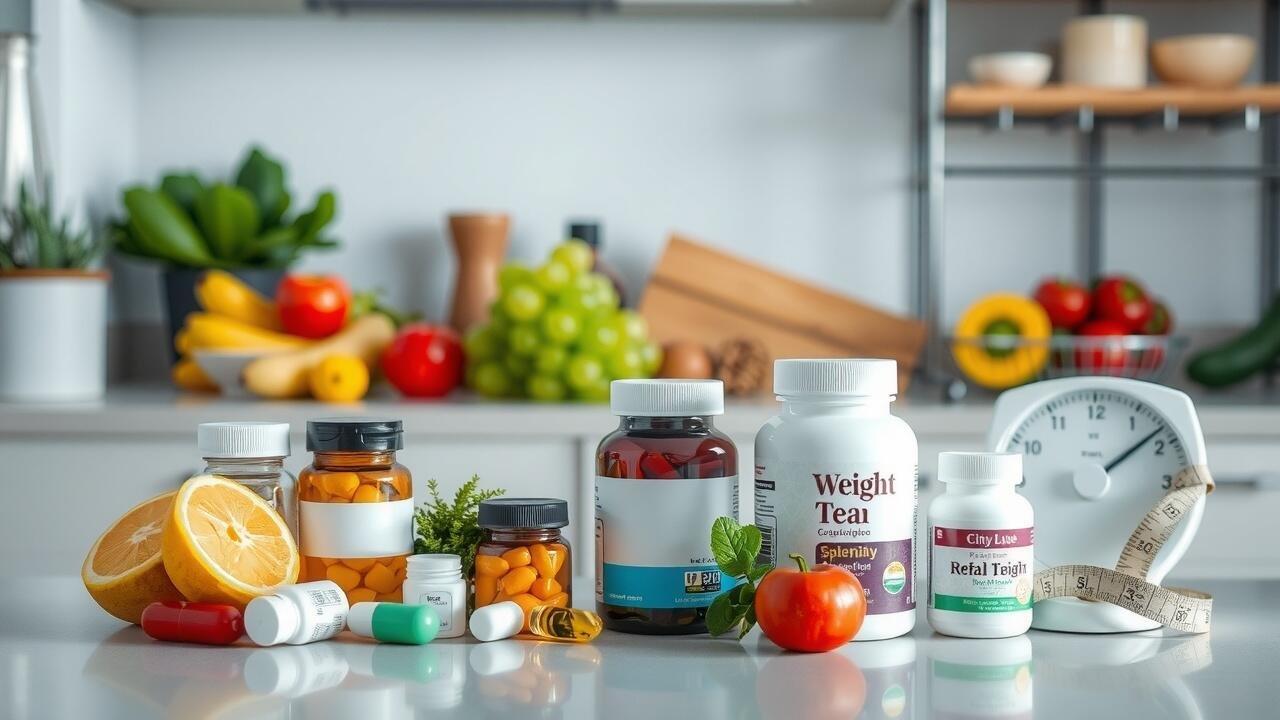
What Are Weight Loss Supplements?
Weight loss supplements are products designed to assist individuals in their quest to lose weight. They can come in various forms, including pills, powders, or shakes. Many people seeking weight reductions often turn to these food supplements to complement a healthy diet and effective dieting strategies. However, understanding how to choose a weight loss supplement is crucial. It’s essential to ensure that these products align with a well-balanced diet, focusing on promoting fat loss without compromising overall health.
The Office of Dietary Supplements provides valuable guidelines and information on safe and effective weight loss aids. Many supplements claim to facilitate decreased weight and improve weight reduction efforts, but not all deliver promised results. Selecting the right supplement involves careful consideration of ingredients, potential side effects, and how they fit into an individual’s dietary regime. A balanced diet is still vital for successful weight loss, as supplements should not replace healthy eating habits but rather serve as an adjunct to support overall goals.
Types of Weight Loss Supplements
Weight loss supplements come in various forms, each targeting different aspects of weight management. Some are designed to promote appetite loss, making it easier to stick to a low-calorie diet. Others focus on enhancing metabolism or increasing the body’s fat-burning capacity. Choosing the right supplement involves understanding your specific dietary needs, such as your dietary reference intake or recommended dietary allowance, especially if you are following a low-fat diet or a specific diet plan for obesity treatment.
Consumers often wonder how to choose a weight loss supplement that aligns with their health goals. It is crucial to consider ingredients that support adequate intake levels without causing nutrient deficiencies. Understanding dietary reference intakes and the role of specific compounds within supplements can help in making informed decisions. Those seeking effective weight loss should evaluate how well a supplement fits their lifestyle, especially if they are on restrictive diets that may impact their overall nutrition.
Evaluating Effectiveness
Understanding how to choose a weight loss supplement involves recognizing key ingredients that align with healthy dietary patterns. A supplement’s effectiveness often correlates with its ability to support a calorie-restricted diet while promoting weight maintenance. For instance, dietetic options that complement a vegan diet can enhance overall nutrient intake without excessive dietary fat. Adhering to dietary guidelines can also guide individuals in selecting vitamin supplements that aid in their weight loss journey. Evaluating the role of total parenteral nutrition in conjunction with weight management strategies can provide insights into how various supplements function within the broader context of controlled calorie intake.
Key Ingredients to Look For
Understanding how to choose a weight loss supplement involves examining its ingredient list closely. Look for weight-loss supplement labels that display effective components like caffeine, green tea extract, and fiber. These ingredients have shown potential in supporting weight management. Knowledge about the tolerable upper intake level (UL) for certain minerals is crucial. Some mineral supplements can contribute to excessive intake if not regulated properly, so it’s essential to stay informed about safe usage.
A comprehensive weight loss overview includes evaluating the presence of clinically backed ingredients in weight-loss products. Ingredients such as glucomannan and conjugated linoleic acid (CLA) may support weight loss efforts while ensuring safety. By understanding what weight loss supplements contain, consumers can make informed decisions. Knowing how to choose a weight loss supplement that aligns with individual needs contributes to more successful weight management. Always consult with healthcare professionals before starting any weight-loss supplements to ensure they fit personal health circumstances.
| Ingredient | Source | Potential Benefit |
|---|---|---|
| Caffeine | Coffee, Tea, Supplements | Increases metabolism and enhances fat burning |
| Green Tea Extract | Green Tea Leaves | Boosts metabolism and promotes fat oxidation |
| Glucomannan | Konjac Root | Promotes feelings of fullness and aids weight loss |
| Conjugated Linoleic Acid (CLA) | Meat and Dairy Products | May help reduce body fat while increasing lean muscle mass |
| Fiber | Fruits, Vegetables, Whole Grains | Supports digestive health and enhances satiety |
Scientific Evidence Behind Popular Supplements
Evaluating the scientific evidence behind popular weight-loss products is crucial for consumers seeking effective weight-loss aids. Many supplements make bold weight loss claims that can be misleading. Research, including weight-loss intervention studies and clinical trials, provides insights into their effectiveness. Prescription weight loss medications often demonstrate more significant mean weight loss compared to over-the-counter options. However, understanding how to choose a weight loss supplement requires careful consideration of ingredients, dosages, and supporting evidence from weight loss trials.
Weight-loss differences among products can significantly affect the outcomes individuals experience. Some supplements may only stimulate weight loss temporarily without contributing to long-term weight loss maintenance. Evidence from various studies helps highlight the weight-loss effects of specific ingredients and their potential roles. Consumers should analyze research findings to make informed decisions about which weight-loss products can serve as effective weight-loss aids within their personal health journeys.
Safety Considerations
Understanding how to choose a weight loss supplement is crucial for anyone embarking on a weight-loss journey. The right dietary supplementation can positively affect weight loss efforts, especially for those aiming for modest weight loss. With various dietary supplement products available, it is essential to consider their potential weight loss benefits while being aware of dietary supplement regulation. Over-the-counter weight loss options often promise quick results, but their supplement effectiveness can vary significantly. Individuals should remain informed about the side effects associated with weight loss medications and how they might interact with other medications. Setting realistic weight-loss goals requires careful evaluation of the safety and effectiveness of chosen products within a comprehensive weight-loss regimen.

Side Effects of Weight Loss Medications
Weight loss medications can be associated with various side effects that individuals should consider before starting any regimen. Common reactions may include gastrointestinal issues, such as nausea and diarrhea. These side effects can occur due to the dietary supplement ingredients that promote weight loss. It’s crucial to investigate dietary supplement information thoroughly, especially when evaluating unsubstantiated weight-loss claims linked to a new supplement. Some individuals may encounter more severe reactions, highlighting the importance of understanding how to choose a weight loss supplement appropriately.
Consumer awareness is vital to avoid weight loss scams that may promise miraculous results without credible scientific backing. Some weight-loss agents may lead to significant reductions in body weight, but they might also compromise overall health if not used correctly. Extract supplementation from certain plants can lead to adverse effects for some users. Always consult healthcare professionals to ensure that chosen supplements align with personal health goals and safety profiles for effective, healthy weight management.
Interactions with Other Medications
Understanding how to choose a weight loss supplement involves considering potential interactions with other medications. Some supplements may influence the absorption or effectiveness of prescription drugs, especially in those following a limited diet. Evidence-based nutrition recommendations emphasize the importance of selecting a supplement form that complements existing medications. Careful attention to the same supplement formulation can prevent unwanted effects. For optimal safety during a supplementation duration, consulting with a healthcare provider is crucial. Daily supplementation is beneficial, but monitoring dietary amount is necessary to avoid complications.
Weight management studies highlight how certain supplements can support weight management benefits but may also interact with other medications, leading to weight regain or reduced efficacy. A 2-week supplementation trial may provide insights into how a particular product affects an individual’s health and their current medication regimen. Understanding these interactions ensures that nutritional support is both safe and effective. Being informed about potential side effects will guide individuals in making sound choices regarding weight loss strategies.
Comparing Weight Loss Drugs and Supplements
Weight loss drugs and supplements offer different approaches to weight management, and understanding how to choose a weight loss supplement can significantly impact your results. Prescription medications often work by reducing food intake, while over-the-counter options may provide varying levels of weight management support through concentrated supplements. Users of supplements should look for specific supplement compositions that align with their dietary allowance and personal goals. Trials involving 1-week or 6-week supplementation reveal how effective certain weight management products can be, emphasizing the importance of thorough research into supplement sources. Balancing these products with a regular diet can optimize results and contribute to overall success in weight management.
- Weight loss drugs typically require a prescription and are prescribed by healthcare professionals.
- Supplements can often be purchased over the counter without a prescription.
- Prescription medications may have stricter regulations and approved uses compared to supplements.
- It’s essential to consult a healthcare provider before starting any weight loss drug or supplement.
- Individual responses to weight loss products can vary, making personalized evaluations crucial.
- Monitoring side effects and overall health is important during any weight loss regimen.
- A balanced diet and regular exercise should complement any weight loss drug or supplement for optimal results.
Prescription Weight Loss Medications vs. Over-the-Counter Supplements
Prescription weight loss medications typically undergo rigorous clinical testing and are designed for individuals with specific health issues related to obesity. These medications are often prescribed alongside dietary advice and can help facilitate weight loss when the patient adheres to a normal diet or a low-energy diet. By understanding how to choose a weight loss supplement, users can differentiate between those marketed supplements that are scientifically supported and those lacking rigorous validation. It is crucial to consider the recommended intake and potential nutritional issues that may arise when relying solely on these medications.
Over-the-counter supplements provide a more accessible option for individuals seeking to lose weight without a prescription. They often come in various supplement forms, such as pills, powders, or liquids, allowing for flexible supplement delivery. However, consumers should be aware of the intake limits associated with these products. Maintaining the same diet while using medications or supplements requires careful monitoring of macronutrient intake to ensure balanced nutrition. Understanding how to choose a weight loss supplement involves evaluating the ingredients and their effectiveness, ensuring they complement a healthy lifestyle.
Cost Considerations
Understanding the cost of weight loss supplements is essential for effective budgeting. It’s important to consider how to choose a weight loss supplement that fits both your financial limits and nutritional needs. Popular dietetic products can vary widely in price, often influenced by their ingredients and formulation. Those opting for specific vitamin supplements should evaluate their usual diet to ensure they meet the recommended intakes without incurring unnecessary expenses. A focus on dietary quality can help in selecting supplements that complement a low intake of calories, aiding in successful weight management.
Prices for over-the-counter supplements and prescription medications can differ significantly. Some people may find that dietary sources provide adequate nutrition, reducing the need for additional supplements. Understanding safe intake limits is crucial, as overspending on products offering minimal benefits can hinder progress. Taking into account intake levels and the impact of these products on a control diet can help consumers make informed decisions. Careful consideration of financial and dietary factors will pave the way for more sustainable weight loss strategies.
Personal Considerations
Selecting the right weight loss supplement requires careful consideration of personal health factors and weight management goals. Understanding how to choose a weight loss supplement involves evaluating the claims made by supplement manufacturers, particularly regarding their weight management potential and effects on suppressing food intake. Individuals following a high-fat diet or an energy-restricted diet should assess how these supplements align with their typical diets and overall nutrition purposes. Insights from nutrition examination surveys can guide decisions, particularly for those struggling with excess weight. Consulting healthcare professionals is essential to ensure that chosen products support one’s health needs and complement medical weight management strategies effectively.
Setting Realistic Weight Loss Goals
Establishing achievable weight loss goals is crucial for long-term success. Individuals should consider how many extra pounds they wish to lose and create a plan that aligns with their lifestyle. Responsible nutrition plays a significant role in this journey, as the right dietary components can aid in weight management. A high-fiber/low-fat diet can effectively enhance one’s intake of essential nutrients while promoting satiety. Resources such as dietary reference and intake reports can guide individuals in understanding the necessary dietary sources to achieve their goals.
Setting goals should also take into account individual health circumstances, including factors like breastfeeding. For instance, mothers may aim to decrease breastmilk fat while ensuring that their weight loss efforts do not adversely impact milk supply. Programs designed for weight management should be personalized, allowing flexibility in dietary patterns that suit a person’s unique needs. Understanding how to choose a weight loss supplement that complements these goals can significantly enhance the overall process.
Consulting Healthcare Professionals
Engaging with healthcare professionals can provide valuable insights on how to choose a weight loss supplement tailored to individual needs. They can assess dietary patterns and recommend healthy eating plans that align with personal goals. For instance, professionals may suggest focusing on specific dietary ingredients, such as choline supplementation, or managing egcg intake for optimal metabolic effects. This guidance is especially important for normal weight participants who aim for fat reduction through safe and effective methods.
Healthcare professionals can also help evaluate the appropriateness of various supplements within the context of normal diets. They may discuss the implications of high intakes of certain ingredients and how they fit into an overall dietary choline intake. Seeking expert advice can ensure that any weight loss approach, whether involving supplements or specific diets, supports sustainable loss while considering individual health conditions.
- Evaluate individual health conditions before starting any supplement regimen.
- Discuss dietary preferences and restrictions with a healthcare professional.
- Consider potential interactions between weight loss supplements and prescribed medications.
- Request personalized recommendations based on specific weight loss goals.
- Monitor progress with regular check-ins to ensure safety and effectiveness.
- Stay informed about the latest research on weight loss supplements.
- Prioritize a holistic approach that includes lifestyle changes alongside supplementation.
Lifestyle Integration
Integrating weight loss supplements into a lifestyle requires a strategic approach. Understanding how to choose a weight loss supplement is crucial, as inadequate intakes of key nutrients can hinder progress. Selecting products with ingredients known for their anti-obesity effects can aid in reaching obesity-related endpoints. Tracking the average loss associated with different supplements can help set realistic expectations. Usual dietary habits should align with chosen products, especially those that reduce food cravings, aiding adherence to weight management regimes. CLA supplementation and decaffeinated supplements may offer benefits without the jitters associated with high-caffeine options. For personalized guidance on effective weight management, referencing a weight management webpage can provide valuable insights.
| Supplement Name | Main Ingredient | Average Weight Loss (lbs/week) | Recommended Use |
|---|---|---|---|
| CLA (Conjugated Linoleic Acid) | Linoleic acid | 1-2 lbs | Take with meals |
| Garcinia Cambogia | HCA (Hydroxycitric Acid) | 1-3 lbs | 30 minutes before meals |
| Green Tea Extract | EGCG (Epigallocatechin gallate) | 0.5-2 lbs | 1-2 capsules daily |
| Fiber Supplements | Soluble Fiber | 1-2 lbs | Before meals for appetite control |
Conclusion
Choosing a weight loss supplement requires careful consideration to avoid fake supplements that can undermine health goals. Understanding your body’s specific needs, such as choline intake needs and magnesium supplements, plays a crucial role in this process. It is important to analyze daily intake patterns and ensure that they align with the recommended mean intake and upper intake level of essential nutrients. Evaluating supplements based on their ingredients and supporting scientific evidence can guide you in making informed decisions. Ultimately, knowing how to choose a weight loss supplement that complements your lifestyle and meets your health requirements enhances the effectiveness of your weight loss journey.
FAQS
What should I consider when choosing a weight loss supplement?
When choosing a weight loss supplement, consider factors such as your health status, any medications you’re currently taking, the ingredients in the supplement, the scientific evidence supporting its effectiveness, and safety profiles.
Are weight loss supplements safe for everyone?
No, weight loss supplements are not safe for everyone. Individuals with certain health conditions or those taking specific medications should consult a healthcare professional before using any weight loss supplement.
How can I evaluate the effectiveness of a weight loss supplement?
You can evaluate the effectiveness of a weight loss supplement by looking for clinical studies that support its claims, checking for peer-reviewed research, and reading user reviews for real-life experiences.
What key ingredients should I look for in weight loss supplements?
Key ingredients to look for include those with proven effectiveness, such as caffeine, green tea extract, glucomannan, and garcinia cambogia. Always research their potential benefits and side effects.
How do prescription weight loss medications differ from over-the-counter supplements?
Prescription weight loss medications are typically more potent and require a healthcare provider’s approval, whereas over-the-counter supplements are usually less regulated and can be purchased without a prescription.
Can weight loss supplements interact with other medications I take?
Yes, weight loss supplements can interact with other medications, potentially causing harmful side effects. It’s essential to discuss any supplements you’re considering with your healthcare provider.
What should I do if I experience side effects from a weight loss supplement?
If you experience side effects from a weight loss supplement, discontinue use immediately and consult your healthcare provider for advice on managing the symptoms and potential alternatives.
What factors should you consider when deciding how to choose a weight loss supplement that aligns with your weight-loss goals and includes weight loss medicines?
When choosing a weight loss supplement, it’s essential to evaluate how these products can help you lost weight effectively. Look for weight management supplements that have a proven track record through randomized weight loss studies. Also, consider if the weight loss contain ingredients that can help suppress food intake and reduces body weight. Research the weight management claims made by the supplements and check if they are supported by a reliable dietetic source. Furthermore, be aware of how the medications/supplements fit into your overall weight management programs and assess whether they can meet your needs and reduce cravings for fat.
How can specific weight-loss medication help you choose supplements that effectively reduce food intake and aid in weight management?
Weight-loss medication can be instrumental in helping you choose supplements that reduce food cravings, making it easier to manage your weight. By understanding how these supplements work, including considerations such as 1-week supplementation and medium-high intakes, you can select the right products that fit your needs. Many used supplements are designed to support weight management and help control fat cravings, reducing food intake and ultimately leading to better weight-loss results.
What benefits do effective weight loss supplements provide that can help in reducing food intake and support weight management?
Effective weight loss supplements encompass a variety of ingredients that can help in weight management by reducing food intake, which is essential for individuals aiming to achieve their weight loss goals. These supplements can also include ingredients that directly address the factors that contribute to weight gain, ensuring a holistic approach to weight loss that doesn’t solely focus on diet and exercise.
How can the right weight loss supplement help with reducing food intake and improve weight management?
The right weight loss supplements can significantly reduce food intake and improve weight management by providing essential nutrients that support metabolism and appetite control. Effective supplements in your weight loss journey encompass various ingredients that work synergistically to enhance your body’s natural ability to manage weight. This aids in achieving your weight loss goals, as they reduce food cravings and contribute to overall weight management.
How do effective weight loss supplements that reduce food intake support overall weight management?
Effective weight loss supplements can significantly reduce food intake, which supports weight management. They include ingredients that help control appetite and improve metabolic functions, making it easier for individuals to achieve their weight loss goals. Additionally, quality weight loss supplements encompass a variety of benefits that can enhance weight management and promote a healthy lifestyle.
What should you know about how weight loss supplements can reduce food intake and support overall weight management?
When selecting weight loss supplements, it’s important to consider how they reduce food intake and how they encompass ingredients that support effective weight management. Effective weight loss products can provide benefits such as appetite suppression, which reduces food consumption, and support an overall strategy for maintaining a healthy weight.
How do successful weight loss strategies encompass various methods to achieve effective weight management?
Successful weight loss strategies encompass a variety of approaches, including dietary changes that reduce food intake, regular exercise, and the use of weight loss supplements that support weight management. Implementing these methods can help individuals achieve their desired weight and maintain it over time, ultimately leading to a healthier lifestyle.
How can successful weight loss strategies encompass the use of supplements that reduce food intake and effectively support weight management?
Successful weight loss strategies encompass various methods, including the use of supplements that reduce food intake. These supplements can help individuals manage their cravings and promote a feeling of fullness, which is essential for effective weight management. Additionally, choosing the right weight loss tools can provide numerous benefits to those looking to achieve and maintain a healthy weight and body composition.
How do different weight loss strategies encompass the use of supplements that reduce food intake and support effective weight management?
Different weight loss strategies can encompass a variety of methods, including the use of supplements that effectively reduce food intake and thus aid in weight management. It’s important to choose supplements that provide real benefits in enhancing your weight management efforts. These supplements can help create a caloric deficit, which is essential in achieving and maintaining a healthy weight.
What role do weight loss supplements play in strategies that reduce food intake and enhance weight management?
Weight loss supplements can play a crucial role in comprehensive weight loss strategies as they help in reducing food intake and can effectively support weight management. These supplements often provide ingredients that aid in appetite control, promoting a healthier relationship with food. It’s important to choose the right supplements that complement your overall weight management goals and fit into your lifestyle to ensure successful weight loss results.

