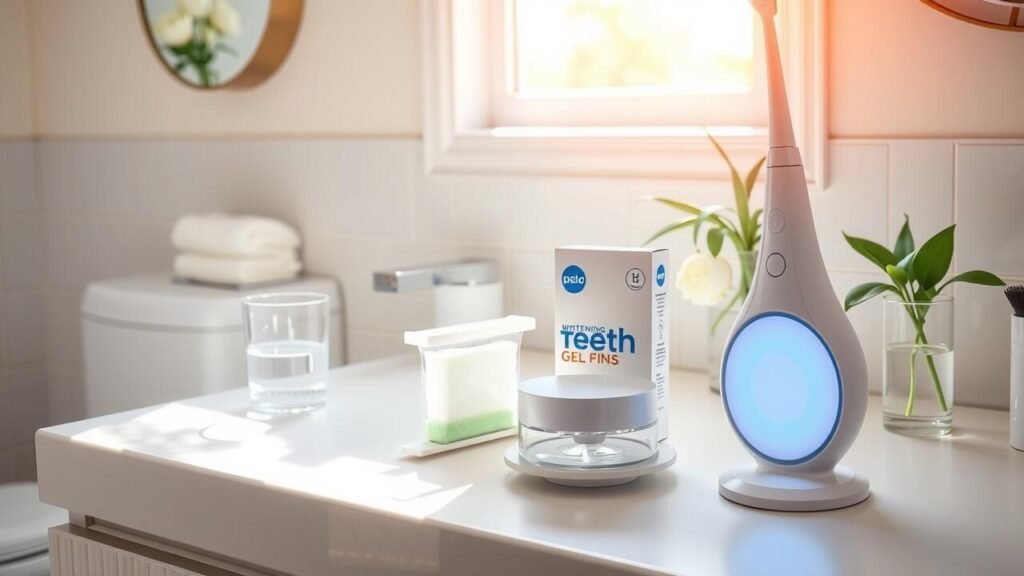
Recommended Products for Remineralization
When seeking to remineralize teeth after whitening, various products can effectively support enamel regeneration. Toothpaste containing fluoride is often recommended due to its ability to strengthen enamel and reduce the risk of cavities. These products enhance the natural remineralization process, making them a popular choice among dental professionals. Aligning with this, fluoride mouth rinses can also contribute to enamel fortification, providing an additional layer of protection.
In addition to fluoride-based options, calcium and phosphate-rich products can be beneficial. These ingredients work together to replenish minerals lost during the whitening process. Some brands offer specialized remineralization pastes that incorporate hydroxyapatite, a naturally occurring mineral found in teeth. Using these products can help restore the mineral balance in enamel, promoting long-term dental health following whitening treatments.
Effective Treatments To Consider
Various treatments are available to help remineralize teeth after whitening procedures. Products containing fluoride can be particularly effective, as fluoride strengthens enamel and aids in the process of remineralization. Professional-grade mouth rinses and toothpaste formulated with fluoride often offer enhanced protection and can be used daily. Additionally, over-the-counter remineralizing pastes are designed to restore minerals lost during whitening, providing an accessible option for many.
Another promising approach involves calcium phosphate technology. Available in various formulations, these products can help deliver essential minerals back into the enamel, promoting repair and strength. Some options include casein phosphopeptide-amorphous calcium phosphate (CPP-ACP) complexes found in certain chewing gums or dental products. These treatments not only support remineralization but also can help alleviate sensitivity often experienced after whitening procedures.
Professional Advice on Remineralization
Seeking professional guidance is essential for anyone considering remineralization after a whitening treatment. Dentists can provide tailored advice based on individual oral health needs. They may recommend specific products or treatments that can effectively restore minerals to tooth enamel. Regular check-ups will also help monitor any changes in the sensitivity of teeth.
Discussing concerns with a dental expert allows for a comprehensive understanding of the remineralization process. Professionals can explain the benefits of certain ingredients, such as fluoride or calcium phosphate. They might suggest their use in conjunction with other oral care practices. This approach ensures a balanced effort towards maintaining the integrity and health of the teeth following whitening procedures.
Consultations with Dental Experts
Seeking advice from dental professionals is crucial for anyone considering remineralization after whitening treatments. Dentists can evaluate the condition of your teeth and provide a personalized treatment plan tailored to your specific needs. They may recommend fluoride treatments or other remineralization products based on the level of enamel erosion and overall oral health.
Regular check-ups can also help in monitoring the effectiveness of any remineralization approach. Experts often offer insights on the proper use of fluoride toothpaste and at-home treatments. The guidance received from consultations can significantly enhance results and ensure that the teeth remain strong and healthy following cosmetic procedures.
Natural Methods to Strengthen Enamel
Strengthening enamel naturally can be achieved through mindful dietary choices. Incorporating foods rich in calcium, such as dairy products, leafy greens, and almonds, can provide essential minerals that support enamel health. Foods high in phosphorus, like meat, eggs, and fish, also play a crucial role in maintaining and reinforcing enamel structure. Additionally, consuming crunchy fruits and vegetables may help clean teeth and stimulate saliva production, further enhancing enamel protection.
Another effective method involves the use of specific natural remedies. Oil pulling with coconut oil is believed to help reduce bacteria and promote oral health. Including natural sources of fluoride, such as certain teas or fluoridated water, can also contribute positively. Regular consumption of green tea, which contains catechins, may protect enamel from decay. Adopting these practices consistently can contribute significantly to maintaining and strengthening enamel over time.
Dietary Choices for Tooth Health
A balanced diet plays a crucial role in maintaining strong teeth and overall oral health. Foods rich in calcium, such as dairy products, nuts, and leafy greens, provide essential minerals that strengthen tooth enamel. Incorporating foods high in phosphorus, like fish and meat, also contributes to remineralization. On the other hand, it’s important to limit sugary snacks and beverages, which can lead to tooth decay and erosion.
Additionally, certain fruits and vegetables can promote saliva production, aiding in natural remineralization. Apples, carrots, and celery are great choices that help clean teeth as you eat them. Whole grains offer fiber and nutrients that support the health of your gums. Staying hydrated by drinking plenty of water throughout the day is a simple yet effective way to maintain oral health, as it supports saliva flow and helps wash away food particles.
FAQS
Why should I remineralize my teeth after whitening?
Remineralizing your teeth after whitening helps to restore lost minerals, strengthen enamel, and mitigate sensitivity that may occur as a result of the whitening process.
What products are recommended for remineralization?
Recommended products for remineralization include fluoride toothpaste, remineralizing gels or pastes containing calcium phosphate, and over-the-counter remineralizing mouth rinses.
Are there natural methods to strengthen enamel?
Yes, natural methods to strengthen enamel include consuming foods rich in calcium and phosphorus, such as dairy products, leafy greens, and nuts, as well as avoiding acidic foods that can erode enamel.
How can I consult with a dental expert about remineralization?
You can consult with a dental expert by scheduling an appointment with your dentist, who can provide personalized advice on remineralization options based on your dental health and whitening results.
How long should I wait to remineralize my teeth after whitening?
It is generally advisable to wait at least 24 to 48 hours after whitening before starting any remineralization treatments to allow your enamel to stabilize.
Related Links
best remineralizing toothpaste after whitening
What toothpaste is proven to remineralize teeth?
What toothpaste is best after teeth whitening?