Key Takeaways
- Comprehending beneficial bacteria for the elderly
- Recognizing optimal supplements for older individuals
- Leading strains suggested for mature adults
- Premier probiotics available for seniors
- Methods to add beneficial bacteria to a senior’s nutrition
- Security and adverse reactions of beneficial bacteria for older adults
Understanding Probiotics for Seniors
Probiotics are live microorganisms that provide health benefits, particularly for seniors who may face various digestive issues. The best probiotics for seniors often include strains such as probiotic lactobacilli, which help balance gut flora and enhance the presence of good bacteria. Incorporating prebiotics into the diet can further support these beneficial effects by providing the necessary nutrients for probiotics to thrive. Some products combine both prebiotics and probiotics, known as synbiotics, creating a more effective approach to gut health. Seniors may also experience antibiotic-associated diarrhea due to the use of antibiotics, making probiotics an essential addition to their health regimen. Exploring probiotic and postbiotic options can lead to improved overall well-being and digestive stability for older adults.

What Are Probiotics?
Probiotics are live microorganisms that can provide numerous health benefits, particularly for gut health. These “good” bacteria help maintain a balanced microbiome by promoting the growth of beneficial gut bacteria while inhibiting harmful bacteria. Among the various types of bacteria, lactococcus is one example of a strain known for its positive impact on digestive health. For seniors seeking to improve their well-being, finding the best probiotics for seniors can significantly enhance overall health.
Incorporating probiotics into one’s diet can support microbial balance and improve digestive function. Many health food products, such as yogurt and fermented foods, contain these beneficial bacteria. Understanding the different types of bacteria and how they affect gut health is crucial for selecting the most effective supplements. The best probiotics for seniors often include strains that have been scientifically shown to enhance gut bacteria diversity and promote optimal health outcomes.
Why Probiotics Matter for Older Adults
Probiotics play a crucial role in maintaining gut health, particularly for older adults. As the gut microbiome ages, it undergoes changes that can lead to a decline in beneficial bacteria such as Lactobacillus delbrueckii and Bifidobacterium lactis. This imbalance can cause a range of health issues, including digestive problems and increased susceptibility to infections. Medical professionals often recommend dietary supplements that contain these strains as part of a comprehensive approach to support the gut microbiota, which is essential for overall well-being.
Understanding the benefits of the best probiotics for seniors is vital for improving health outcomes. Studies show that specific probiotic strains, including Lactococcus lactis, can enhance gut function and even help prevent yeast infections in older adults. The Office of Dietary Supplements highlights the importance of incorporating both supplements and probiotic-rich foods into the diet. This synergistic approach can help restore balance in the gut microbiome, providing seniors with a healthier and more resilient digestive system.
Identifying the Best Probiotics for Seniors
Choosing the best probiotics for seniors requires an understanding of specific microbial species that support healthy aging. Key strains like Lactobacillus reuteri, Lactobacillus jensenii, and Lactobacillus casei play a crucial role in enhancing the oral microbiome, promoting beneficial microorganisms. These dietary supplements can improve nutritional status and potentially reduce the risk of infections. Consulting a healthcare professional can guide seniors in selecting the best probiotics for seniors that align with their health needs and maximize health benefits. With the right choice, seniors can enjoy improved gut health and overall well-being.
Key Benefits of Probiotics for Older Adults
Probiotics offer numerous health advantages specifically for older adults. They play a crucial role in enhancing gut health by promoting a balanced microbiome. This balance is vital as it aids in the absorption of essential nutrients, which can often decline with age. The best probiotics for seniors can help prevent gastrointestinal issues and support overall digestive health. Research shows that many probiotics can reduce the risk of severe infections by boosting the immune system, making certain probiotics especially beneficial during flu season or in times of illness.
The potential benefits of probiotics extend beyond digestion. Probiotics support mental health by influencing the gut-brain axis, which may lead to improved mood and cognitive function. Many older adults can also experience changes in their microbiome that contribute to inflammation and other health complications. The top probiotics, including common strains like Lactobacillus and Bifidobacterium, are often recommended for their ability to address these challenges and promote long-term wellness. Including the best probiotics for seniors in daily routines can contribute significantly to enhanced quality of life.
Factors to Consider When Choosing Probiotics
Choosing the best probiotics for seniors involves several considerations to ensure optimal health benefits. It is essential to look for high-quality probiotic products that contain specific probiotics researched for their efficacy in older adults. Understanding different probiotic types can aid in selecting the most suitable options. For seniors, probiotic supplementation might focus on strains like Lactobacillus and Bifidobacterium, which have shown promise in supporting digestive health and overall well-being.
Probiotic interventions vary widely, and the effectiveness of probiotic solutions largely depends on individual health needs and conditions. Some may benefit more from probiotic food sources, while others might find that a probiotic supplement meets their needs better. Evaluating the probiotic efficacy of various products is crucial. A healthcare professional can provide guidance in identifying the best probiotics for seniors tailored to specific health goals and lifestyle.
| Probiotic Strain | Health Benefit | Recommended Dosage |
|---|---|---|
| Lactobacillus acidophilus | Supports digestive health | 1-10 billion CFUs per day |
| Bifidobacterium bifidum | Enhances gut flora balance | 5-15 billion CFUs per day |
| Lactobacillus rhamnosus | May reduce antibiotic-associated diarrhea | 1-5 billion CFUs per day |
| Bifidobacterium longum | Improves immune function | 5-10 billion CFUs per day |
Top Probiotic Strains Recommended for Older Adults
For older adults, selecting the right probiotic strains can enhance digestive health and overall wellness. The best probiotics for seniors often include Lactobacillus Acidophilus, which improves gut flora balance, and Bifidobacterium Longum, known for its immune-boosting properties. Research in various probiotics reports shows how these strains can lead to positive probiotic supplementation results over a three-month period. Culturelle probiotics, a popular probiotic brand, provide effective options tailored for senior health. Incorporating these probiotic strains into a probiotic diet can be done through probiotic foods or supplements, enabling seniors to benefit from postbiotic effects that support gut health.
Lactobacillus Acidophilus
Known for its effectiveness, this probiotic strain supports digestive health and boosts immunity. It can be found in various probiotic dairy products and is often included in multi-strain probiotics. Many of the best probiotics for seniors feature this strain due to its ability to improve gut flora. Incorporating prebiotic-rich foods alongside oral probiotics enhances the health benefits, making a daily synbiotic routine more effective.
This strain also plays a vital role in maintaining liver health, making it a valuable component in probiotic formulas aimed at older adults. For those considering supplementation, products like visbiome high potency probiotic offer effective doses of this strain. Combining probiotic-enriched foods with prebiotic foods can optimize gut health, providing a comprehensive approach to wellness with synbiotic supplementation.
Bifidobacterium Longum
This probiotic strain is renowned for its ability to support gut health and enhance the immune system. With the aging process, maintaining a balance of beneficial bacteria becomes crucial. This strain-specific probiotic works effectively to promote digestive health and reduces gastrointestinal discomfort. Products labeled as the best probiotics for seniors often include this strain, highlighting its importance in the elderly population. Incorporating probiotic milk consumption or probiotic lozenges containing this beneficial bacteria can be an easy and enjoyable way to deliver these health benefits.
Research indicates that this particular strain can also play a role in alleviating symptoms related to stress and anxiety, which can be common in older adults. The potential of heat-killed probiotics is also being explored, presenting a new avenue for therapeutic applications. Synbiotic formulas that combine this probiotic with prebiotics can enhance its efficacy further. For seniors looking for effective gut health solutions, probiotic colic drops and similar products containing this strain can be valuable options to consider when choosing the best probiotics for seniors.
- Promotes overall gut health and balances microbiota
- Supports a robust immune system
- Reduces gastrointestinal discomfort and promotes regularity
- May alleviate symptoms of stress and anxiety
- Enhances the effectiveness of synbiotic formulations
- Commonly included in probiotic products specifically for seniors
- Can be easily consumed through probiotic milk and lozenges
Saccharomyces Boulardii
This yeast-based probiotic has gained recognition as one of the best probiotics for seniors due to its unique ability to support gut health. It helps seniors maintain balanced gut bacteria levels, especially following antibiotic treatments. Research indicates that this probiotic can effectively reduce the incidence of antibiotic-related diarrhea, a common concern in senior healthcare. By promoting the growth of beneficial gut bacteria, it fosters a healthy microbiome crucial for overall well-being.
Healthy adults of all ages can also benefit from this probiotic strain, which encourages the growth of beneficial bacteria. With the probiosenior project highlighting its effectiveness, older adults can find this supplement particularly useful in maintaining gastrointestinal health. By helping to restore and maintain optimal gut bacteria, it plays a significant role in enhancing digestive health and resilience against infections. This makes it a key option among the best probiotics for seniors focused on nurturing their health.
Best Probiotics for Seniors in the Market
Choosing the best probiotics for seniors is essential for maintaining a healthy gut and supporting overall wellness. Probiotics can enhance senior digestion by introducing common bacteria that help balance the gut flora, promoting a diverse microbiome. Health professionals often recommend these supplements to seniors, as they can help combat bad bacteria and improve gastrointestinal health. For senior women, ensuring proper gut function may also play a role in overall health. The best probiotics for seniors not only target digestive health but also support immune function, making it easier for seniors to recover from infections. To reap these benefits, seniors can choose supplements or incorporate probiotic-rich foods into their diets to foster a robust and healthy gut.
Review of Popular Probiotic Supplements
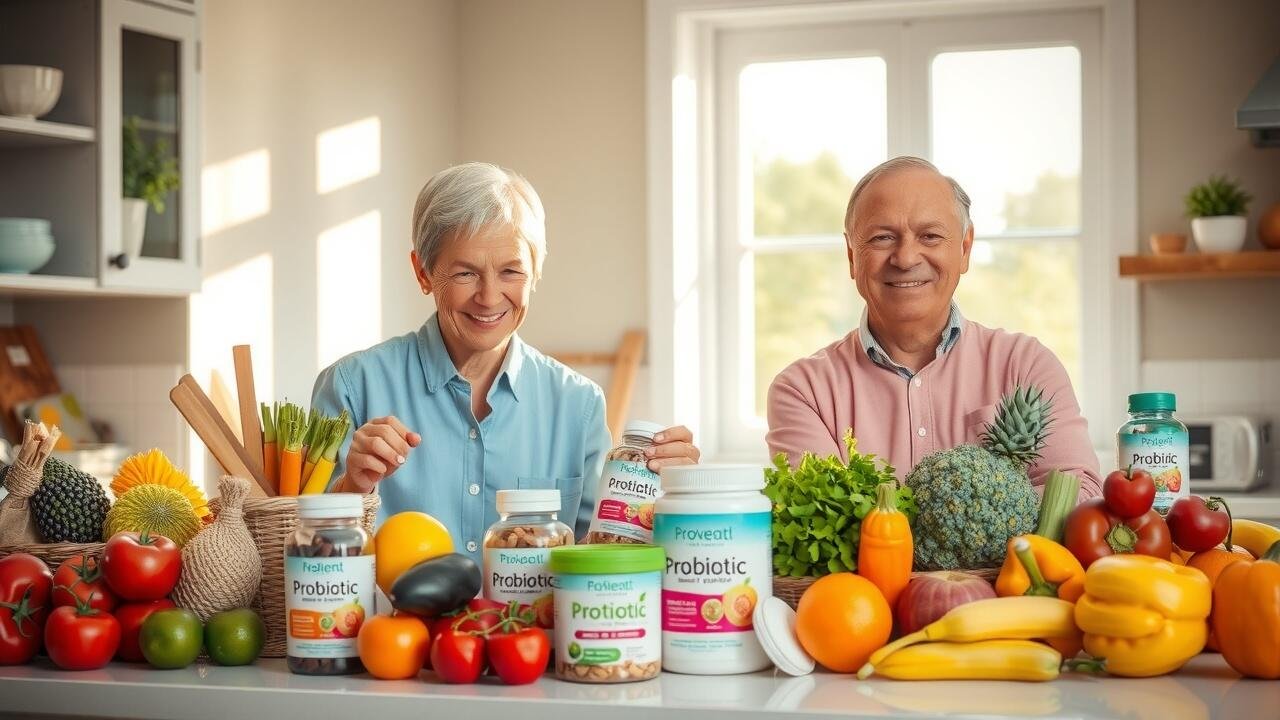
Many health conditions affecting older adults can benefit from the best probiotics for seniors. These supplements often contain standardized formulations designed to support a balanced gut microbiome. Health food stores stock various options, ensuring accessibility for seniors seeking oral bacteria that promote a healthy microbiota. Regular daily supplementation with these products may assist in managing unwanted bacteria and optimizing overall health and nutritional status.
The gut microbiome adapts to the intake of beneficial bacteria, which encourages the growth of a balanced microbiome. Certain popular probiotic supplements focus on supplemental bacteriophage intake, which can enhance the effectiveness of probiotics by targeting unwanted bacteria. Older adults are encouraged to explore a range of options available in health food stores to find the best probiotics for seniors that suit their individual needs and preferences.
Comparing Quality and Effectiveness
Assessing the best probiotics for seniors involves examining both the quality and effectiveness of supplements. Key considerations include the presence of specific lactobacillus strains that support gut health. Nutritionist-approved women often recommend products that promote healthy levels of gut bacteria, enhancing the overall health of seniors. A focus on supplements with proven benefits can also help prevent infection and support healthy gums, which are crucial as people age.
Evaluating the effectiveness of probiotics means looking at their impact on specific health conditions. Products that influence the front microbiol often provide insights into their role in maintaining environ microbiol balance. By selecting the best probiotics for seniors, individuals can ensure they choose options that align with their health priorities. It’s essential to find supplements that have undergone rigorous testing for safety and efficacy, making them suitable for long-term use without adverse effects on health.
How to Incorporate Probiotics into a Senior Diet
Incorporating probiotics into a senior diet can significantly enhance overall health. The best probiotics for seniors often include strains like Lactobacillus rhamnosus IMC and Lactobacillus paracasei SBT2055, which support gut microbiome changes that occur with age. Healthy individuals benefit from probiotic-rich foods such as yogurt and fermented vegetables, which contribute to improved liver health and may help reduce the risk of frequent infections. While over-the-counter supplements can provide a convenient option, seniors should consider their unique health needs and consult with a microbiome researcher or healthcare provider. Choosing the right strains, including various Streptococcus strains, may offer the most effective support for aging bodies.
- Start with probiotic-rich foods like yogurt, kefir, or sauerkraut.
- Gradually introduce fermented foods to avoid digestive discomfort.
- Look for supplements that specifically mention strains beneficial for seniors.
- Pay attention to expiration dates and storage instructions for probiotic products.
- Discuss with a healthcare provider before starting new probiotic supplements.
- Monitor changes in digestion or overall health after adding probiotics.
- Combine probiotics with a balanced diet for optimal gut health benefits.
Probiotic-Rich Foods
Including probiotic-rich foods in the diet is essential for seniors aiming to enhance their digestive health. Foods such as yogurt, kefir, sauerkraut, and kimchi are excellent sources of beneficial bacteria that can contribute to healthier microbiomes. Family physicians recommend these options as part of a balanced diet, especially for those experiencing age-related dysbiosis. Embracing these foods also supports healthy aging, making them a strategic choice for maintaining overall health.
Incorporating these foods can be a simple yet effective way to introduce the best probiotics for seniors, promoting a thriving digestive system. Many healthcare teams emphasize the importance of pairing food with the right health conditions that probiotics can address. Research on six-month synbio® administration reveals promising benefits in gut health, aligning with public health initiatives to improve the quality of life for older adults. A focus on probiotic-rich foods can empower seniors to take proactive steps toward better health outcomes.
Supplements vs. Natural Sources
Probiotics can be consumed through both supplements and natural sources, each offering unique benefits that cater to specific health goals. The best probiotics for seniors often include strains like lactobacillus acidophilus and live bifidobacterium longum, which can enhance microbial balance in the gut. For those seeking targeted support, specific strains such as lactobacillus paracasei IMC and lactobacillus reuteri DSM 17938 have shown promise for various health conditions, including aiding hypercholesterolemic adults. It is crucial to evaluate supplement brands to ensure they provide effective dosages and viable cultures of beneficial bacteria.
Natural sources of probiotics, such as fermented foods, can also play a significant role in promoting gut health. Sourdough bread, kimchi, and yogurt are excellent options that not only enhance nutrition levels but also introduce a diverse array of beneficial bacteria into the diet. For seniors exploring their probiotic options, taking a health quiz can help identify the most suitable choices based on their individual needs. Whether opting for the best probiotics for seniors through supplements or choosing nutrient-dense foods, the goal remains to support overall health and enhance well-being.
Safety and Side Effects of Probiotics for Seniors
Probiotics offer numerous health benefits for seniors, but understanding safety and potential side effects is crucial. The best probiotics for seniors are formulated with specific strains, like Lactobacillus, which plays a vital role in promoting metabolic health. While many strains can be beneficial, individuals should consult their primary care doctor, especially if they are considering a bacteriophage blend or have existing health conditions. Some seniors might experience mild digestive discomfort when starting probiotics, but these effects often diminish over time. Incorporating probiotic-rich foods like yogurt, tempeh, or salad dressings can also enhance gut health without the risks associated with supplements.
| Probiotic Strain | Health Benefit | Potential Side Effects |
|---|---|---|
| Lactobacillus | Promotes metabolic health | Mild digestive discomfort, gas |
| Bifidobacterium | Supports gut health | Diarrhea, bloating |
| Saccharomyces boulardii | Helps with antibiotic-associated diarrhea | Headache, bloating |
| Streptococcus thermophilus | Aids lactose digestion | Minimal side effects |
Conclusion
Probiotics play a crucial role in maintaining a balanced oral microbiome and supporting overall health as one ages. The best probiotics for seniors often include strains like Lactobacillus reuteri, Lactobacillus jensenii, and Lactobacillus casei, which have been shown to offer significant health benefits. These beneficial microorganisms can enhance nutritional status and are linked to reducing the risk of infections, making them valuable dietary supplements for older adults. Emphasizing the importance of incorporating these microbial species into a daily routine can contribute to healthy aging. Consulting with a healthcare professional can help seniors identify the best probiotics tailored to their specific health needs.
FAQS
What are probiotics and how do they work?
Probiotics are live microorganisms that provide health benefits when consumed in adequate amounts. They work by balancing the gut microbiome, promoting healthy digestion, and supporting the immune system.
Why are probiotics particularly important for seniors?
Probiotics are crucial for seniors because they help improve digestive health, enhance nutrient absorption, and strengthen the immune system, which often weakens with age. They may also help prevent or alleviate common gastrointestinal issues.
How do I choose the best probiotics for seniors?
When selecting probiotics for seniors, consider factors such as the specific strains included, CFU (colony-forming units) count, formulation (capsules, powders), and any additional ingredients. It’s also important to consult with a healthcare provider for personalized recommendations.
Can probiotics cause side effects in seniors?
While probiotics are generally considered safe, some seniors may experience mild side effects, such as gas, bloating, or digestive discomfort, especially when first starting. If severe symptoms occur, it’s advisable to consult a healthcare professional.
How can seniors incorporate probiotics into their diet?
Seniors can incorporate probiotics by consuming probiotic-rich foods like yogurt, kefir, sauerkraut, and kimchi. Additionally, probiotic supplements can be taken if food sources are insufficient or if specific health concerns need to be addressed.
What are the best probiotic strains for older adults that can promote healthy aging and support overall health?
The best probiotic strains for older adults include researched probiotics that support the immune system and promote liver health. It’s important to consider specific probiotics with multiple strains, such as Lactobacillus paragasseri SBT2055 and probiotic streptococcus salivarius. These beneficial probiotics can help healthy bacteria grow in the microbiome, contributing to improved health as seniors age. A three-month probiotic dose might be recommended, but it’s essential to consult with doctors to tailor the probiotic regimen based on individual health goals and nutritional status.
How can specific probiotics help support the immune system and overall health in seniors?
Specific probiotics, such as Lactobacillus, have been shown to promote the growth of beneficial bacteria and support various aspects of health in seniors. These probiotics support liver health and can help maintain a balanced microbiome, which is important for the immune system. It’s essential to choose strain-specific probiotics to address specific health goals, and standardized supplements containing these “good” bacteria can provide potential health benefits. For seniors, incorporating dietary sources like sourdough bread and tempeh can also aid in promoting overall health and nutritional status.
What are the potential health benefits of incorporating postbiotics and specific probiotics into the diets of seniors?
Incorporating postbiotics and specific probiotics into the diets of seniors can lead to multiple possible health benefits, including enhanced liver health, improved immune system function, and the ability to help beneficial bacteria grow in the gut. These probiotics support the overall health of seniors by potentially reducing the risk of infections and maintaining a balanced microbiome, which is important for healthy aging. Additionally, health goals tailored to seniors means that certain bacterial strains, like Lactobacillus, can be particularly beneficial in addressing their unique nutritional status and health needs.
What are some common probiotics that support the immune system in seniors and their health goals?
Common probiotics such as Lactobacillus and Bifidobacterium play an important role in supporting the immune system and overall health. The specific probiotics seniors choose can depend on their individual health goals, such as maintaining liver health or enhancing the immune system. These probiotics include beneficial bacteria found in foods like sourdough bread and tempeh, which may help promote healthy aging and improve nutritional status.
How do specific probiotics assist in promoting liver health for seniors while also supporting their overall immune system?
Specific probiotics play a crucial role in enhancing liver health, as certain strains are linked to improved liver function and overall health. Probiotics support the immune system by fostering a healthy microbiome, which can help detect and combat infections. Additionally, probiotics contribute to the nutritional status of healthy people, enabling them to achieve their specific health goals. For seniors, incorporating beneficial bacteria from sources like tempeh and sourdough bread is important, as they may enhance both liver health and the immune system’s efficiency.
What factors should seniors consider when choosing the best probiotics to meet their specific health goals and support their immune system?
When selecting probiotics, seniors should focus on specific probiotics that can address their unique health needs. The importance of choosing the right probiotics supports their overall health and may depend on factors such as their nutritional status and any existing health conditions. Health benefits may include enhanced liver health through liver health probiotics and support for the immune system, making it essential to consult healthcare professionals when integrating beneficial bacteria into their diets.
What are the important probiotic strains that seniors should consider for a balanced microbiome to support healthy aging?
When looking for important probiotics, seniors might find that specific probiotics—such as Lactobacillus—play a crucial role in maintaining a balanced microbiome. These beneficial bacteria, found in foods like sourdough bread and tempeh, can positively influence health. The immune system’s functionality often depends on the nutritional status of individuals, so incorporating a variety of probiotics may help in addressing specific health goals and enhancing overall health—while also supporting healthy aging.
How do dietary choices, such as including tempeh and sourdough bread, influence the effectiveness of specific probiotics for seniors aiming for healthy aging?
The effectiveness of probiotics depends on various dietary choices. Including foods like tempeh and sourdough bread can enhance the intake of beneficial bacteria. These foods can contribute to the overall health of the microbiome, making specific probiotics more effective in supporting health. Additionally, understanding one’s nutritional status is crucial when evaluating the impact of probiotics on health. Ultimately, the incorporation of specific probiotics into the diet can help seniors meet their specific health goals, improve their immune system, and promote healthy aging.
How do seniors benefit from taking specific probiotics that are aimed at enhancing their immune system while promoting overall health?
Seniors can significantly benefit from taking specific probiotics as they have been shown to support the immune system and overall health. Taking probiotics can help with the microbial balance in the gut, which may lead to better health outcomes. It is essential for older adults to incorporate beneficial bacteria, such as those found in sourdough bread and tempeh, as part of their diet to support their health goals effectively. This approach not only enhances their nutritional status but also plays a role in promoting healthy aging.
How do specific probiotics aid in maintaining a healthy microbiome for seniors while also supporting their specific health goals?
Specific probiotics can greatly aid seniors in maintaining a balanced microbiome, which is essential for healthy aging. These beneficial bacteria contribute to the immune system and can help address specific health goals. Incorporating foods like tempeh and sourdough bread can further enhance the effects of probiotics, ensuring a well-rounded nutritional status and promoting overall health.

