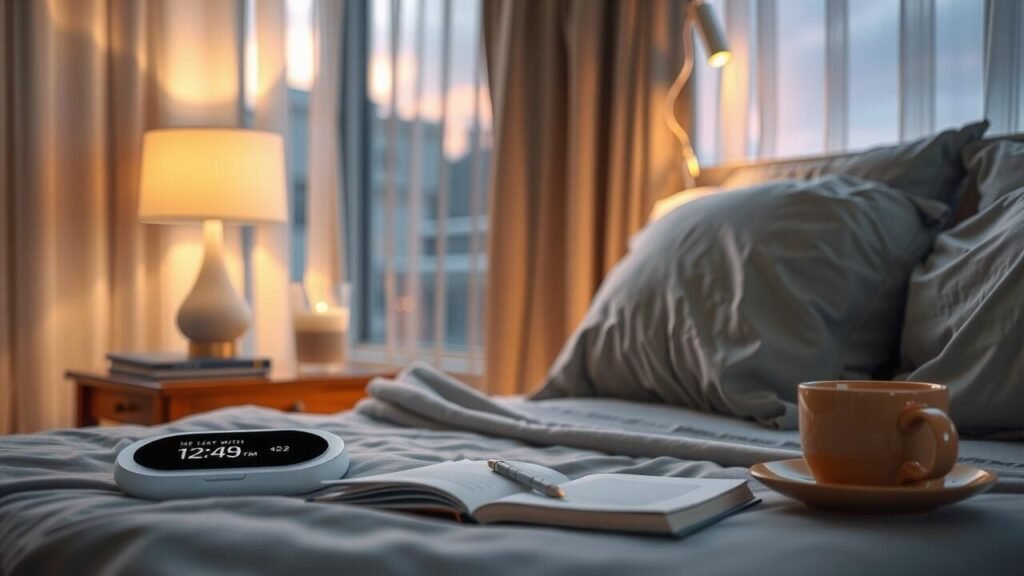
Utilizing Lighting to Promote Sleep
Light plays a significant role in regulating our sleep cycles. Exposure to natural light during the day helps maintain the body’s circadian rhythm, promoting alertness and productivity. Conversely, artificial light in the evening can hinder the release of melatonin, the hormone responsible for sleep. To create a sleep-friendly environment, consider dimming lights as bedtime approaches. Warm-toned bulbs can mimic the natural light of sunset, signaling to the body that it is time to wind down.
Incorporating smart lighting systems offers flexibility in managing brightness levels. These systems can be programmed to gradually decrease light intensity, creating a calming ambiance in the evening. Blackout curtains can also enhance the sleep environment by blocking out any unwanted light from outside, ensuring a more restful night. By thoughtfully adjusting lighting, it becomes possible to foster a space that encourages relaxation and promotes a healthier sleep pattern.
The Role of Light in Sleep Regulation
Light plays a crucial part in determining the body’s circadian rhythm, the internal clock that regulates sleep-wake cycles. Exposure to natural light during the day helps signal to our bodies when it is time to be awake and alert. In contrast, the gradual dimming of light as night approaches prepares the brain for rest by signaling the production of melatonin, a hormone essential for sleep.
The type of light we are exposed to can significantly affect our sleep quality. Blue light, often emitted by screens, can interfere with melatonin production. This disruption can lead to difficulty falling asleep or staying asleep. Utilizing softer, warmer lighting in the evening can support the body’s natural processes and create an environment more conducive to relaxation and restful sleep.
Incorporating Relaxing Aromas
The use of relaxing aromas can significantly enhance the quality of your sleep environment. Certain scents have been shown to lower stress levels and promote a sense of tranquility. Lavender is one of the most popular choices, often recognized for its calming and soothing properties. Studies indicate that inhaling lavender can lead to a decrease in heart rate and blood pressure, aiding the transition to restful sleep. Other essential oils like chamomile and bergamot also contribute to a peaceful atmosphere, providing opportunities to unwind and prepare for the night.
Implementing relaxing aromas in your space can be done through various methods. Aromatherapy diffusers are a popular choice, dispersing fine particles of essential oils into the air while maintaining a gentle and consistent scent. Additionally, scented candles or sachets filled with dried herbs can create a calming environment without overwhelming the senses. It’s crucial to choose high-quality products to ensure the effectiveness of the scents. A well-curated selection of aromas can transform your sleep space into a sanctuary, promoting a more restful and rejuvenating sleep experience.
Essential Oils That Foster Calmness
Lavender essential oil is widely recognized for its ability to induce relaxation and enhance sleep quality. Its soothing aroma helps lower heart rate and blood pressure, creating a tranquil atmosphere ideal for unwinding at the end of the day. Many people find that using lavender in a diffuser or applying it topically can significantly improve their ability to fall asleep and stay asleep throughout the night.
Another popular option is chamomile oil, known for its calming properties. Often used in teas, chamomile’s scent can evoke a sense of peace and stability when used as an essential oil. Incorporating chamomile into your bedtime routine, whether through diffusion or baths, provides a gentle reminder to your body that it’s time to relax. These oils can be combined or used individually to personalize your sleep environment further, maximizing your comfort and calmness.
Organizing a Clutter-Free Space
A well-organized bedroom fosters tranquility, making it easier to unwind at the end of the day. Clutter can create distractions and a sense of chaos, which interferes with the mind’s ability to relax. Removing unnecessary items can help establish a peaceful atmosphere that promotes better sleep quality. Utilize storage solutions such as bins or shelves to keep items neatly tucked away, enabling a more streamlined environment.
Adopting minimalist principles contributes to both physical and mental clarity. A clutter-free space enhances focus and encourages a sense of calm, allowing the mind to shift from a busy day to a restful night. Rearranging furniture for optimal flow also helps create a more inviting space. Regularly assessing belongings and eliminating what is no longer needed reinforces a serene bedroom ambiance, ultimately enhancing the sleep experience.
The Psychological Benefits of Minimalism
A clutter-free environment can significantly contribute to mental well-being. Excessive clutter often leads to feelings of overwhelm and stress. A minimalist space allows for a clearer mind, fostering tranquility and focus. By simplifying surroundings, individuals can create a sanctuary that promotes relaxation and restful sleep.
Embracing minimalism encourages the prioritization of meaningful items, reducing distractions and fostering a sense of control. This intentional approach to living not only benefits physical space but also enhances emotional health. A streamlined environment aids in developing healthier habits, ultimately creating a more restful atmosphere conducive to better sleep.
FAQS
What are some effective lighting options to promote better sleep?
Effective lighting options include using dimmable lights, warm-colored bulbs, and blackout curtains to reduce exposure to blue light before bedtime.
How do essential oils contribute to a sleep-friendly environment?
Essential oils like lavender, chamomile, and bergamot can promote relaxation and calmness, helping to reduce stress and anxiety, which can enhance sleep quality.
Why is a clutter-free space important for sleep?
A clutter-free space reduces distractions and promotes a sense of calm, which can lower stress levels and create a more conducive atmosphere for sleep.
What are some recommended products for creating a sleep-friendly environment?
Recommended products include blackout curtains, essential oil diffusers, calming aromatherapy sprays, and minimalist storage solutions to keep your space organized.
How can I maintain a sleep-friendly environment in a small space?
Utilize multi-functional furniture, keep decor minimal, and incorporate smart storage solutions to reduce clutter while ensuring your space remains calming and peaceful.
Related Links
best sleep products
Roundup of the best sleep products for better rest in 2023
Review of the top-rated sleep masks on the market