Key Takeaways
- Comprehending beneficial microorganisms and dietary fibers
- The function of beneficial bacteria in digestive wellness
- The significance of dietary fibers for gut well-being
- Distinctions between beneficial microorganisms and dietary fibers
- Merging beneficial microorganisms and dietary fibers
- Guaranteeing sufficient dietary fibers in your nutrition
Understanding Probiotics and Prebiotics
Probiotics and prebiotics are essential components in promoting gut health, often discussed in tandem as they both play vital roles in maintaining a balanced microbiome. Probiotics refer to live microorganisms that can confer health benefits, while prebiotics are typically non-digestible fibers that serve as food for these beneficial bacteria. The International Scientific Association for Probiotics and Prebiotics emphasizes the importance of both in the diet, highlighting how prebiotic fiber can enhance the efficacy of probiotics, leading to what is known as synbiotics. Understanding the differences, such as the probiotics vs prebiotics dynamic, reveals how each contributes uniquely to overall wellness. Incorporating a variety of sources of both probiotics and prebiotics is crucial for optimal digestive health.
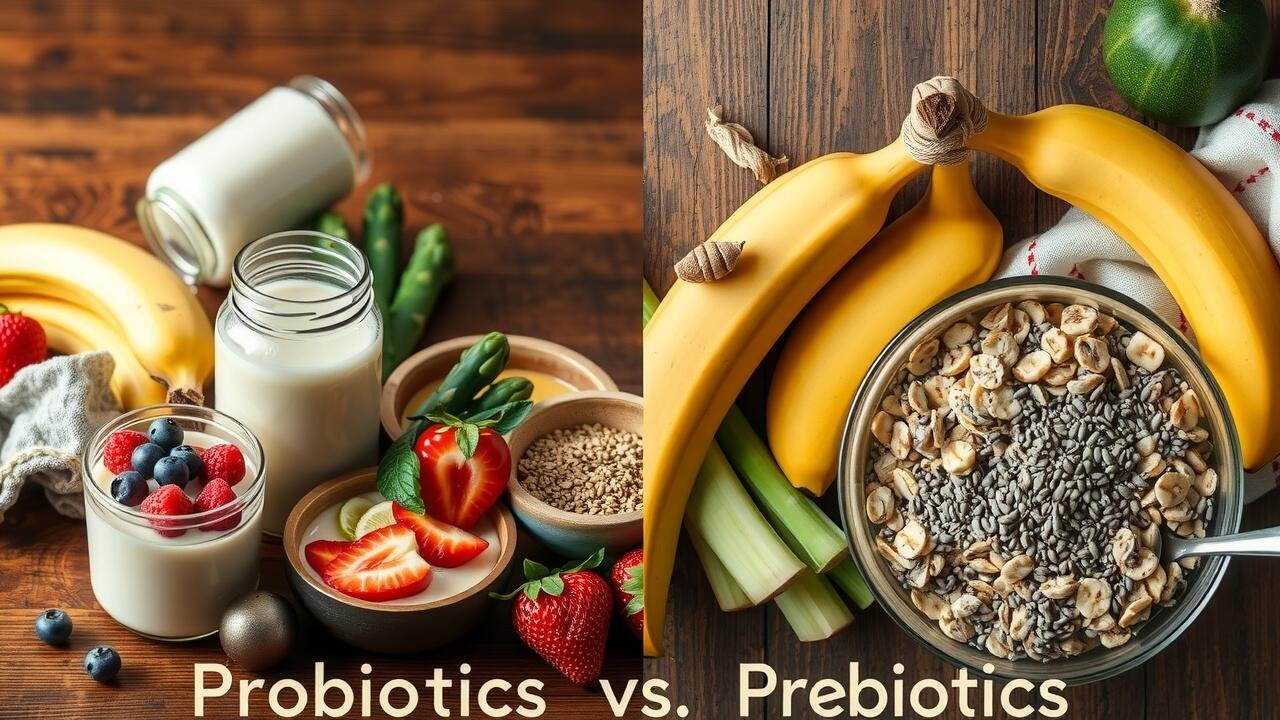
- Probiotics can be found in foods like yogurt, kefir, sauerkraut, and kimchi.
- Common prebiotic sources include bananas, onions, garlic, leeks, and whole grains.
- Consuming a balanced diet rich in both can lead to improved digestion and nutrient absorption.
- Probiotics may help reduce the symptoms of certain digestive disorders, such as irritable bowel syndrome (IBS).
- Prebiotics can enhance immune function and may help fight off infections.
- It’s important to introduce these foods gradually to avoid digestive discomfort.
- Always consult a healthcare professional before starting new supplements, especially if you have underlying health conditions.
Definition of Probiotics
Probiotics are live microorganisms that provide health benefits when consumed in adequate amounts. They are often referred to as “good” bacteria because they help maintain a balance in the gut microbiome by supporting the growth of beneficial bacterial strains. Probiotics can counteract the effects of antibiotics, which can disrupt the natural balance of bacteria in the gut, leading to potential bacterial infections. Understanding probiotics vs prebiotics is crucial, as the former are live bacteria while the latter are non-digestible fibers that feed these beneficial organisms.
The various bacterial strains found in probiotics can influence digestive health and overall wellness. Common sources include fermented foods like yogurt, kefir, and sauerkraut, which naturally contain these beneficial microorganisms. Incorporating probiotics into your diet can enhance gut health, improve digestion, and even boost the immune system. The growing interest in probiotics vs prebiotics has sparked further research into their individual roles and the synergy they may create when consumed together.
Definition of Prebiotics
Prebiotics are non-digestible food components that stimulate the growth and activity of beneficial gut bacteria. Unlike probiotics, which are live microorganisms, prebiotics serve as a food source for the existing gut flora, such as Lactobacillus and Bacillus species. This support fosters a balanced gut microbiome, enhancing the overall health of the gut microbiota. Their role becomes crucial in maintaining a healthy digestive system, especially in defense against harmful bacteria that can disrupt gut health.
These compounds can be found in various foods, including fruits, vegetables, and whole grains. By promoting the proliferation of advantageous gut bacteria, prebiotics contribute to a well-functioning gut microbiome. The ongoing discussion of probiotics vs prebiotics highlights how both elements play distinct yet complementary roles in optimizing gut health. Understanding how prebiotics function adds valuable insight into how to best support gut bacteria and overall wellness.
The Role of Probiotics in Gut Health
Probiotics play a crucial role in maintaining a healthy gut by introducing beneficial microorganisms that enhance the balance of the human gut microbiota. These live bacteria contribute to the overall health of the human microbiome, often acting against harmful pathogens that may cause infections. Understanding probiotics vs prebiotics is essential, as both contribute uniquely to digestive health; however, probiotics directly impact the microbiota, while prebiotics serve as food for these beneficial organisms. The field of microbiology reveals that a diverse microbiome is linked to improved digestive functions, immune responses, and overall wellness, highlighting the importance of incorporating probiotics into your diet.
Benefits of Probiotic Foods
Probiotic foods, such as yogurt and kefir, play a crucial role in supporting gut health by introducing beneficial bacteria like bifidobacterium and bacillus coagulans into the digestive system. These live microorganisms can help maintain a balanced microbiome, potentially reducing the risk of gastrointestinal issues, including colitis. As individuals weigh the benefits of probiotics vs prebiotics, it’s essential to recognize the protective effects probiotics offer against contaminants that may disrupt gut equilibrium.
The impact of probiotic foods extends beyond the gut, positively influencing the vaginal microbiome as well. Regular consumption of these foods can enhance the population of beneficial bifidobacteria, promoting overall female health. With the ongoing debate of probiotics vs prebiotics, it’s crucial to understand that while probiotics directly introduce healthy bacteria, they often work best in conjunction with prebiotics, which serve as food for these beneficial organisms.
How Probiotic Supplements Support Wellness
Probiotic supplements offer a concentrated dose of beneficial microorganisms that support gut health by balancing gut microbes. These supplements often come in various forms, including capsules and powders, and can be easily integrated into daily routines. They provide a convenient way to enhance the population of good bacteria in the gastrointestinal tract. With the right strains, these microorganisms can contribute to the production of essential vitamins and may alleviate issues such as bloating, constipation, and digestive discomfort.
In the debate of probiotics vs prebiotics, it’s crucial to understand the unique role probiotics play in overall wellness. Unlike prebiotics, which serve as food for beneficial bacteria, probiotics introduce live microorganisms into the system. This infusion of healthy bacteria can bolster the immune system while fostering a more balanced gut environment. Some supplements also combine probiotics with prebiotics to further enhance their effectiveness, providing a holistic approach to gut health maintenance.
The Importance of Prebiotics for Digestive Health
Prebiotics play a crucial role in maintaining digestive health by serving as food for beneficial gut microbes. Unlike the active strains found in certain probiotics, prebiotics are non-digestible fibers that promote a healthy environment for these probiotics and probiotics to thrive. Integrating prebiotic-rich foods like garlic, onions, and bananas into your diet can enhance the efficacy of any probiotic supplements or medications you might be using. Understanding the distinction in probiotics vs prebiotics is essential; while probiotics introduce beneficial bacteria, prebiotics ensure those microbes have the necessary nutrients to flourish. This synergy between prebiotics and probiotics creates a balanced gut ecosystem, ultimately benefiting overall digestive health.
- Supports balanced gut flora by feeding beneficial bacteria
- Enhances nutrient absorption and digestion
- May help alleviate digestive disorders such as constipation and IBS
- Contributes to a stronger immune system
- Can improve mood and mental health through the gut-brain connection
- Aids in maintaining a healthy weight by promoting satiety
- Found in a variety of foods, making them easy to incorporate into your diet
Sources of Prebiotic Foods
Prebiotic foods serve as a crucial part of the digestive system by nourishing beneficial bacteria. Common prebiotic sources include garlic, onions, bananas, and asparagus. These foods contain various fibers that act as a prebiotic type, encouraging the growth of helpful probiotics within the gut. Understanding the distinction in probiotics vs prebiotics is essential for anyone looking to optimize their gut health. By incorporating these foods into your diet, you can create an appropriate probiotic environment in your gastrointestinal tract.
Whole grains, legumes, and certain fruits also provide excellent prebiotic sources. Foods such as oats and lentils are not only nutritious but also promote the flourishing of gut microbiota. The probiotics market has seen an increase in interest regarding the synergy between these two elements. An effective approach to gut health is to include both probiotics and prebiotics in your diet, allowing them to work together for optimal digestive benefits.
Benefits of Prebiotic Supplements
Prebiotic supplements play a crucial role in enhancing gut health through their ability to nourish beneficial probiotic bacteria. By providing enough prebiotics, these supplements create a supportive environment for various probiotic strains to thrive. This synergy amplifies the prebiotic effects, leading to improved digestion and increased absorption of nutrients. Users often explore probiotic questions, seeking to understand how prebiotics can optimize the effectiveness of probiotics in their regimen.
The effectiveness of prebiotic supplements extends beyond mere digestion. They contribute to improved immune function and may help in reducing inflammation within the gut. Establishing a balance between probiotics and prebiotics is essential for overall health. Many people struggle to ensure they consume enough prebiotics alongside their probiotic intake. Understanding the nuances of probiotics vs prebiotics can empower individuals to make informed choices about their supplement strategies.
Probiotics vs Prebiotics: Key Differences
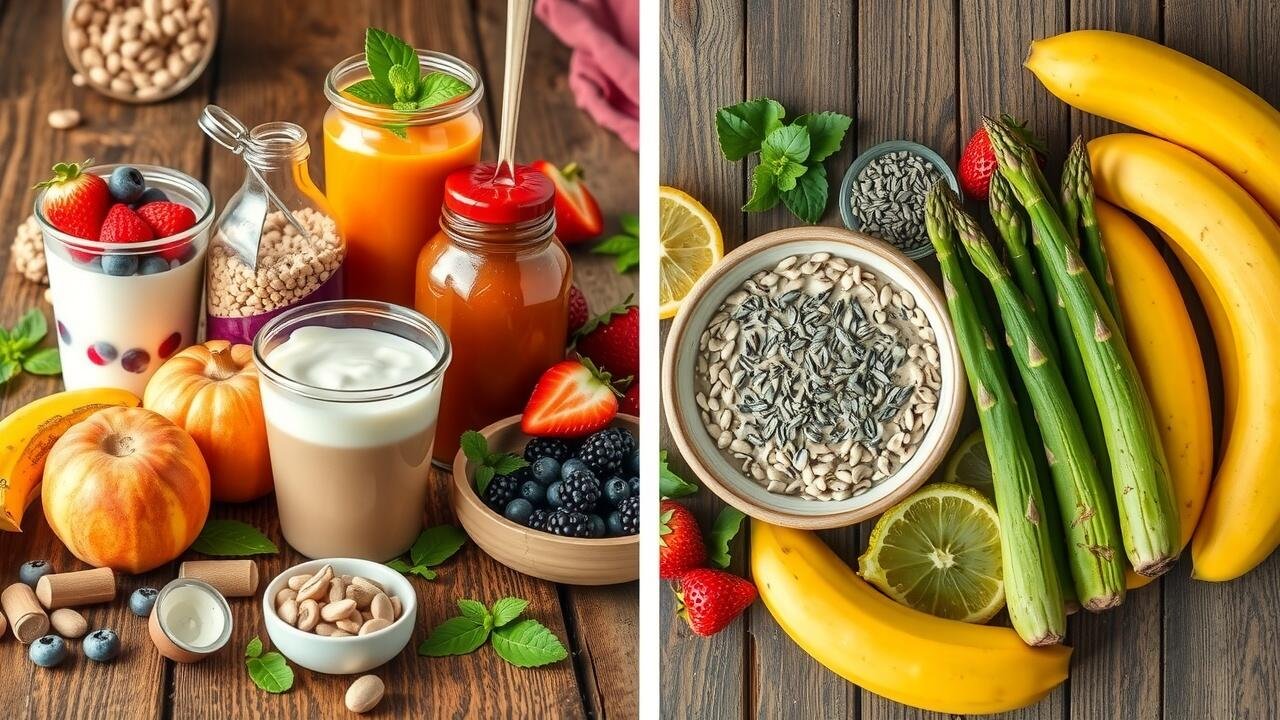
Understanding the differences between probiotics and prebiotics is essential for optimizing gut health. Probiotics are live microorganisms found in probiotic foods and supplements, known for their various probiotic benefits, such as improving digestion and enhancing immune function. Data suggests probiotics can positively influence gut flora, helping these beneficial bacteria grow and thrive. In contrast, prebiotics serve as food for these microbes, often found in high-fiber foods or taken as a prebiotic supplement. While probiotics vs prebiotics are distinct in function, both play complementary roles in maintaining a balanced digestive system, with the right combination enhancing overall well-being.
Mechanisms of Action
Probiotics and prebiotics operate through distinct but complementary mechanisms in the gut. Probiotics are live beneficial bacteria that help maintain a balanced microbiota, while prebiotic foods contain non-digestible fibers that fuel these beneficial microbes. Taking probiotics may work less well without sufficient prebiotic intake, as the latter provides essential nourishment. Prebiotic supplements can enhance this effect, promoting the growth of probiotics and optimizing their function in digestive health.
The interaction between probiotics and prebiotics creates a synergistic effect that enhances overall gut health. Probiotic supplement products thrive in environments enriched by prebiotic-containing foods, which include items like garlic, onions, and bananas. This nurturing effect helps to establish a flourishing gut microbiome. Understanding the differences in probiotics vs prebiotics is crucial for individuals seeking to maximize the health benefits of both, leading to improved digestion and overall wellness.
Health Benefits Comparison
Probiotics vs prebiotics reveals different yet complementary roles in supporting health. Probiotic strains provide live beneficial bacteria, which can improve gut health and enhance immune function. On the other hand, prebiotics feed the good bacteria naturally present in your gut, promoting their growth and activity. Prebiotic foods support this process by supplying essential prebiotic fibers, such as inulin and fructooligosaccharides, which are vital for maintaining a balanced microbiome.
Both probiotics and prebiotics offer unique health benefits, making them integral components of a holistic approach to wellness. While probiotic supplements can introduce new beneficial strains to your gut, prebiotic fibers, such as those found in bananas and garlic, are essential for nourishing the existing microbial community. This synergy creates a robust probiotic toolkit, combining the effects of both to enhance digestive health and overall wellbeing.
Combining Probiotics and Prebiotics
The interplay between probiotics and prebiotics is essential for fostering a balanced gut microbiome. Probiotics, such as the probiotic strain Bacillus, introduce beneficial bacteria into the digestive system, while prebiotics, like prebiotic inulin and prebiotic fiber, serve as fuel for these healthy organisms. This relationship helps enhance the effects of both, addressing issues like antibiotic-related diarrhea by promoting a diverse microbial environment. Choosing to incorporate probiotic gummies can also provide an enjoyable way to ensure adequate probiotic intake. Understanding probiotics vs prebiotics allows individuals to better appreciate how these two components work synergistically to improve overall digestive health.
The Synergistic Effects of Probiotics and Prebiotics
Probiotics and prebiotics work in harmony to promote a healthy gut environment. Probiotics consist of live bacteria cultures that provide friendly bacteria to the gut, enhancing the microbial balance. Prebiotics, on the other hand, serve as a bacterial strains source, feeding these good gut bacteria. By fostering the growth of helpful bacteria, prebiotics can amplify the effectiveness of probiotics, creating a synergistic effect that supports digestive health and overall wellness.
The interplay between probiotics vs prebiotics illustrates how these components contribute to the maintenance of a balanced gut microbiome. A diverse range of healthy gut bacteria can improve digestion, enhance nutrient absorption, and strengthen the immune system. Utilizing both probiotics and prebiotics ensures that beneficial bacteria thrive while harmful bacteria are kept in check. This synergy not only maximizes gut health benefits but also promotes overall well-being.
Recommended Combinations for Optimal Health
Combining probiotics with prebiotics offers a powerful strategy for enhancing gut health. Probiotics introduce live bacteria that help increase helpful bacteria in your gut, while prebiotics serve as food for these beneficial microorganisms. This combination effectively fosters a diverse gut microbiome, creating an environment where the healthy microbiome can thrive. It also plays a crucial role in suppressing the harmful bacteria population, thereby maintaining optimal digestive function.
Utilizing products such as aeprobio, which blend both probiotics and prebiotics, can be an effective way to support your gut health. These formulations target the unique needs of your gut microbiome, providing a balanced approach that emphasizes the differences in probiotics vs prebiotics. With the right combination, you can enhance your body’s ability to sustain a healthy microbial community, ultimately leading to improved overall wellness and digestive stability.
| Product Name | Type | Benefits | Key Ingredients |
|---|---|---|---|
| aeprobio Daily Blend | Probiotic & Prebiotic | Supports gut health and digestive balance | Lactobacillus, Bifidobacterium, Inulin |
| Digestive Wellness Plus | Probiotic | Enhances gut flora and immune function | Lactobacillus rhamnosus, Fructooligosaccharides |
| Prebiotic Fiber Complex | Prebiotic | Feeds beneficial gut bacteria | Acacia Fiber, Chicory Root |
| Gut Health Essentials | Probiotic | Aids digestion and nutrient absorption | Proprietary Probiotic Blend, Green Banana Flour |
Ensuring Enough Prebiotics in Your Diet
In the ongoing discussion of probiotics vs prebiotics, understanding the importance of prebiotics for gut health is crucial. Prebiotics serve as a food source for gut microorganisms, fostering the growth of beneficial organisms while inhibiting the proliferation of ‘bad’ bacteria. A robust intake of prebiotics can significantly enhance overall gut health by nurturing a diverse microbiome, which is known to vary among individuals. Dietary sources rich in prebiotics, such as bananas, onions, and whole grains, can help support this balance. With a few strains of probiotics potentially not sufficient for optimal gut function, pairing them with prebiotics is a strategic approach to cultivating a healthy microbiome source.
Daily Intake Recommendations
Daily intake recommendations for prebiotics vary based on individual health needs and dietary habits. Generally, it is suggested that adults consume around 25 to 30 grams of dietary fiber daily, which includes prebiotic sources. Human microbiome research indicates that diverse intakes of prebiotics can significantly enhance the population of ‘good’ bacteria in the gut. This diversity is essential for maintaining a healthy gut, as it allows different strains of probiotics to thrive and support the overall gut’s health.
Balancing the intake of prebiotics and probiotics is crucial for optimal digestive health. While probiotics are known to introduce beneficial microorganisms, prebiotics serve as food for these organisms, ensuring their survival and growth in the gut. This synergistic relationship helps to resist certain contaminants that may disrupt gut health. Striving for a varied diet rich in fruits, vegetables, and whole grains can help meet the daily recommendations for prebiotics, thus supporting a robust and balanced microbiome.
| Food Source | Prebiotic Content (grams/100g) | Benefits |
|---|---|---|
| Chicory Root | 64 | Supports gut bacteria growth and reduces inflammation |
| Garlic | 17 | Enhances immune function and promotes healthy digestion |
| Onions | 10 | Improves gut health and may reduce risk of certain diseases |
| Bananas | 8 | Provides energy and supports digestive health |
| Whole Wheat | 7 | Contributes to fiber intake and improves gut flora |
Tips for Incorporating Prebiotics into Meals
Incorporating prebiotics into meals can be both simple and enjoyable. Foods rich in prebiotics, such as garlic, onions, and bananas, can easily be added to daily recipes, enhancing flavor while boosting gut health. Doctors often recommend targeting gut health through a combination of probiotics and prebiotics to ensure many microorganisms can thrive in a balanced ecosystem. Adhering to nutritional guidelines that emphasize these components can provide essential vitamins and improve digestive wellness.
Experimenting with different cooking techniques can also enhance the intake of prebiotic-rich foods. For example, roasting vegetables or blending them into smoothies can help retain their beneficial properties, making it easier to include them in everyday meals. Understanding the difference in benefits between probiotics vs prebiotics helps inform dietary choices, especially when considering using both supplements and food sources. Striking a balance between these two can optimize health outcomes and support the same strains of beneficial bacteria in the gut.
Conclusion
Understanding the distinctions between probiotics vs prebiotics plays a crucial role in achieving integrative health. Probiotics contribute beneficial bacteria essential for maintaining a healthy digestive system, while prebiotics serve as the food source that nourishes these microorganisms. Each has its unique benefits, and recognizing how they function together enhances overall gut health. Incorporating both into your diet can lead to optimal wellness, supporting not just digestion but also broader aspects of health. Balancing probiotics vs prebiotics is key to fostering a robust digestive environment.
FAQS
What are probiotics?
Probiotics are live microorganisms, typically bacteria or yeast, that provide health benefits when consumed in adequate amounts, particularly for gut health.
What are prebiotics?
Prebiotics are non-digestible fibers and compounds that serve as food for beneficial gut bacteria, helping to promote their growth and activity in the digestive system.
How do probiotics support gut health?
Probiotics help maintain a healthy balance of gut bacteria, enhance digestion, and can potentially prevent or treat certain gastrointestinal conditions.
Can I get probiotics from food?
Yes, probiotics are naturally found in fermented foods such as yogurt, kefir, sauerkraut, kimchi, and certain cheeses.
Are prebiotic supplements necessary?
While prebiotic supplements can be beneficial, most people can get adequate prebiotics through a balanced diet rich in fruits, vegetables, whole grains, and legumes.
What is the difference between prebiotics and probiotics, and how do they contribute to gut health?
Prebiotics and probiotics both play essential roles in supporting the gut microbiome. Prebiotics serve as a source of nourishment for healthy gut bacteria, also known as “good” bacteria, and are often found in foods like bananas, onions, and garlic; these are known as prebiotic fibers. On the other hand, probiotic sources include fermented foods like yogurt and certain types of milks that contain live beneficial bacteria—these are termed probiotic items. For optimal gut health, it’s important to consume enough probiotics and prebiotics regularly. The effectiveness of prebiotics highlights their importance in helping to maintain a balance in the gut microbiome, ensuring that “bad” bacteria do not dominate and that the gut microbiome stays healthy.
How do prebiotics and probiotics support the health of our microbiomes and what are their sources?
Prebiotics and probiotics play a crucial role in maintaining a healthy gut and supporting microbiomes. Prebiotic fibres serve as a food source for probiotics, which are beneficial bacteria that help establish a balanced gut environment. Prebiotics can be found in various sources such as garlic, onions, and bananas, while probiotics are commonly sourced from fermented foods like yogurt and kefir. Their effectiveness in enhancing gut health allows the good bacteria to flourish while inhibiting the growth of bad bacteria, ultimately promoting the gut’s health and ensuring that the microbiome varies positively.
How do prebiotic fibers contribute to gut health, and what are the sources of prebiotics and probiotics that help maintain a healthy gut?
Prebiotic fibers play a crucial role in supporting gut health by providing nourishment for the beneficial bacteria, or “good” bacteria, in the gut, which helps to target gut health effectively. These prebiotics can include ingredients like chicory root and garlic, which are excellent prebiotics sources. On the other hand, probiotics come from various sources such as yogurt and fermented foods, which contain live probiotic bacteria that help grow beneficial microflora while combating “bad” bacteria, thus promoting overall gut health and ensuring the microbiome’s balance.
How can understanding the role of prebiotics and the sources of probiotics contribute to the effectiveness of maintaining a healthy gut?
Understanding how prebiotics part and probiotics source contribute to gut health is crucial. Prebiotic effectiveness is related to their ability to nourish the good bacteria in the gut, allowing probiotics to grow and outcompete the bad bacteria. Prebiotic fibers include diverse sources that enrich the gut’s health by promoting a balance in the bacteria-while ensuring that the balance between good and bad bacteria is maintained. A healthy gut lets beneficial probiotic bacteria flourish, supporting overall gut health.
How do probiotic bacteria function in the gut, and what role does prebiotic fiber include in promoting the balance of ‘good’ bacteria over ‘bad’ bacteria for the gut’s health?
Probiotic bacteria function in the gut by enhancing the growth of ‘good’ bacteria, while prebiotic fiber includes substances that serve as food for these beneficial bacteria. This balance is crucial for maintaining the gut’s health, as it ensures that ‘good’ bacteria can thrive, helping to outcompete ‘bad’ bacteria and support overall digestive health.
How do probiotic bacteria contribute to gut health while ensuring that the balance of ‘good’ bacteria over ‘bad’ bacteria is maintained?
Probiotic bacteria play a crucial role in gut’s health by promoting the growth of ‘good’ bacteria, which helps to suppress the proliferation of ‘bad’ bacteria. This balance is essential for digestive health, as a healthy population of probiotics ensures that harmful bacteria do not overwhelm the gut ecosystem. By taking probiotics, individuals can strengthen their gut microbiome and improve overall well-being, while also preventing issues that arise from an imbalance between good and bad bacteria.
How do the actions of probiotic bacteria impact the balance of ‘good’ bacteria and ‘bad’ bacteria in relation to gut’s health?
Probiotic bacteria play a crucial role in gut’s health by promoting the growth of ‘good’ bacteria, which helps to keep ‘bad’ bacteria in check. While probiotics grow and multiply in the gut, they create an environment that supports beneficial microorganisms, ensuring a healthy balance that is essential for overall digestive health.
How do dietary choices influence the balance of ‘good’ bacteria and ‘bad’ bacteria, and what role do probiotic bacteria play in maintaining gut’s health?
Dietary choices significantly impact the balance of ‘good’ bacteria and ‘bad’ bacteria in the gut. Probiotic bacteria help to promote the dominance of ‘good’ bacteria over ‘bad’ bacteria, contributing to the overall gut’s health.
How do dietary supplements containing probiotic bacteria affect the balance of ‘good’ bacteria and ‘bad’ bacteria in relation to gut’s health?
Dietary supplements that contain probiotic bacteria can significantly impact the balance of ‘good’ bacteria and ‘bad’ bacteria in the gut’s health, helping to enhance overall digestive function and support immune response while minimizing the effects of ‘bad’ bacteria.
How do probiotic bacteria impact the overall health of the gut and affect the balance between ‘good’ and ‘bad’ bacteria?
Probiotic bacteria play a crucial role in maintaining the gut’s health while ensuring that the balance of ‘good’ bacteria over ‘bad’ bacteria is established. These beneficial microorganisms can help inhibit the growth of ‘bad’ bacteria, support digestion, and enhance the immune response, contributing significantly to a healthier gut environment.

