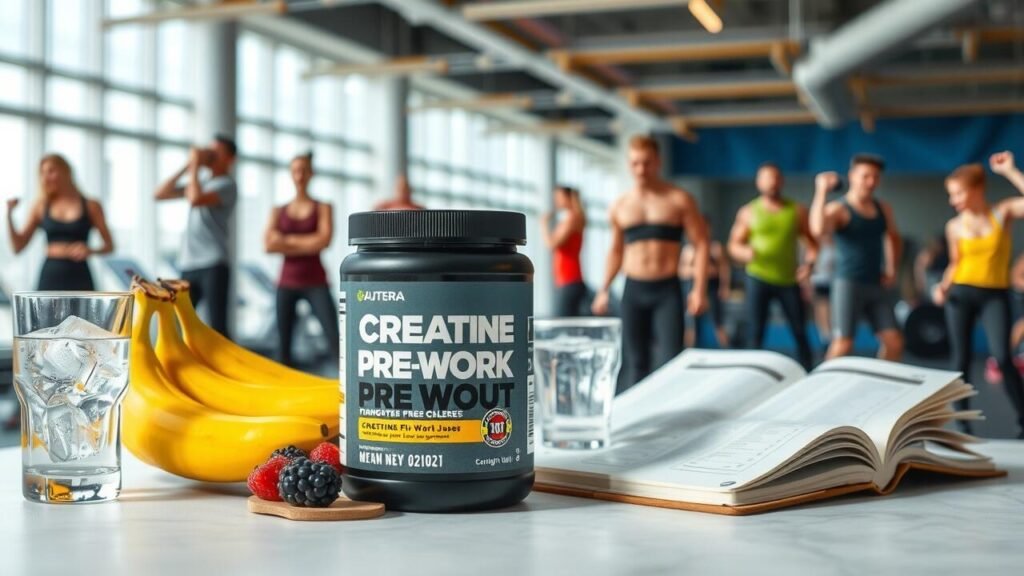
Natural Alternatives to Pre-Workout Supplements
For those looking to enhance their workout performance without resorting to supplements, natural alternatives can offer effective solutions. Foods such as bananas, oats, and nuts provide essential carbohydrates and healthy fats, fueling the body with sustained energy. These options also deliver necessary vitamins and minerals that contribute positively to overall health.
Another excellent choice comes from beverages like green tea and beetroot juice. Green tea contains a moderate amount of caffeine, which can boost energy levels and increase alertness. Beetroot juice, rich in nitrates, has been shown to improve blood flow and endurance during exercise. Incorporating these natural foods and drinks into your routine can serve as a beneficial pre-workout strategy.
Exploring Whole Food Options
Whole food options can serve as effective alternatives to commercial pre-workout supplements. Foods rich in carbohydrates and healthy fats provide the necessary energy boost before exercising. Bananas, oats, and sweet potatoes are excellent sources of carbohydrates that can fuel workouts. Incorporating nuts and seeds offers healthy fats that promote sustained energy without the crash often associated with sugary pre-workouts.
Protein sources are also crucial for enhancing performance. Greek yogurt or cottage cheese can provide the necessary amino acids to support muscle recovery and growth. Combining these foods into a balanced meal or snack 30 to 60 minutes before your workout can optimize energy levels. Choosing whole foods not only nourishes the body but also avoids the potential side effects linked to artificial ingredients and stimulants found in many pre-workout supplements.
Professional Recommendations on Pre-Workout Use
When considering pre-workout supplements, it’s essential to consult with medical professionals or registered dietitians. Their insights can provide tailored nutrition advice based on individual health profiles and fitness goals. This consultation is particularly important for those with underlying health conditions or those taking medications, as certain ingredients can interact negatively. Experts often emphasize the significance of understanding the potential side effects that come with various pre-workout products, including jitters or gastrointestinal distress.
Additionally, trainers often highlight the importance of timing when using pre-workout supplements. Consuming these products too close to the workout can lead to digestive discomfort or reduced performance. Ideally, they should be taken about 30 minutes before exercising for optimal energy levels and effectiveness. It’s also recommended to start with lower doses to assess tolerance before increasing intake. This cautious approach allows users to maximize benefits while minimizing potential adverse effects.
Insights from Nutritionists and Trainers
Nutritionists emphasize the importance of understanding individual energy needs before considering pre-workout supplements. They recommend assessing your diet to ensure it provides sufficient macronutrients and micronutrients to support overall performance. Whole foods, such as fruits, vegetables, whole grains, and lean proteins, can deliver the necessary energy levels without the additives often found in commercial supplements. By focusing on a balanced diet, athletes and fitness enthusiasts may find they can achieve their goals without relying on additional products.
Trainers often advise taking a holistic approach to fitness that includes not just physical training, but also nutrition and recovery practices. Pre-workout supplements may not be suitable for everyone, and some individuals might experience side effects from the stimulants or additives present in these products. Instead, trainers may encourage strategies such as staying hydrated, consuming a small carbohydrate-rich snack, or timing workouts to match peak energy levels. This personalized strategy helps individuals maximize their workout potential while minimizing any risks associated with supplement usage.
Timing Your Pre-Workout Intake
The timing of pre-workout intake is essential for optimizing energy levels and performance. Consuming a pre-workout supplement approximately 30 to 60 minutes prior to exercise allows the body adequate time to absorb the ingredients effectively. This window ensures that stimulants, amino acids, and other supportive nutrients can reach peak levels in the bloodstream, providing the necessary boost during workouts.
Individual factors can influence the ideal timing. Different formulations may require varying durations for absorption. Additionally, personal tolerance to stimulants can affect how one should approach timing. It’s beneficial to experiment within this timeframe to discover the most effective regimen tailored to individual needs and responses.
Best Practices for Maximum Effectiveness
Timing of your pre-workout intake can significantly influence your performance. Consuming your pre-workout supplement approximately 30 to 45 minutes before exercise allows your body enough time to digest and absorb the ingredients. This optimal window ensures that your energy levels rise just as your workout begins, promoting better endurance and intensity throughout your session.
Hydration also plays a crucial role in maximizing the benefits of pre-workout supplements. Ensuring you are well-hydrated before and during your workout can enhance the effectiveness of the ingredients. Dehydration can lead to fatigue and diminished performance, counteracting the potential gains from your pre-workout choice. Therefore, pairing your supplement with adequate fluid intake will help in achieving the best possible workout results.
FAQS
What are pre-workout supplements?
Pre-workout supplements are products designed to boost energy, enhance performance, and improve focus during workouts. They typically contain a combination of ingredients such as caffeine, amino acids, and vitamins.
Are there natural alternatives to pre-workout supplements?
Yes, there are several natural alternatives to pre-workout supplements, including whole foods like bananas, oatmeal, and smoothies that provide energy and nutrients without the additives found in commercial products.
What do nutritionists and trainers say about pre-workout supplements?
Many nutritionists and trainers recommend assessing individual needs and goals before using pre-workout supplements. They often suggest focusing on a well-balanced diet and considering natural options first.
When is the best time to take pre-workout supplements?
The optimal time to take pre-workout supplements is typically 20 to 30 minutes before your workout. This timing allows your body to absorb the ingredients and maximize their effectiveness during exercise.
Are there any side effects associated with pre-workout supplements?
Yes, some common side effects of pre-workout supplements can include jitters, increased heart rate, digestive issues, and insomnia, especially if they contain high levels of caffeine or other stimulants. It’s important to start with a lower dose to assess tolerance.
Related Links
pre workout side effects
Is it okay to have preworkout everyday?
What are the side effects of pre-workout?
What are the side effects of pre-workout?