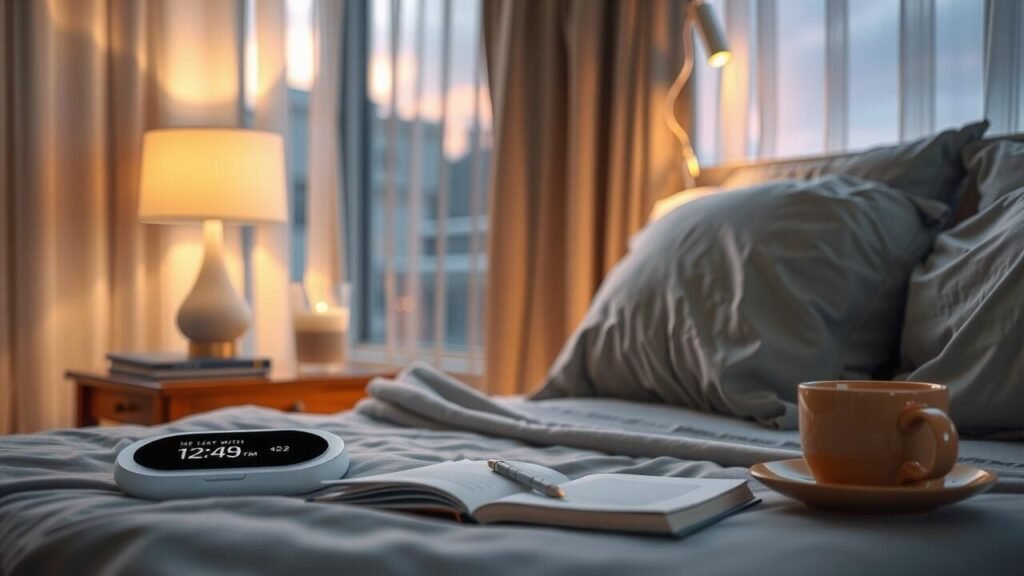
Potential Risks of Humidifiers
The use of humidifiers can sometimes lead to adverse effects if not managed properly. Excessive humidity can create an ideal environment for mold and dust mites to thrive, potentially exacerbating respiratory issues in sensitive individuals. In addition, a poorly maintained humidifier can disperse harmful bacteria and allergens into the air, posing risks to health, particularly for those with asthma or allergies.
Another concern is the risk of over-hydration in indoor environments. This can lead to uncomfortably damp conditions, which may cause a variety of problems including damaged walls, peeling paint, and other moisture-related issues. Furthermore, the noise produced by some humidifiers can disrupt sleep for those who are sensitive to sound, detracting from the overall peacefulness of the bedroom environment. Proper use and regular maintenance are essential to minimizing these risks.
Bacterial Growth Concerns
The use of a humidifier can introduce risks related to bacterial contamination. Standing water inside the reservoir creates an ideal environment for bacteria to thrive. When the humidifier releases mist into the air, it may disperse these microorganisms, which can lead to respiratory issues, particularly in sensitive individuals.
Regular maintenance is crucial to mitigate these risks. Cleaning the humidifier as recommended by the manufacturer helps to minimize bacterial growth. Using distilled or demineralized water can also reduce the mineral buildup that supports bacterial life, enhancing the overall air quality in your bedroom.
Choosing the Right Humidifier
The selection of a humidifier should consider various factors, including room size and humidity needs. Different types of humidifiers serve unique purposes, such as evaporative, ultrasonic, and steam vaporizers. Evaporative humidifiers naturally add moisture to the air through a wick system, beneficial for larger areas. Ultrasonic models utilize high-frequency vibrations to produce a cool mist, making them quieter and often easier to maintain.
Another critical aspect is the humidifier’s capacity to manage humidity levels effectively. A model with a built-in hygrometer can help monitor moisture levels, ensuring they stay within a healthy range. Noise level can also influence your choice, especially in a bedroom setting. If you prefer a more peaceful environment for sleeping, opt for models designed for quieter operation.
Types of Humidifiers Available
Several types of humidifiers cater to different needs and preferences. Evaporative humidifiers utilize a fan to blow air through a wet wick, pad, or filter, which helps to evaporate water and increase humidity levels. Ultrasonic humidifiers use high-frequency sound vibrations to create a fine mist. This type tends to be quieter and energy-efficient, making it a popular choice for bedrooms.
Steam vaporizers heat water to create steam, which cools before being released into the air, providing warm humidity. Impeller humidifiers use a rotating disk to fling water into the air. Each type has its advantages, so factors like room size, desired humidity level, and maintenance requirements often influence the choice of humidifier.
Maintenance and Care
Regular maintenance of a humidifier is essential to ensure it operates efficiently and safely. Neglecting this aspect can lead to the accumulation of mold and bacteria. This buildup can be harmful, especially in a space where one sleeps. It’s important to check water levels frequently and refill with fresh water as needed. Stagnant water can be a breeding ground for harmful microorganisms that may eventually be dispersed into the air.
Cleaning the humidifier is a critical part of its upkeep. Manufacturers often recommend cleaning it at least once a week. Disassembling the unit and washing all removable parts in warm, soapy water helps eliminate buildup, while vinegar can be used to tackle mineral deposits. Failing to clean it regularly can not only affect air quality but may also lead to a malfunctioning device. Proper care not only prolongs the life of the humidifier but also ensures that the air remains healthy and comfortable.
Cleaning Your Humidifier
Regular cleaning of a humidifier is essential to ensure its efficiency and to prevent the growth of mold and bacteria. Over time, water minerals can accumulate, creating an environment conducive to microbial growth. Ideally, the humidifier should be emptied and cleaned daily when it is in use. This can be achieved by washing the water reservoir and other components with a mild detergent and warm water to remove any debris or buildup.
Deep cleaning is important on a weekly basis. For this process, a solution of white vinegar or hydrogen peroxide can be used to disinfect and break down stubborn deposits. After applying the cleaning solution, let it sit for at least 30 minutes before rinsing thoroughly with clean water. Always make sure to dry the components before storing the humidifier to ensure no moisture remains, which could lead to further contamination.
FAQS
What are the benefits of using a humidifier while sleeping?
Using a humidifier while sleeping can help alleviate dry skin, reduce symptoms of allergies and asthma, and improve overall comfort by maintaining optimal humidity levels in the bedroom.
Can using a humidifier lead to mold growth?
Yes, if not maintained properly, humidifiers can promote mold growth in the device and in the surrounding area. It’s essential to clean your humidifier regularly to prevent this risk.
How often should I clean my humidifier?
Ideally, you should clean your humidifier every three days during use. A thorough cleaning is recommended at least once a week to ensure it operates safely and effectively.
What type of humidifier is best for a bedroom?
The best type of humidifier for a bedroom often depends on individual needs, but ultrasonic and evaporative humidifiers are popular choices due to their quiet operation and effectiveness in adding moisture to the air.
Is it safe to sleep with a humidifier on all night?
Yes, it is generally safe to sleep with a humidifier on all night as long as it is maintained properly and the humidity level is kept within a comfortable range (30-50%).
Related Links
best humidifier for bedroom sleep
What is the best humidifier for COPD patients?
What type of humidifier is best for sleep?