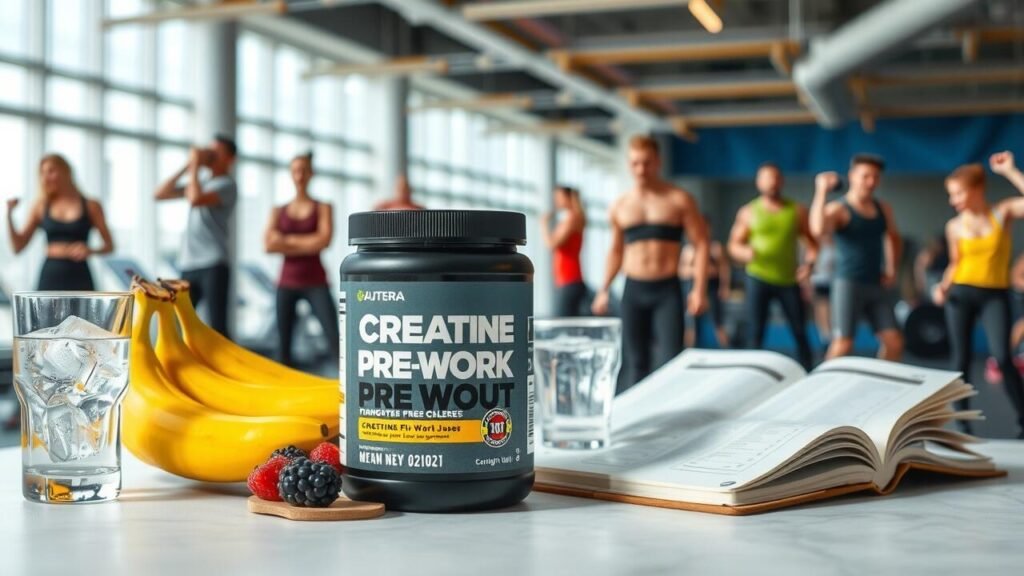
Eating Before Taking Pre-Workout
Consuming a small meal or snack before taking pre-workout can help mitigate digestive discomfort. It is essential to choose easily digestible foods that won’t sit heavily in the stomach. Options such as a banana or a slice of toast with nut butter provide quick energy without overwhelming the digestive system. Timing is also important; aim to eat around 30 to 60 minutes prior to your workout. This allows your body some time to process the food while ensuring you have the necessary fuel for your exercise.
Paying attention to portion sizes is crucial. Eating too much before a workout can lead to feelings of fullness and may increase the likelihood of stomach cramps. A light snack that combines carbohydrates and a small amount of protein is often ideal. This combination offers sustained energy without the heaviness, ensuring that you can focus on your performance rather than any discomfort.
Best Snacks to Minimize Stomach Issues
Choosing the right snacks before taking pre-workout supplements can significantly reduce stomach discomfort. Opt for light, easily digestible foods such as bananas, which provide natural sugars and potassium. Greek yogurt is another excellent option, offering protein and probiotics that aid digestion. Whole grain toast with a thin layer of nut butter can also be beneficial, as it combines healthy fats and carbohydrates for sustained energy without overwhelming the stomach.
Incorporating small portions of these snacks helps maintain a balance between energy levels and digestive comfort. Staying hydrated is equally important, so consider drinking water alongside your snack to ensure proper digestion. Avoid heavy or greasy foods, as these can lead to bloating and discomfort during your workout. By carefully selecting your pre-workout snacks, you can enhance your performance while minimizing the risk of gastrointestinal issues.
Monitoring Caffeine Intake
Caffeine is a common ingredient in many pre-workout supplements, known for its ability to enhance energy and focus. However, excessive caffeine consumption can lead to gastrointestinal discomfort. It may cause symptoms such as jitteriness, acid reflux, or an upset stomach, particularly when taken on an empty stomach. Finding the right dosage is essential for maximizing benefits while minimizing side effects.
Understanding personal tolerance to caffeine is crucial. Some individuals may experience adverse effects even with moderate amounts, while others can handle higher doses without issue. Monitoring how your body reacts during workouts can guide you in adjusting your intake. Keeping a balanced approach allows you to enjoy the energizing effects of pre-workout without the discomfort of an upset stomach.
Safe Limits for Enhanced Performance
Caffeine can significantly enhance performance during workouts, but moderation is essential to avoid gastrointestinal discomfort. The typical dose ranges from 3 to 6 milligrams per kilogram of body weight. Individual tolerance levels vary, so it’s crucial to start with a lower dose to assess how your body reacts before gradually increasing the intake.
Exceeding recommended limits may lead to side effects such as nausea, jitteriness, or an upset stomach. Listening to your body can help you find the right amount. Establishing a routine and monitoring your reactions after different doses will provide valuable insight into what works best for you, ensuring you maximize the benefits of your pre-workout without compromising comfort.
Avoiding Artificial Additives
Artificial additives often found in pre-workout supplements can significantly impact digestion and overall gut health. Ingredients such as artificial sweeteners, colors, and preservatives may lead to gastrointestinal discomfort. Many individuals experience bloating, gas, or cramps after consuming products laden with these substances. Choosing pre-workouts with minimal or no artificial components can alleviate these symptoms and provide a more pleasant experience.
Natural alternatives tend to be kinder to the digestive system. Whole food-based ingredients not only enhance performance but also support better gut function. When selecting a pre-workout, it’s beneficial to check the label for a clean ingredient list. This often signals a product that prioritizes health and well-being alongside performance.
Impact of Sweeteners and Fillers on Digestion
Sweeteners and fillers often found in pre-workout supplements can lead to digestive discomfort for some individuals. Artificial sweeteners like sucralose and aspartame may not be easily broken down by the body. This can result in bloating, gas, and other gastrointestinal issues, particularly for those who are sensitive to these additives. The type of filler used can also play a role, as many are designed to enhance texture or taste but may lack the nutritional integrity that promotes a healthy gut.
In addition to the potential digestive woes, the presence of these ingredients can affect the overall quality of a pre-workout formula. Some fillers may interfere with nutrient absorption, while sweeteners can lead to spikes in blood sugar levels, which might impact energy during workouts. It is crucial for individuals to read ingredient labels carefully and consider how different components might affect their digestive system. Opting for products with natural sweeteners or fewer additives can help alleviate discomfort and support a more effective workout regimen.
FAQS
What should I eat before taking pre-workout to minimize stomach issues?
It’s best to opt for easily digestible snacks like bananas, yogurt, or a small portion of oatmeal. These foods can help prepare your stomach for the pre-workout supplement without causing discomfort.
How can I determine the right amount of caffeine for my pre-workout?
Monitoring your individual tolerance is key. For most people, staying within 200-400 mg of caffeine per day is safe and effective for enhancing performance without overwhelming your stomach.
Are there specific types of sweeteners I should avoid in pre-workout supplements?
Yes, artificial sweeteners like aspartame and sucralose can cause digestive discomfort for some individuals. Opting for natural sweeteners or those labeled as stomach-friendly can help minimize issues.
How can I know if a pre-workout contains artificial additives?
Always check the ingredient list on the label. Look for terms like “artificial flavors,” “colors,” or specific synthetic ingredients which could indicate the presence of additives that might upset your stomach.
Is it better to take pre-workout on an empty stomach?
Taking pre-workout on an empty stomach can lead to stomach issues for some individuals. It’s often recommended to have a light snack beforehand to buffer potential discomfort and improve absorption.
Related Links
best pre workout for sensitive stomach
Can pre-workout upset your stomach?
Which pre-workout doesn’t cause diarrhea?