Key Takeaways
- Selecting a sleep aid requires comprehension of sleep enhancers.
- Important aspects to evaluate when picking a sleep aid.
- Herbal sleep enhancers and their benefits.
- Recommendations for dosage and application of sleep aids.
- Possible adverse reactions and interactions with other substances.
- Seeking advice from medical experts is crucial.
How To Choose A Sleep Supplement | Understanding Sleep Supplements
Selecting the right sleep supplement involves understanding various factors that can influence sleep quality and efficiency. This includes knowledge about different types of sleep aids, such as herbal sleep aids and behavioral sleep medicine. Understanding how to choose a sleep supplement requires evaluating the specific desired effects, whether for sleep maintenance or improving sleep regulation. Ingredients play a crucial role, as certain herbal sleep aids might be more effective for individuals based on their unique sleep cycles. Supplementation should be tailored to personal needs, ensuring one selects a sleep medicine that aligns with their overall health and lifestyle.
- Understand the active ingredients and their effects on sleep quality.
- Consider any potential side effects or interactions with other medications.
- Evaluate the timing of the supplement for optimal effectiveness.
- Research the reputation and reviews of the supplement brand.
- Consult with a healthcare professional before starting any new sleep aid.
- Determine if the supplement is suitable for long-term use or only for occasional use.
- Track your sleep patterns and how they change with the supplement to assess its efficacy.
how to choose a sleep supplement | What Are Sleep Supplements?
Sleep supplements are dietary aids designed to promote restful sleep and combat sleep disorders. These supplements can address various sleep problems, such as insomnia and sleep latency, making them potential solutions for those facing sleep deprivation. The American Academy of Sleep Medicine emphasizes the importance of combining sleep aids with proper sleep hygiene practices to achieve optimal results. Understanding how to choose a sleep supplement involves evaluating the specific ingredients and their impact on sleepiness, ensuring that the chosen product aligns with individual sleep needs.
Factors to consider when exploring sleep supplements include their formulation and the effectiveness backed by research. The Office of Dietary Supplements provides guidelines on the safety and efficacy of various dietary supplements. Potential users should be aware of how different ingredients may affect sleep quality. By researching reputable brands and consulting healthcare professionals, individuals can make informed decisions on how to choose a sleep supplement. This informed approach fosters better sleep health and can alleviate persistent sleep issues.
Types of Sleep Supplements Available
Understanding the various options for sleep supplements is crucial in how to choose a sleep supplement that meets individual needs. These supplements can target different aspects of sleep, such as improving sleep onset, enhancing deeper sleep, or stabilizing sleep patterns. For those suffering from sleeplessness or a specific sleep disorder, certain ingredients may be more beneficial. The National Sleep Foundation emphasizes that maintaining normal sleep patterns is essential for overall health.
Several types of sleep supplements are available, ranging from melatonin to herbal blends like valerian root. Melatonin works by regulating the sleep-wake cycle, making it particularly useful for those experiencing sleep disruption. Herbal supplements may help reduce daytime sleepiness and promote relaxation. Understanding the unique properties of each option will aid in how to choose a sleep supplement that effectively addresses individual sleep challenges.
Factors to Consider When Choosing a Sleep Supplement
Choosing the right sleep supplement can significantly impact your ability to achieve restful sleep, especially if you experience sleep difficulties or disruptions. To effectively determine how to choose a sleep supplement, consider your specific needs, such as whether you struggle with sleep-onset issues or conditions like non-24-hour sleep-wake disorder. The Pittsburgh Sleep Quality Index can serve as a valuable tool for assessing your sleep quality. Natural options, including herbal supplements and melatonin supplements, may help to regulate your sleep-wake cycles. Understanding the desired effects and benefits of various supplements is crucial for addressing individual sleep disturbances and promoting better sleeping patterns.
| Supplement Type | Key Ingredient | Benefits | Recommended Dosage |
|---|---|---|---|
| Herbal | Valerian Root | Promotes relaxation and reduces the time it takes to fall asleep | 300-600 mg, 30 minutes before bedtime |
| Melatonin | Melatonin | Helps regulate sleep-wake cycles and can improve sleep onset | 0.5-5 mg, 30-60 minutes before bedtime |
| Amino Acid | L-tryptophan | Increases serotonin levels which can enhance sleep quality | 500-1000 mg, 30 minutes before bedtime |
| Mineral | Magnesium | Supports relaxation and may help with sleep quality | 200-400 mg, taken at night |
Desired Effects and Benefits
Choosing a sleep supplement involves understanding the specific desired effects and benefits one seeks. Sleep supplements, whether they are herbal sleep supplements or vitamin D supplements, can help enhance sleep quality. Many people look for sleep-supporting nutrients that promote relaxation and improve sleep duration. There is a wide selection of over-the-counter sleep supplements available, each with varying effectiveness. Knowing how to choose a sleep supplement that aligns with individual needs is crucial for optimal rest.
The effectiveness of a sleep supplement largely depends on its ingredients and how they interact with the body. Common ingredients support sleep include melatonin, valerian root, and L-theanine, which promote relaxation and help reduce anxiety. Proper sleep supplement absorption is essential for maximizing benefits. Understanding how these ingredients work can guide users in selecting the right supplement to complement naps or nighttime rest. Evaluating the desired effects can lead to informed decisions in the pursuit of better sleep.
Ingredients and Their Effects
Understanding the ingredients in sleep supplements is crucial for optimizing sleep health. Various natural sleep remedies, like melatonin and valerian root, are popular due to their potential to support sleep without the side effects often associated with conventional sleep medications. Knowing how to choose a sleep supplement involves looking for ingredients that promote quality sleep while aligning with personal health needs. Each ingredient has unique properties that can enhance sleep benefits, making it essential to evaluate their effectiveness in relation to your specific requirements.
Many sleep medications may cause unwanted side effects, which is why opting for a natural sleep aid is increasingly favored. Ingredients like magnesium and chamomile have shown promise in improving sleep quality and providing sleep support for those seeking a gentler approach. Gathering sleep advice on the proper use and potential interactions of these natural sleep remedies can empower individuals to make informed decisions. This insight can help ensure that the chosen supplement enhances sleep health and fits seamlessly into an individual’s overall wellness strategy.
Natural Sleep Supplements
Exploring options for sleep supplements can significantly enhance sleep quality outcomes, especially for those grappling with sleep challenges. Understanding how to choose a sleep supplement involves examining the ingredients and their potential benefits in conjunction with good sleep habits. Natural sleep aids often offer a gentler alternative compared to prescription sleep aids, supporting sleep improvements without the risk of dependency. Quality impacts sleep health and an optimal sleep environment plays a crucial role in maximizing the benefits of these supplements. Engaging with sleep health professionals can provide insights into how to choose a sleep supplement that aligns with individual sleep habits and addresses specific concerns related to poor quality sleep.
- Consider melatonin for regulating sleep-wake cycles.
- Look for valerian root to help promote relaxation and decrease sleep latency.
- Explore chamomile, which can assist in reducing anxiety and improving sleep quality.
- Try magnesium supplements that may support overall relaxation and enhance sleep.
- Evaluate L-theanine for its potential calming effects, beneficial for anxiety-related sleep issues.
- Be mindful of proper dosage and consult a healthcare provider before starting any new supplement.
- Pair supplements with good sleep hygiene practices, like maintaining a consistent sleep schedule.
Popular Options for Natural Sleep Aids
Herbal options such as valerian root and passionflower are popular for their sleep-promoting properties. These natural supplements target sleep pathways in the brain, enhancing the body’s own sleep mechanisms. For those seeking improvement in sleep outcomes, these aids may be effective for managing sleep maintenance insomnia and reducing sleep dysfunction. Understanding how to choose a sleep supplement that contains these ingredients can significantly influence the supplement effectiveness and overall sleep quality.
Melatonin is another well-known natural sleep aid that supports sleep promotion. This hormone helps regulate circadian rhythms, making it a popular choice for individuals struggling with shifts in their sleep schedule. Knowing how to choose a sleep supplement that aligns with individual needs and preferences can lead to better sleep experiences. Other options like magnesium and L-theanine also play a role in relaxation and sleep enhancement, further contributing to effective supplementation for a restful night.
How to Evaluate the Quality of Natural Sleep Supplements
Evaluating the quality of natural sleep supplements requires a thorough understanding of their sleep-promoting properties and their effectiveness in alleviating sleep issues. A sleep specialist may recommend looking for ingredients that have been clinically proven to enhance sleep quality scores. Understanding how to choose a sleep supplement involves checking for transparency regarding sourcing and manufacturing practices. Users should also consider conducting a sleep prioritization survey to better understand their needs and how a new supplement may fit into their routine.
Another critical factor is monitoring any potential sleepiness side-effect that may arise from the use of these daily supplements. Individuals experiencing sleep-maintenance insomnia should pay attention to how sleep occurs during different phases of their nightly rest. Reading reviews and researching the experiences of others can provide insight into a particular natural sleep aid’s effectiveness. Consulting with healthcare professionals can further enhance one’s ability to make well-informed choices on how to choose a sleep supplement.
Dosage and Usage Guidelines
Understanding the correct dosage and usage guidelines is crucial for anyone looking to address sleep-related issues effectively. Knowing how to choose a sleep supplement can make a significant difference in achieving optimal results. For example, natural supplements such as melatonin may serve as a sleep-aid staple, promoting the sleep-regulating hormone necessary for transitioning through sleep phases. Practicing good sleep hygiene alongside taking effective supplements can enhance subjective sleep quality, ensuring you sleep regardless of the challenges faced. Engaging with the sleep care community provides insights into appropriate doses and timing for relaxation supplements, tailoring strategies that suit individual needs and preferences.
Recommended Dosage for Sleep Supplements
Determining the right dosage of sleep supplements is crucial for achieving optimal sleep outcomes. Understanding how to choose a sleep supplement involves not only considering the type of supplement but also adhering to the recommended dosage. For instance, common supplements like melatonin often suggest starting with a low dose, gradually increasing as needed to address sleep troubles like sleep onset insomnia. Fast-acting supplements may require different dosing strategies compared to those designed for longer-term use.
Individual responses to sleep supplements can vary greatly, making it essential to monitor effects carefully. Sleep myths can lead to misconceptions about how much is necessary for efficacy. Engaging with healthcare professionals can help determine the appropriate dosage based on personal health conditions. Maintaining a consistent sleep time and understanding the supplement benefits can also play a role in enhancing the overall effectiveness of different supplements.
Timing and Administration Tips
Establishing a regular sleep schedule can significantly enhance the effectiveness of sleep supplements. It’s important to understand how to choose a sleep supplement based on your specific sleep complaints, such as sleep-onset insomnia or difficulty maintaining sleep. For those exploring new supplements, timing the administration is crucial. Taking the right supplements about 30 to 60 minutes before bedtime can help optimize their effects. For example, many over-the-counter supplements, including melatonin-free sleep aids, work best when your body is already prepared for rest.
Natural supplements can also play a vital role in addressing sleep struggles. Choosing a vegetable supplement that reduces anxiety or promotes relaxation can be beneficial. Proper timing, in conjunction with a consistent sleep routine, may shorten sleep onset time and improve overall sleep quality. Always consider how to choose a sleep supplement that fits your needs and lifestyle to maximize benefits.
| Sleep Supplement | Type | Recommended Timing | Benefits |
|---|---|---|---|
| Melatonin | Hormonal | 30-60 minutes before bedtime | Helps regulate sleep-wake cycles |
| Valerian Root | Herbal | 30-60 minutes before bedtime | Reduces anxiety and promotes relaxation |
| Magnesium | Mineral | 1 hour before bedtime | Improves sleep quality and reduces insomnia symptoms |
| L-Theanine | Amino Acid | 30-60 minutes before bedtime | Promotes relaxation and reduces stress |
| Passionflower | Herbal | 30-60 minutes before bedtime | Helps with sleep onset and quality |
Potential Side Effects and Interactions
Understanding side effects and potential interactions is crucial for anyone considering how to choose a sleep supplement. Supplements can vary widely, with single supplements like standard melatonin supplements and magnesium supplements being popular choices. Evidence-based supplements often have documented effects on improving restless sleep and regulating sleep-wake schedules. L-theanine supplementation may promote relaxation, making it a preferred option for some. However, not all supplement groups are free from side effects; natural melatonin supplements, while generally regarded as safe, can still cause drowsiness or other reactions in sensitive individuals. Awareness of these factors ensures a more informed decision, allowing users to select the right supplement for their needs.
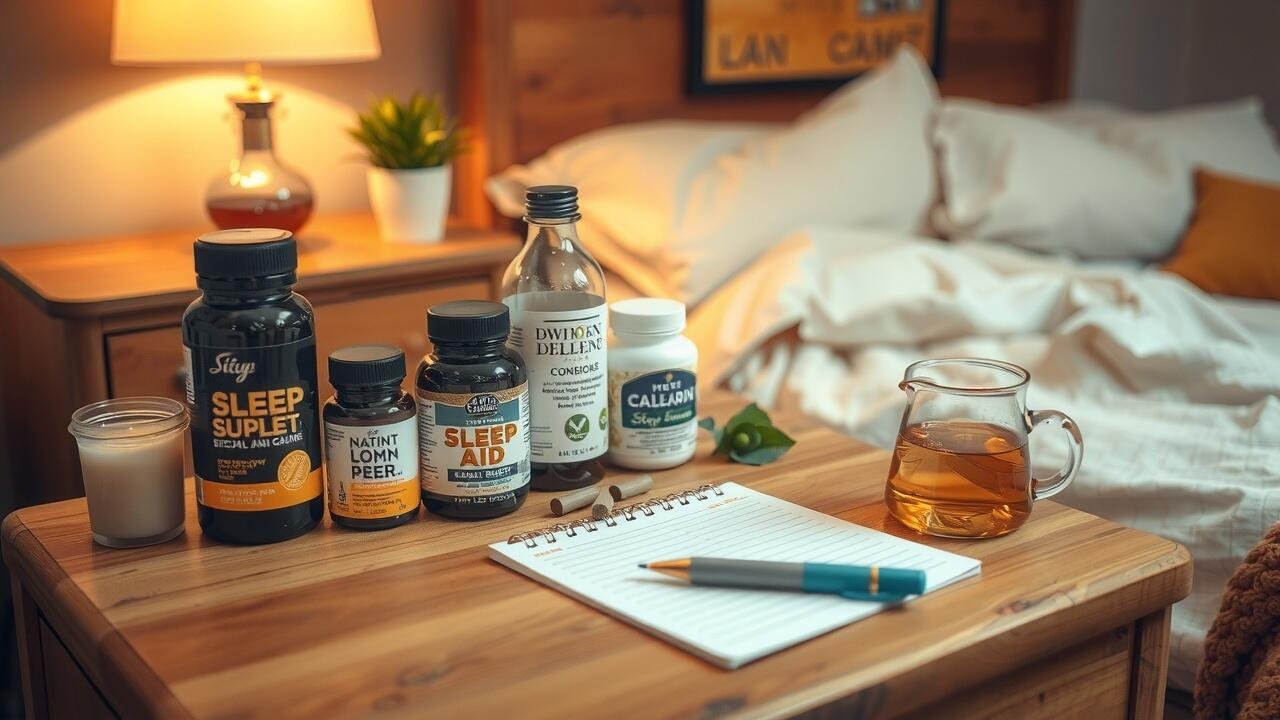
Common Side Effects of Sleep Supplements
Sleep supplements can lead to various side effects, particularly if not chosen carefully. For individuals considering how to choose a sleep supplement, understanding potential reactions is essential. Commonly reported side effects include drowsiness during the day, especially when using l-theanine supplements or glycine supplements. These effects may interfere with daily activities, causing difficulty in maintaining focus, particularly in those already experiencing caffeine-induced wakefulness. Individuals must also be cautious with dietary intake, ensuring that any supplements align with their overall vitamin protocols.
Oral magnesium supplementation is known for its calming effects, yet some users may experience digestive discomfort or diarrhea. While magnesium supplementation can benefit sleep disorders, excessive doses can exacerbate these side effects. It’s also important to consider the metabolic impacts of various supplements on overall health. Consulting an alternative medicine review can provide insights into possible interactions with medications, ensuring a safer approach to incorporating sleep supplements into one’s routine. Awareness of daytime naps and how they interact with supplement intake can further influence sleep quality.
Drug Interactions to Be Aware Of
Understanding potential drug interactions is crucial for anyone considering how to choose a sleep supplement. GABA supplements and supplemental melatonin can be effective in helping individuals fall asleep faster, but they may interact adversely with certain medications. For instance, those on anti-anxiety or antidepressant medications should consult their healthcare provider, especially when considering adding a small dose of gaba supplementation or testing zinc supplements to their routine. Awareness of how these supplements may influence the efficacy of prescribed medications can help ensure restorative rest.
Taking appropriate doses of sleep supplements is vital for safety and effectiveness. A daily dose that aligns with the body’s needs can promote better sleep cycles. However, combining oxide supplementation with other medications without guidance can lead to unintended consequences. Individuals experiencing physiological fatigue must be cautious and informed about the potential interactions to avoid exacerbating their condition. Always seek professional advice when integrating different supplements to safeguard your health.
Consulting Healthcare Professionals
Consulting with healthcare professionals is crucial in determining how to choose a sleep supplement tailored to individual needs. They can provide insights on the appropriate dosages, including suggestions for a low dose to start, helping to minimize the risk of side effects. Healthcare providers can also assess metabolic status, guiding individuals on the most effective intake methods. With knowledge of calming effects and various options like clinically-effective serotonin and adaptogenic herbs, they can recommend supplements that support optimal rest. It’s essential to discuss lifestyle factors, such as avoiding caffeine and including healthy lifestyle activities, as these play a significant role in sleep quality and overall well-being.

Conclusion
Selecting the right sleep supplement requires careful consideration of several factors to effectively address specific issues such as menopausal insomnia and stress-induced insomnia. Understanding how to choose a sleep supplement involves assessing desired effects, ingredient profiles, and dosage instructions. For instance, a high dose of mg-l-theanine improves relaxation, while beetroot juice supplementation may offer unexpected benefits. Typical dose ranges for various supplements vary, often requiring careful attention to avoid excessive amounts. Common doses, such as 6, 7, and 10 mg, provide a framework for effective usage, particularly when dealing with nocturnal leg cramping. This thorough approach to understanding sleep supplements can significantly enhance the quality of rest and overall well-being.
FAQS
What are sleep supplements?
Sleep supplements are products designed to help improve sleep quality or aid in falling asleep. They can include natural ingredients, herbal extracts, or synthetic compounds that promote relaxation and reduce insomnia.
How do I know which sleep supplement is right for me?
Choosing the right sleep supplement depends on various factors including your specific sleep issues, personal health conditions, desired effects, and preferences for natural versus synthetic ingredients. It may be helpful to consult a healthcare professional for personalized recommendations.
Are natural sleep supplements safer than synthetic ones?
Natural sleep supplements are often perceived as safer due to their plant-based ingredients, but they can still have side effects and interactions with other medications. It’s essential to research the ingredients and consult with a healthcare provider before starting any supplement.
What are some common ingredients found in sleep supplements?
Common ingredients in sleep supplements include melatonin, valerian root, chamomile, magnesium, and L-theanine. Each of these ingredients has different effects on the body and may help with various sleep-related issues.
Can sleep supplements cause side effects?
Yes, sleep supplements can cause side effects, which may include drowsiness, dizziness, headache, or gastrointestinal issues. It’s important to read labels and be aware of potential side effects and interactions with other medications.
What factors should I consider when selecting a sleep supplement to improve my sleep quality and alleviate sleep disorders?
When choosing a sleep supplement, you should consider its potential for enhancing sleep efficiency and whether it can address specific issues like stress-induced insomnia or common sleep wake disorders, such as non-24-hour sleep wake disorder. Additionally, evaluate the effectiveness of the sleep supplement by examining subjective sleep quality reports and sleep outcomes reported in studies. It may also be helpful to look into natural sleep remedies, like melatonin supplementation, and avoid high doses of any sleep medication to minimize possible sleep disruptions. Lastly, ensure the sleep offers a safe profile that complements your overall health and well-being.
What are the most effective natural sleep remedies available to improve sleep quality and complement other sleep aids?
When exploring options for natural sleep remedies, you should consider how these supplements align with your goal of enhancing sleep quality and alleviating sleep disorders. Many supplements can promote better sleep outcomes, such as magnesium and valerian root. It’s important to assess the effectiveness of these sleep aids and determine if they meet your needs for enough sleep. Additionally, avoiding caffeine and managing stress-induced insomnia can further improve subjective sleep quality. Always consult with a healthcare professional regarding the use of any sleep medication and their potential impacts on your sleep.
How can I determine the sleep supplement effectiveness for my specific sleep needs?
To assess the sleep supplement effectiveness, consider factors such as your sleep disorders, any existing medications, and the potential for natural sleep remedies to alleviate sleep disorders. It’s important to evaluate how these supplements work to improve your sleep quality and to avoid substances like caffeine that can negatively impact sleep outcomes. Look for sleep aids that promote sleep quality and consider how they may complement existing sleep medication use or other interventions for stress-induced insomnia.
How can I identify the best sleep supplement to enhance my subjective sleep quality and effectively address sleep disorders?
To identify the best sleep supplement that can enhance your subjective sleep quality, consider factors such as the sleep-promoting ingredients that complement natural sleep remedies. Research shows that certain sleep aids work effectively for sleep outcomes, while others, like a vegetable supplement, can reduce stress-induced insomnia. It’s essential to evaluate how these supplements might interact with your existing routine—like avoiding caffeine—ensure you are aware of the recommended doses, and look for research-backed information on how they affect sleep quality.
What should I look for in a sleep supplement that can work effectively to enhance both subjective sleep quality and overall sleep outcomes?
When choosing a sleep supplement, it’s important to consider its ingredients and their potential benefits for sleep disorders. Look for a natural sleep remedy that can complement other sleep aids, such as herbal extracts, magnesium, or even zinc supplements. The effectiveness of these supplements can vary, so it’s advisable to test different doses and monitor how they impact your sleep quality. Also, avoid caffeine and manage stress-induced insomnia, as these can hinder the sleep-promoting properties of supplements. By focusing on high-quality vegetable supplements and their effects on sleep, you can improve your overall sleep quality and help reduce sleep lies that often accompany sleep problems.
How can I evaluate different sleep supplements to ensure they improve my sleep quality and effectively tackle sleep disorders?
To evaluate different sleep supplements, consider their ingredients and formulation, as some supplements may target stress-induced insomnia or improve subjective sleep quality. Additionally, look for research on the sleep-promoting effects of these supplements, such as those containing zinc, which have been tested to reduce sleep disorders. It’s important to assess dosage and how these supplements may complement other sleep aids, leading to better overall sleep outcomes. Always consult with a healthcare professional before starting new supplements to ensure they align with your sleep needs.
What should I consider regarding sleep supplements that enhance sleep quality and address sleep disorders effectively?
When evaluating sleep supplements, it’s crucial to look at how these supplements work to promote sleep and improve subjective sleep quality. Many sleep aids can help reduce stress-induced insomnia and improve sleep outcomes. For example, some research suggests that vegetable supplements can reduce anxiety and enhance sleep effectiveness. It’s also advisable to test zinc supplements at varying doses, as they may complement your sleep routine. Remember to consider that not all supplements are equal; you should differentiate between those that offer lots of benefits versus those that do not.
How do I select a sleep supplement that aligns with my sleep quality impacts and enhances my subjective sleep quality?
When selecting a sleep supplement, it’s important to consider the sleep-promoting qualities of various supplements. Research has shown that certain vegetable supplements can reduce the impacts of stress-induced insomnia and improve overall sleep outcomes. Look for supplements that specifically mention their effectiveness in alleviating sleep disorders, and ensure you understand the recommended doses to achieve the best results. Additionally, consult with a professional in complementary medicine to find the right fit for your needs.
How can I choose a sleep supplement that can improve my sleep quality impacts and effectively tackle sleep disorders?
When selecting a sleep supplement, consider those that are known to be effective in enhancing subjective sleep quality and promoting overall sleep outcomes. Look for supplements that have been proven to reduce stress-induced insomnia and are backed by research on their effectiveness. Some vegetable supplements are specifically noted for their sleep-promoting properties, while it’s important to assess the appropriate doses to ensure the supplements can truly address your sleep quality issues.
How do stress-related issues influence the choice of sleep supplements to enhance sleep quality and manage sleep disorders?
When selecting sleep supplements, it’s crucial to consider how stress-induced insomnia affects sleep quality impacts. Certain supplements can work effectively to enhance subjective sleep quality by promoting relaxation, which in turn improves overall sleep outcomes. It’s important to explore various vegetable supplements that may reduce stress levels and aid in alleviating sleep disorders while ensuring you’re choosing doses suitable for your specific needs.