Key Takeaways
- Frequency guidelines for home teeth brightening and comprehension of at-home whitening methods.
- Suggested intervals for DIY teeth whitening and safety factors to consider during the process.
- Options beyond home whitening techniques and their implications.
How Often Can You Whiten Your Teeth At Home | Understanding Teeth Whitening at Home
Determining how often you can whiten your teeth at home is essential for achieving whiter teeth without compromising dental health. Many people turn to various teeth whitening methods, including whitening toothpastes and over-the-counter kits. However, factors such as tooth sensitivity and the specific products used can significantly influence safety and effectiveness. Frequent use of whitening products can lead to tooth sensitivity, especially for those with sensitive teeth. It is advisable to monitor how your teeth respond to whitening treatments and adjust the frequency accordingly. Understanding the recommended practices can help maintain the balance between achieving a bright smile and protecting your enamel.
how often can you whiten your teeth at home | Benefits of At-Home Whitening
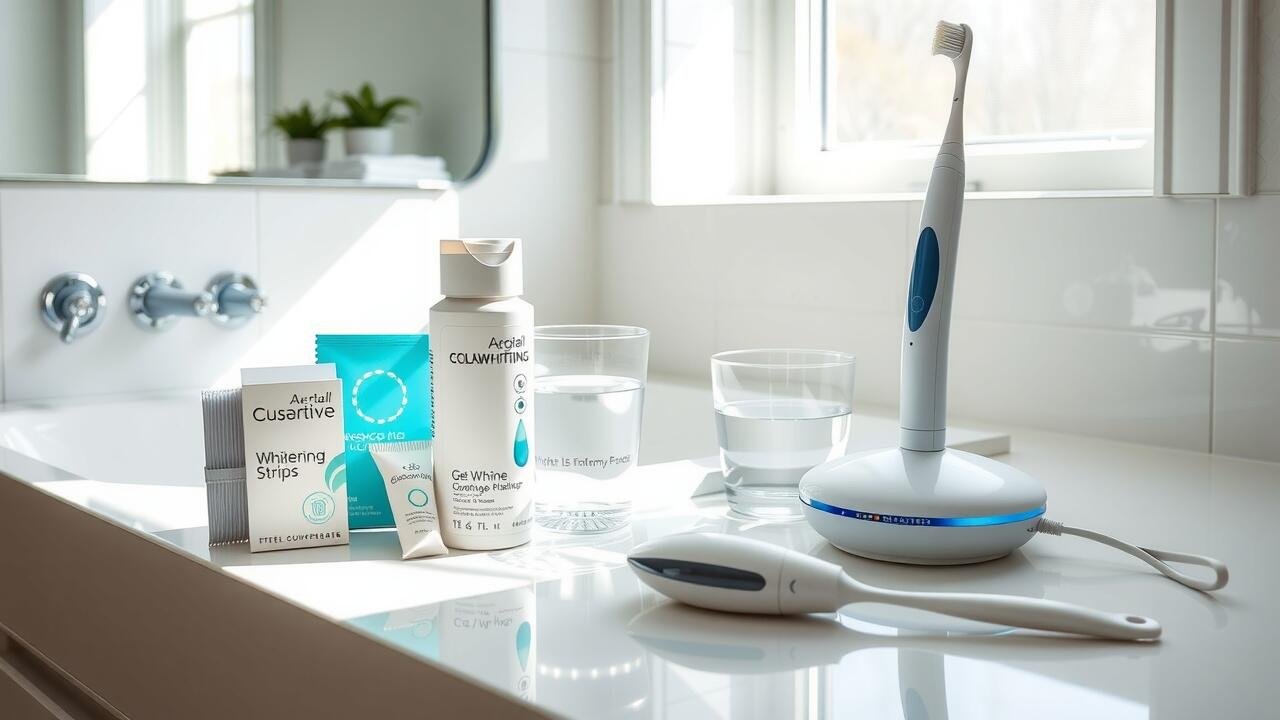
At-home whitening provides an accessible way to tackle tooth discoloration between dental visits. Many people are curious about how often they can whiten their teeth at home without compromising the integrity of their tooth enamel. By utilizing whitening toothpastes and specialized kits, individuals can achieve noticeable results while maintaining oral hygiene. The American Dental Association endorses some at-home whitening products, but it is essential to follow guidelines to avoid potential harm to your teeth and gums.
The benefits of at-home whitening extend beyond convenience. It allows individuals to customize their whitening routine based on personal preferences and needs. Usage of whitening strips or gel, alongside regular brushing with whitening toothpaste, can enhance the brightness of teeth effectively. Careful consideration of existing dental work is necessary to prevent any adverse effects on restorations. Knowing how often you can whiten your teeth at home can empower individuals to achieve a brighter smile while ensuring their oral health remains a priority.
Common Methods for Home Whitening
At-home teeth whitening methods vary in effectiveness and safety. Many individuals opt for whitening strips, gels, or kits available at local pharmacies. These products often include hydrogen peroxide or carbamide peroxide as active ingredients, which help break down stains on the enamel. While using these methods, it’s important to consider how often you can whiten your teeth at home to avoid damaging the dentin or enamel. Consulting with dentists can provide insight into effective options that align with your oral hygiene routine.
Another common option includes using whitening toothpaste, often enriched with mild abrasives. These pastes can help remove surface stains gradually while promoting overall dental health. For enhanced results, some choose to combine whitening toothpaste with an electric toothbrush, ensuring a thorough cleaning. Regular check-ups at dental clinics can complement these at-home treatments, allowing dental professionals to monitor your progress and recommend suitable cosmetic dental treatments if necessary.
Recommended Frequency for At-Home Teeth Whitening
Understanding how often you can whiten your teeth at home is crucial for maintaining both your dental aesthetics and oral health. Many individuals use whitening strips or gels that contain active ingredients designed to lighten teeth while being mindful of their enamel. Overusing these products can lead to sensitivity and potential damage to your gums, making it essential to consult with a dentist or dental professional to determine the best frequency tailored to your needs. Those with dentures or who have undergone recent dental surgery may have different considerations, further emphasizing the importance of personalized advice in the realm of at-home whitening. Balancing the desire for a bright smile with careful attention to your dental health is key to achieving optimal results.
| Product Type | Recommended Frequency | Usage Duration | Notes |
|---|---|---|---|
| Whitening Strips | 1-2 times a week | 30 minutes | Avoid excessive use to minimize sensitivity |
| Whitening Gel | Every other day | 15-30 minutes | Consult with a dentist if experiencing discomfort |
| Whitening Toothpaste | Daily | As part of regular brushing | Less abrasive; safe for long-term use |
| LED Whitening Kits | Once every month | 10-20 minutes | Can enhance results but monitor gum health |
Factors Influencing Frequency
The frequency of at-home teeth whitening largely depends on the sensitivity of your gums and teeth. Individuals with more sensitive gums may require longer intervals between treatments to minimize discomfort. Understanding how often can you whiten your teeth at home involves assessing the condition of your teeth and how they react to whitening products. If you notice any irritation, it might be wise to extend the time between treatments or consider alternatives like professional dental whitening.
Different whitening products can also influence how often you can achieve that teeth whiter goal. With options ranging from strips to take-home whitening kits, it’s important to follow the specific instructions provided. Regular monitoring of your teeth time after each session will guide your decision for the next teeth whitening. Consulting a dental professional can ensure you choose the right at-home whitening method that suits your needs while maintaining gum health.
Expert Recommendations on Usage
Experts typically suggest that individuals can safely whiten their teeth at home every ten to fourteen days of whitening every day. This schedule allows for maintenance teeth care without risking damage to natural teeth. For those with unhealthy teeth or specific dental concerns, customization is vital. Consulting with a dental professional before starting any whitening regimen can ensure the use of the appropriate products, including professional strength teeth whitening options when necessary.
The frequency of at-home whitening can also be influenced by personal habits. Teeth-darkening habits, such as consuming coffee or tobacco, might necessitate more frequent whitening sessions. Using gentle toothbrushes and safe whitening products helps protect the enamel while maximizing whitening effects. Understanding how often you can whiten your teeth at home is crucial for maintaining a bright smile without compromising the health of your teeth.
Safety Considerations for At-Home Whitening
Understanding the safety considerations for at-home teeth whitening is essential for achieving the desired results without compromising dental health. It is crucial to know how often you can whiten your teeth at home to avoid excessive whitening, which can lead to enamel erosion or increased tooth sensitivity. Incorporating a whitening routine with non-abrasive toothpaste can help maintain results while protecting your enamel. Dental authorities recommend assessing your current tooth shade before starting any whitening treatments to ensure a gradual whitening process. While effective whitening methods are available at home, consulting with a dental professional about in-office whitening treatments may provide a more thorough evaluation tailored to individual needs.
Potential Risks and Side Effects
Over-whitening can lead to a range of adverse effects, impacting both your dental health and the appearance of your smile. Using whitening treatments too frequently may result in tooth sensitivity and gum irritation. Those who wonder how often can you whiten your teeth at home should be cautious, as excessive use of whitening toothpastes or at-home kits can lead to damage rather than a bright, white smile. Dental professionals often advise moderation to achieve maximum whitening results without jeopardizing the integrity of your teeth.
Choosing the right whitening technique is essential to avoid potential risks. Some at-home whitening treatments may contain high concentrations of bleaching agents, which, if misused, can result in uneven whiteness and even yellow teeth. If discomfort occurs, it is crucial to assess the frequency of use and consider professional whitening treatments as an alternative. Striking a balance between achieving a vibrant smile and maintaining dental health is vital for anyone eager to enjoy a whiter appearance.
Tips for Safe Whitening Practices
Maintaining good oral hygiene is crucial for achieving the best whitening results. Choose a whitening method that fits your lifestyle and follow the instructions carefully. Dental professionals often recommend spacing out your whitening sessions to prevent potential damage to your enamel. Understanding how often you can whiten your teeth at home is essential in avoiding overuse. Regular maintenance whitening can help sustain that whiter smile after achieving dramatic whitening results.
Opt for products with the dental associations seal for added safety and effectiveness. Each person’s teeth respond differently to various products, so it’s important to consider your unique oral health. Consult with a dental professional before starting any whitening routine to determine the best approach for you. Exploring the different whitening methods can provide insights into in-office whitening versus at-home options, ensuring that you make informed decisions that prioritize your dental health.
Alternatives to Whitening at Home
At-home whitening methods can be convenient, but alternatives such as professional whitening products offer a more potent solution. Dental appointments for intensive whitening treatments often provide results that surpass what can be achieved at home. These treatments target the underlying dentin and can address issues like enamel thinning, which can occur with frequent at-home whitening. As enamel becomes thinner, the dentin underneath may show through, impacting the overall appearance of your smile. Contemporary dentistry emphasizes the importance of maintaining enamel thickness while adhering to safe oral hygiene practices. Understanding how often you can whiten your teeth at home is crucial for preserving dental health, making professional options an appealing choice for those seeking a brighter smile.
Professional Teeth Whitening Options
For those seeking great whitening results beyond at-home options, professional in-office whitening offers a powerful solution. This procedure typically provides noticeable results in just one session, potentially transforming your smile without the risks associated with overusing at-home treatments. While individuals often wonder how often can you whiten your teeth at home, a professional approach usually only needs periodic touch-ups to maintain enamel health. Regular brushing and adherence to aftercare recommendations can greatly extend the benefits, ensuring a bright smile without causing enamel damage.
Cosmetic dental treatments can also include take-home professional-grade whitening kits. These kits are designed for patients who prefer the convenience of whitening at home while still achieving long-lasting results. Dental professionals usually provide guidance on usage frequency, helping you understand how often can you whiten your teeth at home without compromising enamel integrity. By following professional advice, you can enjoy the best of both worlds—a radiant smile and the assurance that your enamel remains safe throughout the whitening process.
- In-office whitening can provide immediate results, often noticeable after just one visit.
- Professional-grade take-home kits offer convenience and flexibility for at-home whitening.
- Regular touch-ups may be required to maintain the desired level of whiteness.
- Proper aftercare is essential to ensure the longevity of whitening results.
- Consulting with a dental professional helps to determine the best whitening options for individual needs.
- Maintaining good oral hygiene practices can enhance and prolong the effects of whitening treatments.
- It’s important to follow professional recommendations to avoid damaging tooth enamel.
Natural Whitening Remedies
Natural methods for achieving a whiter appearance can effectively supplement or substitute for over-the-counter whitening products. Ingredients such as baking soda and hydrogen peroxide have gained popularity for their ability to provide a brighter smile without the harsh effects of some chemical treatments. Implementing good brushing techniques consistently while using these home remedies can lead to noticeable results over a few months. It’s important to remember how often you can whiten your teeth at home, as excessive use of any method can potentially damage enamel.
Some individuals prefer at-home methods that involve natural ingredients, seeking a gentler approach to teeth whitening. While professional-grade whitening gel offers significant results, many people find that natural remedies work well for gradual whitening. Maintaining longer intervals between treatments is essential for protecting your dental health. Ensuring that you practice consistent brushing alongside these methods can help achieve and maintain a whiter smile without compromising enamel integrity.
Conclusion
Understanding how often you can whiten your teeth at home is crucial for achieving a bright smile without compromising dental health. Overuse of whitening products can lead to gum irritation and other side effects, which may outweigh the desired effects of a whiter appearance. It’s essential to balance whitening frequency with your oral health needs, allowing adequate time for your teeth and gums to recover. Consulting with dental professionals can help determine an optimal regimen tailored to your unique situation while minimizing risks associated with at-home whitening. Always consider how often you can whiten your teeth at home to maintain both aesthetics and safety.
FAQS
How often is it safe to whiten my teeth at home?
It is generally recommended to whiten your teeth at home every 1 to 2 weeks, depending on the method used and the sensitivity of your teeth.
What are the common methods for at-home teeth whitening?
Common methods include whitening strips, gels, trays, and toothpaste designed for whitening.
Can I use multiple whitening products at once?
It’s advisable to avoid using multiple whitening products simultaneously, as this can increase the risk of tooth sensitivity and damage.
Are there any risks associated with at-home teeth whitening?
Yes, potential risks include increased tooth sensitivity, gum irritation, and uneven whitening if not used correctly.
What should I do if I experience sensitivity after whitening my teeth?
If you experience sensitivity, it’s best to stop using the whitening product and consult with your dentist for advice and alternative options.
How does the American Dental Association recommend maintaining a clean mouth while trying to whiten teeth at home?
The American Dental Association suggests using fluoride toothpaste to keep your mouth clean and support the health of your teeth while you aim for a brighter smile. Although at-home treatments can help to whiten teeth, for professional teeth whitening, a visit to dental offices is recommended for customized teeth solutions. Regularly practicing good oral hygiene is essential during any dental procedure at home to ensure your mouth remains healthy.
What guidelines do the American Dental Associations provide for using take-home teeth whitening products to achieve a cleaner mouth and a smile whiter?
The American Dental Associations recommend that while using take-home teeth whitening products, it is essential to maintain a clean mouth by following proper oral hygiene practices. This includes brushing twice a day, flossing daily, and using mouthwash. Consistent care will help enhance the effectiveness of your whitening efforts and ensure your smile is whiter while keeping your mouth clean.
What are some effective methods to achieve a smile whiter at home?
To achieve a smile whiter at home, you can utilize various methods such as using over-the-counter whitening strips, applying whitening toothpaste regularly, or considering baking soda and hydrogen peroxide as natural alternatives. Additionally, maintaining good oral hygiene and regular dental check-ups can contribute to a brighter smile.
How frequently can you safely use at-home teeth whitening products without compromising dental health?
You can safely use at-home teeth whitening products based on the instructions provided, typically between every few weeks to a few months, depending on the product’s strength and your dental health. Always consult with a dentist to ensure you are achieving the desired results while maintaining oral health.
How can you safely incorporate teeth whitening techniques into your home care routine without damaging your dental health?
To safely incorporate teeth whitening techniques into your home care routine, it’s essential to follow the manufacturer’s instructions on the product you choose and consult with your dentist. Using at-home whitening products too frequently can lead to tooth sensitivity or gum irritation, so it’s crucial to find a balanced approach. Many dentists recommend limiting whitening treatments to once or twice a year, depending on your individual dental health. Always prioritize maintaining your overall dental care while aiming for a brighter smile.