Alternatives to Crest Whitening Strips
Many people seek effective ways to enhance their smile without resorting to traditional whitening strips. One popular alternative is professional whitening treatments provided by dental offices. These treatments often yield quicker results and can be customized to an individual’s specific needs. Dentists have access to stronger formulas that may achieve desired results in fewer sessions compared to over-the-counter options.
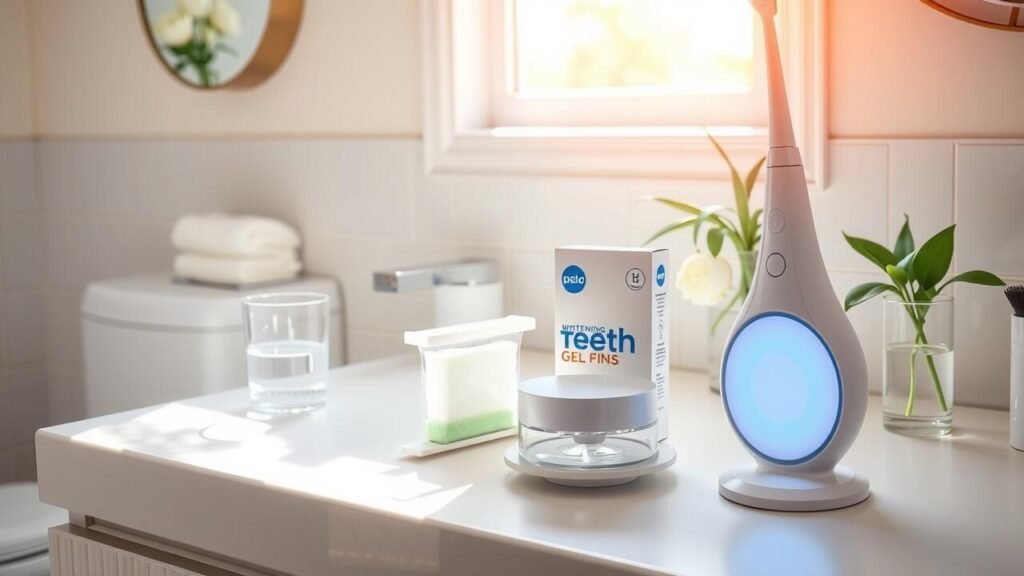
Another alternative involves using LED whitening technology, which combines a whitening gel with light to accelerate the bleaching process. Such kits have gained popularity in recent years due to their convenience and potential for impressive outcomes. Home-use whitening trays filled with professional-grade products also offer a more personalized treatment while ensuring consistent coverage on teeth.
Other Whitening Options Available
There are several alternatives to Crest whitening strips that can effectively enhance the brightness of your smile. Professional teeth whitening treatments are offered by dentists, utilizing stronger bleaching agents for immediate results. These in-office procedures often yield more dramatic outcomes compared to at-home options. Additionally, whitening toothpaste provides a simpler way to maintain your teeth’s whiteness, incorporating mild abrasive agents to help remove surface stains.
Another option includes over-the-counter whitening kits, which often consist of trays filled with whitening gel. These kits can provide results similar to those of strips but may require a longer application time for effectiveness. LED whitening devices have also gained popularity, using light technology alongside whitening gels to accelerate the whitening process. Each option has its unique benefits and potential drawbacks, so it’s essential for individuals to consider their needs and preferences when choosing a whitening method.
Common Misconceptions
Many people believe that using whitening strips will damage their teeth or enamel. This is a common concern. However, when used correctly and according to instructions, most over-the-counter whitening strips are safe for dental health. They contain peroxide-based compounds that have been tested for safety and efficacy. It is essential to choose products that are approved by dental associations to ensure that they meet safety standards.
Another misconception is that whitening strips provide instant results. While some users may notice a difference after one application, significant whitening typically requires consistent use over a designated period. Results vary depending on the individual’s tooth color and the product concentration. Patience and proper use can lead to the desired brightness without unrealistic expectations.
Debunking Myths About Whitening Strips
Many people believe that using whitening strips can significantly damage enamel. In reality, reputable brands are designed with safety in mind. The active ingredients are typically at concentrations deemed safe for dental use. When instructions are followed correctly, users can minimize any potential risks associated with prolonged exposure.
Another common misconception is that results are instant. While some users may notice a difference after a single application, it often takes multiple uses to achieve desired whitening levels. Individual factors such as the initial shade of teeth and personal oral hygiene habits can impact how quickly results are observed. Patience is essential for this cosmetic approach to yield noticeable improvements.
Frequency of Use
Using whitening strips too frequently can lead to undesirable effects on your teeth and gums. While these products can effectively improve the brightness of your smile, they also contain ingredients that may cause sensitivity or irritation with overuse. Most brands provide specific guidelines on how often to apply the strips, typically recommending a few sessions per week rather than daily use.
Paying attention to your teeth’s response to the whitening treatment is important. If you notice increased sensitivity or discomfort, it may be wise to reduce the frequency or take a break between applications. Ultimately, following the manufacturer’s recommendations and listening to your body can help achieve the best results while minimizing potential side effects.
How Often Should You Apply Whitening Strips?
The frequency of using whitening strips can vary based on individual needs and the specific product instructions. Typically, many brands recommend using the strips once a day for a set period, often ranging from a few days to two weeks, depending on the desired level of whitening. Following the manufacturer’s guidelines is crucial to achieve optimal results without causing undue sensitivity.
Overuse of whitening strips can lead to enamel erosion and gum irritation. It is advisable to monitor how your teeth respond to the treatment. If any sensitivity or discomfort arises, consider taking a break and consulting with a dental professional for personalized advice. Ensuring a safe and effective whitening experience focuses on balance and adherence to the recommended usage.
FAQS
Should I brush my teeth immediately after using Crest whitening strips?
It is generally recommended to wait at least 30 minutes after removing the strips before brushing your teeth to allow the whitening agents to continue working.
Can brushing my teeth too soon after using whitening strips affect the results?
Yes, brushing too soon can potentially remove the whitening agents before they have a chance to fully penetrate the enamel, which may reduce the effectiveness of the strips.
Is it safe to brush my teeth after using Crest whitening strips?
Yes, it is safe to brush your teeth after using the strips, but it’s best to wait a short period of time to maximize whitening benefits.
What if I accidentally brush my teeth right after using the strips?
If you brush your teeth immediately after using the strips, it may diminish some of the whitening effects, but you should still see some results. Just try to follow the waiting period in the future.
Are there any specific toothpaste recommendations after using whitening strips?
Using a toothpaste designed for sensitive teeth can be beneficial after using whitening strips, as they may help reduce any potential sensitivity that can occur.
Related Links
how long do teeth whitening strips take to work
Will my teeth go back to yellow after whitening strips?
How long does it take for teeth whitening strips to show results?