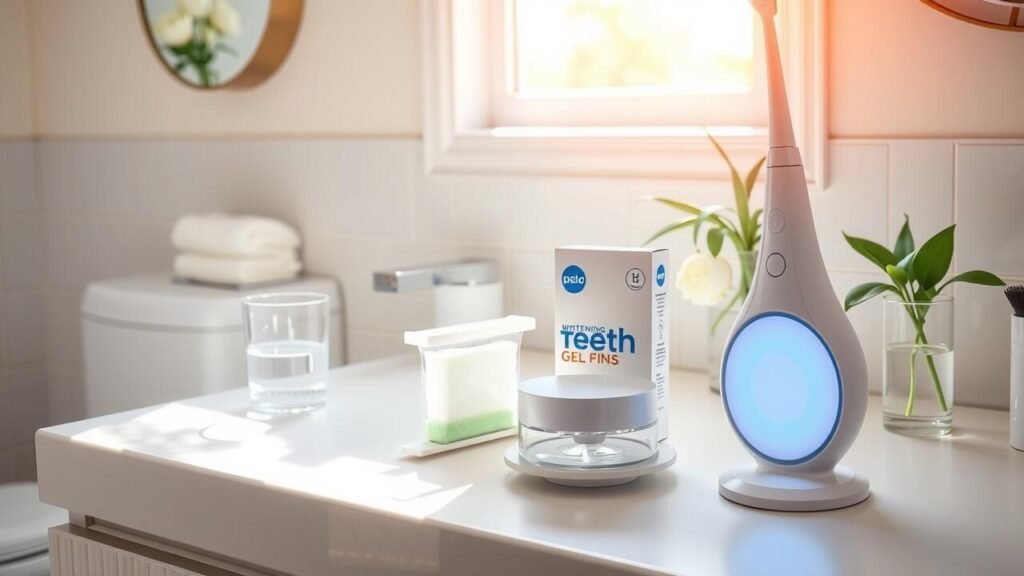
Importance of Regular Dental Check-Ups
Regular dental check-ups provide an opportunity for professional assessment of oral health. During these visits, dentists can identify early signs of staining, decay, or other issues that may not be visible to the untrained eye. Such evaluations are crucial in preventing potential problems from developing into more serious conditions, which can be both painful and costly to treat.
Additionally, dental professionals often offer personalized advice tailored to an individual’s specific needs. They can recommend suitable products and lifestyle changes to minimize staining and improve overall dental aesthetics. Regular check-ups ensure that any necessary cleanings or treatments are performed on a timely basis, contributing to a bright smile and better long-term oral health.
How Dentists Can Help
Regular visits to a dental professional play a crucial role in maintaining oral health and addressing concerns related to tooth discoloration. Dentists can perform cleanings that remove plaque and tartar, which contribute to staining. They also have access to professional whitening treatments that can significantly lighten the shade of teeth, often yielding results that at-home methods cannot match. These treatments are tailored to individual needs, ensuring a safe and effective approach to achieving a brighter smile.
In addition to whitening treatments, dentists can provide personalized advice on oral hygiene practices that can help prevent future stains. They can recommend specific toothpaste and mouth rinses formulated to combat discoloration. Education on proper brushing and flossing techniques can also empower patients to take control of their dental care at home, further enhancing overall oral health and aesthetics. Regular follow-ups allow for monitoring progress and making necessary adjustments to treatment plans.
Dietary Considerations for Whiter Teeth
Making mindful choices about what you eat plays a significant role in maintaining the brightness of your smile. Foods that are rich in antioxidants, such as fruits and vegetables, can help combat staining caused by beverages like coffee. Crunchy vegetables like carrots and celery can act as natural scrubbers for your teeth. These foods stimulate saliva production, which helps wash away food particles and plaque.
Meanwhile, certain beverages can exacerbate staining. It is advisable to limit consumption of dark-colored drinks. Opting for straw options when drinking coffee or tea can minimize contact with teeth. Additionally, incorporating dairy products like cheese into your meals may aid in protecting enamel and reducing stains. Regular intake of nuts and seeds also helps maintain oral health, providing essential nutrients for stronger teeth.
Foods That Help Remove Stains
Certain foods can naturally help in reducing stains on the teeth. Crunchy fruits and vegetables like apples, carrots, and celery act as natural scrubbers. Their texture helps to remove food particles and plaque that can lead to discoloration. Additionally, these foods stimulate saliva production, which plays a crucial role in neutralizing acids and washing away debris.
Dairy products, particularly cheese and yogurt, can also contribute to maintaining whiter teeth. They contain calcium and phosphates that strengthen enamel, making it more resilient to staining agents. Foods rich in vitamin C, such as strawberries and citrus fruits, can aid in keeping gums healthy and preventing stains. Incorporating a variety of these foods into the diet may provide a delicious way to support oral health while combating coffee stains.
Understanding the Role of Oral Hygiene
Maintaining good oral hygiene is essential for preventing and addressing coffee-stained teeth. Regular brushing and flossing help remove plaque and tartar, which can contribute to discoloration. Using fluoride toothpaste can strengthen enamel and protect against stains. It’s also important to brush at least twice a day and floss daily to effectively clean areas that a toothbrush may miss. This routine not only keeps teeth looking their best but also promotes overall dental health.
Rinsing with water after consuming coffee can diminish its staining effects. Incorporating mouthwash into your routine may further enhance your efforts in eliminating stains. Additionally, replacing a hard-bristled toothbrush with a soft one can prevent damage to enamel while ensuring thorough cleaning. Building these practices into a daily regimen provides a comprehensive approach to oral hygiene, ultimately leading to brighter, healthier teeth.
Effective Brushing and Flossing Techniques
A consistent brushing routine is essential for maintaining oral health and reducing coffee stains on teeth. It is recommended to brush at least twice a day using a fluoride toothpaste. For those specifically targeting stains, a whitening toothpaste can be beneficial. The technique matters as well; use gentle, circular motions to effectively clean all surfaces of the teeth. Don’t forget to brush the tongue, as bacteria can thrive there and contribute to overall oral discoloration.
Flossing plays a crucial role in removing debris and plaque that a toothbrush may not reach. Make it a habit to floss daily before or after brushing. Gently slide the floss between your teeth and curve it around each tooth to ensure thorough cleaning. Using an antibacterial mouthwash can further enhance your oral hygiene routine, as it helps kill bacteria and freshens breath. Together, these practices not only whiten teeth but also promote gum health.
FAQS
How long does it take to remove coffee stains from teeth?
The time it takes to remove coffee stains from teeth can vary depending on the method used. Professional whitening treatments can show results in one visit, while at-home remedies may take several weeks of consistent use.
Are there any specific whitening toothpaste that work better for coffee stains?
Yes, whitening toothpastes that contain baking soda or activated charcoal can be more effective at combating coffee stains. Look for products that specify stain removal on the packaging.
Can I use home remedies to whiten my teeth from coffee stains?
Yes, home remedies like baking soda, hydrogen peroxide, and apple cider vinegar can help lighten coffee stains. However, it’s important to use them sparingly to avoid damaging tooth enamel.
How often should I get professional dental cleanings to manage coffee stains?
It is generally recommended to have professional dental cleanings every six months. However, if you frequently consume coffee or have persistent staining, your dentist may suggest more frequent visits.
Is it possible to prevent coffee stains on my teeth?
Yes, you can help prevent coffee stains by drinking water after consuming coffee, using a straw, and maintaining good oral hygiene practices, including regular brushing and flossing.
Related Links
best teeth whitening for coffee stains
What is the best product for removing coffee stains from teeth?