Key Takeaways
- Selecting a solution requires knowledge of snores and their causes.
- Various categories of snoring prevention tools exist.
- Important factors must be considered when selecting a snore prevention device.
- Evaluating alternatives is essential for effective snoring solutions.
- Proper usage recommendations enhance the effectiveness of snore prevention tools.
How To Choose An Anti Snoring Device | Understanding Snoring
Understanding how to choose an anti snoring device begins with recognizing the underlying causes of snoring, which often stems from issues related to sleep-disordered breathing. Various medical devices, particularly class II medical devices such as oral appliances, are designed to address these concerns effectively. These oral appliances can significantly enhance sleep quality by positioning the jaw correctly to reduce snoring. Those who struggle with snoring should focus on specific criteria, including comfort and effectiveness, to determine the best option among various anti-snore solutions available in the realm of sleep medicine. Knowing how to choose an anti snoring device tailored to one’s unique needs can lead to more restful nights and improved overall health.
how to choose an anti snoring device | What Causes Snoring?
Understanding the causes of snoring is essential for selecting the right anti-snoring device. Factors like obstructive sleep apnea (OSA), nasal congestion, and body weight contribute significantly to snoring. Individuals experiencing persistent sleepiness may require a sleep study to diagnose OSA, which often necessitates a medical prescription for appropriate treatment. Those with mild snoring issues might benefit from alternative therapies or lifestyle changes, such as using special pillows or avoiding alcohol before sleeping, while others might need more direct interventions.
Choosing the right anti-snoring device also involves evaluating how various devices address specific causes. Mouthpieces can be effective for individuals whose snoring is linked to throat-related issues, while nasal strips may suit those with nasal obstruction. Understanding how to choose an anti-snoring device means considering the severity of one’s snoring and underlying health conditions like sleep apnea. Consulting with a healthcare professional can provide guidance on effective options and whether a medical prescription is necessary for treatments tailored to one’s needs.
Health Implications of Snoring
Snoring can lead to various health issues, often linked to obstructed airflow during sleep. The vibration of the throat tissues can indicate underlying problems such as enlarged adenoids or nasal blockages. Patients experiencing severe snoring may benefit from therapy tailored to their specific conditions. Learning how to choose an anti snoring device, such as a thermoplastic mouthguard, can enhance breathing and improve sleep quality by keeping the airway open.
Chronic snoring does not just disrupt sleep patterns; it can impact overall health. Poor sleep quality often leads to fatigue, cognitive decline, and increased risk of cardiovascular issues. Exploring different anti-snoring devices, including custom mouthguards, can facilitate better breathing during rest. Knowing how to choose an anti snoring device suited to individual needs is crucial for addressing the problem effectively and ensuring a restful night’s sleep.
| Health Issue | Description | Snoring Impact |
|---|---|---|
| Sleep Apnea | A serious sleep disorder where breathing repeatedly stops and starts. | Can lead to fatigue, cardiovascular problems, and daytime drowsiness. |
| Fatigue | Feeling of constant tiredness and lack of energy. | Caused by poor sleep quality due to snoring, leading to decreased productivity. |
| Cognitive Decline | A decrease in memory and mental acuity. | Can result from chronic sleep disruption and oxygen deprivation during sleep. |
| Cardiovascular Issues | Heart-related conditions stemming from poor sleep patterns. | Increased risk due to the stress on the heart from snoring-related sleep disturbances. |
Types of Anti-Snoring Devices
Understanding the various types of anti-snoring devices is crucial for anyone seeking to prevent snoring effectively. From mouthpieces to nasal strips, each anti-snore device offers unique features tailored to different snoring causes. Knowing how to choose an anti-snoring device involves evaluating the options available, including new snore devices that may incorporate advanced technology. Some snore-reducing devices are designed for comfort, while others focus on maximum effectiveness in snore control. It is essential to assess which type suits your needs best to find the appropriate anti-snore device. Learning how to find the best anti-snore device can significantly enhance sleep quality and overall health.
- Continuous Positive Airway Pressure (CPAP) machines for sleep apnea
- Mandibular Advancement Devices (MAD) that reposition the jaw
- Tongue Stabilizing Devices (TSD) that keep the tongue in place
- Nasal Strips that physically open nasal passages
- Chin Straps to hold the mouth closed during sleep
- Anti-snoring pillows designed to align the head and neck
- Herbal or natural remedies aimed at reducing snoring
Overview of Anti-Snoring Devices
Various anti-snoring appliances on the market cater to different types of snorers. These devices range from simple nasal strips to advanced anti-snoring mouthpieces designed to reposition the jaw and tongue during sleep. For those seeking to relieve snoring effectively, understanding how to choose an anti snoring device that best suits individual needs is crucial. The right snoring device mouthpiece can significantly impact one’s sleep quality and overall health, especially for individuals dealing with serious snoring issues.
Selecting the ideal anti-snoring mouthpiece involves considering several factors, such as comfort, fit, and effectiveness. Many snorers find that mouthpiece snoring devices offer an effective snoring control solution, allowing them to rest peacefully through the night. Before making a decision, it is essential to assess one’s snoring severity and consult with a healthcare professional if necessary. This thorough evaluation aids in finding a suitable anti-snoring solution tailored to the unique needs of each snorer.
Benefits of Using an Anti-Snoring Mouthpiece
An anti-snoring mouthpiece can be a highly effective solution for individuals suffering from a snoring problem. These devices, like SnoreRx, work by repositioning the jaw to keep the airway open during sleep, which can significantly reduce severe snoring. It is essential to note that while many snorers benefit from mouthguards, the best device for you depends on the cause of your snoring and your personal comfort. Utilizing snore products like these can help address chronic snoring issues that affect both the snorer and their sleeping partner.
Choosing an anti-snoring mouthpiece requires careful consideration of various factors, including your sleep habits and how severe your snoring is. Different snorers may have distinct needs; thus, it’s crucial to gather snore-reducing devices information before making a decision. For those with heavy or loud snoring, an anti-snoring mouthguard may provide a more effective solution than other options. Understanding how to choose an anti-snoring device tailored to your specific situation can lead to improved sleep quality for you and those around you.
Criteria for Choosing an Anti Snoring Device
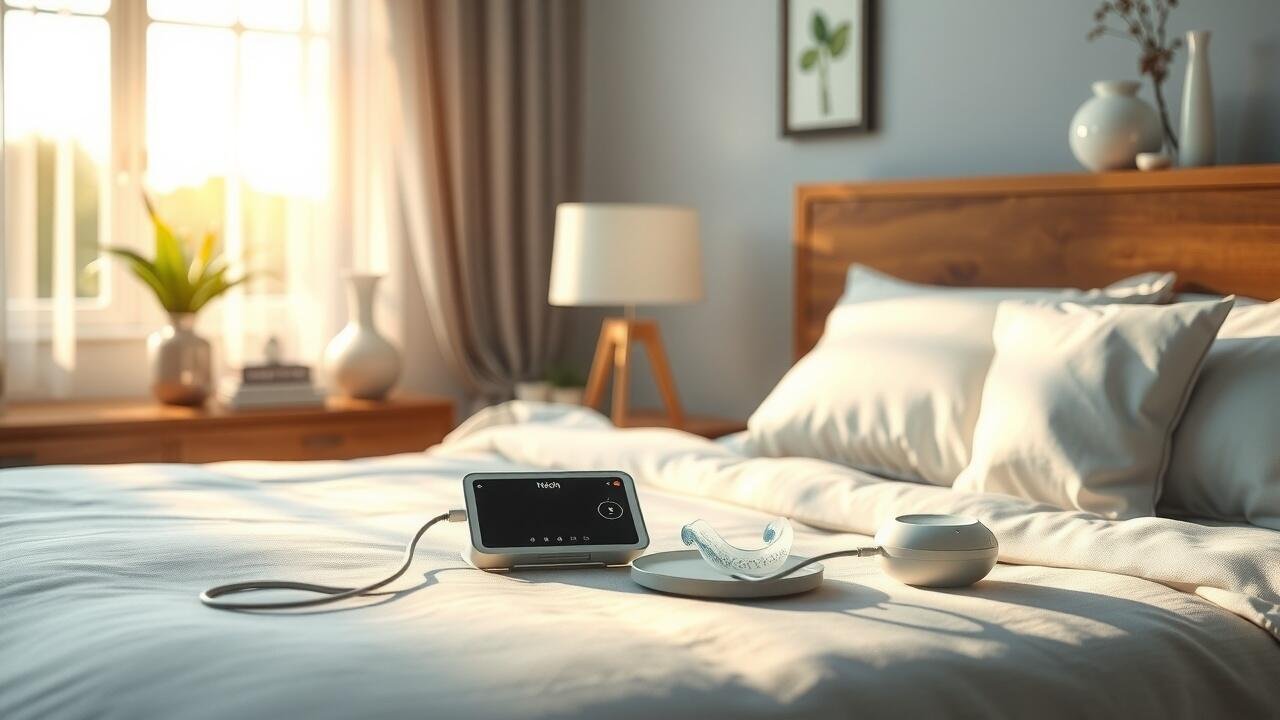
Choosing the right anti-snoring device can significantly improve sleep quality for many snorers, especially those whose snoring symptoms disrupt their rest or that of their partners. Regular snoring occurs for various reasons, including nasal obstructions and tongue-based snorers who may benefit from specific solutions. Understanding how to choose an anti snoring device involves assessing individual needs, preferences, and the nature of the snoring, whether it’s nasal or while asleep. Tools like SnoreLab can help track snoring patterns and severity, guiding users towards the most effective device. Selecting a device that feels comfortable and risk-free is essential, ensuring a good morning snore experience instead of waking up to fatigue. Everyone snores to some degree, and finding the right solution can lead to restful nights and rejuvenated mornings.
Assessing Your Snoring Severity
Determining the severity of your snoring is crucial in how to choose an anti snoring device. A sleep doctor offers insights into different device types, including oral devices and nasal devices. Consulting with a sleep medicine specialist can help you evaluate your situation and identify patterns in your sleep. This assessment can guide you toward appropriate therapeutic devices tailored to your needs, ensuring that you receive effective sleep therapy.
Understanding the impact of your snoring on your health is another essential factor. A sleep medicine physician can provide valuable sleep advice based on your snoring severity. Knowing whether your snoring is mild, moderate, or severe will refine your options for treatment. This information will steer you toward the right device and help in maximizing the effectiveness of any chosen solution.
Comfort and Fit Considerations
Selecting the right device for snoring relief involves understanding how to choose an anti snoring device that provides both comfort and an effective fit. Non-custom devices often fail to address individual anatomical differences, leading to discomfort during use. Consulting with a sleep doctor backs the importance of choosing an oral appliance treatment that suits your specific needs. Oral appliance therapy aims to keep the airway open, but a poorly fitting plastic device can exacerbate the problem rather than alleviate it.
Comfort is paramount for successful usage of any anti-snoring device. Sleep product experts emphasize the significance of finding a device that aligns with your personal comfort levels. Medical device regulations ensure that these products meet safety standards, but they do not guarantee a perfect fit for everyone. Taking the time to try different devices can help you determine the best solution. Always seek medical advice where necessary to ensure the right device is chosen for optimal results.
Comparing Different Anti-Snore Devices
Selecting the right anti-snoring device involves understanding the various options available and how they align with individual needs. Consulting a sleep specialist can provide insights on how to choose an anti snoring device that targets specific issues like sleep apnea. Recent advancements in such devices include innovative oral appliances designed for improved comfort and efficacy. An ideal device should not only address snoring but also promote better sleep quality. Many users find that a sleep apnea mouthpiece effectively reduces their snoring while also facilitating mouthpiece sterilization to maintain hygiene. Exploring alternative treatments and specific devices available on the market can lead to a suitable solution that enhances restful nights.
Effectiveness of Anti-Snoring Mouthpieces
Anti-snoring mouthpieces are categorized as intraoral devices designed to reposition the jaw and tongue for better airflow during sleep. During sleep trials, many users report a noticeable reduction in snoring severity. These devices range from simple devices to bespoke options tailored to individual needs, creating an effective treatment option for those affected by snoring. Understanding how to choose an anti snoring device involves assessing factors such as comfort and the severity of snoring, particularly for those with conditions like severe sleep apnea.
The nite® sleep appliance is one popular choice among various devices that cater to snoring solutions. Successful outcomes from these devices are often linked to proper fit and adjustment, highlighting the importance of a thorough sleep evaluation. Adjustable beds can complement the use of mouthpieces by promoting optimal sleeping positions. Ultimately, the choice of an anti-snoring device should be based on personal comfort and the results seen during sleep trials, ensuring a tailored approach to snoring management.
Alternative Anti-Snoring Solutions
For those seeking alternatives to traditional anti-snoring devices, exploring sleep appliances like two-piece devices can be beneficial. These sleep appliances fit comfortably and adjust the jaw position to enhance airflow while sleeping. Understanding how to choose an anti snoring device involves considering effective treatment options that suit individual needs. Many devices on the market address snoring differently, catering to various preferences and severity levels.
Pap therapy machines are another option for sleep apnea sufferers looking to reduce snoring incidents. These machines maintain airflow during sleep, preventing airway obstructions. Knowing how these devices work is essential for making an informed decision. The variety of new treatment options available means that there is likely a solution that fits your specific situation and enhances overall sleep quality.
- Research various types of sleep appliances available on the market
- Consult with a healthcare professional to assess your specific snoring issue
- Prioritize comfort and fit when selecting an anti-snoring device
- Consider practicing good sleep hygiene to complement your anti-snoring solution
- Explore lifestyle changes, such as weight loss or changing sleep positions, to reduce snoring
- Look into oral appliances designed by dentists specializing in sleep medicine
- Read reviews and testimonials to gauge the effectiveness of different products
Tips for Using Anti-Snoring Devices
Understanding how to choose an anti snoring device is crucial for effective treatment. Assess sleep positions as they can significantly impact snoring severity. Many individuals find success with devices like dental pods, which serve as a non-invasive treatment option. Consulting a doctor is essential, especially if snoring is linked to obstructive sleep apnea; they may recommend alternatives like CPAP therapy or surgery. If opting for a mouthpiece, ensure it is comfortable and fits well while you are asleep. A prescription may be required to obtain specialized devices, enhancing their effectiveness in promoting sound sleep.
How to Properly Use an Anti-Snoring Mouthpiece
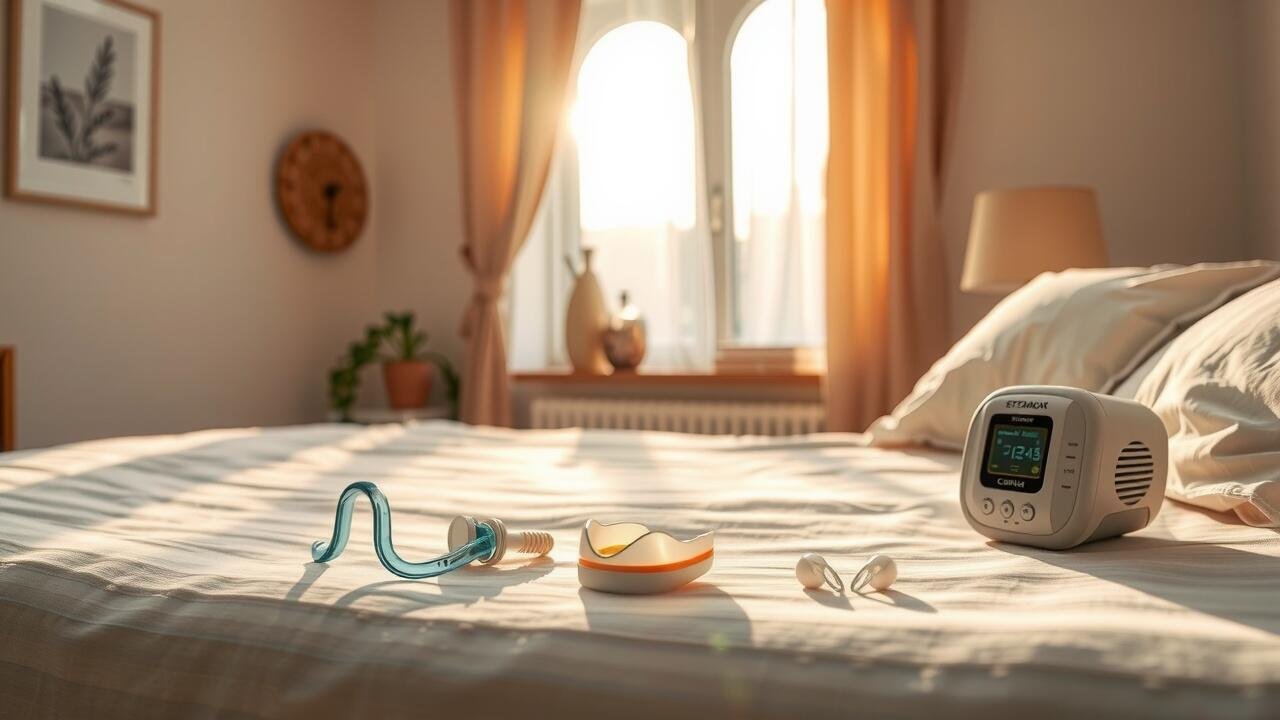
Proper use of an anti-snoring mouthpiece begins with understanding how to choose an anti-snoring device that meets individual needs. Patients suffering from obstructive sleep apnea syndrome (OSAS) or mild snoring may find dental appliances particularly effective. These devices should be fitted properly to ensure comfort for sleepers and to create a snug fit that keeps the airway open. Choosing the right size and style can significantly enhance the effectiveness of the appliance during sleep.
After selecting the appropriate mouthpiece, users should practice placing it correctly in their mouths before bedtime. It is advisable to adjust the mouthpiece as needed for optimal comfort, ensuring it does not cause any pain or discomfort while asleep. Regularly cleaning the device is essential for maintaining hygiene, especially for those who share beds. By following these guidelines, users can maximize the benefits of their anti-snoring solution and promote better sleep quality.
Conclusion
Choosing the right anti-snoring device can transform sleep quality for individuals dealing with snoring issues. Understanding how to choose an anti-snoring device involves assessing personal needs, including the severity of snoring. Intraoral devices, such as the nite® sleep appliance, are popular options that provide effective treatment for many. Sleep evaluations and trials can help determine which devices work best for individuals suffering from conditions like severe sleep apnea. Both simple devices and bespoke devices offer varying levels of comfort and support, and features like adjustable beds can enhance their effectiveness. Engaging in a sleep trial can also guide users in finding the most suitable solution among the various devices available on the market.
FAQS
What should I consider when choosing an anti-snoring device?
When choosing an anti-snoring device, consider factors such as your snoring severity, comfort, fit, type of device, and any specific health needs or conditions you may have.
Are there different types of anti-snoring devices?
Yes, there are several types of anti-snoring devices, including mouthpieces, nasal strips, chin straps, and positional therapy devices. Each type works differently and may be more suitable for different causes of snoring.
How do I know if an anti-snoring mouthpiece will work for me?
The effectiveness of an anti-snoring mouthpiece can depend on the cause of your snoring. It’s best to consult with a healthcare professional to assess your snoring issues and determine whether a mouthpiece is appropriate for you.
Can I use an anti-snoring device if I have dental issues?
If you have dental problems, such as loose teeth or gum disease, it’s essential to consult your dentist or healthcare provider before using an anti-snoring device, especially a mouthpiece that requires fitting.
How long does it take to see results from an anti-snoring device?
Results can vary widely based on the individual and the type of device used. Some users may notice improvements within a few nights, while others might take several weeks to determine the device’s effectiveness.
What factors should I consider when selecting anti snoring devices to effectively stop snoring?
When choosing anti snoring devices, it’s essential to consider factors such as the type of snore control device that suits your needs, whether you experience heavy snoring, nasal snoring, or disruptive snoring. Additionally, consult sleep specialists for recommendations on effective anti-snoring mouthguards and ensure the device you select is risk-free and easy to use. It’s also wise to examine recent device reviews and consider mouthpiece sterilization device options for proper maintenance.
How can I determine the best snore-reducing device for my needs?
When evaluating which snore-reducing device is best for you, consider factors such as how well the device allows you to fall asleep snoring-free, the device’s risk-free nature, and whether it fits comfortably on your bedside. It’s important to find a device that doesn’t interfere with your sleep quality while providing effective results.
What should I know about the risks associated with different medication for snoring and how to choose a snore-reducing device?
It’s important to understand that while some medication can aid in reducing snoring, they may come with side effects. When selecting a snore-reducing device, look for options that are device risk-free and have been tested for efficacy. Ensure to read reviews from users who have tried the entire device, as their experiences can guide you in making an informed choice.
What features should I prioritize when looking for an anti snoring device that works effectively?
When searching for an effective anti snoring device, it’s crucial to prioritize comfort, adjustability, and user reviews, as choosing the right snore-reducing device doesn’t only depend on price or brand but also on how well it fits your personal needs.
How do I evaluate the comfort and fit of an anti snoring device when making my decision?
When choosing an anti snoring device, it is essential to evaluate both comfort and fit to ensure that the device can be worn throughout the night without causing discomfort. A well-fitting device will help reduce the likelihood of snoring and improve sleep quality. Look for adjustable options and consider materials that are soft and breathable to enhance comfort.