Recommended Dosages for Phosphatidylserine
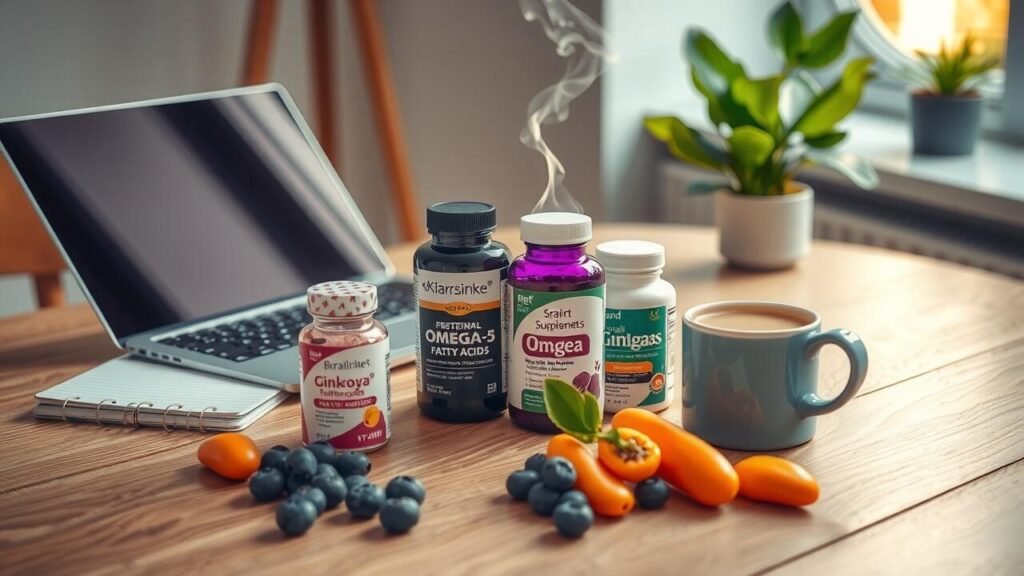
Phosphatidylserine supplements are generally recommended in dosages ranging from 100 to 300 milligrams per day. This variation may depend on individual needs and specific health goals. Many studies suggest that taking around 200 mg per day can be effective for cognitive enhancement and stress reduction. It’s essential to follow the product’s label instructions or consult a healthcare professional, particularly for specific conditions or if you’re taking other medications.
Timing is also crucial when it comes to supplementation. Some people find it beneficial to take phosphatidylserine before meals or workouts. This practice may enhance absorption and overall effectiveness. Dividing the daily dose into two or three smaller doses can also maximize the benefits throughout the day. Monitoring your own response to the supplement can help determine the best approach for your regimen.
How Much Should You Take Daily?
The recommended daily dosage of phosphatidylserine often varies based on individual needs and health goals. Most studies suggest a range of 100 to 300 mg per day, typically divided into two or three doses. It is advisable to start with a lower dose and gradually increase it while monitoring any effects on your wellbeing.
Specific recommendations can depend on the reason for supplementation. For cognitive support, doses around 200 mg daily are frequently cited. If looking to manage stress or improve athletic performance, doses may reach up to 300 mg. Consulting with a healthcare provider before starting any supplementation is crucial to determine an appropriate dosage tailored to personal health needs.
Potential Side Effects of Phosphatidylserine
While phosphatidylserine is generally considered safe for most individuals, some may experience mild side effects. These can include digestive issues such as upset stomach or gas. Slight changes in sleep patterns have also been reported, though these effects are often temporary and resolve with continued use.
In rare cases, allergic reactions may occur, leading to symptoms such as rash or itching. Individuals taking certain medications, particularly anticoagulants, should consult a healthcare provider to avoid potential interactions. Monitoring one’s response to any new supplement is a prudent approach.
What to Watch Out For
Although phosphatidylserine is generally considered safe for most individuals, there are certain precautions to keep in mind. Those on medications, particularly blood thinners or anticoagulants, should exercise caution as phosphatidylserine can have a blood-thinning effect. Pregnant or breastfeeding women are also advised to consult with a healthcare professional before starting supplementation, as the effects on fetal or infant development are not well-established.
Some individuals may experience mild side effects such as gastrointestinal discomfort, insomnia, or mood disturbances. Monitoring your body’s response when starting a new supplement is essential for determining its suitability. If any adverse reactions occur, it’s advisable to discontinue use immediately and seek medical advice. Keeping an open dialogue with healthcare providers can help ensure safe and effective use of phosphatidylserine.
How to Incorporate Phosphatidylserine into Your Routine
Adding phosphatidylserine to your daily regimen can be a straightforward process. Many prefer to take it in supplement form, available as capsules or powders. When selecting a product, consider factors such as the concentration of phosphatidylserine and any additional ingredients. Consistency is crucial, so aim to take it at the same time each day, whether with meals or on an empty stomach, based on personal preference and tolerance.
For those who enjoy more natural sources, phosphatidylserine is also found in certain foods. Incorporating foods such as soybeans, white beans, and organ meats into your diet can help boost your intake. Exploring various preparation methods can add variety while ensuring that you achieve your desired intake. Monitoring your body’s response and adjusting how you incorporate it can lead to better alignment with your overall health goals.
Best Practices for Supplementation
When incorporating phosphatidylserine into your daily regimen, timing and consistency play crucial roles. Many experts recommend taking the supplement in divided doses throughout the day to maximize absorption and effectiveness. This method helps maintain steady levels in the body, particularly if you’re targeting cognitive function or stress relief. Always consider taking it with meals to enhance absorption further, especially since fat can improve its bioavailability.
Selecting a quality phosphatidylserine supplement is essential for optimal results. Look for products that specify the source of the phosphatidylserine, ensuring it is derived from reputable sources, such as soy or sunflower. Certifications indicating third-party testing can provide additional assurance of purity and potency. Adhering to recommended dosages is key, but consult with a healthcare provider for personalized advice based on individual health needs and conditions.
FAQS
What is phosphatidylserine?
Phosphatidylserine is a phospholipid that plays a crucial role in cellular functions, particularly in brain health and cognitive function. It is commonly used as a dietary supplement to support memory, focus, and overall mental clarity.
How much phosphatidylserine should I take daily?
Recommended dosages can vary based on individual needs, but most studies suggest a daily intake of 100 to 300 mg for cognitive benefits. It’s advisable to consult with a healthcare professional before starting any supplementation.
Are there any potential side effects of taking phosphatidylserine?
While phosphatidylserine is generally considered safe, some individuals may experience mild side effects such as stomach upset, insomnia, or headaches. Always monitor your body’s response and consult a healthcare provider if you have concerns.
How can I incorporate phosphatidylserine into my routine?
Phosphatidylserine supplements can be taken in capsule or softgel form, and it’s best to follow the recommended dosage on the product label. For optimum results, take it with meals or as directed by a healthcare professional.
What should I look for when choosing a phosphatidylserine supplement?
When selecting a phosphatidylserine supplement, consider factors such as the source (preferably from soy or sunflower), dosage, third-party testing for purity, and any additional ingredients that may enhance its effectiveness.
Related Links
best phosphatidylserine supplement
Does phosphatidylserine really work?
What is doctors best phosphatidylserine?