Key Takeaways
- Overview of anti-snoring tools designed for lateral sleepers and their functionality
- Various categories of anti-snoring tools available in the market
- Mechanisms by which anti-snoring devices operate to reduce snoring
- Guidelines for selecting the most suitable anti-snoring tool
- Advantages of utilizing anti-snoring devices for improved sleep quality
- Misconceptions surrounding the effectiveness of anti-snoring devices
Anti Snoring Device For Side Sleepers | Understanding Anti Snoring Devices for Side Sleepers
Choosing an appropriate anti snoring device for side sleepers is crucial for addressing snoring issues effectively. Side sleeping is often recommended to minimize snoring, as it can reduce the likelihood of airway obstruction that leads to sleep apnea and other sleep disorders. An effective anti snoring device for side sleepers aims to enhance the quality of sleep by promoting proper sleeping posture and ensuring unobstructed airflow. This can significantly reduce excessive daytime sleepiness, a common consequence of sleep disorders. Many sleep medicine professionals advocate for tailored solutions that consider individual needs, including the types of sleepwear that complement these devices, optimizing comfort and effectiveness during the night.
anti snoring device for side sleepers | The Importance of Sleep Position
A proper sleep position plays a crucial role in overall sleep quality, particularly for individuals who experience sleep disruptions such as snoring. Side sleeping has been shown to reduce the severity of conditions like obstructive sleep apnoea, which often results in increased sleepiness and sleeplessness for both the sleeper and their partner. Utilizing an anti snoring device for side sleepers can enhance restful sleep by aligning the airways properly, thus minimizing the risk of sleep apnoea episodes during the night.
Understanding the importance of sleep position is essential for addressing snoring effectively. Sleep studies have indicated that sleeping on one’s back can exacerbate snoring and central sleep apnea, leading to fragmented sleep and a decrease in overall sleep quality. An anti snoring device for side sleepers can provide targeted support, encouraging a lateral sleeping position that significantly mitigates these issues and promotes uninterrupted sleep.
How Anti Snoring Devices Cater to Side Sleepers
Many anti snoring devices for side sleepers are designed specifically to address the unique challenges associated with this position. Side sleeping is often recommended for individuals suffering from obstructive sleep apnea (OSA) to minimize the risk of airway obstruction. A well-structured anti snoring device for side sleepers can help maintain proper alignment of the spine and head, promoting a better sleep cycle. Choosing the right pillow and mattress can further enhance comfort, making it easier for those with severe obstructive sleep apnea to get quality rest without experiencing sleep disturbances.
The effectiveness of anti snoring devices for side sleepers also includes accommodating their preferences for comfort while addressing the underlying causes of their snoring. These medical devices often work by repositioning the jaw or tongue to keep airways open, thereby reducing snoring and sleep-deprived mornings. Many options are available, ranging from specialized pillows to mandibular advancement devices, which can be tailored to individual needs. Investing in the right anti snoring device for side sleepers promotes not just better sleep quality but also overall well-being.
- Consider using a contour pillow designed for side sleepers to maintain neck alignment.
- Look for mandibular advancement devices that are adjustable for optimal comfort.
- Choose a mattress with medium firmness to support side sleeping without sinking too deep.
- Explore positional therapy devices that encourage sleeping on the side instead of the back.
- Ensure that any anti snoring device is FDA-approved or recommended by a healthcare professional.
- Avoid using thick pillows that elevate the head too much, which can worsen snoring.
- Test different anti snoring solutions to find the one that best fits your sleep style and comfort level.
Types of Anti-Snoring Devices
Exploring the various types of anti-snoring devices reveals a range of solutions tailored to individual needs, particularly for side sleepers. An effective anti snoring device for side sleepers can include specialized pillows designed to promote optimal posture and reduce airway obstruction during sleep. Incorporating earplugs can also be beneficial for those who share a bedroom, minimizing disturbances caused by snoring. For many, integrating an oral appliance into their bedtime routine provides a comfortable solution that helps keep the airway open, reducing the risk of snoring. Each of these devices addresses common issues associated with tiredness and restful sleep, making it easier for individuals to enjoy a peaceful night in their bed.
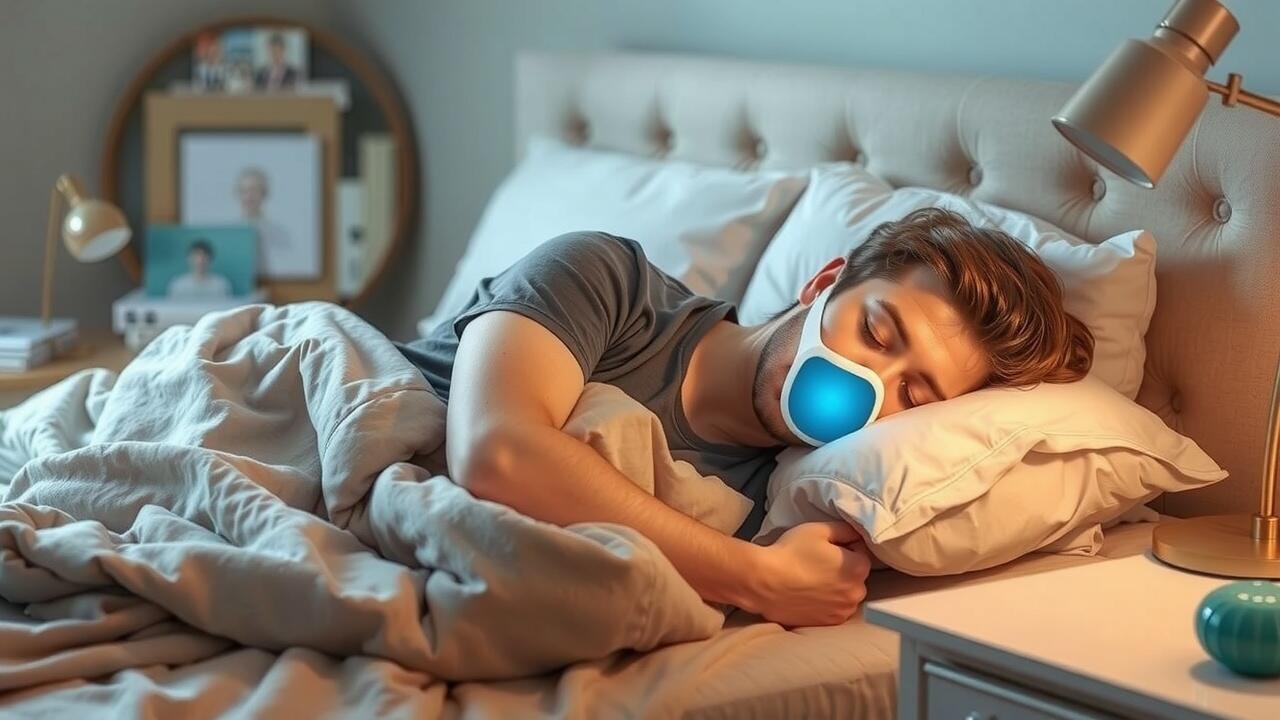
Overview of Anti-Snore Devices
Anti-snoring devices are designed to prevent or reduce snoring by addressing various issues related to airway obstruction during sleep. An effective anti-snoring device for side sleepers helps keep the airway open, allowing for smoother breathing throughout the night. Many of these devices are available over the counter, while some require a prescription from a healthcare professional. Popular anti-snoring device brands offer a range of options tailored specifically for side sleepers, ensuring maximum comfort and effectiveness.
Different types of anti-snoring devices cater to various needs and preferences. Some focus on jaw alignment, while others are designed to position the head in a way that promotes better airflow. Anti-snore devices can vary significantly in design and function, which is why it’s essential to evaluate individual requirements before selecting an anti-snoring device. The right choice can lead to improved sleep quality and reduced snoring, bringing relief to both the user and their sleep partner.
Comparing Different Anti-Snoring Devices
Selecting the right anti-snoring device for side sleepers can significantly enhance sleep experiences. Many snorers find that anti-snore pillows provide comfort while encouraging a position that prevents snoring. These pillows are designed to support the neck and head, promoting alignment that helps maintain an open airway. Anti-snoring appliances, such as mouthguards, are also popular choices, as they work to reposition the jaw and tongue to reduce airway obstruction. These products represent just a few of the anti-snoring solutions available.
Exploring various anti-snoring products reveals a range of options tailored to individual preferences and needs. Some devices, like snore stoppers, utilize gentle vibrations to prompt the user to change positions when snoring is detected. Others focus on the mechanics of breathing, improving airflow through the nasal passages. Understanding how each product works can help snorers choose the most effective anti snoring device for side sleepers, ensuring better quality rest while tackling the underlying cause of snoring.
How Anti-Snoring Devices Work
The mechanics of anti-snoring devices are tailored to address various levels of snoring, from simple snoring to serious snoring. For those who are side sleepers, an anti snoring device for side sleepers can be particularly beneficial. These devices, such as anti-snoring mouthpieces, work by adjusting the position of the jaw or tongue to keep airways open. This positioning is vital in limiting persistent snoring while accommodating the unique sleeping posture of side sleepers. Chronic snoring and heavy snoring often lead to disturbed sleep patterns, affecting both the snorer and their partner. By providing a solution, such as a well-designed anti-snoring mouthpiece, many individuals experience improvements in their sleep quality and a reduction in the severity of their snoring.
| Device Type | Mechanism of Action | Best For | Benefits |
|---|---|---|---|
| Anti-Snoring Mouthpiece | Adjusts jaw position to keep airway open | Chronic snorers | Improved sleep quality, reduced snoring |
| Chin Strap | Supports the jaw and keeps the mouth closed | Open-mouth snorers | Prevents mouth breathing, less snoring |
| Nasal Dilators | Widen nasal passages to enhance airflow | Nasal snorers | Improves breathing, enhances comfort |
| Positional Sleep Aids | Encourages side sleeping posture | Back sleepers | Prevents snoring from back sleeping position |
Mechanisms Behind Anti-Snoring Devices
Anti-snore mouthpieces play a crucial role in mitigating nighttime snoring for various types of sleepers. Designed specifically for heavy snorers and those suffering from related mild snoring, these devices work by repositioning the jaw and tongue to maintain an open airway. This mechanism is particularly beneficial for side sleepers, who may experience different dynamics in their airways compared to back sleepers. The functionality of these mouthpieces can significantly reduce the frequency of snoring bouts, enhancing overall sleep quality.
Other anti snoring devices for side sleepers, like anti-snore belts, also contribute to reducing snoring by promoting optimal sleeping positions. These belts gently encourage sleepers to remain in a side position, which can diminish the chances of airway obstruction. Frequent snorers often benefit from exploring a variety of anti-snoring solutions, as individual needs can vary. Understanding how these devices operate helps in selecting the most suitable option for different sleepers seeking relief from the challenges of nighttime snoring.
Effectiveness of Various Anti-Snore Solutions
Effectiveness varies among anti-snoring solutions, particularly for positional-dependent snorers. For example, an anti snoring device for side sleepers can significantly reduce snoring frequency and alleviate common snoring symptoms. Products like the Snorerx are designed to minimize non-apnea-related snoring by promoting optimal jaw positioning. This is especially beneficial for co-sleepers who may be disturbed by the loudness of back sleepers, making it essential to select devices tailored to individual sleeping styles.
At-home snoring solutions, such as the Nitetronic Z6 Smart Anti-Snore Pillow, have shown promise in creating a more restful environment. This pillow adjusts to sleeping positions, which benefits positional snorers and helps prevent the onset of snoring while lying on the back. The effectiveness of these devices is often tied to their ability to encourage side sleeping, which can lead to overall improvements in sleep quality for both snorers and their partners.
Choosing the Right Anti-Snoring Device
Finding the suitable anti snoring device for side sleepers can significantly enhance sleep quality. Sleep products like anti-snoring mouthguards are designed to accommodate the unique needs of those who prefer this position. Unlike one-size-fits-all snore solutions, these devices often offer tailored support to ensure proper alignment and comfort. Many sleepers seek options that include anti-snoring mouthguards or more specialized devices like the Somnofit-s anti-snore mouth solution, which often receive positive feedback in sleep guides. It’s essential to evaluate commercial snoring aids carefully while considering individual preferences and sleep advice to achieve the best results in reducing snoring for side sleepers.
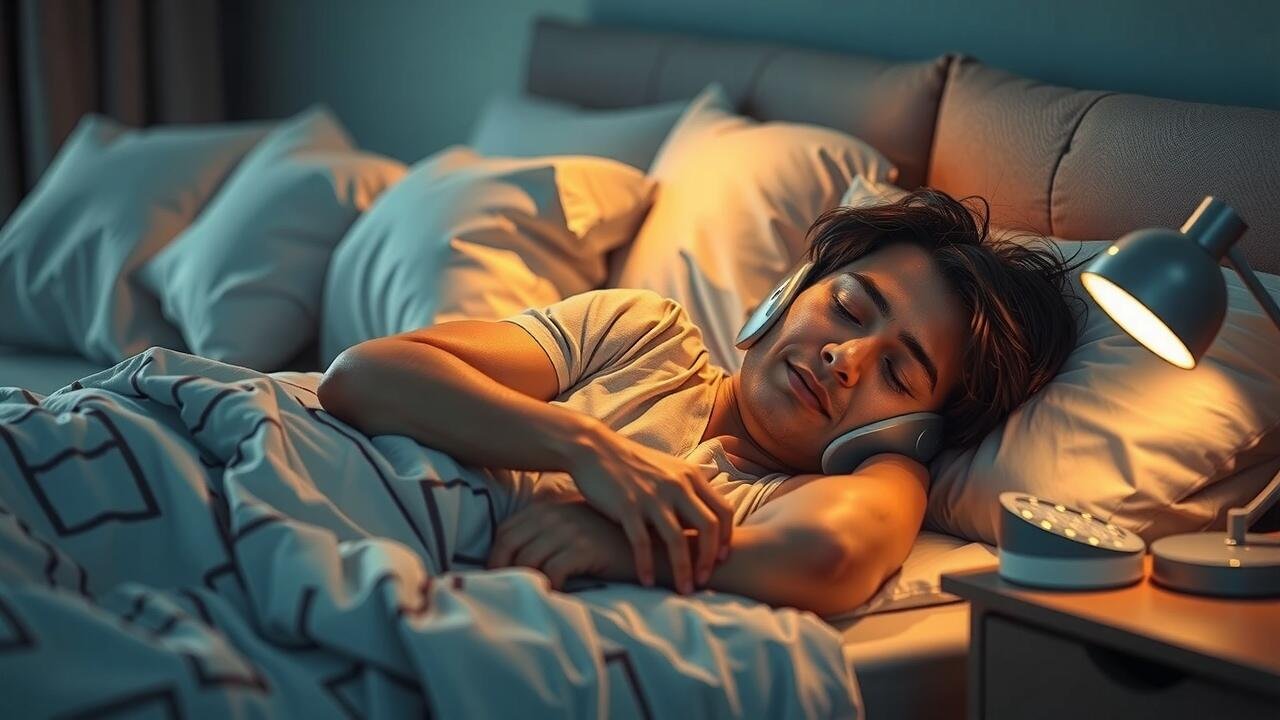
Factors to Consider When Selecting an Anti-Snore Device
Selecting the right anti snoring device for side sleepers requires an understanding of both the device’s functionality and the user’s specific sleep condition. Sleep product experts often recommend that individuals consider their preferred sleep positions, particularly the side-sleeping posture, as this can significantly influence the effectiveness of a chosen device. Consulting with a sleep specialist or a sleep doctor can provide vital insights, especially if there are underlying sleep disorders that may complicate snoring issues.
Comfort is another essential factor to evaluate when choosing an anti snoring device for side sleepers. Many options are available, but a device should not disrupt a person’s natural sleeping habits. A sleep doctor offers guidance on which anti snoring devices best align with individual needs, particularly those recommended by board-certified sleep doctors after thorough evaluations. Certifications in sleep science add credibility, ensuring that the device has been tested and proven to be effective for various sleep positions.
Recommendations for Side Sleepers
For side sleepers, an effective anti snoring device for side sleepers can make a significant difference. Consulting a board-certified sleep doctor can provide personalized insights and tailored recommendations. Many sleep solutions are available, including specialized dental sleep medicine products designed to accommodate the unique needs of side sleeping. These devices not only help alleviate snoring but also promote a healthier sleep position, minimizing the risk associated with severe sleep apnea.
Choosing the right anti snoring device for side sleepers involves careful consideration of various sleep aids. A sleep doctor backs the importance of undertaking home-based sleep studies to determine the best course of action. These studies can reveal insights into how snoring and sleep apnea manifest in different sleeping positions. Investing in an appropriate device can enhance overall sleep quality while addressing potential sleep apnea concerns effectively.
Benefits of Using Anti Snoring Devices
The use of an anti snoring device for side sleepers can significantly enhance sleep quality. Many users report improved restfulness after undergoing sleep trials that assess the effectiveness of different anti snoring solutions, such as sleep apnea mouthpieces and wearable alarm devices. These devices are designed to address issues stemming from obstructive sleep apnea, leading to a reduction in snoring and better overall rest. A home sleep study may reveal the extent of one’s sleep disturbances, allowing for tailored solutions that fit individual needs. Sleep science coaches and sleep editors often recommend specific devices based on these assessments, ensuring side sleepers find the best option to improve their nighttime experience and overall well-being.
- Improved sleep quality and restfulness
- Reduction in snoring, benefiting both the user and their partner
- Tailored solutions based on individual sleep disturbances
- Potential decrease in health risks associated with sleep apnea
- Increased comfort and ease of use for side sleepers
- Recommendations from sleep experts enhance device effectiveness
- Cost-effective solution compared to other sleep treatments
Impact on Sleep Quality
The use of an anti snoring device for side sleepers can significantly enhance sleep quality. Many individuals report that these effective devices help reduce snoring, which in turn improves the overall sleep experience for both the snorer and their partner. Incorporating specialized vests or adjustable beds can further optimize comfort during sleep. Smart pillows and alarms can be used as tools to monitor sleep updates, shedding light on sleep patterns and ensuring that any sleep apnea symptoms are addressed effectively.
By utilizing sleep test results and understanding sleep foundation profiles, users can better select the most suitable anti snoring device for side sleepers. The combination of supportive pillows and innovative solutions can lead to a restful night, ensuring that individuals wake up rejuvenated. Families often notice a harmonious household environment as snoring is minimized, creating a more pleasant atmosphere for relaxation and rest.
Improvement in Relationship Dynamics
Quality sleep can significantly enhance relationship dynamics. The use of an anti snoring device for side sleepers may reduce disturbances during the night, fostering a more peaceful sleeping environment for couples. By incorporating accessories such as cpap pillows or an adjustable mattress base, partners can create their perfect sleeping arrangement. A consistent sleep schedule becomes more achievable when both individuals can rest soundly without interruptions caused by snoring.
The enhancement of sleep quality positively influences daily interactions. Sleepiness can persist throughout the day if one partner is frequently disturbed at night, leading to irritability and tension. Investing in a new device or utilizing an extra pillow can aid in alleviating snoring issues. Engaging with the sleep care community can provide suggestions and solutions for creating an optimal sleeping arrangement. The result is a harmonious night’s rest that benefits overall relationship health.
Common Myths About Anti-Snoring Devices
Misconceptions about anti snoring devices for side sleepers can lead to confusion and hesitation when seeking solutions. Many believe that using extra pillows or a body pillow will eliminate snoring, but these may not address the underlying issues effectively. For those looking for effective remedies, a visit to a sleep doctor forum can provide insights from experienced users who have tested various options, including cervical-support pillows. Some might think that investing in a cheap pair of ear plugs or focusing solely on changing beds and mattresses will offer a quick fix, yet the true comfort and effectiveness of an anti snoring device for side sleepers often require more careful consideration. Understanding the right choice can enhance the quality of sleep, leading to more comfortable nights free from disturbances.
Debunking Misconceptions
Many people believe that an anti snoring device for side sleepers might be uncomfortable or difficult to use. This misconception often arises from the perception of certain device types as bulky or intrusive. However, newer models featuring intraoral devices and adjustable settings are designed for unobtrusive comfort. They enhance overall comfort, allowing side sleepers to enjoy settled sleep without the disturbances typically associated with snoring.
There is also a common belief that using an anti snoring device for side sleepers may not significantly reduce daytime tiredness. This idea overlooks the fact that effective devices can improve sleep quality by minimizing snoring and promoting healthier breathing patterns. With options such as using a thicker pillow or innovative anti snoring devices, individuals can optimize their sleeping positions and experience a notable decrease in back sleeping tendencies, leading to more restful and restorative nights.
| Misconception | Reality | Benefits |
|---|---|---|
| Anti snoring devices are uncomfortable. | Many modern devices are designed for comfort and unobtrusiveness. | Improved sleep quality without disturbances. |
| They don’t significantly reduce daytime tiredness. | Effective devices enhance sleep quality and breathing patterns. | Less daytime fatigue and improved overall well-being. |
| Devices are bulky and intrusive. | Newer models are compact and adjust to individual needs. | Easy to use while maintaining a comfortable sleeping position. |
| Only thicker pillows can help side sleepers. | Innovative anti snoring devices also provide effective solutions. | Optimal sleeping position reduces back sleeping tendencies. |
Evidence Supporting the Use of Anti-Snoring Devices
Research has shown that an anti snoring device for side sleepers can significantly improve sleep quality. Devices like nasal and oral appliances work effectively by maintaining an open airway during the night. These simple devices can be incorporated into a side sleeper’s routine for optimal comfort. Options such as wedge pillows help elevate the head and neck, preventing snoring by promoting better alignment. A forehead device might also be considered for those who require extra support.
Numerous studies indicate that using an anti snoring device for side sleepers can lead to a reduction in nighttime disturbances. Individuals using these devices often report fewer interruptions at bedtimes, resulting in longer, more restorative sleep cycles. The entire device selection, including wedge pillows and nasal appliances, caters specifically to side sleepers’ needs, enhancing their overall sleep experience. This evidence suggests that effective solutions are available to combat snoring, ensuring a peaceful night for both the sleeper and their partner.
Conclusion
The effectiveness of an anti snoring device for side sleepers can significantly enhance both individual rest and the overall quality of shared sleep. Many side sleepers find relief from airway blockage through specialized appliances, such as the Somnofit-S, which are designed to maintain open breathing passages and reduce snoring. While some may consider surgical options or CPAP therapy, the convenience and comfort of non-invasive devices often make them a preferred choice. Consulting with a healthcare provider can lead to prescriptions for tailored anti snoring devices, ensuring the right fit and functionality for each individual’s needs. Incorporating these appliances into a nightly routine can lead to improved sleep patterns and enhance relationships affected by snoring disturbances.
FAQS
What is an anti-snoring device for side sleepers?
An anti-snoring device for side sleepers is a specialized product designed to help reduce or eliminate snoring while accommodating the unique sleeping position of side sleepers. These devices often promote better airflow and alignment of the jaw and airway to prevent snoring.
How do anti-snoring devices work for side sleepers?
Anti-snoring devices typically work by adjusting the position of the jaw, tongue, or head to keep the airway open during sleep. For side sleepers, some devices may encourage the body to maintain a side position or prevent rolling onto the back, which can exacerbate snoring.
Are there different types of anti-snoring devices available for side sleepers?
Yes, there are various types of anti-snoring devices for side sleepers, including mandibular advancement devices (MADs), tongue stabilizing devices (TSDs), positional therapy pillows, and nasal strips. Each type has its own mechanism of action and level of comfort.
How effective are anti-snoring devices for side sleepers?
The effectiveness of anti-snoring devices can vary depending on the individual and the specific device used. Many users report significant improvement in snoring and overall sleep quality, but results may differ based on factors like the severity of snoring and adherence to using the device.
What factors should I consider when choosing an anti-snoring device for side sleeping?
When selecting an anti-snoring device, consider factors such as comfort, fit, materials used, ease of cleaning, and whether the device specifically accommodates side sleeping. Reading reviews and consulting with a healthcare professional can also help in making an informed choice.
What are the right anti-snoring devices for side sleepers that can reduce issues related to severe snoring and feeling sleep deprived?
The right anti-snoring devices for side sleepers often include specialized vests, pillows, and alarms designed to limit snoring. Many of these products are developed with certified sleep science in mind and can help those who experience frequent snoring. It’s crucial to find solutions that address the cause of snoring, and while anti-snoring mouthpieces function for many, exploring sleep apnea products may also be beneficial. If sleepiness persists, consulting a sleep team can provide further guidance, and combining the right mattress with effective sleep aids can elevate the overall sleep experience.
How can selecting the perfect mattress impact the experience of side sleepers who are sleep deprived due to severe snoring?
Choosing the perfect mattress can significantly influence how well side sleepers experience sleep and manage issues like severe snoring. A mattress that supports proper alignment can help reduce the causes of snoring, leading to fewer disruptions in sleep. Consequently, this can lead to feeling more awake and less sleep deprived. In the sleep world, many also recommend the use of cheap ear plugs for additional sound reduction during sleep, particularly for seniors who may be more sensitive to loud snoring sounds. For those considering surgery as a last resort for persistent snoring, it’s essential first to explore all available anti-snoring devices and ergonomic sleeping solutions.
How can side sleepers improve their experience when testing mattresses to combat issues related to feeling sleep deprived due to snoring?
Side sleepers can enhance their experience testing mattresses by selecting options that provide optimal support and comfort, which can alleviate issues that cause snoring. This approach may help in addressing the cause of snoring, leading to a more restful sleep and reducing feelings of sleep deprivation. Seniors looking for a mattress should consider these factors to find a senior mattress that meets their specific needs and preferences.
How does using an anti-snoring device for side sleepers help when snoring isn’t getting better and someone is feeling sleep deprived?
Using an anti-snoring device for side sleepers can significantly alleviate the problem of snoring when it isn’t improving on its own. These devices are specifically designed to keep the airways open, which can reduce snoring and improve sleep quality. As a result, individuals can experience restful nights, minimizing the feeling of sleep deprivation typically associated with ongoing snoring issues.
What options are available for individuals dealing with snoring who are feeling sleep deprived?
Individuals experiencing snoring issues have various options, including lifestyle changes, nasal strips, or specialized pillows to alleviate snoring. These alternatives can significantly enhance sleep quality for those feeling sleep deprived.
What should I consider if I am facing issues with snoring and feeling sleep deprived?
If you are facing issues with snoring, it’s important to evaluate your sleep environment and lifestyle. Some effective strategies include maintaining a consistent sleep schedule, sleeping on your side, which can reduce snoring, and avoiding alcohol before bed. Also, consider using an anti-snoring device for side sleepers, as it can help alleviate severe snoring while improving your overall sleep quality, especially if snoring isn’t getting better and you are feeling sleep deprived.