Application Methods
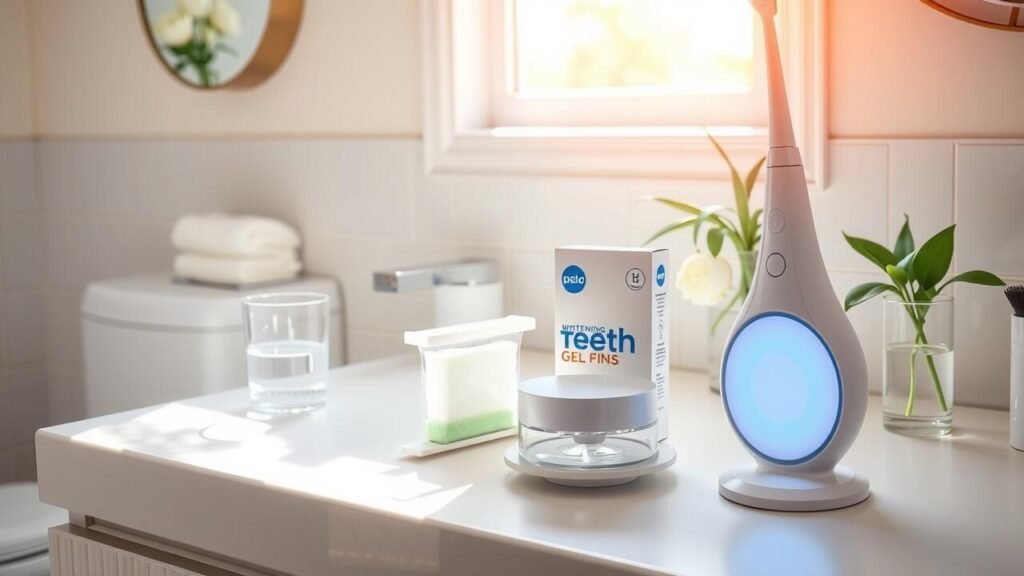
Desensitizing gel can be applied in various ways to enhance comfort during the teeth whitening process. Commonly, users apply it directly to the teeth before or after the whitening treatment. This method allows the gel to penetrate the enamel and reduce sensitivity. Dentists may also provide specific trays for at-home use that can hold the gel in place, ensuring even coverage on the affected areas.
For professional treatments, dental practitioners often apply desensitizing gel in the office. This ensures a more controlled application, allowing for targeted treatment where sensitivity is highest. In addition, some whitening kits include desensitizing agents combined with the whitening solution, offering a more streamlined approach for individuals looking for immediate relief along with whitening results.
How to Properly Use Desensitizing Gel
To use desensitizing gel effectively, begin by ensuring that your teeth are clean and dry. Apply a small amount of the gel directly to the areas of sensitivity using a cotton swab or fingertip. Remember not to use excessive amounts, as a little can go a long way in providing relief. Give the product some time to work. Typically, this means allowing it to sit for about ten minutes before rinsing thoroughly with water.
After the initial application, it may be beneficial to repeat the process once or twice a day, especially before or after undergoing any whitening procedures. This consistency can enhance the gel’s effectiveness in minimizing discomfort. Always consult product instructions for specific usage guidelines and speak to your dentist if you have any concerns regarding sensitivity or side effects while using the gel.
Safety Considerations
When considering the use of desensitizing gel for teeth whitening, it’s important to recognize potential risks associated with its application. While these gels are generally safe, improper use can lead to increased tooth sensitivity or even damage to the enamel if left on for too long. Users should be vigilant about following the manufacturer’s instructions for timing and quantity to minimize risks. Consulting with a dental professional can also help assess individual needs and determine suitability.
Allergic reactions to ingredients in the desensitizing gel, though rare, can occur and should be taken into account. Individuals with a history of dental sensitivities or allergies should perform a patch test or seek advice from their dentist before using any new product. Awareness of pre-existing dental conditions is crucial, as some may exacerbate the effects of desensitizing gels. Regular dental check-ups can provide additional insights into safe usage and help monitor any potential side effects during whitening treatments.
Are There Any Risks Involved?
Using desensitizing gel for teeth whitening can have potential risks for certain individuals. Some people may experience allergic reactions to the ingredients in the gel, leading to irritation or discomfort. It is important to conduct a patch test or consult with a dental professional before beginning treatment, especially for those with sensitive teeth or gums.
Another consideration is the possibility of overuse or misuse of the product. Applying the gel more frequently than recommended can lead to further sensitivity or make existing conditions worse. Additionally, improper application techniques may reduce the efficacy of the product, resulting in underwhelming results and unnecessary frustration.
Comparing Desensitizing Gel to Other Treatments
When evaluating options for managing tooth sensitivity during whitening procedures, desensitizing gel stands out for its targeted approach. This gel usually contains ingredients like potassium nitrate or fluoride, which work by blocking pathways to the tooth’s nerve endings. Many individuals experience relief shortly after application, making it a popular choice among those undergoing whitening treatments, particularly when they have a history of sensitivity.
Other treatments, such as desensitizing toothpaste, may provide gradual relief over an extended period. These toothpastes often contain similar active ingredients but require daily use for optimal effects. While both methods aim to alleviate discomfort, desensitizing gel can offer immediate results specific to the timing of whitening sessions, whereas toothpaste is better suited for ongoing care. Considering individual needs and preferences will help in determining the most effective method for managing sensitivity.
Alternatives for Managing Tooth Sensitivity
Managing tooth sensitivity can involve several alternative approaches beyond desensitizing gels. Toothpaste specifically formulated for sensitive teeth is a popular choice. These products typically contain compounds like potassium nitrate or strontium acetate, which help to block the transmission of sensation from the tooth surface to the nerve endings. Regular use of these toothpastes can provide lasting protection against discomfort.
Another effective method is the use of fluoride treatments. Dental professionals often apply concentrated fluoride varnishes that strengthen tooth enamel and reduce sensitivity. In addition, maintaining good oral hygiene through gentle brushing and regular dental check-ups can prevent conditions that lead to heightened sensitivity. The combination of these strategies can help individuals find relief while minimizing the risk of further dental issues.
FAQS
What is desensitizing gel for teeth whitening?
Desensitizing gel is a specialized product designed to reduce tooth sensitivity that may occur during or after teeth whitening procedures. It works by blocking the nerve endings in the teeth and providing a protective barrier.
How is desensitizing gel applied during the teeth whitening process?
The gel is typically applied directly to the teeth before or after the whitening treatment. It can be used in conjunction with whitening agents to help alleviate sensitivity and enhance comfort during the procedure.
Are there any side effects associated with using desensitizing gel?
Most users experience minimal side effects, but some may notice mild irritation or a temporary increase in sensitivity. It’s essential to follow the instructions provided by your dental professional or the product guidelines to minimize risks.
Can I use desensitizing gel if I don’t have sensitive teeth?
Yes, you can use desensitizing gel as a preventive measure if you’re concerned about potential sensitivity from whitening treatments. However, it is particularly beneficial for individuals who have a history of tooth sensitivity.
What are some alternatives to desensitizing gel for managing tooth sensitivity during whitening?
Alternatives include using toothpaste specifically formulated for sensitive teeth, opting for lower-concentration whitening products, or considering non-bleach whitening methods. Consulting a dental professional can help determine the best approach for your needs.
Related Links
best desensitizing gel after teeth whitening
Do you use desensitizing gel before or after whitening?
How to desensitize your teeth after whitening?