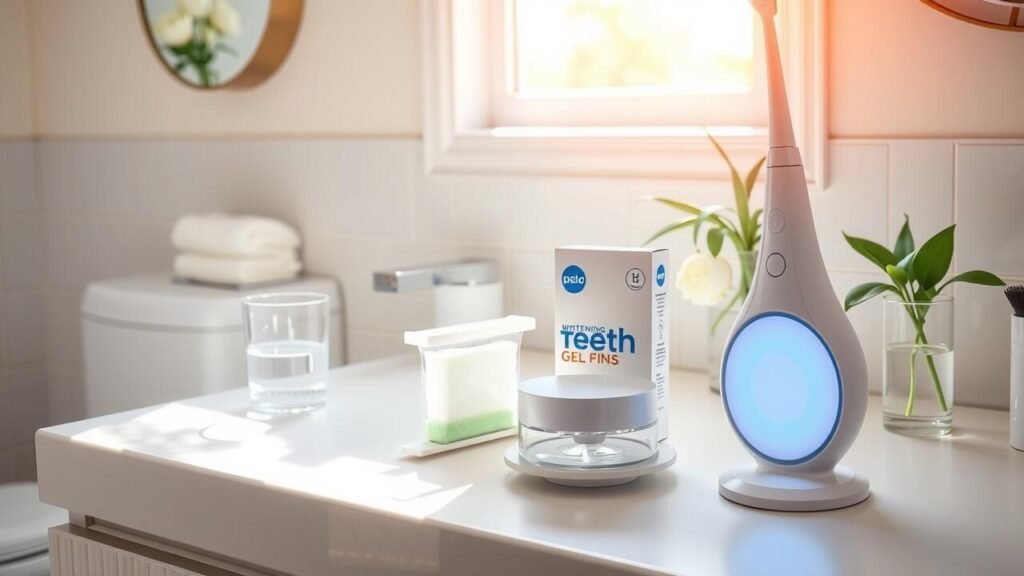
Timing Your Oral Care Routine
The timing of your oral care routine can significantly impact the effectiveness of whitening strips. Many people wonder whether they should brush their teeth before applying these strips. While brushing can remove surface plaque and debris, it may also expose the teeth to sensitivity. Therefore, some experts recommend applying strips on clean, dry teeth for optimal results.
Incorporating both brushing and the use of whitening strips within your routine involves careful planning. It can be beneficial to brush your teeth well in advance of strip application. This allows the fluoride from the toothpaste to remain on your teeth longer without interfering with the whitening process. Balancing these elements will help achieve a brighter smile effectively while maintaining oral health.
When to Brush Relative to Strip Application
Timing your brushing in relation to using whitening strips can influence the effectiveness of the whitening treatment. Many experts recommend brushing before applying the strips. This ensures that plaque and food particles are removed, allowing the whitening agents to penetrate the enamel more effectively. Clean teeth provide a better surface for the strips to adhere to, which may enhance the whitening results.
However, some individuals prefer to brush after they have used the strips. This method can help eliminate any residual whitening gel and keep the teeth feeling clean. It is crucial to wait at least 30 minutes after applying the strips before brushing, as this allows the whitening agents to work without interference. Ultimately, the choice may depend on personal preference and the specific instructions provided with the whitening product.
Products to Consider Before Whitening
Before beginning any whitening treatment, it’s essential to evaluate the toothpaste you use. Products formulated for sensitivity can offer protection for those who might experience discomfort during the whitening process. Whitening toothpastes can help maintain results after strip application, but they often contain abrasives that might reduce the effectiveness of the whitening strips if used immediately prior.
Mouthwash choices also play a role in your oral care routine. Antimicrobial mouthwashes can help reduce plaque buildup, enhancing overall mouth health. However, avoid using strong whitening or alcohol-based mouthwashes right before applying strips, as these can interfere with the adhesive properties of the strips and diminish their efficacy. Selecting complementary products can optimize your whitening experience while prioritizing dental health.
Choosing the Right Toothpaste
Selecting a toothpaste specifically formulated for whitening can enhance the effectiveness of your at-home whitening strips. Look for products containing ingredients like hydrogen peroxide or baking soda, which can aid in stain removal while promoting overall dental health. Toothpaste with added fluoride can also help strengthen enamel and protect against cavities, ensuring a balanced approach to whitening.
Consider your unique oral health needs when choosing a toothpaste. Some individuals may have sensitive teeth, making it vital to select formulations designed for sensitivity relief. Additionally, toothpaste with natural ingredients can be an option for those who prefer a more organic approach. Reading labels and consulting with a dental professional can guide you towards the best choice for your whitening goals.
Professional Advice on Whitening Strips
Many dental professionals recommend using whitening strips as part of a comprehensive oral care routine. These strips can effectively lift stains from teeth while being gentle on enamel, provided they are used as directed. Experts often emphasize the importance of reading the instructions carefully to ensure optimal results. Variations in concentration and application time may impact effectiveness, so following manufacturer guidelines enhances the whitening process.
Dentists frequently suggest that individuals with sensitive teeth consult their dental care provider before starting treatment with whitening strips. This precaution helps identify potential issues and allows for recommendations tailored to specific needs. Additionally, maintaining proper oral hygiene and regular dental check-ups can further support the whitening efforts and safeguard overall dental health.
Recommendations from Dentists
Many dental professionals emphasize the importance of maintaining a consistent oral hygiene routine prior to using whitening strips. They suggest brushing your teeth beforehand can help remove plaque and debris, leading to better adherence of the strips and enhanced effectiveness. However, they also caution against excessive brushing immediately before application, as this can lead to increased sensitivity and potential gum irritation.
Dentists often recommend waiting for a specific period after brushing before applying the whitening strips. This allows the fluoride from toothpaste to settle and ensures that the enamel is not overly compromised. For those with sensitive teeth, consulting a dentist for personalized advice can lead to a more comfortable and effective whitening experience.
FAQS
Is it better to brush my teeth before using whitening strips?
It is generally recommended to brush your teeth before applying whitening strips. Brushing removes plaque and food particles, allowing the whitening agent to effectively penetrate the enamel.
Can brushing after using whitening strips affect the results?
Yes, brushing immediately after using whitening strips can potentially diminish their effectiveness. It’s best to wait at least 30 minutes after removing the strips before brushing.
What types of toothpaste should I use before applying whitening strips?
It’s advisable to use a fluoride toothpaste for general cleaning and to avoid toothpaste with abrasive ingredients. Some people may prefer a whitening toothpaste, but be cautious as it can sometimes increase sensitivity.
How long should I wait to eat or drink after using whitening strips?
It’s recommended to wait at least 30 minutes after using whitening strips before eating or drinking to allow the whitening agents to work effectively.
Are there any specific professional recommendations regarding the use of whitening strips?
Many dentists recommend following the manufacturer’s instructions on the packaging. They may also suggest personalizing your routine based on your dental health and specific whitening goals.
Related Links
best LED teeth whitening kit
Do LED teeth whitening kits really work?
Are LED lights good for teeth whitening?