Key Takeaways
- Grasping the Essentials of Creatine Products
- Investigating Top Creatine Tablets
- Creatine HCL: An Exceptional Choice
- Perfect Creatine Intake for Optimal Results
- Liquid Creatine: Is It Beneficial?
- Evaluating the Comprehensive Effects of Creatine
Understanding Creatine Supplements
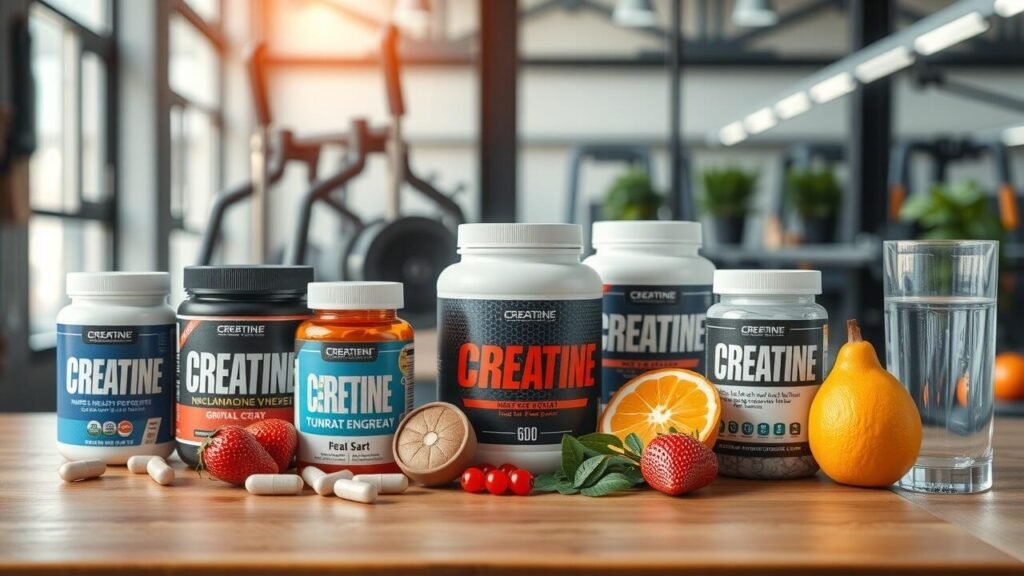
Creatine supplements are popular among athletes and fitness enthusiasts for their potential to enhance performance and support muscle growth. The most widely used forms include creatine monohydrate and creatine hydrochloride (HCL), each offering unique benefits. The best creatine pills often contain these forms, providing a convenient way to incorporate creatine into daily routines. Creatine supplementation is believed to increase serum creatinine levels, which can promote muscle recovery and boost energy during intense workouts. Various formulations, such as creatine ethyl ester, are also available, catering to different needs and preferences. Understanding the role of creatine kinase in muscle energy production can help users maximize the effectiveness of their chosen creatine supplement.
| Supplement Type | Description | Benefits |
|---|---|---|
| Creatine Monohydrate | The most researched and popular form of creatine. | Supports muscle growth, enhances strength, and improves exercise performance. |
| Creatine Hydrochloride (HCL) | A more soluble form of creatine that may reduce water retention. | Quicker absorption and less gastrointestinal discomfort. |
| Creatine Ethyl Ester | An esterified form of creatine that claims to enhance absorption. | Potentially better bioavailability compared to other forms. |
| Creatine Nitrate | Creatine bonded with nitrate, promoting nitric oxide levels. | Supports increased blood flow and improved endurance. |
What is Creatine?
Creatine is a naturally occurring compound found in small amounts in certain foods and synthesized in the body from amino acids. It plays a crucial role in producing ATP, the energy currency of cells, particularly during high-intensity exercise. Many athletes and fitness enthusiasts turn to dietary supplements, specifically creatine pills, to enhance their performance. The best creatine pills often contain creatine phosphate, which helps improve energy production and support muscle growth.
Incorporating creatine into a fitness regimen can significantly reduce muscle fatigue and cramping, making it a popular choice among those engaged in intense training. These dietary supplements come in various forms, with pills being convenient for many users. They offer a simple way to increase creatine levels without the need for mixing powders. However, it’s essential to consider potential side effects, including muscle cramps, which can occur if not taken correctly or if hydration levels are insufficient.
Types of Creatine: An Overview
Creatine comes in several forms, each offering distinct advantages. The best creatine pills often contain creatine monohydrate, which is well-researched for its effectiveness in enhancing athletic performance. Tablets may also include other ingredients like acetyl-l-carnitine or citric acid to improve absorption and efficacy. These nutrition supplements can provide effective doses in a convenient form, making it easier for individuals to meet their daily needs without the hassle of mixing powders.
Another popular variant is creatine HCL, which is known for its solubility and potential to reduce gastrointestinal discomfort. Users often find that incorporating creatine with caffeine can amplify energy levels during workouts. While many athletes prefer the simplicity of pills, it’s essential to consider the recommended doses suited to personal fitness goals. Each type of creatine serves a unique purpose, allowing individuals to select the form that aligns best with their lifestyle and training regimen.
Exploring the Best Creatine Pills
The search for the best creatine pills leads many to explore various formulations that can enhance performance and recovery. Some high-quality creatine pills incorporate bioperine, which may improve absorption. These supplements often come combined with ingredients like L-glutamine and L-carnitine, known to support muscle repair and act as effective fat burners. As modern medicine continues to advance, the development of creatine pills with additives like thiolactone aims to optimize results. For those considering supplementation, choosing a regimen that aligns with their specific goals is crucial. A maintenance dose can vary, and consulting with professionals at local pharmacies can help tailor the best creatine pills for individual needs.
| Brand | Key Ingredients | Serving Size | Benefits |
|---|---|---|---|
| Klean Athlete | Creatine Monohydrate, Bioperine | 1 Pill (750mg) | Supports muscle performance, enhances recovery |
| MuscleTech | Creatine HCl, L-Carnitine | 2 Pills (1000mg) | Promotes strength and endurance |
| Optimum Nutrition | Creatine Monohydrate | 1 Pill (1000mg) | Increases muscle mass, improves workout performance |
| Cellucor | Creatine Nitrate, L-Glutamine | 2 Pills (1200mg) | Enhances muscle recovery, reduces fatigue |
Top Picks for Creatine Pills
Choosing the best creatine pills can significantly enhance your workout routine. Capsules often offer a more convenient way to consume this powerful supplement compared to traditional powders. The best creatine pills typically deliver a well-balanced dose, making it easier to integrate them into a daily regimen. Many of these pills also contain vitamins and peptides that help support muscle recovery. Some options even include methionine, which can further improve muscle synthesis and performance.
Among the best-selling creatine supplements, selecting those with clear labeling of dosage can help avoid potential pitfalls. A standard dose of creatine is around 3 to 5 grams, but personal requirements may vary. Those seeking specialized benefits should consider formulations that cater specifically to their fitness goals. Always consult with a healthcare professional to determine the ideal creatine dose tailored to your needs for optimal results.
Benefits of Choosing Pills Over Powder
Choosing pills over powder formulations offers distinct advantages for those seeking convenience and ease of consumption. The best creatine pills are often designed to ensure precise dosing without the need for measuring scoops. Many creatine supplements in capsule form provide an effective alternative for athletes who prefer not to mix powders into their drinks. These creatine capsules can enhance user experience, especially for those on the go, while maintaining high creatine doses for optimal performance.
The efficiency of creatine therapy can also be maximized with pills, as they allow for quick and straightforward ingestion without the potential mess associated with powders. Popular creatine supplements in pill form have been praised for their consistent effectiveness and absorption rates. This method not only simplifies daily routines but also ensures that individuals do not miss their recommended creatine intake, leading to improved muscle growth and recovery through reliable supplementation.
Creatine HCL: A Unique Option
Creatine HCL stands out among the countless creatine supplements available today, offering a unique formulation that appeals to many athletes and fitness enthusiasts. While creatine monohydrate is the recommended form of creatine supplement due to its extensive research backing, Creatine HCL presents a viable alternative for those looking for different creatine options. It often comes in the form of flavored creatine supplements or creatine drink mixes that enhance palatability. Many users find that this form allows for a smaller daily creatine dose without sacrificing effectiveness, making it a favored choice among those who may struggle with large creatine doses typically associated with creatine powders. As you explore the best creatine pills and other top creatine options, Creatine HCL could be worth considering for its unique benefits and ease of use.
What Sets Creatine HCL Apart?
Creatine HCL distinguishes itself from other creatine types primarily due to its solubility and absorption rates. It is often marketed as an easy-to-take creatine, making it a popular choice among those seeking a more convenient option. This form of creatine serves to enhance performance and recovery, fitting well into a routine that incorporates creatine-focused recovery supplements. For individuals looking for a creatine-only supplement, creatine HCL provides a concentrated dose that allows for effective creatine intake without the bloating often associated with other forms.
Another notable aspect is the recommended creatine dose split. Users can take smaller doses throughout the day, promoting consistent creatine levels in the body. With pure creatine HCL, athletes can experience significant benefits without the need for excessive dosages. This ensures that creatine works efficiently for muscle growth and recovery while adhering to the principles of supplementation. For those curious about the best creatine pills, HCL can be a compelling option that aligns with personal fitness goals.
Potential Benefits of Creatine HCL
Creatine HCL stands out as a top choice among creatine options due to its enhanced solubility and absorption compared to raw creatine. Those who choose pure creatine supplements often favor creatine HCL for its ability to support performance without excessive bloating. Con-cret creatine HCL capsules offer a convenient way to incorporate this form of creatine into daily routines. For creatine beginners, this makes the transition to creatine supplementation fit seamlessly into their regimen, ensuring that the benefits are felt quickly.
Creatine HCL’s unique formulation means that users can experience the positive effects of creatine with potentially lower dosages. This can lead to less strain on the digestive system while maintaining effectiveness. Many athletes and fitness enthusiasts who opt for the best creatine pills appreciate that creatine supports muscle growth and recovery while minimizing unwanted side effects. For those considering both liquid creatine and creatine HCL, the latter often provides a more straightforward and effective approach to creatine consumption.
- Helps improve athletic performance and endurance
- Supports muscle growth and recovery post-exercise
- Reduces bloating often associated with traditional creatine
- Offers enhanced solubility for better absorption
- Allows for lower dosages while maintaining effectiveness
- Convenient capsules make supplementation easy and accessible
- Minimizes strain on the digestive system compared to raw creatine forms
Ideal Creatine Dosage for Maximum Effectiveness
Finding the right creatine dosage is crucial for maximizing benefits from supplementation. Most creatine studies suggest that a loading phase can enhance initial creatine response, particularly with options like premium Creapure® creatine. Athletes often select the best creatine pills or a creatine monohydrate supplement to achieve optimal results. Adjusting the dosage may depend on individual goals such as muscle growth or performance enhancement. Options like con-cret creatine HCL offer flexibility for those preferring a more precise approach. For those seeking convenience, a mixable creatine drink could serve as a top creatine pick, delivering ample performance benefits while fitting into busy schedules.
Recommended Creatine Dose for Athletes
Determining the appropriate creatine dose for athletes involves understanding their specific training goals and body weight. Many athletes benefit from a creatine loading phase, often using a combination of the best creatine pills and flavored creatine options. A common regimen includes a higher initial dose of about 20 grams per day for the first week, followed by a maintenance phase of 3 to 5 grams daily. This creatine formula helps saturate the muscles with muscle creatine, enhancing performance and recovery.
For those who prefer a creatine-only approach, unflavored creatine supplements can be seamlessly incorporated into a mixed creatine drink or consumed directly in pill form. Athletes should select the highest-quality creatine, like raw nutrition creatine, to ensure optimal results. Adjusting the supplemental creatine dose based on workout intensity and personal goals can lead to better outcomes in strength training and overall fitness.
Adjusting Your Creatine Dose for Personal Goals
Tailoring your creatine dosage can significantly enhance your training results. Individuals aiming for muscle growth may benefit from higher doses to achieve optimal creatine saturation in muscle tissues. The best creatine pills, including Onnit creatine and BPN Pure Creatine, offer various options to suit different needs. Those who prefer additive-free creatine, such as chewable creatine supplements, can find effective formulas that align with their goals. Conducting a creatine study on your own response to different dosages may also be beneficial.
For those seeking straightforward creatine solutions, starting with the recommended daily dose and adjusting based on personal fitness objectives is advisable. As one becomes more familiar with their muscle creatine content and response, fine-tuning the intake can lead to improved performance. It’s essential to choose safe creatine formulas to ensure optimal results while minimizing potential side effects. Experimenting with supplemental creatine can lead to a personalized approach that supports individual gains in strength and endurance.
- Determine your primary fitness goal (muscle gain, endurance, or recovery).
- Start with the standard recommended dosage (typically 5 grams per day).
- Monitor your body’s response to creatine over a few weeks.
- Gradually increase the dosage if you seek faster results or hit performance plateaus.
- Consider the timing of your intake – pre- or post-workout can influence effectiveness.
- Stay hydrated to enhance creatine’s performance benefits.
- Consult with a healthcare professional or nutritionist for personalized guidance.
Liquid Creatine: Is it Worth It?
Liquid creatine has emerged as an alternative to traditional forms like the best creatine pills, appealing to creatine users seeking convenience and rapid absorption. Compared to a dozen creatine products on the market, it often promises quick delivery of creatine molecules into the bloodstream. Brands like Kaged Creatine and Wellah Creatine offer formulations that claim to enhance performance and support recovery due to the rapid dispersion of creatine particles. Although creatine research shows that premium creatine monohydrate remains a robust choice, liquid options are marketed as easy-to-use, featuring individual creatine packets for on-the-go consumption. While some athletes may prefer the straightforward approach of powder and pills, the effectiveness and convenience of liquid creatine warrant consideration.
Comparing Liquid Creatine to Powder and Pills
Liquid creatine presents a different approach to supplementation compared to standard creatine monohydrate. Unlike creatine monohydrate powder, which requires mixing with a beverage, liquid forms are readily available for immediate consumption. For those seeking convenience, liquid creatine can be appealing. However, some experts argue that the effectiveness of liquid options may not measure up to the best creatine pills or buffered creatine. The process of how creatine dissolves in liquid may also influence absorption rates, leading some individuals to prefer acute creatine monohydrate in powdered form for quicker results.
Each form of creatine comes with its own unique set of benefits and drawbacks. While unflavored creatine powder, like Swolverine creatine monohydrate, allows for easy customization in shakes and smoothies, best creatine pills offer a straightforward solution without the mess. A creatine expert might point out that dosing accurately with liquid forms can be more challenging. Thus, being part of a creatine group can provide valuable insights and recommendations tailored to individual needs, whether one is interested in creatine-only offerings or specific formulations of creatine monohydrate.
Effectiveness and Convenience of Liquid Creatine
Liquid creatine presents a unique alternative to traditional forms such as simple creatine monohydrate and best creatine pills. While creatine powders and gummies like momentous creatine monohydrate have established their effectiveness, liquid forms may offer quicker absorption into the body. For those looking for convenience, liquid creatine eliminates the need for mixing, saving time while potentially enhancing internal creatine stores more efficiently. Brands like Onnit creatine monohydrate and magnesium creatine have garnered attention for their innovative formulations, offering an easy solution for athletes seeking performance gains.
The effectiveness of liquid creatine can vary depending on individual preferences and workout routines. Some users appreciate the ease of consumption and the ability to carry liquid forms easily, while others still prefer the simplicity of unflavored creatine or micronized creatine powders. Comparisons with the best creatine pills reveal that while both options can support muscle growth, liquid creatine might cater to those desiring rapid intake and instant energy support during workouts. Ultimately, personal choice plays a significant role in determining the best supplementation method for optimal results.
Assessing the Overall Impact of Creatine
Creatine plays a pivotal role in muscle growth, supported by a wealth of creatine study data showcasing its effectiveness. Among the various forms available, traditional creatine monohydrate remains the gold standard for many athletes, often referred to as the best creatine pills for its proven results. Specialized formulations, such as gender-specific creatine or creatine HMB, cater to specific needs, while options like Bloom Nutrition creatine and MuscleTech creatine monohydrate offer quality alternatives. For those mindful of budget, a range of budget creatine options provides effective solutions without compromising on results. The versatility of creatine is evident, whether one opts for a creatine monohydrate pilot or Ole creatine monohydrate, ensuring that all athletes can find the right fit for enhancing muscle growth.
Creatine’s Role in Muscle Growth
Creatine plays a pivotal role in muscle growth by facilitating muscular creatine saturation, which enhances strength and power during high-intensity workouts. The best creatine pills, such as Nutricost creatine monohydrate and Bodytech creatine monohydrate, provide a reliable source for athletes seeking to boost their performance. By increasing ATP availability, creatine supports energy production in muscles, leading to improved endurance and recovery. Various forms of creatine, including creatine nitrate and micronized creatine monohydrate, offer unique benefits tailored to different workout regimens.
Incorporating creatine into a fitness routine can also positively impact cognitive function, thanks to brain creatine levels that may improve focus and concentration. Options like creatine monohydrate gummies or Jocko creatine cater to diverse preferences, making supplementation more accessible. Creatine monohydrate blends and Animal creatine chews provide additional versatility for those looking to enhance their nutritional intake. The effectiveness of these supplements solidifies creatine’s status as an essential component in optimizing muscle growth and athletic performance.
Potential Side Effects and Considerations
Creatine supplements, including the best creatine pills, can lead to side effects such as cramps, particularly if users exceed recommended dosages. Premium options like Creapure®—the gold standard for creatine monohydrate—are less likely to cause these issues and are renowned for their purity. Sports research creatine and brands like Orgain creatine monohydrate and Jacked Factory creatine are also popular choices, addressing both effectiveness and tolerability. However, caution is necessary with lower-quality Chinese-produced creatine batches, as they may contain impurities that can lead to adverse effects.
Consideration of individual health conditions is vital when incorporating creatine into a diet. While most users tolerate quality products like Transparent Labs creatine and Thorne creatine well, those with pre-existing kidney conditions should consult healthcare providers before use. Unflavored creatine HMB may offer a good alternative for those sensitive to flavoring agents. BulkSupplements.com creatine monohydrate provides another option that emphasizes transparency and purity, ensuring users can make informed choices regarding their supplementation.
Conclusion
Creatine supplements play a significant role in enhancing athletic performance and muscle growth. Among the options available, the best creatine pills stand out for their convenience and ease of use. Products like magnesium creatine chelate offer unique benefits, combining the advantages of magnesium with creatine for improved absorption and performance. Labs creatine HMB also presents an option worth considering, providing an added edge in muscle recovery and strength. Selecting the right form of creatine, whether powder or pill, can greatly impact training outcomes and overall fitness goals.
FAQS
What is creatine and how does it work?
Creatine is a naturally occurring compound found in muscle cells that helps produce energy during high-intensity exercise. It enhances performance by supporting the production of ATP (adenosine triphosphate), which is essential for energy.
Are creatine pills as effective as powders?
Yes, creatine pills can be just as effective as powders, depending on the formulation and dosage. Pills offer convenience and portability, making them a popular choice for those who prefer not to mix powders.
How do I determine the right dosage of creatine for my needs?
The recommended dosage for creatine is typically 3-5 grams per day. However, it can vary based on individual goals, body weight, and activity level. It’s advisable to start with a loading phase of higher doses, followed by a maintenance phase.
Can I take creatine pills with other supplements?
Yes, creatine pills can be taken with other supplements. However, it’s important to consult with a healthcare provider or nutritionist to ensure compatibility and avoid any potential interactions.
Are there any side effects associated with creatine pills?
While creatine is generally considered safe for most people, some may experience side effects such as gastrointestinal discomfort, dehydration, or muscle cramping. Staying well-hydrated and following recommended dosages can help mitigate these effects.
What is the ideal creatine dose for those considering creatine supplements in their diet?
The ideal creatine dose typically varies depending on the individual’s goals and the specific type of creatine they are using. Most often, a daily creatine supplement, such as creatine monohydrate, is recommended to enhance muscle growth and support recovery. Different creatine supplements may suggest various dosages, so it’s essential to follow the manufacturer’s guidelines while also considering clinical medicine research for effective creatine overall.
How does creatine overall compare to creatine powder in terms of effectiveness for muscle growth in diet supplements?
When considering diet supplements, creatine overall can provide valuable benefits, especially when comparing creatine powder, which is a versatile and popular option among those using creatine supplements. Creatine supplementation elicits improvements in muscle growth and supports recovery. While both forms exist, creatine powder typically offers quicker absorption, making it a preferred choice for many. Additionally, creatine monohydrate works effectively, and its role in a creatine regimen is well-supported by research.
What are the benefits of using creatine supplements in various forms like creatine pills, gummies, and powder?
Creatine supplements, whether in the form of creatine pills, gummies, or powder, offer various benefits for muscle growth and recovery. For example, these creatine products can enhance muscle performance and support recovery after exercise. Creatine gummies are an easy-to-consume option, while creatine powder is great for mixing into drinks. Additionally, creatine monohydrate is the most researched form and is known for its effectiveness in improving strength and muscle size. Whichever form you choose, including supplemental creatine in your routine can significantly aid in muscle growth and recovery.
How do various forms of creatine supplements, such as creatine pills or creatine powder, impact muscle growth and recovery in athletes?
Creatine supplements, including creatine pills and creatine powder, offer a range of benefits for athletes looking to enhance muscle growth and support recovery. Studies suggest that supplemental creatine can effectively increase muscle strength and mass, particularly when paired with resistance training. The optimal dose of creatine can vary, but commonly recommended amounts range from 3 to 5 grams daily. Furthermore, premium options like creatine monohydrate and unflavored creatine monohydrate ensure that athletes receive a product that is both effective and free from unnecessary additives. Overall, the choice between creatine pills, creatine drinks, or powder depends on personal preference and convenience, but all forms can aid in muscle growth when used effectively.
What are some advantages of using the best creatine pills compared to other forms of creatine supplements?
The best creatine pills offer several advantages over other forms such as creatine powder. First, they are convenient and easy to consume, making them a preferred option for individuals seeking to incorporate supplemental creatine into their routine. Additionally, creatine pills can support recovery after intense workouts, as they provide a consistent dose creatine that enhances muscle growth creatine. Unlike creatine powder, which may require mixing and could lead to varying doses, using pills ensures that you’re taking the premium creapure®—the ingredient only—creatine monohydrate, known for its efficacy. Overall, the benefits of creatine don’t change between forms, but creatine pills can offer a more straightforward option for many users.
How do cranberry extract and L-glutamine interact with creatine supplements, and how effective is creatine for recovery?
Cranberry extract and L-glutamine can complement the use of various creatine supplements, as they provide additional health benefits. Creatine supports recovery by enhancing muscle function and reducing soreness after intense workouts. Additionally, creatine enhances performance and stamina, making it a valuable addition to any athlete’s regimen. Creatine offers vital support for muscle growth, and those looking for effective solutions may benefit from supplemental creatine, including creatine monohydrate options like naked creatine.
Are there specific considerations for athletes when choosing between creatine pills and creatine powder in their diet?
Yes, athletes often consider the convenience of drug forms like creatine pills versus the flexibility of creatine powder when integrating supplemental creatine into their diet. While creatine powder is easier to mix in shakes, creatine pills provide a hassle-free option that can be taken on-the-go. Both forms can be effective; however, it’s essential to ensure that adequate doses of creatine exist to support performance and recovery. Athletes may also inquire about ingredients like L-glutamine, which can interact with creatine. Understanding how creatine is present, whether in monohydrate or other forms, is crucial for optimizing performance.
What are the best practices for combining L-glutamine with creatine supplements, and how does this combination enhance workout recovery and muscle growth?
Combining L-glutamine with creatine supplements can enhance performance and recovery. Creatine isn’t just beneficial on its own; when paired with L-glutamine, it can help improve hydration and support muscle retention. Many athletes use creatine powder or the best creatine pills alongside supplemental creatine to maximize these benefits. By using creatine in its monohydrate form, individuals can create a powerful synergy that promotes effective recovery and muscle growth.
How can athletes effectively combine L-glutamine with creatine supplements to maximize the benefits of creatine present in their diet?
Athletes looking to maximize the benefits of creatine supplements—or any other type of supplemental creatine—should consider combining L-glutamine with creatine powder spot in their regimen. This combination can enhance recovery and muscle growth, particularly with creatine monohydrate, which is known for its effectiveness in promoting strength and endurance.
How can I effectively use supplemental creatine, including creatine monohydrate and L-glutamine, to enhance my workout recovery and muscle growth?
To effectively use supplemental creatine, including creatine monohydrate, it’s beneficial to combine it with L-glutamine. This combination can help in maximizing the benefits of creatine present in your diet, improving muscle recovery and growth. It’s important to follow recommended dosages and timing, ensuring that you stay hydrated and maintain a balanced diet to support your fitness goals.