Key Takeaways
- Summary of creatine products available in the market.
- Advantages of using gummy forms of creatine.
- Advantages associated with powdered forms of creatine.
- Comparison between gummy and powdered creatine forms.
- Possible downsides of using powdered creatine.
Overview of Creatine Supplements
Creatine supplements have gained popularity among athletes and fitness enthusiasts, with various forms available to suit diverse preferences. Among these, creatine gummies and creatine powder stand out in the creatine gummies vs powder debate. Gummies offer a flavorful and convenient option for those who may struggle with traditional supplements, while powder is often cited for its flexibility in dosage and cost-effectiveness. Users can choose from different types of creatine, including creatine monohydrate and creatine hydrochloride, to meet their specific needs. Understanding the distinctions between gummy supplements and powder forms is essential for effective creatine supplementation. Ultimately, the choice between creatine gummies and powder largely depends on individual preferences for taste, convenience, and nutritional requirements.

What Are Creatine Gummies?
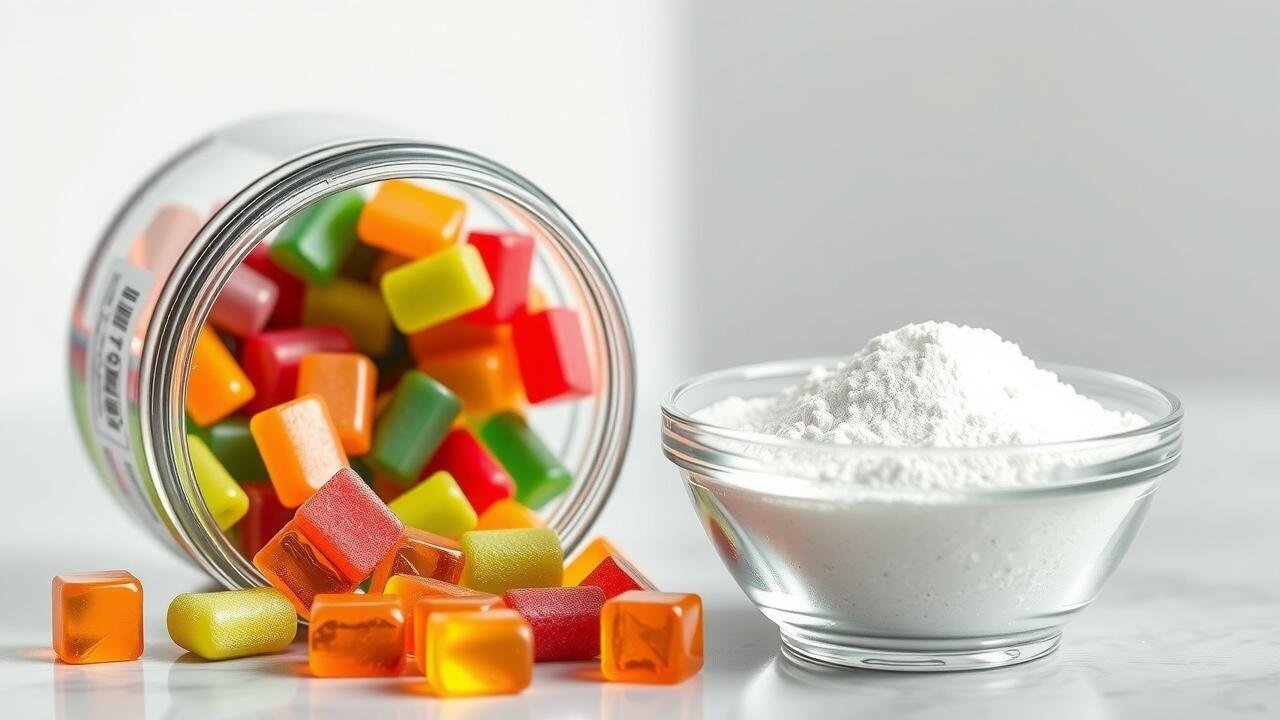
Creatine gummies are chewable dietary supplements designed to provide the benefits of creatine in a convenient format. They often come in tasty flavors, making them an appealing alternative to traditional creatine powders. These gummies typically include various ingredients, sometimes combining creatine HCl or creatine ethyl ester with other nutrients. Users can easily carry a bottle of gummies, allowing for on-the-go consumption without the need for drink mixes or measuring with a teaspoon.
Unlike creatine powder, which may require mixing with liquids like milkshakes or water, creatine gummies offer a hassle-free option. This convenience can be especially beneficial for those who may experience stomach cramps with certain powders. While both creatine gummies and powder provide essential supplementation, the choice largely depends on individual preferences and lifestyle needs, highlighting the ongoing debate in the creatine gummies vs powder discussion.
What Is Creatine Powder?
Creatine powder is a popular dietary supplement known for its ability to enhance athletic performance and muscle growth. This formulation typically comes in a fine, white powder that can be mixed with water, juice, or other drinks. Users appreciate its versatility, as it can be easily tailored to individual needs. Unlike creatine gummies, which offer a chewy alternative, the powder form allows for direct control over dosage. Some athletes prefer this method for supplementation, especially when looking to avoid added sugars found in flavored creatine gummies.
The benefits of using creatine powder extend beyond its flexibility in dosage. It often provides a higher concentration of creatine per serving than gummies or pills. This means athletes can consume a potent dose with fewer calories and less sugar. However, some individuals might experience stomach discomfort or cramping when taking creatine powder, particularly if they do not stay adequately hydrated. While both creatine gummies and powder serve the same purpose, personal preference often dictates which option is chosen for supplementation.
Benefits of Creatine Gummies
Creatine gummies offer a unique blend of taste and nutrition that appeals to many users seeking a convenient supplement. Unlike generic creatine gummies, which may vary in quality, premium options often integrate natural flavors, making them more palatable than traditional creatine powder. The presence of ginseng in some formulations can enhance overall health benefits, providing an additional boost during workouts. Dosing with creatine gummies is straightforward and does not require the careful measuring associated with powder, catering to those who prefer quick solutions. In comparing creatine gummies versus powder, it’s clear that many consumers prioritize the enjoyment of their supplements alongside effective nutrition, leading to a more consistent intake.
Convenience and Portability
Creatine is now available in the form of convenient and tasty gummies, appealing to those seeking a more enjoyable supplement experience. Well-formulated creatine gummies provide a precise dosage, which can be beneficial for athletes who prefer a fixed dose each time. This is particularly advantageous compared to creatine powder, where users might have to measure out their doses themselves. While creatine gummies are typically smaller doses than those found in creatine powders, their convenience makes them an attractive option for busy individuals.
The creatine gummy formulation is technically more demanding than powder due to the need to maintain flavor and texture while ensuring effectiveness. Serious athletes may consider the trade-offs of creatine gummies vs powder, as the latter allows for greater dosage flexibility. For those who value portability, creatine gummies are easy to carry and consume without the need for mixing. Choosing between creatine gummies and powder will ultimately depend on personal preferences and lifestyle factors.
- Easy to carry in a gym bag or purse
- No need for measuring tools, adding to convenience
- Variety of flavors available to suit different tastes
- Quick and easy to consume on-the-go
- No need for water or mixing, making it hassle-free
- Ideal for travel, as they are lightweight and compact
- May appeal to those new to supplements or hesitant about powders
Taste and Palatability
Creatine gummies offer a distinct advantage in terms of taste and palatability compared to traditional creatine powders. Many users find flavored creatine powder less enjoyable, with options ranging from fruity to less appealing flavors. In contrast, the formulation of tasty gummies makes them more appealing for those who struggle with the taste of standard creatine powders. For individuals looking to avoid both powdered creatine monohydrate and creatine pills, gummies serve as a delicious alternative.
On the other hand, creatine powder wins in terms of versatility with flavor options, from flavored varieties to unflavored creatine powder. While powdered creatine can cater to specific taste preferences, those seeking convenience may gravitate towards creatine chews or gummies. The choice between creatine gummies and powder ultimately hinges on individual taste preferences and lifestyle needs, making it essential to weigh the flavor experience alongside the other factors in creatine gummies vs powder discussions.
Benefits of Creatine Powder
Creatine powder offers significant advantages in the realm of oral creatine supplementation. One of the standout features is dosage flexibility, allowing users to customize their intake according to their fitness goals. Traditional creatine supplements often present a straightforward way to manage creatine content, ensuring the active ingredient creatine is consumed in precise amounts. While many gummies may provide convenience and taste, momentous creatine chews and creapure® creatine maintain a strong reputation among serious athletes. In the comparison of creatine gummies vs powder, the powdered form typically delivers a higher concentration of contained creatine amounts, making it a reliable choice for those looking to maximize their performance enhancement.
Dosage Flexibility
Creatine powder offers users a level of dosage flexibility that is often unmatched by gummies. With traditional creatine monohydrate, individuals can easily measure and adjust their intake based on personal needs. This adaptability is beneficial for those who prefer a fresh creatine shake or want to mix their doses with other supplements. The ability to choose between different forms, such as micronized creatine or creatine malate, allows for tailored approaches to natural creatine supplementation.
On the contrary, creatine gummies come in pre-determined doses which may limit one’s ability to fine-tune their intake. While they are convenient and palatable, these gummies typically contain creatine monohydrate in fixed quantities. This restriction can be a drawback for serious athletes or bodybuilders who want to maximize their creatine levels based on their training demands. Understanding the trade-offs in the creatine gummies vs powder debate is essential in determining which form is right for specific fitness goals.
Cost-Effectiveness
Creatine monohydrate supplementation remains a popular choice among many creatine users due to its cost-effectiveness. While creatine gummies are often marketed for their convenience, the price per serving can be higher than traditional powder forms. Gummy manufacturers may need to balance production costs with appealing gummy tastes, leading to a premium price tag. For those who prioritize consistent creatine supplementation, understanding the relative prices of creatine gummies vs powder is essential for making an informed decision.
Creatine users should also consider the creatine absorption rates and how they align with their creatine intake goals. The creatine minimum required to achieve noticeable benefits varies by individual, but powder forms typically allow more flexibility in adjusting servings to meet personal needs. On the other hand, creatine gummies may have limitations in potency, potentially impacting the creatine stores available for energy production. Carefully evaluating the cost and effectiveness of each creatine form can help determine the best option based on personal fitness objectives.
| Form of Creatine | Average Cost per Serving | Absorption Rate | Potency |
|---|---|---|---|
| Creatine Monohydrate Powder | $0.03 – $0.05 | High | High |
| Creatine Gummies | $0.10 – $0.15 | Moderate | Low to Moderate |
| Creatine HCl | $0.05 – $0.08 | High | Moderate |
| Micronized Creatine | $0.04 – $0.06 | Very High | High |
Creatine Gummies vs Powder: Which Is Better?
The comparison of creatine gummies vs powder reveals distinct advantages and preferences for each format. The delicious gummy format appeals to those who seek chewable supplements, making them an enjoyable option for daily intake. However, the powder versions, particularly the gold-standard creatine monohydrate and momentous creatine monohydrate, allow for more precise control over the powder dose, enabling users to easily adjust intake based on their needs. While both formats contribute to muscle creatine saturation and ultimately enhance total creatine levels, protein powders offer benefits such as quicker absorption and a higher concentration of creatine per serving, which may be more effective for serious athletes. Ultimately, choosing between creatine gummies vs powder will depend on individual preferences related to taste, convenience, and specific fitness goals.
Nutritional Differences
Creatine gummies vs powder present distinct nutritional profiles. Gummies often contain additional sugars and flavors to appeal to gummy lovers, which may affect overall caloric intake. On the other hand, plain powder offers a straightforward and concentrated source of creatine, allowing for a more precise daily creatine intake. Those focused on muscle creatine stores may find the gold standard creatine powder more effective due to its higher purity and potential for intracellular creatine absorption.
The differences in formulation also influence how creatine is utilized by the body. Creatine powder, especially when combined with creatine nitrate or other performance-enhancing compounds, can contribute to optimal stored creatine levels in skeletal muscles. Gummy failings may include lower creatine concentrations, which could hinder the effectiveness of daily creatine stores. A comprehensive analysis of creatine options indicates that while gummies provide convenience, the powder remains the top choice for those serious about maximizing their creatine train benefits.
Absorption Rates
The absorption rates of creatine can vary significantly between creatine gummies vs powder. Standard powder forms, such as Creapure, are often preferred for their efficient absorption. Those choosing traditional powder form will find that it allows for a quicker uptake into the muscles compared to creatine gummies. The powder dosage can be measured precisely, ensuring that users receive the exact amount needed for optimal performance.
Creatine gummies may offer convenience and taste but can result in slower absorption rates. The chews often contain sugars and other binders that may affect how quickly creatine enters the system. In contrast, flavorless powder form tends to dissolve more readily in liquids, promoting faster delivery to muscle cells. For individuals considering a creatine bandwagon, understanding the differences between powder format and gummies is crucial for maximizing benefits in their workout routines.
- Creatine powder typically allows for faster absorption compared to gummies.
- Accurate dosing is easier with creatine powder due to the ability to measure exact amounts.
- Gummies may contain additional sugars which can slow down absorption rates.
- Flavorless powder form tends to mix well with liquids, enhancing solubility and absorption.
- Convenience and taste of gummies might appeal to some users despite slower absorption.
- For optimal performance, consider personal preferences and workout goals when choosing between the two forms.
- Understanding these differences can lead to better supplementation choices for enhanced workout outcomes.
Potential Drawbacks of Creatine Powder
Creatine powder, despite its popularity, comes with some potential drawbacks that users should consider. One common issue is the risk of gastrointestinal discomfort, which can arise from taking large doses of powdered form. While oral supplementation remains a favored method, the powdered form can lead to bloating or cramping for some individuals. This is less common with creatine gummies, which offer a more palatable alternative. Some supplement brands also add various ingredients to their creatine powders, such as creatine magnesium chelate, which might not sit well with everyone. Furthermore, those accustomed to using supplements in pill or gummy form may find the fuss of measuring powder dust cumbersome. Evaluating the pros and cons of creatine gummies vs powder is essential for anyone considering these supplements as part of their regimen.
Possible Side Effects
Creatine, whether in gummies or powder form, can have side effects for some users. Creatine powders, often odorless and made from pure ingredients, can lead to gastrointestinal discomfort if consumed in excessive amounts. While creatine gummies provide a delicious chew, they may also contain additional substances that can cause reactions in certain individuals. Carefully reading labels and understanding the differences between creatine gummies vs powder is essential for making informed choices.
Certain researched supplements show a lower incidence of side effects compared to others. Those who choose powder forms must use a shaker bottle for optimal mixing and dosage flexibility. While gummies may seem more appealing, ensuring that these chewable products contain no harmful additives is crucial. Users should be cautious and seek to treat their bodies well by selecting sure products that align with their health needs, especially in the ongoing creatine gummies vs powder debate.
Conclusion
Creatine gummies and powder represent two distinct formulations of a popular supplement, each catering to different preferences and lifestyles. Recent trends in health and nutrition have led to the emergence of new supplements, such as creatine gummies, which prioritize convenience while still delivering the benefits associated with creatine. Users often weigh the pros and cons of creatine gummies vs powder, considering factors like taste, absorption rates, and individual health goals. Both forms can play a role in enhancing athletic performance and muscle growth, but personal preferences in terms of taste and ease of consumption can significantly influence their choice. Understanding these differences is key for anyone looking to incorporate creatine into their fitness regimen effectively.
FAQS
What are the main differences between creatine gummies and creatine powder?
The main differences between creatine gummies and creatine powder include their form, taste, and convenience. Gummies are chewable and often flavored, making them more palatable for some users, while powders are typically mixed with liquids and can offer more dosage flexibility.
Are creatine gummies as effective as creatine powder?
Both forms can be effective, but absorption rates may vary. Creatine powders typically have a higher concentration of creatine and may be absorbed more quickly, while gummies may offer a slower release due to their sugar content and additional ingredients.
How should I take creatine gummies compared to creatine powder?
Creatine gummies are usually taken as a quick snack or treat, following the serving size on the package. Creatine powder is typically mixed with water or another beverage and consumed, often requiring measurement for dosage.
Are there any disadvantages to using creatine powder over gummies?
Potential drawbacks of creatine powder include the need for mixing and the possibility of an unpleasant taste for some users. Additionally, it may cause gastrointestinal discomfort if not taken properly, while gummies can be easier to consume without any preparation.
Which option, gummies or powder, is more cost-effective?
Generally, creatine powder tends to be more cost-effective than gummies, as powders usually contain a higher concentration of creatine per serving and fewer added ingredients, leading to a lower cost per dose.
What are the cons of using creatine powder compared to gummies when considering creatine supplements?
When comparing creatine gummies to creatine powder, many creatine gummies contain a fixed dose, which is a smaller dose than creatine powder supplements. Creatine powder offers benefits such as being more versatile and often more cost-effective. However, creatine gummies may appeal to those who prefer taste and convenience. A well-formulated creatine gummy can still provide benefits, but it’s important to ensure that you meet your relative creatine needs, especially since pure creatine monohydrate in powder form is typically recommended for serious athletes. Ultimately, the choice between gummies and powder comes down to personal preferences and how well each option meets your specific needs for creatine.
What are the potential cons of using creatine powder compared to creatine gummies in terms of supplement effectiveness?
When considering the cons of creatine powder, it’s important to compare creatine gummies to understand how they function as creatines. Creatine monohydrate gummies provide a fixed dose each, which is often smaller than the servings found in creatine powder. This can be seen as a con when you require more creatine in your diet. Additionally, while creatine powder offers benefits such as flexibility in dosing and typically being more cost-effective, creatine gummies enhance convenience and taste, which some individuals may prefer. Ultimately, the choice between these supplements, including serious creatine gummy options, depends on personal preferences and how the quality creatine serves one’s needs for effectiveness in workouts and overall health.
What are some specific cons of creatine powder when compared to creatine gummies as a supplement choice?
While both creatine gummies and creatine powder serve as effective creatine supplements, there are certain cons associated with creatine powder. Creatine gummies are a fixed dose each, which is a smaller dose than creatine powder, making them easier to consume for those who prefer precise dosing. On the other hand, drinking supplements like creatine powder may sometimes have an unpleasant taste or texture. Additionally, certain supplements in powder form can have a noticeable odor, which may deter some users. Therefore, while powder offers benefits in terms of its potency, the ease of taking creatine gummies might appeal more to those who prioritize taste and convenience in their supplements. Ultimately, it is essential to choose creatine powder or gummies based on individual preferences to ensure that creatine works effectively for your needs.
What are the cons of using creatine powder as opposed to other forms of supplements like gummies?
While creatine powder offers benefits in terms of versatility and cost-effectiveness, the cons include its potential taste and texture issues, making it less enjoyable for some users. In contrast, creatine gummies, which are often more palatable, can be seen as a more appealing alternative. Despite this, it’s important to consider that the efficacy of any creatine supplement, whether chews or powder forms, ultimately matters, especially in relation to meeting dietary needs and performance goals. A comprehensive analysis of creatine sources indicates that while creatine powder is a proven option for many, creatine chews take the lead in taste, which may encourage more consistent use among those who might shy away from the traditional powder forms. Ultimately, where the creatinine matters in supplementation, personal preference and goals should guide your choice between these forms of supplements.
What are the cons of creatine powder when compared to using gummies as a meal replacement supplement?
The cons of creatine powder, whereas creatine powder often requires mixing and may not be as convenient as gummies, which are ready to eat. Gummies push creatine in a tastier format, appealing to those who dislike the taste of powder. While both forms can be effective supplements—so it matters how you prefer to consume them—creatine powder offers benefits such as cost-effectiveness and versatility. A comprehensive analysis of creatine shows that verified creatine in various forms, including odorless powders, serves different user needs, making it crucial to choose the right supplement based on personal preferences. Chews aren’t a cure-all but can supplement diets effectively, especially when used alongside meal replacement powders.
What are the cons of creatine powder compared to other supplements when evaluating creatine effectiveness?
When considering the cons of creatine powder, it’s essential to recognize that while powder offers benefits in terms of dosage flexibility and cost-effectiveness, it may not be as convenient as gummies, which are easier to consume on the go. Moreover, some users find that gummies are more palatable and can be consumed alongside food. In a comprehensive analysis of creatine, it matters how you choose your form of supplementation; creatine in proven powder forms remains popular, but creatine gummies can provide an appealing alternative for those who prefer a sweeter intake. Ultimately, whether you opt for powder or gummies depends on personal preference and how creatine meets your specific fitness goals, wherever you are in your supplement journey.
What are some of the cons of creatine powder that users should be aware of when deciding between it and gummies as a supplement choice?
When evaluating the cons of creatine powder, it’s important to recognize that while powder offers benefits such as cost-effectiveness and higher dosage flexibility, many users prefer gummies for their convenience and taste. A comprehensive analysis of creatine matters might reveal that the ease of use with gummies allows individuals to consume creatine wherever they go, without the need for bottles or measuring scoops like with powder. Ultimately, choosing the right supplement depends on personal preferences and how creatine fits into your daily routine.
What are the cons of creatine powder when users are trying to decide if they should push gummies as their creatine supplement?
When considering whether to push gummies or stick with powder, it’s important to note that while creatine powder offers benefits such as a generally higher dosage per serving, some users may find it less convenient compared to gummies. A comprehensive analysis of creatine usage reveals that although powder is a widely used supplement in sports medicine, the ease of consumption and taste of gummies can attract those who find powder less appealing or more difficult to integrate into their routine. Thus, users should weigh the cons of creatine powder against the appealing factors of gummies to determine which form aligns better with their needs for creatine right.
What are the cons of creatine powder in terms of taste when compared to gummies?
When considering the taste, the cons of creatine powder often stem from its gritty texture and the fact that it may not dissolve well in liquids. In contrast, gummies provide a more palatable option that many users prefer. While creatine powder offer benefits like flexibility in dosage, it’s essential to conduct a comprehensive analysis of creatine to determine what form best suits your needs, as both options are commonly used supplements.
What are the overall cons of creatine powder in a comprehensive analysis compared to gummies?
When conducting a comprehensive analysis of creatine supplements, the cons of creatine powder include its potential for a chalky texture, difficulty in mixing, and the necessity for water intake, which can make it less convenient compared to gummies.