Key Takeaways
- Summary of creatine products and their forms
- Comparison between powdered and tablet versions
- Advantages associated with creatine tablets
- Recommendations for using creatine supplements
- Possible adverse effects of creatine
- Determining the suitable type of creatine for individual needs
Overview of Creatine Supplements
Creatine is a popular supplement among athletes and fitness enthusiasts due to its ability to enhance performance and support muscle growth. Creatine supplements come primarily in two forms: creatine powder and pills. The creatine powder is often favored for its versatility, allowing users to easily mix it with protein powder or other beverages. Conversely, creatine pills offer a convenient option for those on the go, providing a simple way to include creatine in one’s daily routine. The ongoing debate of creatine powder vs pills highlights the importance of understanding individual needs and preferences in creatine supplementation. Factors such as dosage, absorption rates, and lifestyle can significantly influence the choice between these two forms of creatine, ensuring the best fit for each user’s goals.

What is Creatine?
Creatine is a naturally occurring compound found in small amounts in certain foods and synthesized in the body from amino acids. It plays a crucial role in the production of energy during high-intensity exercise. As a dietary supplement, creatine can enhance athletic performance and support muscle growth. Available in various forms, including creatine powder and pills, these supplements contain active ingredients designed to boost energy levels and improve recovery times for athletes.
The primary form of creatine used in supplements is creatine monohydrate, which is often compared in discussions about creatine powder vs pills. While creatine powder is typically mixed with water or a beverage, pills provide a more convenient option for those on the go. Both forms have their pros and cons, but understanding the ingredients and their absorption rates is key to effective supplementation. Unlike prescription medications, creatine is classified as a dietary supplement, allowing for more flexibility in usage.
Types of Creatine Supplements
Creatine supplements come in various forms, each with unique characteristics. Creatine powder is one of the most popular types, allowing for easy mixing with liquids. Users often appreciate the flexibility in dosing that powder provides. On the other hand, creatine pills and capsules offer a more convenient option for those on the go. These tablets can serve as a quick snack, making it easier to incorporate the active ingredient into one’s routine without the need for measuring doses.
The U.S. Pharmacopeia ensures that creatine supplements meet specific standards to minimize contaminants. Both forms of creatine, powder and pills, can be effective, but they may vary in how quickly the body absorbs the active ingredient. Clinical dietitians often recommend considering individual preferences and lifestyle when choosing between creatine powder vs pills. Ultimately, the decision will depend on personal convenience and the desired form of supplementation.
Creatine Powder vs Pills
Understanding the differences between creatine powder and pills is crucial for selecting the right supplement. Creatine powder, often mixed with water or a beverage, typically contains essential amino acids and may have added vitamins or anti-caking agents to enhance its usability. On the other hand, pills come in capsule form, offering a convenient option for those who prefer not to mix powders. While both forms deliver the same active ingredient, the absorption rates may vary, influencing how effectively the body utilizes creatine for energy production and muscle maintenance. The Mayo Clinic advises considering personal preferences, such as ease of consumption and the required maintenance dose, when choosing between creatine powder and pills. Understanding the chemical composition of each form, including the presence of methionine and various acids, can also guide your decision for optimal nutritional benefits.
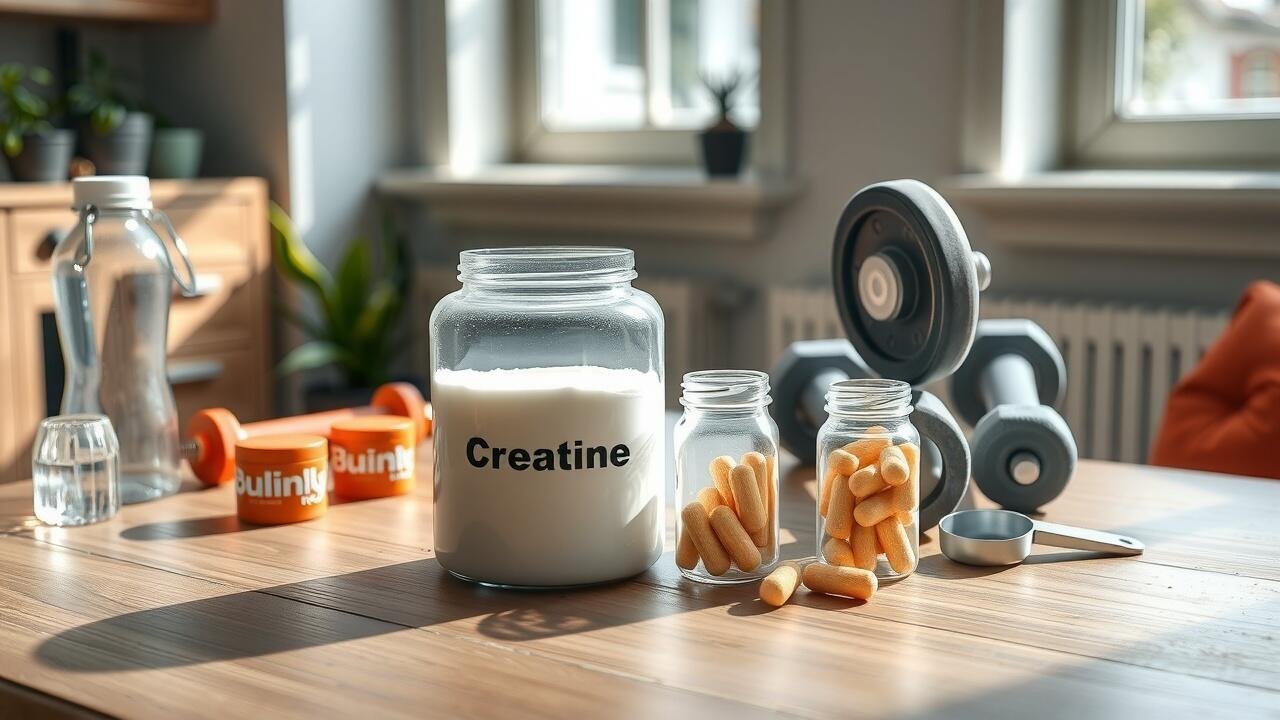
Key Differences Between Creatine Powder and Pills
Creatine powder and pills differ significantly in terms of formulation and usage. Creatine powder typically dissolves in a drink, making it easier to customize the dosage according to individual needs. This form allows users to mix it with other supplements or flavors. On the other hand, creatine pills or capsules offer a more predetermined dosage, which can help with convenience for those who prefer not to mix powders. Both forms contain the same active compound, but the powdered form may sometimes include additional ingredients like sugar or peptides to enhance absorption.
Another key difference lies in the absorption rates of creatine powder versus pills. Research suggests that powdered creatine is absorbed more quickly by the body due to its dissolvable nature, allowing for a faster onset of benefits. However, creatine pills provide a slower release, which some users might prefer for steady supplementation throughout the day. Ultimately, the choice between creatine powder and pills often boils down to individual preferences regarding dosage control, mixing convenience, and absorption speed.
Benefits of Creatine Powder
Creatine powder offers a multitude of benefits for those engaging in creatine supplementation. One of the most notable advantages is cost-effectiveness. Creatine powder is almost always more cost-effective than pills, as it typically costs less per serving than creatine pills. This affordability allows users to incorporate a sufficient dose of creatine monohydrate powder into their routines without breaking the bank.
The effectiveness of powdered creatine monohydrate is another significant benefit. Many athletes prefer this form due to its convenience in mixing with water or other beverages. The active ingredient creatine is absorbed efficiently by the body, making creatine powder a preferred choice for those looking to enhance their performance. While creatine capsules offer a convenient alternative, the cost comparison highlights why many opt for creatine powder vs pills in their supplementation regimen.
Benefits of Creatine Pills
Creatine pills offer several advantages that make them a popular choice among fitness enthusiasts. Their convenience and portability allow users to easily incorporate them into a busy lifestyle, perfect for those who are on the go. While creatine powder vs pills tends to be a common debate, pills provide a straightforward method of achieving optimal creatine dose without the need for measuring scoops. The contained creatine amounts are pre-measured, eliminating guesswork. Some users find that creatine works effectively in this form, as the absorption of creatine levels remains consistent. Although creatine gummies are often pricier than powders, many still prefer pills for their simplicity. It’s essential to consider personal preferences in supplementation when choosing a creatine form, as creatine doesn’t suit everyone equally.
Convenience and Portability
Choosing between creatine powder vs pills can significantly impact a user’s experience. Creatine pills offer a level of convenience that appeals to those with busy schedules. These pills make it easier for creatine users to maintain their supplementation routine without the hassle of measuring out powders. The storage and portability of pills mean that they can be taken anywhere, ensuring that total creatine levels remain optimal. This ease of use allows individuals to maintain their creatine stores effectively, making it less likely that they will miss a dose during the day.
Creatine powder, while effective, may require more preparation and attention during dosage. Users need to measure the right amount, often feeling overwhelmed with creatine loading phases. By contrast, pills often contain just pure creatine without fillers—just pure creatine, allowing for a more straightforward approach to supplementation. For those focusing on a creatine minimum to enhance their workouts, the decision between creatine powder vs pills can be critical in achieving their fitness goals without unnecessary complexity.
Dosage and Absorption Rates
Creatine supplementation is largely recognized for its role in enhancing athletic performance, with creatine monohydrate being the most popular and researched form. Creatine powder vs pills often leads to discussions around delivery and absorption rates. Creatine monohydrate delivers a significant boost in muscle creatine stores due to its ability to draw water into muscle cells. This hydration effect is crucial for optimal muscle function during workouts. On the other hand, the absorption may differ between forms, as powdered supplements can often be absorbed more quickly compared to pills which need to break down before releasing the active creatine monohydrate.
Proper dosage is essential to maximize the benefits of creatine. For those on their creatine journey, adhering to an adequate sleep schedule and maintaining a balanced diet can amplify results. Many athletes prefer unadulterated creatine monohydrate due to its proven efficiency. Creatine gummies are an alternative for those who seek convenience, but the dosage might be less precise. Understanding the differences in absorption rates between creatine powder vs pills can help individuals make informed choices that align with their training goals.
- Creatine monohydrate is widely studied and shown to improve strength and muscle mass.
- The typical loading phase involves taking 20 grams per day for 5-7 days, followed by a maintenance dose of 3-5 grams per day.
- Powdered creatine tends to be absorbed faster than pills due to its solubility in water.
- Staying hydrated while supplementing with creatine is important for optimal performance and recovery.
- Individual responses to creatine can vary based on factors such as muscle fibers and diet.
- Combining creatine with carbohydrates can enhance its uptake into muscle cells.
- Regular training and consistency in supplementation are key to experiencing the full benefits of creatine.
Usage Guidelines for Creatine Supplements
Understanding the recommended dosages for creatine supplements can enhance the efficacy of your long-term creatine journey. Creatine powder vs pills often comes down to individual preferences and lifestyle factors. Many users prefer the convenience of premeasured pills or capsules, allowing for easy transportation and consistent dosing. On the other hand, creatine powder versions provide flexibility in adjusting dosage but may require measuring tools. Emerging options like creatine gummy supplements, including creatine monohydrate gummies, also offer a palatable alternative. Trusted creatine monohydrate remains a common choice among athletes, yet it’s essential to navigate through the creatine myth-busting to determine what fits best for personal goals. Whether opting for several pills or a scoop of powder, finding the right format is crucial for maximizing benefits effectively.
Recommended Dosages for Creatine Powder
For those opting for creatine powder, the standard recommended dosage often starts at around 3 to 5 grams per day. This amount allows users to effectively increase their muscle creatine stores over time. Many individuals prefer this powder version over a pill-based supplement, as it can be mixed easily with water or shakes. Unlike multiple pills which can sometimes feel cumbersome to take, a single serving of powder contains an adequate amount of creatine for daily use.
Some users may choose to undergo a loading phase, which typically involves taking higher doses of the powder for the first week, followed by a maintenance phase. This approach may help saturate the muscles more quickly compared to pills. A common practice is to split the dosage into two servings to optimize absorption. Since some powders can vary in strength and formulation, it’s crucial to consult product labels to ensure proper dosages and benefits when comparing creatine powder vs pills.
Recommended Dosages for Creatine Pills
Creatine pills typically come in convenient dosage forms that allow for easy consumption. Many users prefer the pill form due to its portability and reduced risk of powder spills. The effective ingredients in these pills can provide similar benefits as creatine powder, making them an appealing choice for those aiming to meet their nutritional goals without the hassle of measuring. Daily supplements in pill form can simplify adherence to a supplementation routine, especially for those who may be taking multiple supplements each day.
Dietary supplement research suggests that for most individuals, a daily dosage of 3 to 5 grams of creatine pills is adequate to achieve desired effects. This dosage aligns well with the recommended amounts for a single-ingredient supplement, ensuring a safe and effective intake. Users should always check product labels for specific ingredient details and consult healthcare professionals to tailor their supplement regimen according to personal fitness and health objectives.
| Dosage Type | Amount | Best Time to Take |
|---|---|---|
| Maintenance Dose | 3-5 grams | Anytime during the day |
| Loading Dose | 20 grams (split into 4 doses) | Spread throughout the day |
| Post-Workout Dose | 5 grams | Immediately after workout |
| Pre-Workout Dose | 3-5 grams | 30-60 minutes before exercise |
Potential Side Effects of Creatine
Understanding the potential side effects of creatine supplements is crucial, especially when comparing creatine powder vs pills. While creatine is generally safe for most individuals, some may experience adverse reactions, particularly with higher doses. Quality supplements are essential to minimizing risks associated with unregulated substances. Health-promoting ingredients found in high-quality supplements can mitigate some side effects. However, both powdered and pill forms of creatine might cause gastrointestinal discomfort or muscle cramping in certain users. It is vital to adhere to the necessary dose outlined in your supplement routine to avoid these issues. Ultimately, knowing the potential side effects can help you make informed choices between creatine powder vs pills to ensure a beneficial supplementation experience.
Side Effects of Creatine Powder
Creatine powder is widely regarded as a popular supplement among athletes and fitness enthusiasts. However, like any supplementation, it may come with potential side effects. Some individuals experience gastrointestinal discomfort, including bloating and cramping, particularly if the dose exceeds their body’s tolerance levels. Maintaining an appropriate dose tailored to an individual’s nutritional needs is crucial to minimizing adverse effects. It is also essential to consider any additional ingredients in the formulation, as they may contribute to unwanted reactions.
Potential side effects may vary when comparing creatine powder vs pills. Users of creatine powder may find it requires careful consideration in their supplementation routine to avoid issues. Factors such as hydration levels and total daily intake can influence how the body responds. While creatine pills may offer convenience, those opting for powdered forms must stay within their desired dose to maximize benefits without experiencing discomfort. Monitoring one’s supplement regimen is important to ensure a safe and effective approach to creatine supplementation.
| Side Effect | Description | Onset Time |
|---|---|---|
| Gastrointestinal Discomfort | Bloating and cramping, often related to dosage. | Within hours of consumption |
| Dehydration | Increased water retention may lead to dehydration if not properly hydrated. | Variable, often during intense exercise |
| Weight Gain | Initial weight gain due to increased water retention in muscles. | Within a few days of starting supplementation |
| Kidney Stress | Possible stress on kidneys, especially at high doses over extended periods. | Long-term usage |
Side Effects of Creatine Pills
Creatine pills can offer a convenient method of supplementation, but they may come with side effects similar to those of creatine powder. Both supplement forms provide the same effective compound, which is critical for enhancing athletic performance and muscle recovery. However, some users may experience gastrointestinal discomfort, especially if taken in higher daily doses. The capsule material can also affect how well the body absorbs the compound, potentially leading to less effectiveness compared to a well-formulated powder shake.
Side effects associated with creatine pills may include cramping and dehydration, particularly if users do not adequately hydrate. Although the science-backed supplements are generally safe, individual responses can vary. For those who consume the same dose of creatine powder vs pills, absorption rates may differ, impacting the way the body utilizes essential amino acids—arginine, methionine, and others—necessary for performance enhancement. Understanding these potential adverse effects can help users make informed decisions about their nutritional strategy.
Which Form of Creatine is Right for You?
Choosing the right form of creatine involves several factors, especially when considering the ongoing debate around creatine powder vs pills. Both options offer unique advantages, but your personal preferences, lifestyle, and any dietary sensitivities play crucial roles. The Mayo Clinic suggests that individuals evaluate their daily dose needs alongside proper nutrition to determine which creatine supplement might work best for them. For those who prefer convenience, creatine pills provide a popular supplement method, while pre-dissolved powders might appeal to others for their rapid absorption. Consulting a healthcare provider, especially if considering a prescription or if you have specific health concerns, can also provide guidance tailored to your needs.
- Creatine powder may be absorbed more quickly than pills, offering faster effects during workouts.
- Pills are often more convenient for on-the-go supplementation and easy to take.
- Look for creatine monohydrate, as it’s one of the most researched and effective forms.
- Consider any dietary restrictions; some creatine products may contain allergens or additives.
- Assess your workout routine; high-intensity training may benefit more from creatine supplementation.
- Pay attention to the dosage; standard recommendations suggest 3-5 grams per day.
- Monitor your body’s response to different forms and adjust accordingly for optimal results.
Factors to Consider When Choosing Creatine Supplements
Choosing between creatine powder vs pills depends on personal preferences and specific fitness goals. For those incorporating a pre-workout drink, creatine powder may offer a nutritional boost that blends well with various drinks. Individuals with dietary restrictions might find it easier to assess the ingredient profile of powders compared to pills. Consulting with a dietitian can help inform your nutritional recommendations to ensure that supplementation aligns with your overall dietary plan.
Long-term supplementation considerations should also play a role in the decision-making process. The dosage form can influence the convenience of taking a full dose daily. Creatine pills are often easier to carry and take on the go, making them a practical choice for many. In contrast, creatine powder allows for more flexibility in adjusting dosages based on individual needs. Weighing these factors can help ensure the chosen form of creatine best supports your fitness supplements and overall performance goals.
Personal Preferences in Supplementation
Choosing between creatine powder vs pills often comes down to personal preferences and lifestyle. Some individuals appreciate the pros of creatine powder, including its dosage flexibility, allowing them to easily adjust their daily intake based on their specific needs. Brands like Bubs Naturals offer high-quality powder that can be effortlessly mixed with beverages, making it a favored option for those who prioritize quick absorption.
On the other hand, creatine pills provide a convenient alternative for those constantly on the go. The simplicity of dosing with pills is appealing, eliminating the need for measuring scoops or mixing. For fans of Bubs, the brand’s creatine pills ensure a reliable intake without the hassle. Ultimately, the choice between creatine powder vs pills should align with individual routines and what feels most comfortable for consistent supplementation.
Conclusion
Choosing between creatine powder and pills involves understanding the key differences in their formulation and benefits. Creatine powder offers a versatile supplement that can be mixed with various nutritional drinks, while pills provide a convenient capsule form for easy consumption. Both forms contain the same essential chemical structure, including methionine and various acids, which aid in muscle performance. However, the presence of anti-caking agents in powdered versions may affect some individuals. The Mayo Clinic suggests considering personal preferences for dosage and absorption rates when deciding on either form. A maintenance dose can be easily tailored through powdered creatine, while pills may offer a more straightforward approach to supplementation. Understanding these aspects is crucial for optimizing your supplement choice.
FAQS
What is the main difference between creatine powder and pills?
The main difference lies in their form and consumption method. Creatine powder is typically mixed with liquids for ingestion, while creatine pills are consumed whole. This can affect the absorption rate and convenience for the user.
Which form of creatine is more effective?
Both creatine powder and pills are effective, but the absorption may vary. Some users find that powder forms are absorbed faster, while others prefer the convenience of pills. Effectiveness can depend on personal preference and body response.
Are there any taste differences between creatine powder and pills?
Yes, creatine powder may have a taste, especially if it is unflavored or flavored. In contrast, creatine pills are tasteless, which some users may find more appealing.
How should I determine the right dosage for creatine supplements?
Dosage can depend on the type of creatine and personal health factors. Generally, it’s recommended to follow usage guidelines provided on the product packaging or consult a healthcare professional for personalized advice.
Can I mix creatine powder with any beverage?
Yes, creatine powder can be mixed with various liquids such as water, juice, or protein shakes. However, it’s best to avoid acidic drinks, as they may affect creatine stability.
How do creatine capsules compare to creatine powder in terms of absorption and cost-effectiveness?
When comparing creatine capsules to creatine powder, it’s important to note that creatine powder often costs less per serving than creatine pills, which can make it a more cost-effective choice for those on a creatine routine. Additionally, studies suggest that creatine powder may have better absorption because it contains fewer inactive ingredients compared to typical pills. On the other hand, creatine capsules offer convenience, especially for those who prefer to avoid the taste of powdered counterparts. It’s essential for users to consider their personal preferences and lifestyle when choosing between these two forms of creatine supplements.
What are the advantages of using creatine powder over creatine pills, especially in terms of cost and absorption rates?
Creatine powder generally offers several advantages over creatine pills, particularly when considering creatine absorption and cost-effectiveness. Creatine powder costs less per serving than creatine pills, making it a more economical choice for many users. Additionally, creatine in powder form typically undergoes less processing and can be absorbed more efficiently by the body compared to creatine pills or capsules. Furthermore, pure creatine monohydrate in powder form is often free of non-essential ingredients that may be found in some creatine pills, allowing for a more effective supplement option. When properly combined with adequate sleep and hydration, creatine supports athletic performance, as it draws water into the muscles, enhancing recovery and strength.
What are the potential side effects of creatine pills or capsules compared to creatine powder, and how do these supplements interact with the body’s hydration levels?
Creatine pills or capsules may carry potential side effects similar to other supplements, such as gastrointestinal discomfort, but generally, the differences in side effects between these forms are minimal. Both creatine powder and creatine pills/capsules can lead to increased water retention in the body, as creatine draws water into muscle cells. Therefore, it’s crucial to maintain adequate hydration while using any creatine supplement. As for the interaction with the body’s hydration levels, both forms promote effective muscle hydration, which is essential for muscle performance and recovery. Many creatine gummies are also available on the market; however, it’s always advisable to consult the food and drug administration and follow guidelines from the US Pharmacopeia regarding supplements to ensure safety and efficacy.
What are some ways to ensure that creatine keeps its effectiveness when using supplements like pills or powder?
To ensure that creatine either in powder or pill form maintains its effectiveness, it’s essential to consider factors such as storage conditions and dosage. Creatine doesn’t degrade quickly if kept away from moisture and heat. Additionally, taking creatine with adequate sleep and hydration supports its benefits. Furthermore, proximate dosing may also assist in optimizing absorption levels. Creatine monohydrate undergoes various transformations in the body, so understanding how these compounds work together with other beneficial supplements can lead to better results, regardless of whether you choose powder or pills found in the supplement aisle.
How does creatine function in the body, and what factors could influence its effectiveness, such as sleep quality and supplementation forms like powder or pills?
Creatine doesn’t just enhance athletic performance; it also plays a vital role in cellular energy production. For creatine to keep providing benefits, factors such as adequate sleep and the method of supplementation—whether in the form of powder or pills—are crucial. Unpacking creatine’s benefits also involves recognizing that not all supplements are created equal, as different forms may vary in how well they are absorbed by the body. Additionally, using a pill dispenser can help manage your intake consistently, ensuring you receive adequate daily doses of creatine, especially when combined with other compounds like methionine—it can enhance overall effectiveness.
How does adequate sleep affect the effectiveness of creatine and what role do different supplements—such as pills or powder—play in its function?
Adequate sleep significantly influences how creatine functions in the body, as it helps in recovery and muscle growth. Creatine exists in various forms, including powder and pills, and choosing the right supplement can affect how well creatine keeps its effectiveness. Additionally, some people may find that certain supplements—so pills or powders—work better for their individual needs and routine. Overall, ensuring you have adequate sleep alongside your chosen creatine supplement can enhance the benefits of creatine.
How does inadequate sleep impact the effectiveness of creatine supplements, such as creatine powder or pills, and are there any medicinal considerations to keep in mind?
Inadequate sleep can negatively impact how creatine functions within the body, meaning that you may not experience its full benefits from supplements like creatine powder or pills. Furthermore, it’s essential to consider medicinal aspects when using creatine. While creatine itself doesn’t cause side effects related to sleep, lack of adequate sleep might reduce overall performance and recovery, making it crucial to maintain good sleep hygiene for optimal results from creatine supplementation.
How does adequate sleep impact the effectiveness of creatine supplements, and do they have medicinal implications for users?
Adequate sleep plays a crucial role in the overall effectiveness of creatine, as it supports muscle recovery and improves metabolic processes. Without proper rest, the body may struggle to utilize creatine effectively, leading to potential diminished results. Furthermore, some studies suggest that creatine doesn’t have the same benefits for individuals with poor sleep quality. Therefore, it is essential to consider both sleep and medicine when looking to optimize creatine supplementation.
How does the efficiency of creatine supplementation relate to adequate sleep, and what considerations should users keep in mind regarding their choice of creatine form?
When considering creatine supplementation, it is essential to understand that without adequate sleep, creatine doesn’t perform optimally. Users should recognize that both creatine powder and pills may not provide the desired benefits if one is sleep-deprived, as adequate sleep is crucial for recovery and muscle growth when using creatine.
Does taking creatine in pill form mean that creatine doesn’t provide benefits when combined with adequate sleep?
No, creatine doesn’t lose its effectiveness based on the form it’s taken, whether it’s pills or powder. However, adequate sleep plays a crucial role in maximizing the benefits of creatine supplementation, as it helps support recovery and muscle repair. Therefore, regardless of the format used, ensuring proper rest is vital to fully harness the advantages that creatine offers.