Key Takeaways
- Summary of creatine and its advantages
- Explanation of creatine monohydrate
- Examination of Creapure creatine
- Comparison between Creapure and creatine monohydrate
- Recommended dosage and cycling of Creapure creatine
- Possible adverse effects of creatine
Overview of Creatine and Its Benefits
Creatine is a naturally occurring compound found in muscle cells, playing a crucial role in energy production during high-intensity exercise. Its supplementation, particularly with creatine monohydrate, has become popular among athletes and fitness enthusiasts seeking to enhance performance and muscle growth. Creapure, a specific brand of creatine monohydrate, is known for its high purity and quality, prompting discussions around Creapure vs creatine monohydrate. While both forms provide benefits, the choice between them may depend on individual preferences for quality and efficacy. Understanding these options enables athletes to make informed decisions about their creatine supplementation strategies.
What is Creatine?
Creatine is a naturally occurring compound found in small amounts in certain foods and synthesized by the body, primarily in the liver. It plays a critical role in energy production, especially during high-intensity exercise. As a supplement, creatine offers enhanced performance benefits for athletes and fitness enthusiasts. Various forms exist, including creatine supplements like creatine hydrochloride (often referred to as creatine HCL) and regular creatine monohydrate. The ongoing discussion of Creapure vs creatine monohydrate highlights the differences between these forms, emphasizing the purity and effectiveness of Creapure.
Creatine serves as a vital energy source for muscle contractions, converting into phosphocreatine to replenish adenosine triphosphate (ATP) levels. As creatinine, a byproduct of creatine metabolism, is expelled from the body, the balance of creatine intake and exercise becomes crucial for optimal performance. Users often seek the most effective blend for their needs, leading to comparisons like Creapure vs creatine monohydrate. Understanding the nuances between different forms of creatine helps athletes choose the best supplement to enhance their training outcomes.
- Creatine supports increased muscular strength and power.
- It can improve exercise performance during short bursts of high-intensity activity.
- Supplementation may lead to enhanced recovery and reduced muscle soreness.
- Creatine may benefit cognitive performance during demanding tasks.
- Hydration status is essential, as creatine can cause water retention in muscles.
- Cycling on and off creatine is a common practice among users.
- It’s important to consult with a healthcare provider before starting supplementation, especially if you have underlying health conditions.
The Role of Creatine in Athletic Performance
Creatine plays a crucial role in enhancing athletic performance by providing the body with a quick source of energy during high-intensity activities. Athletes often choose between different forms of creatine, such as creatine monohydrate and Creapure creatine. While both options increase phosphocreatine stores in muscles, concerns arise over potential contaminants in regular creatine monohydrate. These contaminants can affect performance and safety, leading some athletes to prefer the purer form offered by Creapure.
The effectiveness of creatine largely depends on its type and purity. Creapure, a branded form of creatine monohydrate, undergoes strict production processes to eliminate harmful byproducts, such as creatinine, which can form from creatine breakdown. This difference highlights the potential advantages of Creapure over regular creatine monohydrate, especially for those focused on maximizing performance and minimizing side effects like gastrointestinal distress and acid buildup. Understanding these distinctions can help athletes make informed choices about their supplementation.
Understanding Creatine Monohydrate
Creatine monohydrate is one of the most widely used dietary supplements among athletes and fitness enthusiasts. This compound is composed of amino acids that enhance muscle performance by increasing the availability of energy during high-intensity activities. Its high bioavailability makes it an effective choice for promoting muscle growth and improving recovery times. The ongoing discussion surrounding Creapure vs creatine monohydrate often highlights the purity and quality of Creapure, suggesting that it may offer superior results. Understanding the differences between these forms of creatine can help individuals choose the most suitable option for their fitness goals.
What is Regular Creatine Monohydrate?
Regular creatine monohydrate refers to the most common form of creatine available on the market. It consists of a combination of creatine molecules and water, providing a readily available source of energy for muscle cells during high-intensity activities. Many athletes choose creatine monohydrate due to its effectiveness in enhancing performance and increasing muscle mass. It is often compared against Creapure® creatine monohydrate, which is known for its purity and quality. Understanding the differences in Creapure vs creatine monohydrate can help individuals make informed decisions about which product to incorporate into their fitness regimen.
Standard creatine monohydrate is praised for its efficacy in improving strength, power, and exercise performance. The affordability and extensive research backing its use further contribute to its popularity among fitness enthusiasts and athletes. As users evaluate the options, the comparison of Creapure vs creatine monohydrate plays a crucial role. Those who are keen to maximize their results may consider the advantages of either option while deciding whether to choose creatine monohydrate or its premium counterpart.
| Creatine Type | Key Benefits | Purity Level | Price Range |
|---|---|---|---|
| Regular Creatine Monohydrate | Enhances strength and power, boosts muscle mass | Standard purity | Low to moderate |
| Creapure® Creatine Monohydrate | Higher quality, better solubility | Higher purity (99.9%) | Moderate to high |
| Micronized Creatine Monohydrate | Better absorption, reduced bloating | Standard purity | Moderate |
| Creatine HCL | No loading phase required, less water retention | High purity | Higher |
Benefits of Regular Creatine Monohydrate
Regular creatine monohydrate is well-known for its ability to enhance muscle mass and strength. Users often report significant gains in performance during high-intensity training, making it a staple in athletic supplementation. Compared to generic creatine monohydrate, pure creatine monohydrate, such as Creapure creatine, provides a more reliable source of this powerful compound. This distinction is crucial for athletes seeking to maximize their benefits from creatine supplementation, particularly when evaluating Creapure vs creatine monohydrate options.
Another benefit of regular creatine monohydrate lies in its well-researched safety profile and affordability. It is often easier to find and more cost-effective than alternatives like Creapure creatine. One of the reasons athletes gravitate towards regular creatine monohydrate is its proven track record in promoting recovery, improving endurance, and supporting overall athletic performance. Whether one opts for pure creatine monohydrate or a generic version, the key is to ensure that the chosen product aligns with their fitness goals and needs.
Exploring Creapure Creatine
Creapure® Creatine stands out as a premium choice in the realm of creatine supplements, offering a high-quality creatine monohydrate option that has gained recognition among athletes and fitness enthusiasts. Unlike regular creatine monohydrate, Creapure®-sourced monohydrate undergoes strict quality control processes, ensuring its purity and effectiveness. Users often report that Creapure performs exceptionally well in boosting athletic performance, particularly in high-intensity training. The micronized creatine monohydrate formulation enhances solubility, making it easier to mix and absorb. This raises an interesting point of comparison in the Creapure vs creatine monohydrate discussion, as many users weigh the benefits of investing in a superior product against the standard options available.
What is Creapure® Creatine?
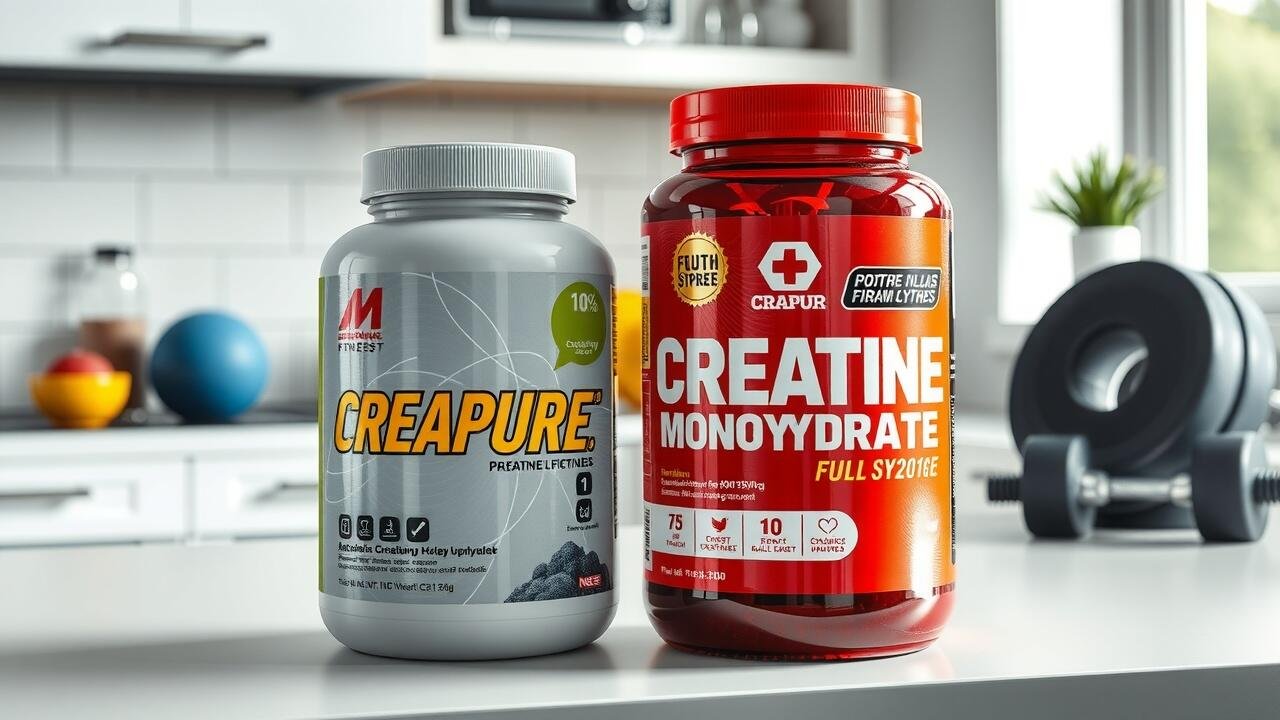
Creapure is a branded form of high-purity creatine monohydrate known for its exceptional quality and effectiveness. This pure creatine product is manufactured in Germany, ensuring that it meets stringent purity standards. Athletes and fitness enthusiasts often seek Creapure due to its reputation for promoting optimal performance and muscle growth without the impurities found in some other creatine products. The focus on purity sets Creapure apart in discussions of Creapure vs creatine monohydrate, making it a preferred choice for those who prioritize quality.
The production process of Creapure utilizes advanced methodologies that eliminate contaminants commonly found in lower-grade creatine sources. As a result, users can expect a consistent and effective supplement that enhances their workout routines. This high-purity creatine monohydrate is not only ideal for enhancing physical performance but also plays a significant role in recovery and muscle maintenance. Those comparing Creapure vs creatine monohydrate will find that the formulation of Creapure stands out due to its unparalleled quality and effectiveness in supporting athletic endeavors.
Advantages of Using Creapure Creatine
Creapure is a premium creatine product known for its high purity and quality. This distinguishes it from standard creatines like regular creatine monohydrate. Many athletes and fitness enthusiasts consider Creapure a creatine pro choice, as it is formulated to provide optimal absorption and effectiveness. Users often report noticeable improvements in strength and performance, reinforcing the notion of how creatine works to enhance athletic capabilities.
The manufacturing process of Creapure ensures that it is free from impurities and contaminants commonly found in other creatine products. This aspect is crucial when comparing Creapure vs creatine monohydrate, as the latter may sometimes include unwanted byproducts. Consequently, those who prioritize purity and efficacy often lean towards Creapure. By choosing this form of creatine, athletes can maximize their benefits while minimizing potential side effects associated with lesser quality creatines.
Creapure vs Creatine Monohydrate
The comparison of Creapure vs creatine monohydrate highlights essential distinctions between these two popular forms of creatine. While standard creatine products often consist of regular creatine, Creapure undergoes a rigorous manufacturing process that ensures high purity and quality. This results in fewer impurities compared to conventional creatine products. Users might find that the refined nature of Creapure can lead to enhanced absorption and fewer side effects. Understanding these differences can help athletes and fitness enthusiasts choose the supplement that aligns best with their performance goals and needs. The debate of Creapure vs creatine monohydrate ultimately focuses on effectiveness and user experience.

Key Differences Between Creapure and Regular Creatine Monohydrate
Creapure and ordinary creatine monohydrate differ primarily in their purity and manufacturing process. Creapure is a brand known for its high-quality creatine that undergoes rigorous testing to ensure it is free from contaminants and impurities. This leads to a more reliable product when compared to lower-quality creatine options, which may not always meet the same standards. Consumers often notice that Creapure can enhance creatine stores more effectively, supporting muscle gains and athletic performance.
The effectiveness of Creapure vs creatine monohydrate can also be seen in how individuals cycle creatine for optimal results. Many users report improved performance and quicker recovery times with Creapure, particularly when compared to ordinary creatine monohydrate, which may not deliver the same results consistently. As a result, athletes and fitness enthusiasts often prefer Creapure for its reputation for quality and effectiveness, ensuring they maximize their supplementation for training and competition.
Which Is More Effective: Creapure or Regular Creatine?
The debate between Creapure versus creatine monohydrate often circles around the quality and efficacy of these supplements. Creapure is known for its high-quality manufacturing process, ensuring purity and avoiding impurities commonly found in generic creatine powders. This distinction can play a significant role in performance enhancement since daily supplementation helps to replenish and maintain muscle creatine levels, which are essential for optimal athletic performance.
Research shows that Creapure may lead to better muscle recovery and increased strength gains compared to regular creatine monohydrate. Users often report that high-quality creatine, such as Creapure, is less likely to cause bloating or gastrointestinal discomfort, issues sometimes associated with lower-grade options. This effectiveness in maintaining muscle creatine levels without adverse effects makes Creapure a preferred option for many athletes looking to prevent depletion and maximize their workout results.
Dosage and Cycle of Creapure Creatine
Understanding the appropriate dosage and cycling of Creapure Creatine is essential for achieving optimal creatine levels. For individuals engaged in regular training or athletic performance, recommendations suggest varying dosages depending on the phase of use, often involving a loading phase followed by a maintenance phase. Continuous creatine use can lead to enhanced performance benefits, but proper cycling prevents potential desensitization to the supplement. Exploring creatine topics such as dosage guidelines can provide insights into the best practices. While some athletes opt for creatine chews for convenience, the comparison of Creapure vs creatine monohydrate emphasizes the unique qualities of Creapure, particularly in purity and absorption.
| Phase | Dosage (g/day) | Duration | Notes |
|---|---|---|---|
| Loading Phase | 20g (4 doses of 5g) | 5-7 days | Elevates muscle creatine levels quickly |
| Maintenance Phase | 3-5g | 4-6 weeks | Maintains elevated creatine levels |
| Cycling Off | 0g | 4 weeks | Allows body to reset creatine sensitivity |
| Optional Daily Use | 3g | Ongoing | For enhanced performance and recovery |
Recommended Dosage for Creapure Creatine
Determining the correct dosage of Creapure® creatine is crucial for maximizing its benefits. Generally, creatine users can start with a loading phase of 20 grams per day for the first five to seven days to saturate muscle stores. After that, a maintenance dose of 3 to 5 grams daily is typically recommended. Those examining Creapure might find that its higher purity compared to regular creatine monohydrate allows for effective results even at lower doses, providing a compelling argument in the Creapure vs creatine monohydrate debate.
For optimal absorption, the dissolved creatine should be mixed with a carbohydrate-rich drink. This helps in enhancing uptake into muscle tissue, making the most of the supplementation. It’s advisable to cycle Creapure creatine, using it continuously for two to three months followed by a break of a few weeks. This method can help prevent the body from adapting to the supplement, ensuring sustained effectiveness throughout its use.
How to Cycle Creapure Creatine
Cycling Creapure creatine involves periods of supplementation followed by breaks to maintain the body’s responsiveness to the compound. For optimal creatine dosage, users typically follow a loading phase of approximately 20 grams per day for 5-7 days, then transition to a maintenance phase of 3-5 grams daily. This regimen can enhance performance, especially when taken post-workout, as it supports recovery and muscle replenishment. Many athletes prefer momentous creatine for its purity and effectiveness.
Understanding the comparison between Creapure vs creatine monohydrate is crucial for those considering their options. While both forms serve a similar purpose in boosting athletic performance, Creapure is known for being a doping-free creatine source, ensuring that athletes can compete without concerns over banned substances. Cycles may vary based on individual needs, but a consistent approach helps maximize the benefits while minimizing any potential side effects.
Potential Side Effects of Creatine
Creatine supplementation can lead to various side effects, particularly when considering the differences between Creapure® and regular creatine monohydrate. While both forms are effective in supporting the ATP-creatine phosphate system that boosts energy during high-intensity exercise, individual tolerance may vary. Users have reported common side effects such as stomach discomfort, cramping, and water retention with creatine monohydrate, whereas Creapure® guarantees a higher purity level that may mitigate some of these issues. Brands like Momentous offer creatine chews that leverage the advantages of Creapure®, providing a convenient option with potentially fewer side effects. Understanding Creapure vs creatine monohydrate in this context helps consumers make informed choices about their supplementation.
Common Side Effects of Creatine Monohydrate
Creatine monohydrate is widely recognized for its benefits but it can also lead to some common side effects. Users may experience gastrointestinal discomfort, bloating, and water retention, especially during the initial stages of supplementation. While creatine monohydrate—ideal for enhancing athletic performance—has proven effects, the variations in individual tolerance can cause some athletes to reconsider their dosage or formulation. The discussion around Creapure vs creatine monohydrate often highlights these differences, as quality variations can impact how individuals respond.
Creatine monohydrate—performs well in increasing muscle mass and strength, yet it is crucial to monitor any adverse reactions. Some users report muscle cramps and dehydration, particularly if adequate hydration is not maintained. Though these side effects typically resolve with adjustments in dosage, the Creapure® quality seal distinguishes premium creatine products that may offer fewer issues compared to standard monohydrate sources. Understanding the nuances of Creapure vs creatine monohydrate can help users make informed choices tailored to their needs.
- Gastrointestinal discomfort may occur during supplementation.
- Bloating can affect some users, especially at higher doses.
- Water retention is common and may vary by individual.
- Muscle cramps may result from inadequate hydration.
- Dehydration can arise if water intake is not sufficient.
- Adjusting dosage can help alleviate some side effects.
- Choosing high-quality creatine like Creapure® may minimize adverse reactions.
Side Effects Associated with Creapure Creatine
Creapure Creatine is often touted for its purity and effectiveness compared to regular creatine monohydrate. However, like any supplement, it is not without potential side effects. Users may experience gastrointestinal discomfort, including stomach cramps or diarrhea, especially if taken in high doses. It’s essential to monitor individual reactions, as some may be more sensitive to creatine regardless of its formulation, including micronized monohydrate.
Dietary certifications may lead consumers to believe that Creapure is entirely free from side effects, but personal tolerances can vary. While comparing Creapure vs creatine monohydrate, it’s crucial to note that some individuals report muscle cramping or water retention. Adequate hydration and adherence to the recommended dosages can help mitigate these effects. Always consult with a healthcare professional before starting any new supplements for tailored advice.
Conclusion
Understanding the differences between Creapure and creatine monohydrate is essential for creatine users aiming to maximize their athletic performance. Those looking to examine Creapure will find that it often offers superior solubility and purity compared to regular creatine monohydrate. While both forms can enhance muscle energy and recovery, the refined nature of Creapure® offers distinct advantages in terms of minimized impurities and better digestibility. Dissolved creatine from Creapure is typically more efficient for athletes seeking optimal results. As discussions around Creapure vs creatine monohydrate continue, it’s clear that users must consider their personal goals and preferences when choosing the right supplement for their needs.
FAQS
What is the main difference between Creapure and regular creatine monohydrate?
The main difference lies in the purity and quality of the product; Creapure is a branded form of creatine monohydrate that is manufactured in Germany and known for its high purity, while regular creatine monohydrate can vary in quality depending on the source.
Is Creapure more effective than regular creatine monohydrate?
Creapure is often considered more effective due to its higher purity level, which may result in better absorption and fewer impurities. However, both forms can provide similar benefits for athletic performance.
Are there any specific benefits of using Creapure creatine?
Yes, Creapure creatine is known for its superior solubility and purity, which may lead to improved performance in strength and endurance activities, as well as a lower risk of gastrointestinal side effects.
How should I take Creapure creatine compared to regular creatine monohydrate?
The recommended dosage for both Creapure and regular creatine monohydrate is generally similar, typically around 3-5 grams per day. It’s important to follow specific guidelines on the product label for optimal results.
Can I mix Creapure creatine with other supplements?
Yes, Creapure creatine can be mixed with various supplements, such as protein powders or pre-workout formulas. However, it is advisable to consult with a healthcare professional or nutritionist for personalized advice.
How does creatine pro vary from other forms of creatine, particularly in terms of performance and purity?
Creatine pro often refers to high-purity creatine monohydrate, such as creapure®-sourced monohydrate—performs exceptionally well for athletes. This is ideal for daily use—because creatine works best when taken consistently to prevent deplete muscle creatine levels. Additionally, using creatine post-workout can help with recovery, and products like momentous creatine chews highlight creapure for its superior quality, making monohydrate—the go-to choice for many fitness enthusiasts.
What are the benefits of using high-purity creatine monohydrate on a daily basis, and why is it considered ideal for performance?
High-purity creatine monohydrate is often regarded as ideal because creatine works effectively for enhancing muscle strength and performance. Taking it daily can lead to significant improvements in exercise capacity and recovery, making it a preferred choice for athletes and fitness enthusiasts.
Why is high-purity creatine monohydrate considered ideal for those who use creatine daily?
High-purity creatine monohydrate is considered ideal for daily use because creatine works effectively to enhance performance and recovery while ensuring fewer impurities that can affect the body’s response.
How does high-purity creatine monohydrate compare to other forms of creatine, and why is it considered ideal for daily use?
High-purity creatine monohydrate is considered ideal for daily use because creatine works effectively in increasing strength and muscle mass. Its high purity ensures that users are consuming a product free from impurities, maximizing the benefits associated with creatine supplementation.
Why is high-purity creatine monohydrate considered ideal for those who use it daily?
High-purity creatine monohydrate is considered ideal for daily use because creatine works effectively to enhance performance and recovery when taken consistently. Its purity ensures that users are not exposed to unnecessary additives, making it a preferred choice among athletes and fitness enthusiasts looking to maximize their results.
What makes high-purity creatine monohydrate an ideal choice for athletes who consume creatine daily?
High-purity creatine monohydrate is considered ideal for daily use because creatine works effectively to enhance performance and recovery, providing athletes with the benefits they need to maximize their training outcomes.
What reasons make high-purity creatine monohydrate an ideal supplement for athletes who train daily?
High-purity creatine monohydrate is ideal for athletes who train daily because creatine works effectively to enhance performance, support muscle recovery, and improve overall strength and endurance. Its high purity ensures minimal impurities, making it a safe and efficient option for athletes looking to maximize their training results.
What makes high-purity creatine monohydrate the ideal choice for daily supplementation in athletes?
High-purity creatine monohydrate is considered ideal for daily use by athletes because creatine works effectively to enhance performance, promote muscle growth, and improve recovery times. Its high purity ensures that users experience maximum benefits without unwanted additives or impurities.
What factors contribute to the effectiveness of high-purity creatine monohydrate for athletes who need to supplement daily?
High-purity creatine monohydrate is considered ideal for daily supplementation because creatine works by enhancing athletic performance, increasing strength, and promoting muscle recovery. Athletes choose high-purity creatine monohydrate due to its proven effectiveness and quality, ensuring they receive the best results from their daily regimen.
Why is high-purity creatine monohydrate considered ideal for athletes training daily?
High-purity creatine monohydrate is considered ideal for athletes training daily because creatine works effectively to enhance performance, support muscle recovery, and increase strength, making it a preferred choice for consistent supplementation.