Key Takeaways
- Explanation of collagen fragments
- Function of gelatin
- Comparison between collagen fragments and gelatin
- Common collagen supplements
- Wellness advantages of collagen supplements
- Methods to include collagen fragments and gelatin in your nutrition
Understanding Collagen Peptides
Collagen peptides are short chains of amino acids derived from collagen, offering numerous benefits for health and wellness. Unlike gelatin, which is derived from the same protein but remains in a more gelatinous form, collagen peptides undergo hydrolysis, making them easier for the body to absorb. This hydrolyzed collagen, often referred to as collagen hydrolysate, supports collagen synthesis, enhancing skin elasticity and joint health. The debate of collagen peptides vs gelatin highlights their unique applications; while both provide essential amino acids, collagen peptides are more effective for rapid absorption. Incorporating these peptides into your diet can ensure you receive optimal nutritional benefits, promoting overall vitality and well-being.
What Are Collagen Peptides?
Collagen peptides are short chains of amino acids derived from collagen, a vital protein in the human body that provides structure to skin, bones, and connective tissues. Unlike gelatin, which dissolves in hot water and gels upon cooling, collagen peptides remain soluble even in cold water. This allows them to be easily added to various foods and beverages. As peptide fragments of collagen, they are considered a complete protein, offering essential amino acids that support collagen synthesis and overall health.
These protein supplements are popular for their potential health benefits, including improved skin elasticity and hydration. Collagen peptides can also play a role in promoting the production of glucagon-like peptide-1, which aids in appetite regulation. The protein structure of collagen peptides contributes to their versatility in dietary applications, making them a favorite among those looking to enhance their nutrition. Understanding the differences between collagen peptides vs gelatin is essential for choosing the right form of collagen for specific health goals.
- Collagen peptides support skin health by improving elasticity and hydration.
- They may help strengthen hair and nails, reducing brittleness.
- Collagen peptides can promote joint health and reduce discomfort associated with aging.
- They are easily digestible and can be absorbed quickly by the body.
- Collagen peptides may aid in muscle recovery and growth after exercise.
- They can be conveniently added to smoothies, soups, and baked goods.
- Regular consumption may contribute to overall wellness and vitality.
Benefits of Collagen Peptides
Collagen peptides serve as a powerful supplement, providing essential amino acids that support the body’s connective tissues. These small molecules are easily absorbed, helping to boost the function of fibroblasts, the cells responsible for producing collagen. Compared to gelatin, which is derived from cooked collagen, collagen peptides offer a more concentrated source of protein. This makes them a popular choice for those seeking to enhance their protein intake alongside traditional sources like whey protein, particularly in post-workout recovery.
The benefits of collagen peptides extend beyond just skin health. Research shows that these supplements can aid in maintaining the integrity of connective tissues, promoting joint and bone health significantly. Studies conducted in vitro suggest that collagen peptides positively influence the structure and function of tissues, making them a crucial addition to any wellness routine. As individuals weigh the differences between collagen peptides vs gelatin, the unique properties of peptides often make them the preferred option for those looking to maximize their nutritional benefits.
The Role of Gelatin
Gelatin serves as a vital ingredient in the conversation about collagen, especially when comparing collagen peptides vs gelatin. This soluble form of collagen is derived from the breakdown of collagen-rich proteins, providing key amino acids necessary for maintaining healthy cells and tissues. Often found in popular recipes like bone broth, gelatin not only acts as a thickening agent but also offers numerous health benefits. While collagen peptides are known for their fast absorption, gelatin includes longer amino acid chains which may be beneficial for skin hydration and overall structural support. As a nutritional supplement, its role is significant in combating concerns such as cellulite and promoting joint health, making it a valuable addition to dietary supplementation.
- Gelatin supports gut health by promoting the integrity of the intestinal lining.
- It can enhance skin elasticity and hydration, contributing to a more youthful appearance.
- Consuming gelatin may aid in reducing joint pain and inflammation.
- It is a source of protein, providing essential amino acids that support muscle recovery.
- Gelatin can improve sleep quality due to its glycine content.
- Its versatility allows for incorporation into a wide range of recipes, from desserts to savory dishes.
- Gelatin is often used in various dietary supplements for its beneficial properties.
What Is Gelatin?
Gelatin is a protein derived from collagen, primarily extracted from the bones and connective tissues of animals. Its structure consists of a broken-down form of collagen, which loses its triple-helix formation during the processing. Unlike hydrolyzed collagen peptides, gelatin retains a larger molecular weight, which can affect its digestibility and bioavailability. Many people incorporate gelatin into their diets through homemade broth or store-bought gelatin supplements, benefiting from its unique properties that differ from those of collagen peptide supplementation.
The primary distinction between collagen peptides and gelatin lies in their form and functionality. Collagen supplements are better than gelatin for those seeking targeted health benefits due to their smaller molecular size, which facilitates absorption in the body. Daily collagen peptides may promote skin elasticity and joint health more effectively than gelatin. While both offer advantages, collagen peptides are often preferred for their versatility in supplementation and faster effects compared to traditional gelatin products.
Benefits of Gelatin
Gelatin offers several health benefits that make it a valuable addition to your diet. As a cooked form of collagen, gelatin retains many of the advantages associated with collagen protein. Regular consumption of gelatin can support skin elasticity and hydration, similar to daily collagen peptide intake. Unlike collagen protein powder, gelatin may also aid digestion and promote gut health. Both gelatin and collagen end up as the same amino acids in your body, making them effective for various bodily functions.
For those exploring the differences between collagen peptides vs gelatin, one notable benefit of gelatin is its unique ability to gel and thicken, making it a popular choice in culinary applications. Collagen protein supplements containing gelatin can enhance recipes, contributing both flavor and texture. Health-conscious individuals may find that incorporating gelatin into their diets not only adds variety but also aligns well with overall wellness goals. Whether using oral collagen peptide supplements or gelatin in recipes, both options provide essential benefits for maintaining optimal health.
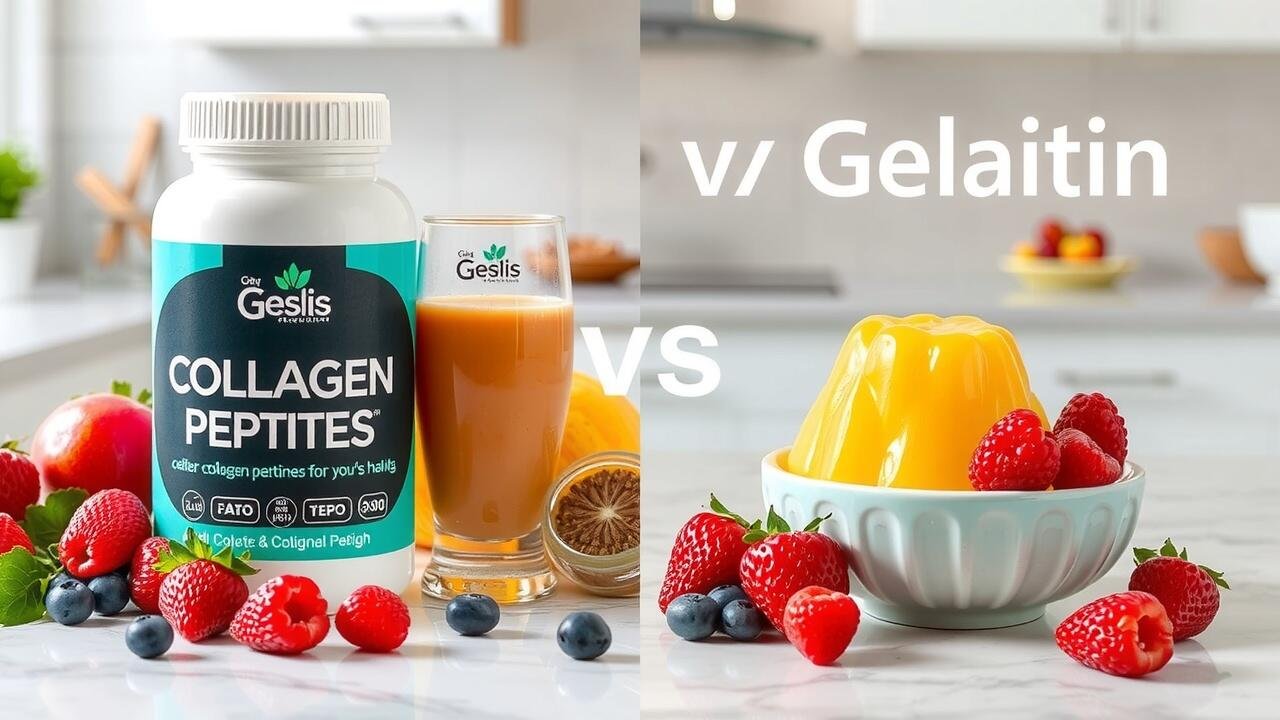
Collagen Peptides vs Gelatin
Understanding the distinctions between collagen peptides vs gelatin is essential for making informed choices regarding collagen supplementation. Collagen peptides are typically derived from the enzymatic breakdown of raw collagen, offering a more bioavailable form that enhances collagen synthesis pathways in the body. This process results in higher collagen content and improved absorption compared to gelatin. For those seeking convenient collagen supplementation, collagen peptides often come in easily mixable forms, with many supplement labels indicating a dosage around 10 grams per serving to optimize benefits for collagen-rich tissues. Gelatin, on the other hand, retains its structural properties, which may appeal to those looking for a more traditional dietary source of pure collagen. Understanding these key aspects allows individuals to select the best option for improving collagen levels and promoting the formation of new collagen.
Key Differences Between Collagen Peptides and Gelatin
Collagen peptides and gelatin serve distinct roles in the realm of health supplements. Collagen peptides are broken down forms of collagen, making them more easily digestible and rapidly absorbed by the body. This process enhances collagen metabolism, promoting the production of actual collagen in the skin, joints, and bones. On the other hand, gelatin is a cooked form of collagen derived from various animal sources, which means it may require more time for the body to break it down and utilize it effectively for maintaining healthy collagen levels.
The choice between collagen peptides vs gelatin also hinges on their diverse nutritional profiles. Collagen peptides typically contain higher concentrations of necessary amino acids that support human collagen synthesis, while gelatin provides a gelatinous texture that can be beneficial in cooking. For those seeking affordable collagen supplementation, collagen peptides offer a convenient option for oral consumption, whereas gelatin can be a natural thickener in recipes. Understanding these differences helps consumers select the best option for their dietary needs and goals related to collagen health.
| Feature | Collagen Peptides | Gelatin |
|---|---|---|
| Digestibility | Easily digestible and rapidly absorbed | Slower to digest and absorb |
| Amino Acid Profile | Higher concentration of essential amino acids | Contains amino acids but in a lesser concentration |
| Culinary Use | Primarily as a supplement | Used as a thickener in cooking |
| Form | Powdered form, mixes easily in liquids | Gelatinous form, needs to be dissolved |
| Price | Generally more expensive | Typically more affordable |
Nutritional Profiles of Collagen Peptides and Gelatin
Collagen peptides and gelatin differ significantly in their nutritional profiles, which affects their use in dietary supplementation. Collagen peptides, being more easily absorbed, can enhance skin collagen production and support overall skin health. This form of collagen supplementation increases the availability of amino acids that contribute to collagen density in the body. In contrast, gelatin, which is derived from cooked collagen, may contain some additional nutrients but often requires more digestion due to its degraded collagen structure. Both sources hold merit as collagen food sources, yet their effects may differ based on individual health goals.
Research supports the benefits of collagen supplementation, showing that collagen peptides boost skin elasticity and hydration. Evidence collagen supplementation reflects improvement in skin collagen levels, thereby aiding in reducing the appearance of fine lines and wrinkles. While unsweetened collagen peptides provide a pure form of this vital protein, gelatin can also serve as a functional ingredient in recipes. Understanding the nutritional benefits of collagen peptides vs gelatin enables individuals to make informed decisions about which form aligns best with their health and dietary needs.
Popular Collagen Supplements
The world of collagen supplements offers a variety of options tailored to different preferences and dietary needs. Collagen peptides, derived from animal sources, provide easy absorption and support dermal collagen density, making them a favorite among many. On the other hand, gelatin refers to a cooked form of collagen that can be used in cooking gelatins, offering both culinary versatility and health benefits. While collagen accounts for vital components of skin and joint health, food-based collagen support can be found in products with added ingredients like collagen chia. For those adhering to a plant-based lifestyle, vegan collagen boosters present an alternative, though they differ from traditional collagen peptides vs gelatin in terms of composition and efficacy. Choosing the right type often depends on individual health goals and dietary restrictions. For cooking, utilizing tbsp gelatin can enrich dishes while still delivering beneficial nutrients.

Types of Collagen Supplements Available
Collagen supplements come in various forms, primarily as collagen peptides and gelatin. These two types are derived from similar sources yet have distinct characteristics. Collagen peptides are hydrolyzed forms of collagen that promote optimal collagen production in the body. On the other hand, gelatin supplements, such as all-natural Balancedocs gelatin, retain their original protein structure and possess unique properties beneficial for various health needs. Gelatin comprises long chains of amino acids and can support joint and skin health effectively.
The market offers a no-fuss collagen solution with options like collagen powders and capsules, catering to different preferences and lifestyles. For those seeking the benefits of gelatin, possible gelatin-based products are available that are easy to incorporate into daily routines. Gelatin supplementation presents an excellent choice for individuals who appreciate its traditional use in food and cooking. Ultimately, understanding the differences between collagen peptides vs gelatin aids in selecting the right supplement for personal health goals.
Choosing the Right Collagen Supplement for Your Needs
Selecting the appropriate collagen supplement entails understanding the nuances between collagen peptides vs gelatin. Active peptides derived from collagen can vary significantly based on their peptide length. Short peptides tend to be more easily absorbed, leading to better efficacy in improving skin and joint health. Commercial gelatin products often contain typical gelatin, which may not provide the same benefits as specially formulated c-enriched gelatin or fish-derived gelatin. These variations can affect collagen quality loss, making it essential to choose wisely.
Factors such as dietary restrictions and personal health goals should also guide your decision. If you are looking for specific peptide fragments that target joint health or skin elasticity, collagen peptides may be preferred over traditional gelatin. On the other hand, if you are seeking a versatile ingredient for cooking and baking, typical gelatin can be a good choice. Understanding these distinctions plays a crucial role in choosing peptides that align with your health and wellness objectives.
Health Benefits of Collagen Supplements
Collagen supplements offer various health benefits, particularly for skin, joints, and bones. Collagen peptides serve as essential building blocks, promoting elasticity and hydration in skin, while beef gelatin and marine collagen provide different sources of this vital protein. The gelatinous texture of products made from gelatin powder enhances the culinary experience and offers a unique way to consume these complete proteins. Whether considering cow collagen or marine sources, both forms contribute positively to overall protein content in the diet. For those looking to incorporate collagen into their meals, a simple addition of a tsp gelatin powder can transform everyday foods into nourishing, protein-rich options. Understanding collagen peptides vs gelatin is crucial in choosing the right supplement tailored to specific health goals.
Supporting Skin Health
Collagen peptides are often praised for their ability to support skin health due to their role in connective tissue synthesis. These smaller, hydrolyzed proteins are easily absorbed and used by the body. The beef gelatin debate highlights how gelatin’s gelling properties can offer similar benefits to collagen peptides, yet they function differently. While jell-o uses gelatin for its thick gel consistency, collagen peptides maintain a more versatile profile that can be incorporated into various recipes, making them a convenient protein source.
Both collagen peptides and gelatin contribute to overall protein content in the diet, but their impact on tissue health varies. Grass-fed bovine collagen is particularly valued for its purity and bioavailability. The differences in absorption between collagen peptides vs gelatin can affect how effectively they support skin elasticity and hydration. Choosing a suitable product based on individual needs can enhance the benefits derived from these similar proteins for skin care.
Promoting Joint and Bone Health
Collagen is the main protein found in our connective tissues, and it plays a crucial role in maintaining joint and bone health. Collagen peptides and gelatin both contain a high percent protein and are abundant sources of amino acids that contribute to the structure and function of joints. These supplements, such as Lab® Nutrigenesis, specifically target the need for increased protein intake, which is essential for preserving protein mass and enhancing overall joint support.
The differences in collagen peptides vs gelatin come into play when considering their absorption and effectiveness. Collagen peptides are hydrolyzed and easier for the body to absorb, while gelatin has a more complex structure. Both forms provide vital proteins that support the regeneration of cartilage and connective tissue. Incorporating these supplements into your daily routine can help ensure proper joint function and promote long-term bone health.
| Supplement | Type | Key Benefits | Recommended Dosage |
|---|---|---|---|
| Lab® Nutrigenesis | Collagen Peptides | Supports joint function, enhances cartilage regeneration | 10g per day |
| Great Lakes Gelatin | Gelatin | Improves skin elasticity, supports digestion | 15g per day |
| Vital Proteins Collagen | Collagen Peptides | Promotes healthy nails, hair and skin | 20g per day |
| Knox Gelatin | Gelatin | Supports joint health, may improve arthritis symptoms | 10g per day |
How to Incorporate Collagen Peptides and Gelatin into Your Diet
Incorporating collagen peptides and gelatin into your diet can be both simple and beneficial. These two forms of collagen differ in their properties, offering various ways to support skin structure and joint tissues. Collagen peptides are often favored for their quick absorption and versatility as a cooking ingredient, whereas gelatin serves as a thickening agent in recipes. Using products like Performance Lab® Nutrigenesis can provide essential amino acids, including glycine, which are crucial for maintaining bone-forming cells and promoting cohesion within the body’s connective tissues. By understanding the differences between collagen peptides vs gelatin, individuals can easily enhance their nutrition and overall health while enjoying delicious meals.
Conclusion
Understanding the distinctions between collagen peptides and gelatin is essential for making informed dietary choices. This knowledge highlights the versatile nature of both supplements, allowing individuals to tailor their intake based on specific health goals. Considering collagen peptides vs gelatin, one can appreciate how each option plays a unique role in supporting overall wellness. By incorporating the appropriate form into your diet, you can effectively harness their respective benefits, enhancing skin health, joint function, and overall vitality.
FAQS
What are collagen peptides?
Collagen peptides are small chains of amino acids derived from collagen, which is a protein found in the skin, bones, and connective tissues of animals. They are often used as dietary supplements to support skin health, joint function, and overall well-being.
How do collagen peptides differ from gelatin?
Collagen peptides are hydrolyzed forms of collagen that dissolve easily in liquids and are quickly absorbed by the body, whereas gelatin is a cooked form of collagen that gels when cooled and requires heat to dissolve.
What are the health benefits of collagen peptides?
Collagen peptides can support skin elasticity, reduce wrinkles, improve joint health, promote muscle mass, and enhance overall skin hydration.
Can I use gelatin in place of collagen peptides?
While gelatin can provide similar benefits to collagen peptides, it does not dissolve in cold liquids and has different culinary applications. If you need a supplement for quick absorption, collagen peptides may be a better choice.
Are there any dietary restrictions for collagen peptides and gelatin?
Both collagen peptides and gelatin are typically derived from animal sources, such as bovine or marine sources, which may not be suitable for vegetarians or vegans. There are plant-based alternatives available that can be considered if you have dietary restrictions.
What are the key differences in collagen synthesis and the protein sources found in collagen peptides compared to gelatin?
The key differences lie in their composition and function. Collagen peptides support collagen synthesis by providing essential building blocks in a more easily absorbed form than gelatin, which is simply the cooked form of collagen. While both contribute to connective tissue support, collagen peptides often have a different amino acid profile, featuring abundant amino acids like glycine and proline, which are crucial for natural collagen production. In contrast, gelatin possesses a thicker gel consistency due to its unique protein structure. Thus, when comparing collagen protein, it’s essential to look at the collagen supplement labels to ensure you are choosing the best source for your needs, whether it’s for joint health or as a versatile cooking ingredient.
How do the amino acid profiles of collagen peptides and gelatin affect collagen synthesis in the body?
The amino acid profiles of collagen peptides and gelatin play a crucial role in collagen synthesis. Both collagen peptides and gelatin provide important amino acids necessary for the body to create its own collagen. Specifically, collagen protein from these sources can aid in collagen synthesis by supplying the essential building blocks that enhance the overall protein content of the body. While gelatin is simply the cooked form of collagen, it also supports collagen synthesis with its high glycine content, which is one of the important amino acids needed. For those considering a supplement, a 10-gram collagen supplement can provide extra collagen that aids in the body’s production of this abundant protein. It’s worth noting that while some people may avoid collagen supplements, incorporating these protein sources can help boost the body’s collagen levels effectively.
How does the ingestion of collagen peptides and gelatin influence collagen synthesis in the body, especially considering their effects on kidney health and the structural differences in their protein forms?
Ingested collagen, whether from collagen peptides or gelatin, plays a significant role in collagen synthesis in the body by providing the necessary collagen building blocks, primarily amino acids like glycine. While collagen peptides are hydrolyzed and easily absorbed, gelatin isn’t as easily broken down, which affects how they gelled in different food products. The variation in their protein forms influences their utility; collagen peptides may lead to faster collagen boosts in tissues. It’s important to consider balanced docs on gelatin as a protein product, especially concerning whole-body protein content and kidney health, as the body’s response may vary with different collagen sources. The structural variations, such as the triple-helix structure of collagen, also impact collagen fragmentation and their overall effectiveness in supporting tissue health.
How do the differences in amino acids between collagen peptides and gelatin affect collagen synthesis in the body?
While both collagen peptides and gelatin are derived from collagen protein sources, their amino acid composition plays a vital role in collagen synthesis. Gelatin primarily consists of amino acids such as glycine and proline, which are crucial for collagen formation. In contrast, collagen peptides are hydrolyzed, making them easier to digest and assimilate, ultimately supporting more efficient collagen synthesis. A summary of collagen synthesis would indicate that the amino acids glycine and proline are essential for producing a balanced structure in collagen, whether from gelatin or peptides. This leads to a thick gel, which helps in understanding how collagen protein compares between the two forms.
What role do collagen peptides and gelatin play in supporting collagen synthesis and how do they differ in terms of their protein structures?
Both collagen peptides and gelatin contribute to collagen synthesis in the body, but they have distinct structural properties. Collagen peptides are typically hydrolyzed proteins, allowing for easier absorption and utilization, while gelatin is derived from the slow-cooked collagen that forms a thick gel when cooled. This difference in protein structure affects their functionalities, yet both serve as primary protein sources in supporting skin health and joint integrity. A balanced use of both can lead to optimal results, summarized by their roles in enhancing collagen synthesis.
How do collagen peptides and gelatin contribute to the process of collagen synthesis in the body, particularly in terms of their protein structures?
Collagen peptides and gelatin are both derived from collagen but differ in their protein forms. Collagen synthesis in the body involves the incorporation of amino acids, and while both sources offer benefits, their protein structures influence how they are utilized. Collagen peptides are typically more easily absorbed, leading to effective collagen synthesis, whereas gelatin forms a thick gel and may have a different impact on the body’s overall collagen production. A balanced approach considering these differences can enhance the effects of collagen on health.
How do collagen peptides and gelatin work in relation to collagen synthesis and what is a summary of their effects on protein structures?
Collagen peptides and gelatin both play significant roles in collagen synthesis in the body. While collagen peptides are derived from hydrolyzed collagen and are easier to digest, gelatin is a denatured form of collagen that can thicken when cooled, forming a thick gel. The protein structures of both contribute to maintaining healthy skin and joints. In summary, the unique properties of collagen peptides and gelatin aid in supporting the overall process of collagen synthesis.
How do collagen peptides and gelatin compare in terms of their contributions to collagen synthesis and the overall effects on protein structures as a summary?
Both collagen peptides and gelatin significantly contribute to collagen synthesis in the body. They differ primarily in their protein structures; collagen peptides are more easily absorbed due to their smaller size, while gelatin forms a thick gel when mixed with water. This difference in absorption can influence how effectively they support collagen synthesis. In summary, while both types of protein play crucial roles in the body, their structural variations lead to different impacts on how they are utilized in collagen synthesis.
How do collagen peptides and gelatin compare in the context of their contributions to collagen synthesis and the roles they play in protein formation?
Collagen peptides and gelatin both play significant roles in collagen synthesis, but they differ in their protein structures. Collagen synthesis benefits from the unique properties of both, as collagen peptides are easier to digest and absorb, while gelatin can create a thicker gel, which is beneficial in culinary applications. The overall summary of collagen synthesis effects reveals that a balanced intake of both collagen sources can optimize the health of protein structures in the body.
How do collagen peptides and gelatin differ in their impacts on collagen synthesis, particularly in their role in maintaining a balanced protein intake for optimal health?
Collagen peptides and gelatin both contribute to collagen synthesis in the body, but their mechanisms and protein structures differ. While collagen peptides are more easily absorbed and promote collagen production effectively, gelatin can form a thick gel that aids in digestive health. Thus, maintaining a balanced protein intake that includes both can support strong collagen synthesis, leading to beneficial outcomes in overall health. This summary highlights the importance of recognizing the unique roles that both collagen sources play in protein formation and health.