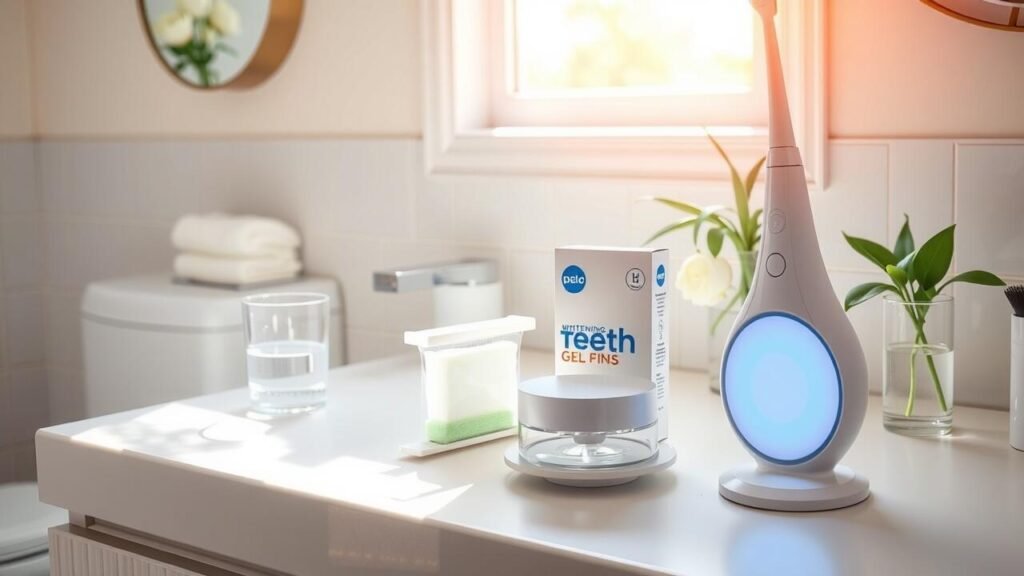
At-Home Whitening Solutions
Many individuals seek at-home whitening solutions to enhance their smile while undergoing Invisalign treatment. Popular options include whitening strips, gels, and trays, which are designed for ease of use and can be applied during daily routines. These products typically contain hydrogen peroxide or carbamide peroxide, which help to break down stains and lighten the teeth.
However, it’s essential to consider how these whitening methods interact with aligners. Staining or clouding of the aligners can occur, potentially affecting their clarity and effectiveness. Additionally, the serum used in certain whitening methods might not penetrate effectively through the aligners, reducing overall whitening results. Users should approach these solutions with caution and awareness of their limitations during orthodontic treatment.
Effectiveness of Whitening Strips and Gels
Whitening strips and gels are widely used options for achieving a brighter smile. These products typically contain hydrogen peroxide or carbamide peroxide, which work to break down stains on the enamel and lighten the color of the teeth. Many users report noticeable improvements in tooth whiteness after consistent application over a couple of weeks. However, the effectiveness can vary significantly between individuals based on factors like the initial shade of teeth and adherence to the product instructions.
While these treatments can yield positive results, there are important considerations regarding their use during Invisalign treatment. The aligners create a barrier that may affect the contact between whitening agents and the teeth. Additionally, some users experience heightened tooth sensitivity or gum irritation, which can be exacerbated by the combination of whitening products and the aligner trays. Therefore, it is crucial to consult with an orthodontist before initiating any whitening regimen during Invisalign therapy to ensure safety and predictability of results.
Potential Risks of Whitening During Treatment
Engaging in whitening treatments while undergoing Invisalign can pose potential risks to both the effectiveness of the aligners and the health of your teeth. Some whitening products, particularly those containing hydrogen peroxide, might cause increased tooth sensitivity. This sensitivity can be further compounded by the pressure exerted by the aligners, leading to discomfort during the treatment process.
There is also a possibility of uneven whitening. The trays used for Invisalign fit snugly over the teeth, which can lead to variations in exposure to whitening agents. Areas that are in contact with the aligners may not whiten as effectively, resulting in a patchy appearance once the treatment is completed. Careful consideration and consultation with an orthodontist are advisable before proceeding with any whitening methods during Invisalign treatment.
Possible Side Effects and Considerations
When incorporating whitening treatments during Invisalign aligner usage, one must be aware of potential side effects. Increased tooth sensitivity is a common concern. Both the aligners and whitening products can contribute to this discomfort, making it important to monitor any changes closely. Some individuals may also experience gum irritation, especially if the whitening agent comes into contact with delicate tissues.
Another consideration involves the timing of the whitening process. Using whitening products too soon may interfere with the attachments and aligners; it’s essential to follow manufacturer guidelines and consult with an orthodontist. Individual responses may vary, making personalized advice crucial. Participants in aligned therapy should carefully assess their oral health and progress before incorporating any whitening solutions to avoid unwanted complications.
Timing Your Whitening Efforts
Finding the right moment to begin teeth whitening while undergoing Invisalign treatment is crucial for optimal results. Starting too early can lead to uneven whitening, as the aligners will cover some areas of your teeth and not others. It is generally recommended to wait until the aligners have shifted your teeth significantly, allowing for more uniform results when you decide to incorporate whitening products.
Many orthodontists suggest waiting until you are about halfway through your Invisalign treatment before starting any whitening regimen. This allows enough time for vital movements in your teeth while providing a whitener to act on the exposed surfaces effectively. Always consult with your orthodontist to determine the best timing for your specific case to avoid compromising your treatment outcomes.
When to Start Whitening in Relation to Invisalign
Beginning the whitening process during your Invisalign treatment can be a bit tricky. Many professionals recommend waiting until you are a few weeks into your treatment. This timeline allows your teeth to adjust to the aligners and minimizes any potential discomfort caused by the combination of both processes.
Invisalign aligners are meant to be worn for 20 to 22 hours a day, which means traditional whitening methods might not be as effective. Some brands offer whitening options that are compatible with aligners. Starting after the initial adjustment phase may lead to better results while ensuring that your teeth remain healthy throughout the treatment.
FAQS
Can I use whitening products while wearing my Invisalign aligners?
It is generally not recommended to use whitening products while wearing your Invisalign aligners, as they can get trapped between the aligners and your teeth, potentially causing uneven whitening and irritation.
When is the best time to start whitening my teeth during Invisalign treatment?
The best time to start whitening is usually after you have completed your Invisalign treatment, as this allows for the most even results and avoids potential complications.
Are there any risks associated with whitening my teeth while undergoing Invisalign treatment?
Yes, there are potential risks, including uneven whitening, tooth sensitivity, and irritation of the gums due to the chemicals in whitening products reacting with the aligners.
What are some at-home teeth whitening solutions compatible with Invisalign?
Some at-home solutions, like custom whitening trays made by your dentist, can be compatible with Invisalign. It’s best to consult your orthodontist for personalized recommendations.
How effective are whitening strips and gels when used during Invisalign treatment?
The effectiveness of whitening strips and gels may be compromised during Invisalign treatment, as the aligners can prevent the products from evenly reaching your teeth. It’s advisable to wait until treatment is complete for the best results.
Related Links
best teeth whitening for sensitive teeth
Can you have teeth whitened with sensitive teeth?
Can I smoke IQOS after teeth whitening?