Pre-Workout Routines Without Creatine
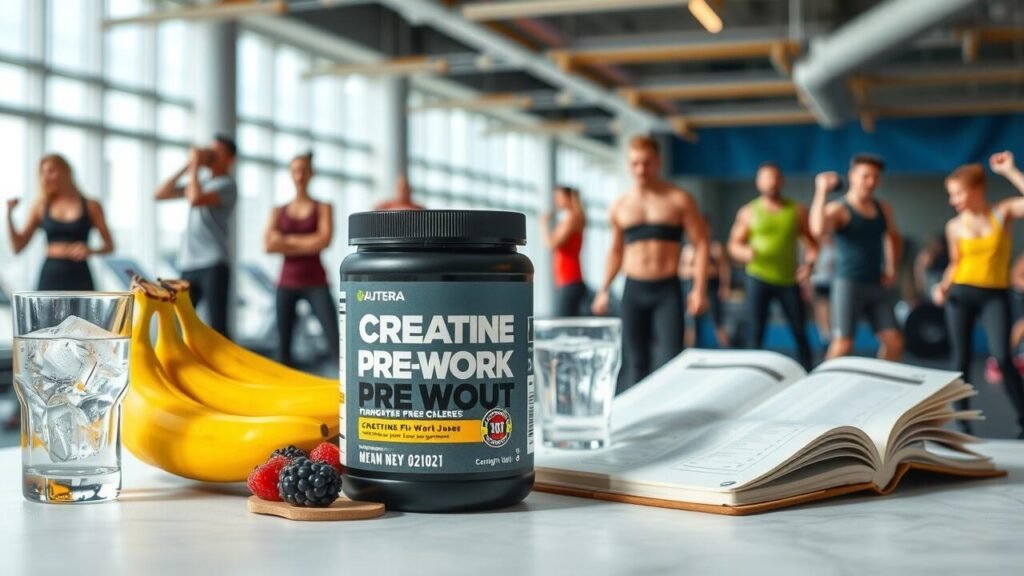
Many fitness enthusiasts seek alternatives to creatine while aiming for an effective pre-workout routine. Focusing on hydration is crucial, as proper fluid intake enhances overall performance and muscle function. Consuming a balanced meal or snack rich in carbohydrates and protein approximately 30 to 60 minutes before a workout can provide the necessary energy boost. Quick-digesting options like bananas, oatmeal, or yogurt are ideal for fueling workouts without the use of supplements.
Incorporating stimulants such as caffeine can also play a significant role in pre-workout preparation. Caffeine not only boosts energy levels but may also improve endurance and focus during exercise. Other pre-workout options might include natural supplements derived from ingredients like beetroot or citrulline malate, which have been shown to enhance nitric oxide production. This increase can lead to improved blood flow and enhance the muscle pump effect, making these alternatives valuable for those aiming to maximize their workout outcomes without creatine.
Alternatives to Boost Your Workout
Several natural alternatives can enhance your workout experience. Nitric oxide boosters are popular among fitness enthusiasts. These ingredients help increase blood flow to the muscles, promoting better vascularity and a more substantial pump during exercise. Common sources include beetroot juice and citrulline malate. Both have been studied for their effectiveness in improving performance and endurance.
Another option includes focusing on your hydration and electrolyte balance. Staying well-hydrated can significantly impact performance levels and muscle fullness. Incorporating electrolytes can aid in maintaining optimal muscle function, reducing the risk of cramps, and enhancing endurance during intense workouts. Foods rich in potassium, magnesium, and sodium can be beneficial in this aspect, helping you maintain energy levels and achieve sustained muscle contraction.
Exercise Types That Maximize Muscle Pump
Focusing on high-repetition weight training can significantly enhance the muscle pump effect. Exercises that involve multiple sets of 12 to 20 repetitions lead to increased blood flow to the muscles, resulting in that sought-after swollen feeling. Incorporating supersets, where two exercises are performed back-to-back with minimal rest, intensifies this effect. This method not only boosts endurance but also contributes to a greater lactate buildup, which aids in the feeling of fullness in the muscles.
Isolation exercises also play a crucial role in achieving a muscle pump. Movements such as bicep curls or tricep extensions allow for targeted engagement of specific muscle groups. This localized effort increases blood flow to the working muscles, amplifying the pump experienced during workouts. Balancing compound movements with isolation work helps to optimize overall muscle engagement and maximizes the pump effect post-exercise.
Best Workouts for Achieving a Pump
High-repetition resistance training is often effective for achieving an impressive muscle pump. Integrating exercises like bicep curls, leg extensions, and tricep pushdowns can enhance blood flow to the muscles. The key lies in performing these exercises with moderate weight, rigorously targeting 12 to 20 repetitions in each set. This approach encourages muscle fatigue while maximizing metabolic stress, an essential component for that desired pump. Short rest intervals between sets help maintain the intensity and blood circulation, enhancing the effectiveness of the workout.
Incorporating compound movements also plays a significant role in achieving a pump. Exercises such as squats, deadlifts, and bench presses engage multiple muscle groups, stimulating greater overall blood flow. Focusing on form and controlled movements while gradually increasing the volume can lead to notable results. Circuit training, where different exercises are performed back-to-back, allows for minimal downtime and maximizes muscle engagement. By mixing both isolation and compound exercises, individuals can create a comprehensive routine that effectively fosters a substantial pump.
Timing Your Nutrition for Optimal Pump
Nutrition timing plays a crucial role in achieving an optimal muscle pump during workouts. Consuming the right nutrients before and after exercises can significantly enhance energy levels and promote muscle fullness. Pre-workout meals should focus on easily digestible carbohydrates and moderate protein. These elements provide a quick energy source while ensuring that the body has sufficient amino acids available for repair and growth.
After a workout, timely intake of protein and carbohydrates supports recovery and replenishes glycogen stores. This immediate post-exercise nutrition can maximize the benefits of your workout and enhance the muscle pump experienced during training. Taking in nutrients within 30 to 60 minutes post-exercise helps stimulate muscle repair while also promoting hydration, further contributing to overall performance and pump effectiveness.
When to Eat for Maximum Effect
Timing your nutrition can significantly influence your workout performance and the muscle pump you achieve. Consuming a balanced meal rich in carbohydrates and protein two to three hours prior to exercising provides your body with the necessary energy. This pre-workout meal helps ensure that your muscles are primed for activity. Additionally, a light snack containing easily digestible carbs, such as a banana or a slice of toast with peanut butter, can be beneficial when consumed about 30 to 60 minutes before your workout.
Post-workout nutrition is equally important for maximizing muscle recovery and growth. Eating a meal high in protein within 30 to 60 minutes after exercise supports muscle repair and replenishes glycogen stores. Some effective post-workout options include a protein shake, Greek yogurt, or a balanced meal that incorporates lean protein and complex carbohydrates. Prioritizing these nutritional windows can enhance the overall effectiveness of your training regimen.
FAQS
Can I achieve a muscle pump without using creatine?
Yes, you can achieve a muscle pump without creatine by focusing on high-rep exercises, proper hydration, and consuming the right nutrients before your workout.
What are some effective alternatives to creatine for enhancing workouts?
Effective alternatives to creatine include beta-alanine, citrulline malate, and branched-chain amino acids (BCAAs), which can help improve endurance and increase blood flow to muscles.
What types of exercises are best for maximizing a muscle pump?
High-repetition resistance training, supersets, and circuit training are particularly effective for maximizing a muscle pump, as they promote increased blood flow to the muscles.
How important is nutrition timing for achieving a muscle pump?
Nutrition timing is crucial for achieving a muscle pump; consuming carbohydrates and protein about 30-60 minutes before your workout can help fuel your muscles and enhance blood flow.
Are there specific foods I should eat to enhance my pump?
Foods rich in carbohydrates, such as bananas, oats, and rice, along with those high in nitrates like beets and leafy greens, can help enhance blood flow and improve your pump during workouts.
Related Links
best creatine free pump pre workout
What pre-workout gives you the biggest pump?
What is the best creatine free pre-workout?