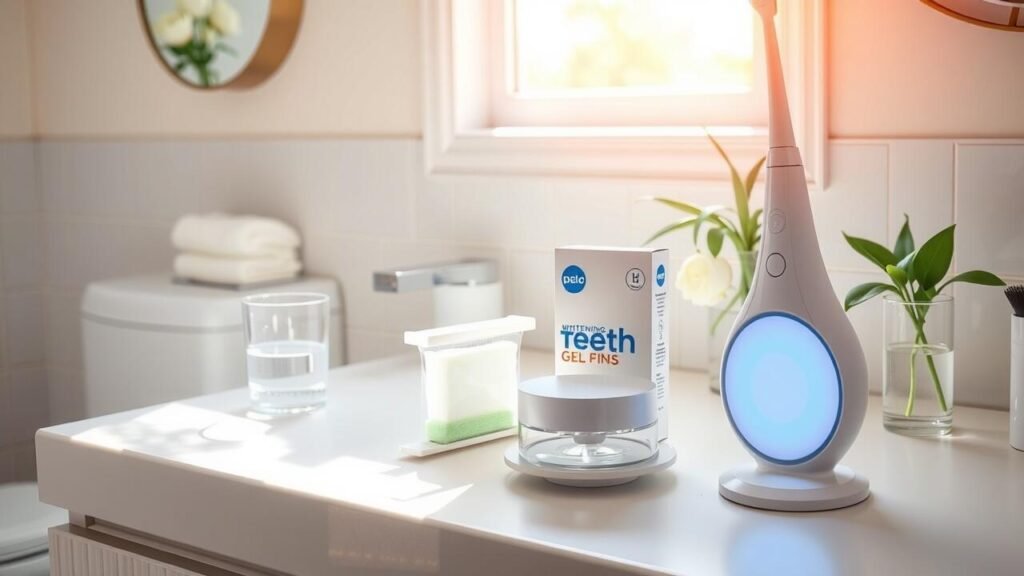
Alternative Teeth Whitening Options
Many individuals seek alternative teeth whitening options due to varying degrees of sensitivity, budget constraints, or simply personal preference. One popular method involves the use of whitening toothpaste, which contains mild abrasives and specific chemical agents designed to lighten the shade of teeth over time. Moreover, natural remedies such as baking soda and hydrogen peroxide mixtures have gained traction, with many users reporting satisfactory results without the harsh effects associated with some commercial products.
Another option is the use of custom take-home whitening kits, often provided by dental professionals. These kits typically include trays that mold to an individual’s teeth, allowing for a more consistent application of the whitening agent. For those looking for a quicker solution, in-office whitening treatments offer significant improvement in a single appointment. These methods ensure more control over the whitening process and can yield results that last longer compared to over-the-counter alternatives.
Professional Whitening Treatments
Various professional whitening treatments are available to effectively enhance the brightness of natural teeth while keeping dental crowns in mind. Dentists often use strong bleaching agents that can yield quicker and more noticeable results compared to over-the-counter products. However, it is important to note that these treatments may not affect crowns in the same way as natural teeth, as porcelain and other materials used in crowns do not respond to whitening agents.
In-office treatments typically involve custom-made trays or special light-accelerated whitening procedures that ensure even application. Dentists can offer tailored solutions based on the condition of the crowns and the desired outcome. Regular evaluations of aesthetic concerns related to dental crowns can help determine the best approach for a patient’s specific needs while achieving a harmonious smile.
Maintaining the Aesthetics of Dental Crowns
Maintaining the aesthetics of dental crowns requires regular care and attention. Daily oral hygiene practices, including brushing and flossing, help prevent plaque buildup and potential staining. Choosing a non-abrasive toothpaste also protects the surface of the crown while ensuring that the surrounding gums remain healthy. Regular dental hygiene appointments allow for professional cleaning, further preserving the appearance of the crown.
Dietary choices play a significant role in the longevity of a crown’s aesthetics. Highly pigmented beverages such as coffee, tea, or red wine can contribute to discoloration over time. It is advisable to limit consumption of these items or rinse the mouth with water after consuming them. Additionally, avoiding hard foods that can cause chips or cracks will help maintain both the structure and appearance of the dental crowns. Regularly assessing the condition of the crowns with a dentist can also aid in identifying any necessary adjustments early on.
Best Practices for Crown Care
Taking care of dental crowns is essential for maintaining both their appearance and longevity. Regular brushing with a soft-bristle toothbrush and fluoride toothpaste helps prevent plaque buildup, which can cause discoloration over time. It’s also wise to avoid abrasive toothpaste that can scratch the surface of the crown. Flossing daily is crucial as well, as it removes food particles and plaque from between the crowned tooth and adjacent teeth.
Regular dental check-ups play a significant role in ensuring the health of your crowns. During these visits, a dentist can assess the condition of the crowns and gums, recommend professional cleanings, and address any potential issues before they escalate. Additionally, being cautious with hard foods and avoiding excessive force when biting can help prevent damage. Adopting these habits fosters an environment where dental crowns can thrive, offering both functionality and aesthetic appeal.
When to Consult a Dentist
It is crucial to understand when to seek professional help regarding dental crowns. Changes in the color of your crowns, whether due to staining or other reasons, often indicate that they may need replacement or professional intervention. If you notice any significant gaps between the crown and your tooth or if you experience pain or sensitivity in the area, these symptoms warrant an appointment with your dentist.
Monitoring the health of your crowns is essential for maintaining overall dental hygiene. Any signs of wear, deterioration, or issues with bite and alignment should be taken seriously. Regular dental check-ups can help catch potential problems early, ensuring that both your crowns and natural teeth remain in optimal condition. Your dentist can provide tailored advice based on your specific situation and needs.
Signs That Indicate Professional Advice is Needed
Changes in the appearance of dental crowns may signal that it’s time to seek professional advice. Discoloration or staining that does not respond to regular cleaning could indicate underlying issues. If a crown appears chipped or damaged, this also warrants an evaluation by a dentist. Such changes can affect not only aesthetics but also the functionality of the crown and the surrounding teeth.
Persistent discomfort in the area surrounding a crown might indicate an infection or other dental complications. Experiencing pain or sensitivity, especially when consuming hot or cold foods, is a significant reason to consult a dental professional. Additionally, noticing any unusual movement in the crown can suggest that it is not securely in place, necessitating immediate assessment to prevent further complications.
FAQS
Can whitening strips be used on dental crowns?
No, whitening strips are not effective on dental crowns as they are designed to lighten natural tooth enamel, which does not apply to crowns, made from materials like porcelain or resin.
What alternative whitening options are available for crowns?
Alternative whitening options for crowns include professional whitening treatments that can enhance the overall appearance of your smile, but they won’t change the color of the crowns themselves.
Will using whitening strips affect the color of my natural teeth compared to my crowns?
Yes, using whitening strips can lighten your natural teeth, potentially leading to a noticeable contrast between your whitened teeth and the color of your crowns.
How can I maintain the aesthetics of my dental crowns?
To maintain the aesthetics of dental crowns, practice good oral hygiene, avoid staining foods and drinks, and have regular dental check-ups to assess their condition.
When should I consult a dentist regarding my crowns?
You should consult a dentist if you notice signs of wear, discoloration, or damage to your crowns, or if you have concerns about the aesthetics or function of your dental work.
Related Links
best teeth whitening strips for sensitive teeth
Which white strips are best for sensitive teeth?
What is the most effective teeth whitening product for sensitive teeth?