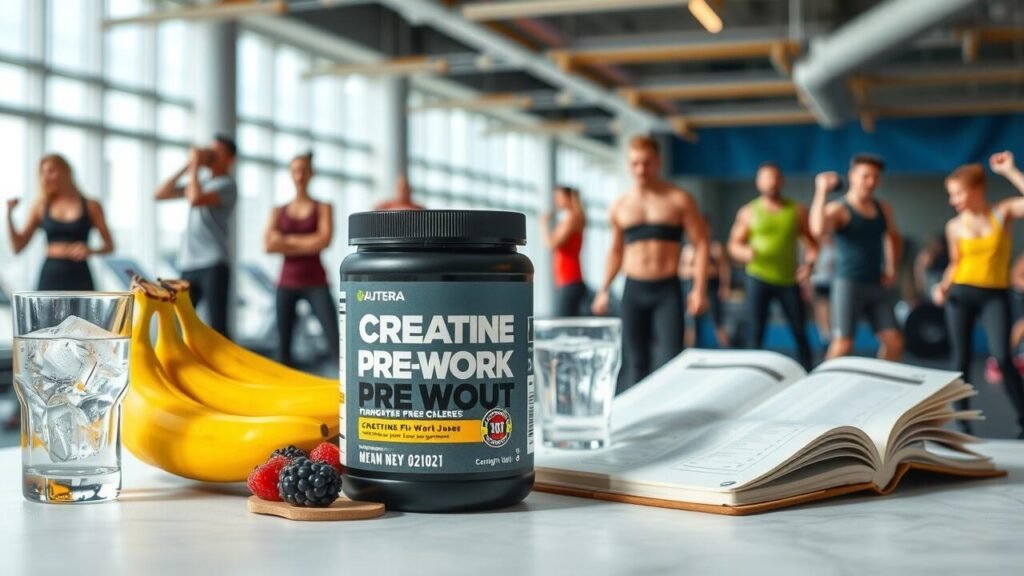
Hydration and Preworkout Supplements
Proper hydration is crucial when considering the timing of preworkout supplements, especially before an evening workout. Dehydration can impair physical performance and overall energy levels, making it difficult to achieve workout goals. Many preworkout supplements contain ingredients that may have a diuretic effect or simply increase energy expenditure. Therefore, ensuring adequate hydration before consuming these supplements can help maintain optimal endurance and focus during exercise.
It is generally recommended to drink water consistently throughout the day, but specific hydration needs may vary based on factors such as individual sweat rates and workout intensity. Preworkout supplements often emphasize the importance of hydration on their labels, as they can enhance effectiveness and mitigate potential side effects such as jitters or crashes. Balancing proper fluid intake with preworkout formulas can lead to a more productive and enjoyable workout experience.
Importance of Staying Hydrated
Proper hydration plays a critical role in optimizing workout performance. Water is essential for maintaining bodily functions, regulating temperature, and facilitating muscle contractions. When engaging in physical activity, especially during evening workouts, the body loses fluids through sweat. Replenishing these fluids is vital to avoid fatigue, cramps, and reduced overall performance.
Additionally, preworkout supplements often contain ingredients that may have diuretic effects. This can exacerbate dehydration if adequate water intake is not maintained. It is crucial to drink enough water before, during, and after workouts to support physical exertion and to help the body absorb the nutrients found in preworkout formulas effectively. Ensuring proper hydration can significantly enhance energy levels, concentration, and recovery post-exercise.
Personal Factors to Consider
Individual response to preworkout supplements can greatly vary. Factors such as body weight, metabolism, and even dietary habits play a significant role in how effectively these products work. Some may feel energized and focused after taking preworkouts, while others might experience jitters or digestive discomfort. It’s essential to consider these personal aspects when deciding on the dosage and timing of the supplement.
Timing of intake is also a crucial aspect influenced by personal factors. Consuming preworkout too late in the day can interfere with sleep patterns for some individuals, while others might not notice any impact on their rest. It is wise to assess one’s own reaction to caffeine, stimulants, and other ingredients typically found in preworkouts. Understanding personal tolerance can lead to better workout experiences and overall satisfaction with the supplement.
Individual Tolerance and Sensitivity
Everyone’s body reacts differently to preworkout supplements. Some individuals may experience significant energy boosts, while others might feel jittery or anxious after consumption. It’s essential to consider personal tolerance to ingredients commonly found in these products, such as caffeine and beta-alanine. Monitoring how your body responds during and after workouts can provide valuable insights into whether a specific preworkout blend is suitable for you.
Sensitivity to stimulants can also vary widely. Those with a lower tolerance may want to opt for lower doses or stimulant-free formulas to mitigate potential side effects. Additionally, timing is crucial; consuming a preworkout too close to an evening workout may disrupt sleep patterns. Understanding your body’s unique reactions can help tailor your preworkout strategy for optimal performance without unwanted side effects.
Preworkout for Different Types of Workouts
Using preworkout supplements can be beneficial depending on the type of workout planned. For strength training sessions, products often containing creatine and branched-chain amino acids can enhance performance and endurance. These ingredients support muscle recovery and may contribute to increased strength output. A well-timed preworkout can help individuals push through heavier lifts and optimize their training results.
In contrast, when preparing for cardiovascular activities, preworkouts containing higher caffeine levels may provide the necessary boost. They can promote increased energy levels and improve focus during longer or more intense cardio sessions. However, excessive caffeine might lead to jitters or an upset stomach, so it is crucial to evaluate personal tolerance. Tailoring the supplement choice based on the workout type ensures an effective experience and aligns with fitness goals.
Tailoring Intake for Strength vs. Cardio
Preworkout supplements can serve distinct purposes depending on the type of workout planned. For strength training, a formulation rich in ingredients like creatine and beta-alanine can enhance performance and endurance. These elements help in maximizing strength output and managing fatigue during intense lifting sessions. Athletes focusing on building muscle may benefit from a higher dose of stimulants as well, which can provide an energy boost and improved focus during heavier lifts.
Conversely, when engaging in cardio workouts, preworkouts should ideally focus on improving stamina and energy levels without overwhelming the body. Ingredients like caffeine and citrulline can be beneficial for sustaining energy throughout extended cardio sessions. Individuals might consider using a lower-dose preworkout or a formula that emphasizes endurance to avoid feelings of jitteriness or discomfort during longer bouts of aerobic activity. Tailoring the supplement choice to align with workout goals can significantly impact overall performance and comfort.
FAQS
Can I take preworkout before an evening workout?
Yes, you can take preworkout before an evening workout. However, it’s important to consider how the ingredients in the preworkout supplement may affect your sleep.
What should I consider regarding hydration when taking preworkout?
Staying hydrated is crucial when taking preworkout supplements, as they can lead to increased fluid loss. Make sure to drink plenty of water before, during, and after your workout.
How does individual tolerance affect preworkout intake?
Individual tolerance varies from person to person. Some individuals may experience jitters or increased heart rate from stimulants in preworkouts, so it’s essential to assess your sensitivity before taking them in the evening.
Are there different preworkout recommendations for strength vs. cardio workouts?
Yes, preworkout supplementation can be tailored depending on your workout type. For strength workouts, products with higher creatine and beta-alanine may be beneficial, while cardio-focused preworkouts might prioritize ingredients that enhance endurance.
Will taking preworkout in the evening affect my sleep?
Taking preworkout in the evening may affect your sleep due to the stimulating ingredients, such as caffeine. It’s best to assess how your body reacts and consider taking it earlier in the day if you have trouble sleeping.
Related Links
best pre workout for evening workouts
Is 7pm too late for preworkout?
What to take before an evening workout?