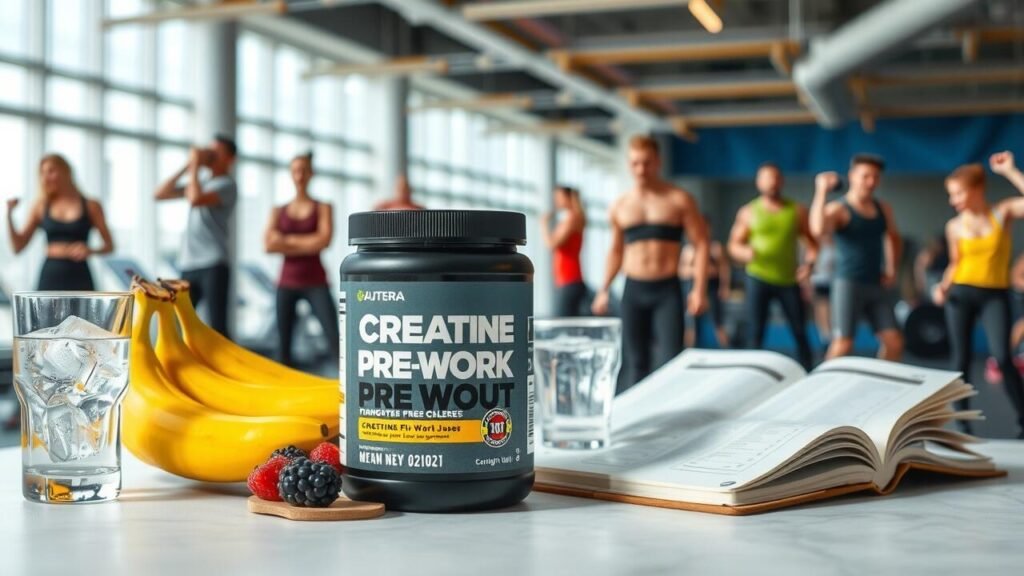
Timing Your Pre-Workout Intake
Many individuals find that the timing of pre-workout intake significantly affects their energy levels and performance. Consuming these supplements about 20 to 30 minutes before starting a workout can help maximize their effectiveness. At this interval, the ingredients have enough time to be absorbed, allowing for heightened focus and increased endurance during exercise. However, personal tolerance to stimulants can vary, making it essential to experiment with timing to identify what works best for each individual.
Some people opt for a slightly longer window, taking their pre-workout 30 to 60 minutes before exercising. This approach can be beneficial for those sensitive to stimulants or for workouts that require a longer warm-up period. Understanding one’s body and needs is crucial. Factors such as workout intensity, duration, and personal response to different ingredients should also be considered when deciding the ideal timing for pre-workout consumption.
When to Take It for Maximum Effect
Timing plays a crucial role in maximizing the benefits of pre-workout supplements. Consuming them about 20 to 30 minutes prior to your training session allows the ingredients to enter the bloodstream and provide the intended effects. This timeframe helps ensure that you experience increased energy, improved focus, and enhanced endurance as you begin your workout.
It’s essential to consider your individual tolerance to the ingredients within the pre-workout. Some people may need to experiment a bit to find their optimal timing. If you find that the energy boost hits too soon, you might adjust your intake to allow for a more gradual onset of effects. Adjusting your schedule based on how your body responds can lead to an improved workout experience.
Comparing Pre-Workout and Caffeine
Pre-workout supplements and caffeine both serve as popular choices for those seeking an energy boost. Pre-workouts usually contain a blend of stimulants, amino acids, and other ingredients designed to enhance physical performance and endurance. Caffeine, on the other hand, is primarily a stimulant that can improve alertness and reduce the perception of effort during exercise. While both options can amplify energy levels, their mechanisms differ, and the choice may depend on individual preferences and goals.
Caffeine is often praised for its effectiveness—a well-studied stimulant that many athletes rely on for a quick pick-me-up. Pre-workout supplements, conversely, offer a more comprehensive approach that may include additional compounds aimed at supporting muscle pumps, endurance, and recovery. The decision between the two may come down to personal tolerance and desired outcomes. Some individuals may find the extended benefits of pre-workouts more appealing, while others may prefer the simplicity and familiarity of caffeine alone to enhance their workouts.
Which Is More Effective for Energy?
The effectiveness of pre-workout supplements versus caffeine for energy enhancement is a topic of considerable debate. Pre-workout formulas typically include a blend of ingredients, such as caffeine, beta-alanine, and various amino acids. This mix is designed not only to boost energy but also to improve endurance and focus during workouts. The presence of multiple components means the overall effectiveness can vary widely based on individual responses and the specific formulation used.
Caffeine, on the other hand, is a well-established stimulant recognized for its ability to enhance energy levels and reduce fatigue. Its efficacy is supported by numerous studies indicating improved physical performance and heightened alertness. While caffeine can be found in many pre-workout supplements, taking it separately may offer more precise control over the dosage and timing. Personal tolerance levels and workout goals can significantly influence which option might serve as the preferred energy source for a given individual.
The Role of Hydration in Energy Levels
Staying properly hydrated plays a crucial role in maintaining optimal energy levels during workouts. Water is essential for various bodily functions, including temperature regulation, nutrient transportation, and muscle function. Dehydration can lead to fatigue, decreased endurance, and impaired concentration, which can compromise workout performance. Athletes and fitness enthusiasts often overlook the importance of hydration, focusing instead on supplements like pre-workouts for a quick energy boost. However, without adequate water intake, even the most effective supplements can fall short in delivering the intended results.
Incorporating hydration into a fitness routine means not only drinking water before exercise but also throughout the day. Monitoring fluid intake can help prevent dehydration, especially during intense training or in hot conditions. Electrolyte-rich beverages may also be beneficial, particularly for prolonged workouts. Maintaining a balanced level of hydration supports energy production and overall physical performance, serving as a foundation for any workout regimen. Prioritizing hydration ensures that energy levels remain consistent and aids in recovery post-exercise.
Staying Hydrated for Optimal Performance
Hydration plays a critical role in maintaining energy levels during physical activity. When the body is adequately hydrated, it functions optimally, facilitating better circulation and nutrient transport. This can significantly impact endurance and overall performance. Dehydration can lead to fatigue, decreased cognitive function, and impaired physical coordination. Therefore, consuming enough water before, during, and after workouts is essential for sustaining energy.
Incorporating electrolyte-rich drinks can also enhance hydration, especially during intense or prolonged exercises. These beverages help replenish lost minerals and maintain the body’s fluid balance. Monitoring urine color can provide a simple gauge of hydration. A light yellow hue generally indicates proper hydration levels, while a darker color signals the need for increased fluid intake. Prioritizing hydration is vital not just for energy but for supporting overall exercise efficiency and recovery.
FAQS
Can I drink pre-workout without exercising?
Yes, you can drink pre-workout just for energy, as it contains ingredients designed to boost energy levels and enhance focus. However, it’s important to be cautious with the dosage and your overall caffeine intake.
How long before my workout should I take pre-workout?
It is generally recommended to take pre-workout 20 to 30 minutes before your workout for maximum effectiveness, allowing the ingredients time to enter your system.
Is pre-workout better than caffeine for energy?
Pre-workout supplements often contain caffeine along with other performance-enhancing ingredients. While caffeine can provide a quick energy boost, pre-workout may offer more sustained energy thanks to its blend of components.
Does hydration affect the effectiveness of pre-workout?
Yes, staying well-hydrated is crucial for optimal performance and energy levels. Dehydration can hinder your workout and reduce the effectiveness of the pre-workout supplement.
Can I experience side effects from taking pre-workout for energy?
Some individuals may experience side effects from pre-workout supplements, including jitters, increased heart rate, or digestive issues. It’s best to start with a lower dose to assess your tolerance.
Related Links
pre workout vs energy drink
Why don’t athletes drink energy drinks?
Review of Top Pre Workouts and Energy Drinks: Which Reigns Supreme?