Key Takeaways
- Crucial Characteristics of Energy Bars
- Recommended Selections for Optimal Energy Bars for Hiking
- DIY Energy Bar Formulations
- Scheduling Your Energy Bar Intake
- Preserving and Transporting Energy Bars
- Energy Bars Compared to Alternative Hiking Snacks
Essential Features of Energy Bars
Nutritional requirements for hikers dictate the essential features of energy bars, as these snacks need to provide quick energy and sustain endurance during hikes. The best energy bars for hiking are rich in carbohydrates, protein, and healthy fats, offering a balanced fuel source for the body. Hikers often face varying terrains, from rugged mountain trails to gentle alpine paths; therefore, an effective energy bar should deliver not just energy but also electrolytes and vitamins to maintain optimal performance. A well-crafted energy bar can keep a hiker energized throughout a day hike, allowing them to fully enjoy their outdoor adventures. As hikers hiked longer distances, the need for a compact, portable option like an energy bar becomes indispensable, reinforcing its role as a staple for every adventurer’s pack.
Nutritional Requirements for Hikers
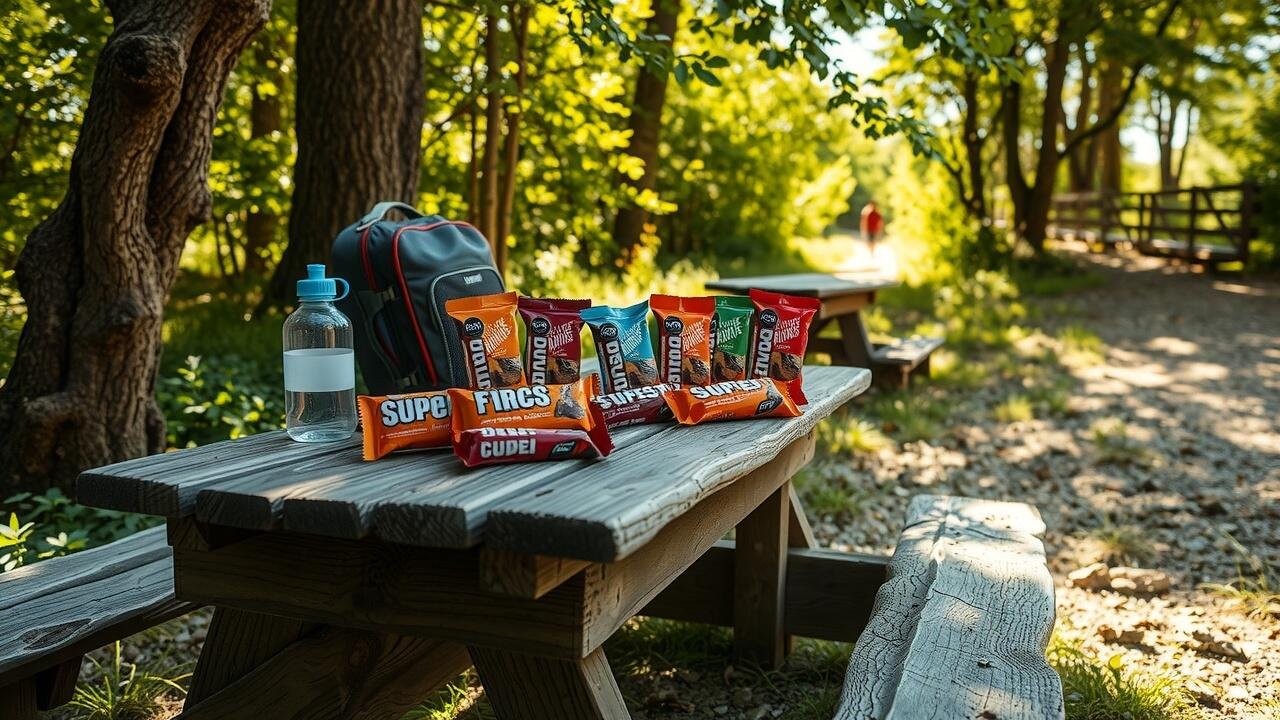
Hikers need to fuel their bodies with sufficient food energy to tackle challenging mountains and extended trails. The best energy bars for hiking offer a balanced blend of carbohydrates, proteins, and fats, ensuring endurance during long trail outings and thru-hikes. Whether ascending a mountain pass or ski touring in the alpine zone, the right nutrition is crucial to maintain stamina and mental focus.
Selecting snacks that support the physical demands of backpacking is essential for both recreational and serious alpine climbers. Energy gels can complement the best energy bars for hiking, offering quick bursts of fuel when needed. Staying aware of nutritional requirements allows hikers to choose the right food sources that sustain energy levels throughout their journey, enhancing overall performance on the trails.
Ingredients to Look For
Choosing the best energy bars for hiking involves paying close attention to the ingredients that fuel your adventures. Look for bars rich in complex carbohydrates, which provide sustained energy for activities like trekking and skiing. Ingredients such as oats, quinoa, and nut butters are excellent choices, especially when enjoying the beauty of alpine lakes or camping in the wilderness. Incorporating energy gels can also be beneficial, offering quick energy boosts during intense workouts or while navigating backcountry ski routes at high elevation.
Protein content is vital for muscle recovery, so select bars that include nuts, seeds, or protein powders. These will not only keep you energized but also aid in post-activity recovery whether you are backpacking through the mountains or hitting the slopes. Pay attention to added sugars and artificial ingredients, as they can lead to energy crashes, impacting your performance on long hikes or ski trips. The best energy bars for hiking will balance taste and nutrition to support your outdoor ventures effectively.
Top Picks for the Best Energy Bars for Hiking
Selecting the best energy bars for hiking can greatly enhance the experience for backpackers navigating various terrains like the Rocky Mountain region or while engaging in outdoor sports such as sport climbing. Granola bars, Clif Bars, and PowerBar are popular choices, offering a balance of energy and taste. For those preferring simpler ingredients, RXBARs provide a clean snack option packed with protein. Luna Bars cater specifically to women’s nutritional needs, making them an excellent pick. Hikers should consider their workout intensity and duration to choose the best energy bars for hiking that will sustain them through their adventures in the Rockies and beyond.
| Energy Bar Brand | Key Ingredients | Calories per Bar | Protein (g) | Special Features |
|---|---|---|---|---|
| Clif Bar | Oats, Organic Brown Rice Syrup | 250 | 9 | Variety of flavors, high in carbs |
| RXBAR | Egg Whites, Dates, Nuts | 200 | 12 | Minimal ingredients, high protein |
| Luna Bar | Whole Oats, Almonds, Chocolate | 180 | 8 | Women-focused nutrition, gluten-free |
| PowerBar PowerGel | Carbohydrates, Electrolytes | 100 | 0 | Gel form for quick energy boosts |
| Kind Bar | Nuts, Honey, Whole Grains | 200 | 6 | High in healthy fats, low in sugar |
Review of Popular Brands
For those seeking the best energy bars for hiking, many brands have carved out a niche in the outdoor market. Popular options include Clif Bar, known for its wide variety of flavors and high protein content, making it a favorite among endurance athletes. Another top contender is RXBAR, appreciated for its simple ingredients and rich nutritional profile. These recommended energy bars not only provide necessary fuel for long treks but also excel in taste, ensuring that hikers enjoy their snacks while on the go.
The landscape of energy bars continues to evolve, with new energy bars consistently introduced to meet the demands of outdoor enthusiasts. Brands like Larabar and GoMacro offer some of the best-value energy bars, crafted from wholesome ingredients. These bars are often regarded as some of the best-balanced energy bars available, combining carbohydrates, protein, and healthy fats. As you rate energy bars based on personal preference and nutritional needs, exploring a variety of outdoor-specific energy bars can help you discover your favorite energy bars for every adventure.
Comparison of Nutritional Values
Assessing the nutritional values of various energy bars can help identify the best energy bars for hiking. Regular energy bars often focus on balanced macronutrients, providing a mix of carbohydrates, protein, and fats. Dense energy bars, such as high-carb energy bars, offer quick energy for strenuous activities. On the other hand, high-fat energy bars cater to those seeking longer-lasting fuel, ideal for extended hikes. Nutty energy bars, often rich in healthy fats and protein, can be tasty options for hikers looking for a satisfying snack.
Each favorite energy bar varies in its formulation, appealing to different dietary preferences. Labs energy bars may provide specific nutritional advantages, such as higher protein content or lower sugars. Your hiking pack can be tailored with a variety of flavors, including delicious nutty and tasty energy bars. Selecting the right bar for your hiking morning involves understanding individual energy needs and preferences. By comparing these nutritional profiles, hikers can make informed decisions to maintain energy levels throughout their adventures.
Homemade Energy Bar Recipes
Crafting your own energy bars can provide the best energy bars for hiking, tailored specifically to your taste preferences and nutritional needs. These homemade treats often offer a great energy boost without the excessive sugars found in sugary energy bars. For cooler hiking days, consider recipes that incorporate ingredients like oats, nuts, and dried fruits to create digestible energy bars that sustain you through your hiking adventures. High-protein energy bars can be made using natural nut butters and seeds, while dessert-like energy bars can satisfy a sweet tooth without compromising health. Preparing low-cost energy bar recipes enables hikers to enjoy a good energy boost during late afternoon hiking without relying on pre-packaged options. Customizing flavors and textures allows you to create the perfect hiking snack for any trek.
Simple Recipes for On-the-Go Nutrition
Hikers often seek the best energy bars for hiking that can provide quick energy during their adventures. Traditional energy bars are a popular choice, offering a convenient trail bar format for usual hikes. For long day hikes or a fifteen-mile hike, consider making your own fruity energy bars. These recipes can be tailored to include ingredients like dried fruits, oats, and nut butters, delivering both a quick energy boost and long-lasting energy.
Preparing simple energy bars at home allows hikers to customize their snacks according to personal taste and dietary needs. These nutritious options can be easily packed for day hikes, ensuring that trails hikers always have access to on-the-go nutrition. By combining whole foods and energy-dense ingredients, you can create the best energy bars for hiking that sustain energy thanks to their balance of carbohydrates and proteins.
Customizing Ingredients for Dietary Needs
Finding the best energy bars for hiking requires an understanding of personal dietary needs. For those with specific restrictions, such as lactose intolerance or gluten sensitivities, a low-FODMAP energy bar can provide ample energy without digestive discomfort. Customizing an energy bar recipe allows hikers to create a unique blend that caters to their preferences, whether they seek a dense energy boost or a more indulgent treat. Taos Mountain Bars are an excellent option for alpine adventurers looking for fast energy in a nutritious form.
Each hiker’s dietary requirements vary, making it essential to explore different combinations of ingredients. Some may prefer nut-free options or bars with minimal processed sugars. The best-tasting bars often incorporate fruits, nuts, and seeds, which not only enhance flavor but also support high energy levels during a challenging hike. Experimenting with various ratios in your energy bar recipe can result in a personalized snack, ensuring you stay fueled and satisfied throughout your outdoor activities.
| Bar Name | Key Ingredients | Dietary Considerations | Calories per Bar | Notes |
|---|---|---|---|---|
| Taos Mountain Bar | Almonds, Dates, Pea Protein | Gluten-free, Dairy-free | 240 | High in protein and fiber |
| RXBAR | Egg Whites, Nuts, Dates | Gluten-free, Dairy-free | 210 | Simple ingredients, great for energy |
| Picky Bars | Fruits, Nuts, Cacao | Gluten-free, Vegan | 200 | Variety of flavors available |
| Kind Bar | Nuts, Seeds, Dried Fruits | Gluten-free, Low Glycemic | 200 | Widely available with many flavors |
Timing Your Energy Bar Consumption
Understanding the optimal timing for consuming energy bars can significantly enhance your hiking experience. For a pre-hike energy boost, choosing the best energy bars for hiking, such as Nature Valley bars or Skratch Labs energy bars, can provide essential energy reserves. These bars offer a balance of nutrients that fuel your body before you hit the trails. During your hike, having easy-to-carry options like dense bars or recovery bars ensures you maintain steady energy levels. Many bars are designed for ultra-fast energy release, making them ideal for on-the-go snacking. For numerous hikes, integrating these energy foods into your routine can support your endurance and performance throughout the journey.
Pre-Hike Energy Boost
Starting your day with the best energy bars for hiking can significantly impact your performance on early morning hikes. These quick-hitting energy bars provide the necessary fuel needed for tackling high elevations and navigating challenging alpine passes. Energy-dense ingredients ensure that you receive sustained energy to tackle long trail miles while enjoying the breathtaking views of the mountains. Choosing interesting bars with a mix of carbohydrates and proteins can enhance your outdoor nutrition experience.
Before embarking on ski-touring or hiking, consuming an energy bar designed for immediate energy release can be beneficial. This pre-hike boost primes your body for the physical demands that await. A well-chosen energy bar can help maintain stamina as you ascend into higher altitudes, keeping you energized and focused on the trail ahead. Selecting the best energy bars for hiking ensures that you will have the endurance necessary for an enjoyable adventure.
In-Trail Snacking Strategies
Many hikers prefer to use energy bars as their main trail snack due to their convenience and nutritional value. The best energy bars for hiking often include grainy bars packed with whole grains and nuts, providing a reliable source of long-term energy needs. Trails like those leading to favorite alpine lakes are perfect for enjoying a quick break with these simple bars. Single bars can easily fit into pockets for easy access during hikes up snowy mountains.
For effective snacking in the middle of a trek, range lie bars are a popular choice among outdoor enthusiasts. These bars cater to specific energy requirements and help maintain a consistent energy level. Venture bars are also gaining traction as thoughtful additions to a hiker’s pack. Choosing the right energy bars can make a significant difference in performance on the trail, ensuring that hikers are fueled adequately during their outdoor adventures.
- Consider variety by mixing different types of energy bars to prevent flavor fatigue.
- Opt for bars with natural ingredients to avoid unnecessary additives.
- Look for high protein content to aid in muscle recovery and sustain energy.
- Keep hydration in mind; pair your snacks with plenty of water.
- Test new bars on shorter hikes before relying on them for longer treks.
- Pack bars that are well-sealed to avoid crumbling in your backpack.
- Pay attention to expiration dates to ensure freshness on the trail.
Storing and Carrying Energy Bars
Finding the right way to store and carry the best energy bars for hiking is crucial for any outdoor enthusiast tackling numerous trails, especially when faced with steep inclines or preparing for multi-night backpacking trips. Selecting energy-rich snacks like kind nut bars and perfect bars ensures sustained energy throughout your adventures. Placing these bars in your favorite backpack helps maintain their freshness while keeping them easily accessible during your journey along the rocky mountain trail. Careful planning regarding storage not only enhances the convenience of consumption but also maximizes the benefits of your chosen snacks, making your hikes more enjoyable and efficient.
Best Practices for Keeping Bars Fresh
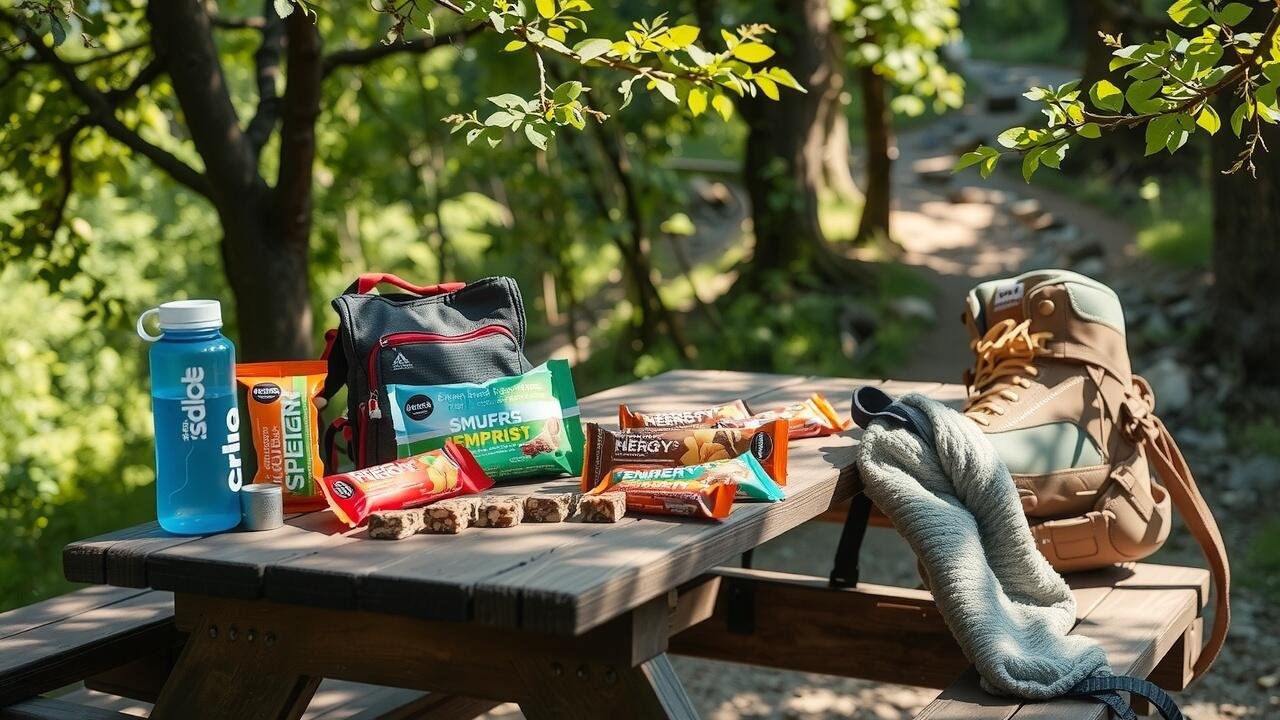
Maintaining the freshness of energy bars is vital for hikers, especially during warm weather. The best energy bars for hiking, such as gomacro bars and tanka bars, can lose their texture and flavor if not stored properly. Opt for airtight containers or resealable bags to protect nut bars and crunch bars from moisture and air exposure. For carb-conscious hikers, selecting options like balanced bars or recover bars can ensure a pleasant experience even after extended periods. During long-haul backpacking trips, regularly checking the condition of your energy bars can prevent unpleasant surprises.
Packing techniques are equally important for keeping energy bars fresh without adding unnecessary weight. Choose lightweight packing solutions that can accommodate various bar types while maintaining freshness. For a long-haul backpacking trip, prioritizing compact and resilient packaging is essential. Organizing your best energy bars for hiking in a way that minimizes crushing or damage will help preserve their shape and taste. Snacks like tanka bars or crunch bars should be cushioned between softer items in your pack to prevent breakage.
Lightweight Packing Tips
Selecting the best energy bars for hiking requires careful consideration of weight and packability. For a multi-day backpacking trip through the Eastern Sierra Mountains, it’s crucial to choose small bars that provide longer-term energy without adding excessive weight to your pack. Classic bars rich in carbohydrates offer a perfect balance of sweet-tasting energy and sustained fuel. Tailoring your selection to the demands of a ten-thousand-foot mountain pass ensures you have the right trail snack to keep you energized during your adventure.
Maximizing packability means opting for energy bars that can withstand the rigors of real trails. Compact packaging helps save space and minimizes the overall weight in your backpack. By selecting some of the best energy bars for hiking, you can ensure you are well-prepared for every climb and descent on your journey. Storing them in easy-to-reach compartments ensures quick access when you need a boost, making each snack break efficient and enjoyable.
Energy Bars vs. Other Hiking Snacks
Outdoor trekkers often face the challenge of choosing the right snacks to fuel their adventures. The best energy bars for hiking provide a convenient source of sustained energy release, essential for long trail runs and demanding trails. Pro bars, with their balanced nutritional profiles, can outperform sweet bars, especially during high-intensity activities like ski missions. Homemade bars offer a customizable option, catering to individual dietary needs while ensuring optimal fuel for excursions. In the eastern Sierra trail or tackling the first mountain pass, the right energy bar can make all the difference in maintaining vigor and enhancing the outdoor lifestyle.
- Energy bars are portable and lightweight, making them an easy choice for hikers.
- They often contain a balanced mix of carbohydrates, proteins, and fats for optimal energy.
- Many energy bars are designed to have a long shelf life, ideal for storing in hiking packs.
- Some snacks like nuts and dried fruits can be more calorically dense than bars, but may lack convenience.
- Protein bars can offer more protein than traditional energy bars, beneficial for muscle recovery.
- Fruits like bananas and apples provide natural sugars, but may not be as easy to carry and store.
- Granola bars can be a tasty option but may contain added sugars that some hikers prefer to avoid.
Conclusion
Finding the best energy bars for hiking can significantly enhance your performance during long climbs and endurance activities. Ultra-popular options like Maurten energy bars provide quick sustenance, while energy bakes offer a homemade alternative perfect for logging miles. Whether you’re tackling big climbs or setting up an alpine basecamp, having access to nutritious snacks ensures you maintain your energy levels. A couple of well-chosen energy bars can make all the difference in keeping you fueled and focused throughout your adventures. Always choose bars that align with your nutritional needs to ensure peak performance on the trail.
FAQS
What are the essential features to look for in an energy bar for hiking?
Essential features include a good balance of carbohydrates, protein, and healthy fats, along with convenient packaging, a long shelf life, and flavors that appeal to you.
How do I determine the nutritional requirements for my hiking trips?
Nutritional requirements can vary based on factors like the length and intensity of the hike, your body weight, and personal energy needs. Generally, aim for energy bars that provide 200-300 calories with a balance of macronutrients.
What ingredients should I look for in a hiking energy bar?
Look for ingredients like whole grains, nuts, seeds, dried fruits, and natural sweeteners. Avoid bars with excessive added sugars, artificial preservatives, or unhealthy fats.
Can you recommend some top picks for energy bars suitable for hiking?
Some top picks include Clif Bar, RXBAR, Larabar, and KIND Bar. Each offers a variety of flavors and nutritional profiles to suit different preferences.
How do homemade energy bars compare to store-bought options?
Homemade energy bars allow for customization of ingredients and flavors and can be healthier since you control the added sugars and preservatives. However, store-bought options are often more convenient for quick snacks on the go.
What are some top energy bars that can be recommended for hiking and which are preferred by mountain guides for outdoor endeavors?
When considering the best energy bars for hiking, mountain guides often recommend energy-dense options that serve as the main energy source during long trailside excursions. Some of the right bars to pack include favorites like ultra-popular Maurten energy bars, which combine carbohydrates—these bars also focus on weight/packability, ensuring that they don’t add unnecessary pack weight to your load. Choosing the right bars is essential for maximizing your performance on the trails, especially for alpine adventures.
What should I look for in the best energy bars for hiking adventures?
When selecting the best energy bars for hiking, it’s crucial to focus on energy dense options that fit the objective energy needs of outdoor endeavors. A comprehensive hiking guide often suggests trying a couple of alpine favorite bars to ensure sufficient nutrition and energy for your hikes. Popular choices among hikers include top energy bars that offer a balanced mix of protein, carbohydrates, and healthy fats.
What is the term for energy bars that a couple may enjoy while hiking in alpine environments?
The term energy bars generally refers to convenient snacks packed with nutrients, ideal for outdoor activities like hiking. When selecting energy bars, couples hiking in alpine regions should consider options that offer high protein content, natural ingredients, and adequate calorie density to fuel their adventures.
Are there specific energy bars that a couple can enjoy while hiking in alpine environments?
Yes, there are several energy bars that a couple might enjoy during their hiking adventures in alpine settings. Look for bars that are high in protein and provide lasting energy, while also considering flavors that suit both tastes. Popular options among couples are those with natural ingredients and minimal processed sugars, ensuring a healthy snack while enjoying the stunning alpine views.
What are some recommendations for energy bars that a couple can enjoy while hiking in alpine environments?
When choosing energy bars for a couple hiking in alpine environments, it’s ideal to look for options that are nutrient-dense, easy to carry, and appeal to both tastes. Popular choices include bars with a blend of protein, healthy fats, and carbohydrates, designed for sustained energy during outdoor activities.
What types of energy bars are best suited for couples hiking in alpine environments?
When it comes to selecting energy bars for a couple hiking in alpine environments, it’s important to consider options that offer a good balance of nutrition, taste, and convenience. Look for energy bars that are high in protein and fiber, while also being easy to pack and carry. Brands that focus on natural ingredients and provide a variety of flavors can enhance the outdoor experience for couples hiking in these breathtaking settings.
What are some energy bars that are ideal for couples hiking together in alpine environments?
For a couple hiking in alpine environments, it is recommended to choose energy bars that provide a good balance of protein, carbohydrates, and healthy fats. Look for options that are portable, nutritious, and have flavors that both partners enjoy. Popular choices include bars that incorporate nuts, fruits, and grains, ensuring that both individuals in the couple can stay energized and satisfied during their hike in the alpine.
What are some tips for a couple to choose the best energy bars for hiking in alpine environments?
When selecting energy bars for a couple hiking in alpine environments, it’s important to consider taste preferences, nutritional content, and packaging. Look for energy bars that are lightweight, easy to pack, and provide a good balance of carbohydrates and proteins. Additionally, choose flavors that both partners enjoy to enhance the hiking experience.
What are the key factors a couple should consider when choosing energy bars for hiking in alpine environments?
When selecting energy bars for hiking in alpine environments, a couple should consider factors such as nutritional value, portability, taste, and energy-boosting ingredients. These aspects ensure that the energy bars are suitable for their outdoor adventures and enjoyable for both individuals while hiking.
What are the best energy bars for a couple to share while hiking in alpine environments?
When selecting the best energy bars for a couple hiking in alpine environments, consider options that offer a balance of protein, carbohydrates, and healthy fats. Look for bars that are convenient to share, come in complimentary flavors, and contain natural ingredients. Brands like Clif Bar and RXBAR provide a variety of choices that are both delicious and nutritious, making them ideal for couples enjoying their hikes together in alpine settings.