Safe Alternatives to Pre-Workout Supplements
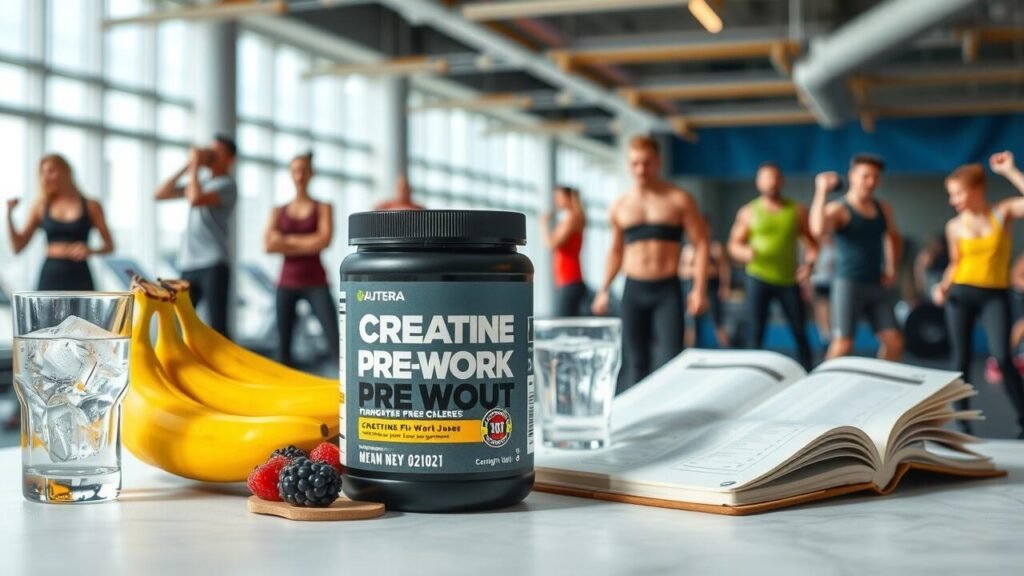
For teenagers seeking a natural energy boost before exercise, whole foods offer an excellent alternative to commercial pre-workout supplements. Bananas, oatmeal, and yogurt provide carbohydrates, essential for fueling the body. These foods not only deliver energy but also contain important vitamins and minerals that support overall health. Hydration is equally crucial, as water plays a key role in maintaining energy levels. Drinking water before workouts can enhance performance and reduce the risk of dehydration-related fatigue.
In addition to whole foods, timing of meals can significantly affect energy levels during exercise. Consuming a balanced meal a few hours prior to a workout can ensure adequate fueling without discomfort. Incorporating a mix of protein, healthy fats, and complex carbohydrates will help stabilize blood sugar levels. Snacks such as nut butter on whole grain toast or a smoothie made with fruits and spinach can serve as perfect pre-exercise options. These choices allow teenagers to achieve optimal performance without the potential risks associated with supplements.
Nutritional Strategies for Boosting Energy Before Exercise
Fueling the body with the right nutrients can significantly enhance athletic performance. Consuming a balanced meal or snack containing carbohydrates and protein approximately one to three hours before exercise is essential. Carbohydrates provide a quick energy source, while protein aids in muscle repair and recovery. Options such as whole grain toast with peanut butter, yogurt with fruit, or a smoothie can effectively prepare the body for physical activity.
Hydration also plays a crucial role in optimizing energy levels. Drinking water before workouts prevents dehydration and helps maintain stamina during exercise. In addition to water, drinks with electrolytes can be beneficial, especially during longer or more intense workouts. Focusing on whole foods rich in vitamins and minerals will support overall health, making for a more effective workout experience.
The Role of Caffeine in Pre-Workout Formulas
Caffeine is often a primary ingredient in many pre-workout formulations, touted for its ability to enhance physical performance and increase energy levels. By stimulating the central nervous system, caffeine can improve focus, reduce perceived exertion, and boost endurance during workouts. Many athletes and fitness enthusiasts rely on caffeine to help them push through challenging training sessions. However, the amount of caffeine and its impact can vary significantly between individuals, particularly among teenagers whose bodies are still developing.
While it can provide a temporary boost, caffeine may also come with risks, particularly for younger individuals. Increased heart rate, anxiety, and sleep disturbances are potential side effects that some teenagers might experience. The influence of caffeine can differ based on tolerance levels, and excessive consumption can lead to negative health outcomes. Thus, it becomes essential for teenagers to consider their own health needs and consult with healthcare professionals before incorporating caffeine-heavy pre-workout supplements into their fitness routines.
Effects of Caffeine on Teenagers’ Health
Caffeine consumption among teenagers has become a topic of concern due to its potential health implications. Adolescents are particularly sensitive to caffeine’s effects, which can include increased heart rate, anxiety, and disrupted sleep patterns. Many teenagers may underestimate their caffeine tolerance, leading to excessive consumption through energy drinks and supplements. This overconsumption can exacerbate existing health issues or create new ones, making it crucial for young individuals to be aware of their intake.
Additionally, caffeine can impact adolescent development and mental health. Studies suggest that high caffeine intake may be associated with increased risk of mood disorders and heightened feelings of stress. As teenagers are still undergoing physical and emotional development, the long-term effects of consistent caffeine use remain a significant area of research, prompting professionals to recommend caution regarding its consumption during these formative years.
Personal Training and Supplement Guidance
Engaging with a qualified personal trainer can significantly enhance a teenager’s fitness journey. Personal trainers offer tailored advice, ensuring that young athletes learn proper techniques and understand the importance of a balanced workout regimen. They can provide insights into appropriate exercises and recovery strategies, ultimately supporting safe and effective training habits. This guidance helps prevent injuries and fosters a healthy attitude towards exercise.
When considering supplements, it is crucial for teenagers to seek professional advice. A healthcare professional or a dietitian can assess individual needs based on activity levels, dietary habits, and health conditions. This ensures that any supplement use is both safe and beneficial. Relying on expert guidance can help dispel myths about pre-workout supplements and steer young athletes towards healthier alternatives.
Importance of Professional Advice for Young Athletes
Consulting with a qualified professional can provide vital insights for young athletes. A personal trainer or a sports nutritionist can tailor programs to meet individual needs, ensuring that nutritional strategies align with specific goals and activity levels. Given the varying stages of physical and mental development in teenagers, professional guidance can help navigate the complexities of nutrition and supplementation.
Incorporating expert advice also helps mitigate potential risks associated with the misuse of supplements. Young athletes may be influenced by trends and peer pressure, leading to impulsive decisions regarding pre-workout products. A trained professional can educate them about safe practices and monitor any health implications related to their training and nutrition choices. Understanding these aspects is essential for maintaining overall well-being during critical developmental years.
FAQS
Are pre-workout supplements safe for teenagers?
Pre-workout supplements are generally not recommended for teenagers due to potential side effects and the lack of research on their long-term effects on developing bodies. It’s best for teens to focus on natural energy sources and proper nutrition.
What are some safe alternatives to pre-workout supplements for teenagers?
Safe alternatives include whole foods like bananas, oats, or yogurt, which provide natural energy. Hydration and a balanced diet are also crucial for maintaining energy levels during exercise.
How does caffeine affect teenagers’ health?
Caffeine can have various effects on teenagers, including increased heart rate, anxiety, and sleep disturbances. The sensitivity to caffeine varies among individuals, so it’s important for teens to consume it in moderation, if at all.
Should teenagers consult a professional before taking any supplements?
Yes, teenagers should always consult a healthcare professional or a qualified nutritionist before taking any supplements. Professional guidance can help ensure safety and effectiveness in their fitness regimen.
What nutritional strategies can help boost energy before exercise without supplements?
Nutritional strategies include consuming a balanced meal or snack rich in carbohydrates and protein about 1-2 hours before exercise. Foods like whole grains, fruits, and lean proteins can provide sustained energy for workouts.
Related Links
best pre workout for teens
Can a 16 year old boy take pre-workout?
What is the best pre-workout for a 14-year-old?