Key Takeaways
- Grasping the concept of prebiotics and their advantages
- Various forms of prebiotics available
- Top prebiotic products currently available
- Adding prebiotics to your nutrition plan
- Comprehending synbiotics and their role
Understanding Prebiotics and Their Benefits
Prebiotics play a crucial role in maintaining gut health by serving as food for good bacteria, including various types of probiotics. These non-digestible fibers, known as prebiotic fibers, stimulate the growth and activity of beneficial intestinal bacteria, enhancing overall gut function. The international scientific association for probiotics and prebiotics emphasizes the importance of these compounds for balancing gut bacteria and promoting the production of postbiotics, which contribute to a healthier gut environment. Identifying the best prebiotics can help individuals enhance their diets by incorporating synbiotics, which combine prebiotics and probiotics for improved digestive health. Understanding the various types of bacteria that thrive on prebiotics allows for a more tailored approach to supporting gut bacteria and overall wellness.
What Are Prebiotics?
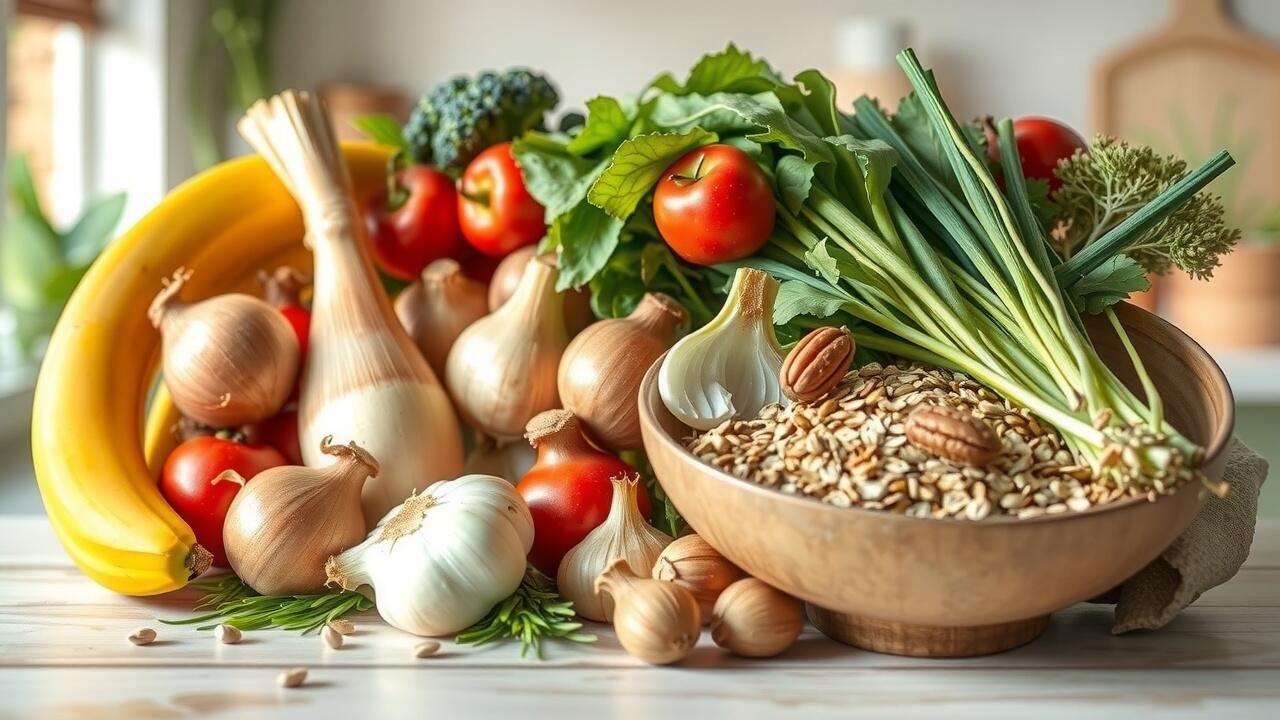
Prebiotics are non-digestible fibers that serve as food for beneficial microbes in the gut, supporting a healthy gut microbiome. They play a crucial role in enhancing gut health by promoting the growth of specific strains of probiotics such as Lactobacillus and Bifidobacterium. Some of the best prebiotics include inulin and fructooligosaccharides, which help to nourish beneficial bacteria, like Lactobacillus rhamnosus and Bifidobacterium animalis. These prebiotic fibers can inhibit harmful bacteria, creating a balanced intestinal environment conducive to thriving gut microbes.
The efficacy of prebiotics lies in their ability to stimulate the growth of good bacteria, which in turn can lead to improved digestive health and enhanced immune function. By fostering the growth of beneficial microbes, such as Lactobacillus reuteri and various bifidobacteria, prebiotics help maintain a diverse and resilient microbiome. A well-supported gut microbiome can aid in nutrient absorption and may reduce the risk of gastrointestinal disorders, making the best prebiotics an essential component for overall gut health.
How Do Prebiotics Work with Probiotics?
Prebiotics serve as food for probiotics, fostering a thriving environment for beneficial microorganisms in the gastrointestinal tract. The best prebiotics are typically found in various foods such as vegetables, dairy products, and specific ingredients in supplements. These prebiotic fibers are fermented by the probiotics, leading to the production of short-chain fatty acids. These fatty acids play a crucial role in maintaining gut health by providing energy for gut cells and inhibiting the growth of harmful bacteria and yeasts, thereby reducing the risk of infection.
The symbiotic relationship between prebiotics and probiotics creates a balanced gut microbiome. While probiotics introduce live microorganisms into the digestive system, prebiotics nourish these beneficial bacteria, enhancing their effectiveness. The combination of enzymes, acids, and the right nutrients from both foods and supplements maximizes their health benefits. Consuming the best prebiotics alongside probiotic-rich foods such as yogurt or fermented dairy products promotes a healthy gut, improving overall digestive health and well-being.
Types of Prebiotics
Understanding the various types of prebiotics is crucial for enhancing digestive health and overall wellness. The best prebiotics often include natural fibers that can be found in foods such as garlic, onions, and bananas, which provide essential nutrients for beneficial gut bacteria. These natural prebiotics work by promoting the production of short-chain fatty acids (SCFAs), which are vital for maintaining gut integrity and influencing immune response. Incorporating dietary supplements, such as multivitamins that contain prebiotics, can also offer prebiotic support, especially for those with specific medical conditions. Choosing supplements free from contaminants ensures that you’re getting the prebiotic overall benefits without harmful additives. By understanding these options, individuals can make informed choices to include the best prebiotics in their diets to support their digestive health.
Prebiotic Fiber: Definition and Sources
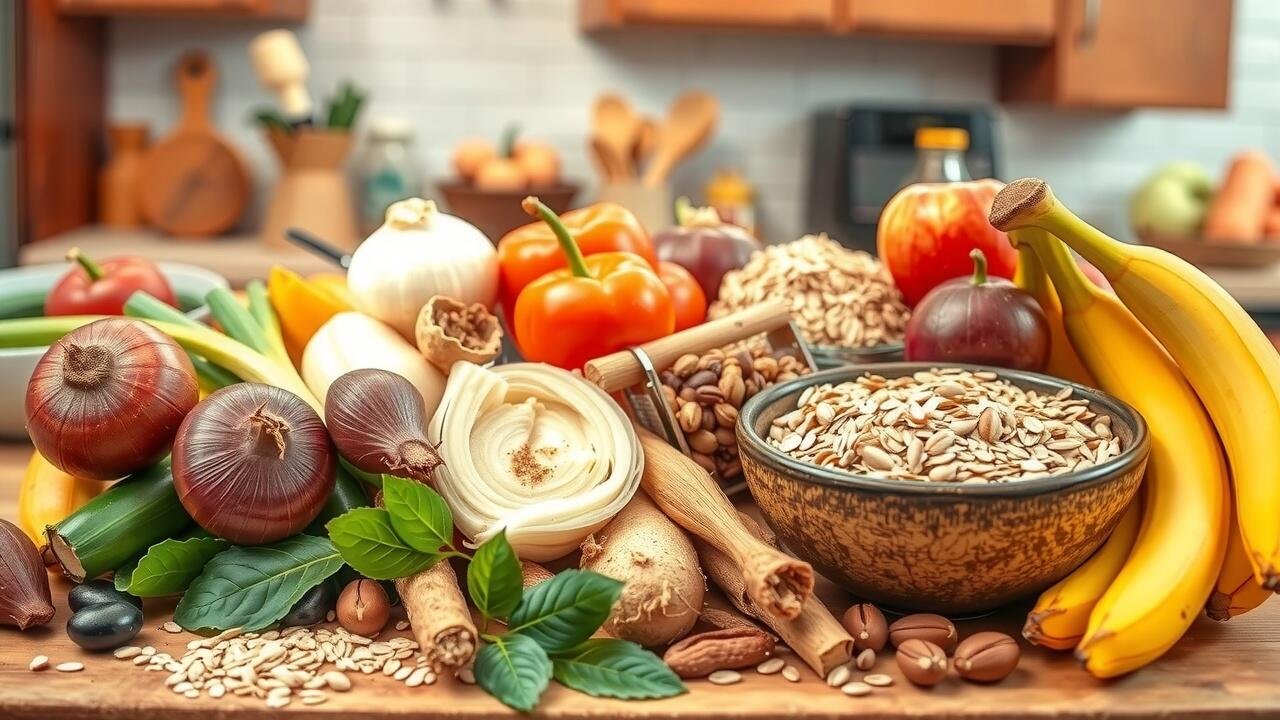
Prebiotic fiber refers to non-digestible carbohydrates that serve as food sources for beneficial gut bacteria. They consist of various prebiotic components, which include inulin, oligosaccharides, and resistant starch. The prebiotic content in these fibers helps nourish good bacteria, promoting a balanced gut microbiome. Incorporating prebiotic foods into your diet can yield significant prebiotic benefits, as these ingredients support overall digestive health. Organic prebiotics, found in fruits, vegetables, and whole grains, are among the best prebiotics for enhancing gut health.
There are numerous sources of prebiotic fiber, including garlic, onions, bananas, and asparagus, which are just a few examples of prebiotic-containing foods. These foods can be included in daily meals to increase the intake of probiotic prebiotic combinations. Prebiotic supplements are also available for those seeking a convenient way to support their gut health. Some of the best prebiotics on the market offer synergistic prebiotics, providing a range of prebiotic ingredients that work together to maximize the positive effects on gut bacteria.
Common Prebiotic Foods and Their Benefits
Prebiotic-rich foods serve as a vital source of nourishment for the beneficial bacteria in your gut. Foods like garlic, onions, and asparagus contain high levels of inulin and fructooligosaccharides (FOS), making them some of the best prebiotics available. These plant-based prebiotic options enhance prebiotic intake, promoting a diverse range of probiotic species in the microbiome. Incorporating these foods into meals not only supports the growth of good bacteria but also contributes to the production of postbiotics, which are beneficial compounds produced by probiotics during fermentation.
Including xos prebiotics, found in certain fruits and vegetables, can further amplify the effects of your probiotic regimen. These prebiotic-type support elements help choose probiotics with maximum efficacy, ensuring that upgraded probiotics flourish. A diet rich in prebiotic plant sources lays the foundation for optimal digestive health, facilitating a robust environment for both raw probiotics and probiotic food. Emphasizing a variety of prebiotic-rich foods in your diet can lead to improved gut health and overall well-being.
The Best Prebiotics on the Market
Finding the best prebiotics on the market can significantly enhance gut health by supporting beneficial probiotic bacteria. Many consumers seek out combinations that include probiotic strains, such as synbiotic combos, which provide both live probiotic and prebiotic benefits. Some noteworthy options are those that feature a 3-in-1 probiotic formula, delivering a prebiotic punch while ensuring a robust intake of prebiotic greens. Prebiotic powders also offer convenient ways to enrich diets with prebiotic dense foods, promoting optimal gut function. Supplements featuring mcc1849 postbiotics highlight the synergy between prebiotics and probiotics, delivering comprehensive support for digestive wellness.
Top Prebiotic Supplements to Consider
Looking for the best prebiotics can lead you to various effective options on the market. Many supplements feature a combination of prebiotic fiber supplements and multi-strain probiotics to promote gut health. For those seeking targeted support, prebiotic glp-1 formulations can enhance metabolic health. Products like probiotic capsules and daily probiotic blends are made specifically for women or general gut maintenance, ensuring that every demographic can benefit from these supplements.
Several brands offer innovative solutions such as prebiotic pure powder, which can easily be mixed into smoothies or beverages. DE111 probiotics are another excellent choice due to their ability to survive harsh digestive environments. Daily synbiotics that combine both prebiotics and probiotics, like Trubiotics probiotics, provide a comprehensive approach to gut wellness. Selecting high-quality probiotic supplements with proven efficacy ensures you are getting some of the best prebiotics available today.
Prebiotic Comparison Table: Features and Benefits
Many consumers seek the best prebiotics to support their overall digestive health and wellbeing. Top options include prebiotic fiber inulin, known for its role in nourishing healthy gut bacteria. Products such as prebiotic gummy and prebiotic fiber gummies offer a tasty way to integrate these fibers into your diet. For those particularly interested in women’s health, bakakoul feminine probiotics and ritual synbiotic can enhance the balance of beneficial bacteria while also addressing issues like antibiotic-related diarrhoea.
Some supplements combine prebiotics and probiotics to create a synergistic effect, promoting a healthy balance of gut flora. The greens-plus-prebiotic blend stands out for providing multiple benefits, including antioxidants and essential nutrients alongside prebiotic support. Postbiotic gummies, featuring tributyrin postbiotic, contribute directly to gut health by helping maintain the environment needed for healthy bacteria to thrive. Exploring these options can lead to discovering the best prebiotics that align with individual health goals.
- Supports digestive health and enhances gut flora
- Helps in nourishing healthy gut bacteria
- Provides convenient and tasty options through gummies
- Addresses specific health concerns, such as women’s health and antibiotic-related issues
- Offers combined benefits of prebiotics and probiotics for improved gut balance
- Supplies essential nutrients and antioxidants alongside prebiotic support
- Contributes to a healthy gut environment with postbiotic ingredients
Incorporating Prebiotics into Your Diet
Finding the best prebiotics to incorporate into your diet can significantly enhance your overall microbiome health. These fibers serve as fuel for beneficial gut bacteria, promoting the growth of friendly gut bacteria while working to suppress bad bacteria. By integrating prebiotic-rich foods or supplements, individuals can support their health-supporting gut microbiome and encourage a balanced gut microbiome. The inclusion of actual bacteria strains in conjunction with prebiotics can lead to comprehensive microbiome support, contributing to enhanced microbiome wellness. With a unique gut microbiome tailored to individual needs, prioritizing these elements fosters a healthy gut microbiome and elevates overall digestive health.
Easy Ways to Add Good Prebiotic Foods
Incorporating prebiotic foods into your diet can be simple and enjoyable. Raw vegetables such as asparagus, garlic, and onions are excellent sources of the best prebiotics, providing essential fibers that nourish scfa-producing bacteria in your gut. Adding these foods to salads, smoothies, or dips can significantly enhance your gut health routine and promote a well-fed gut microbiome. A varied diet that includes these fiber-rich options can help balance the broad microbiome, supporting beneficial bifidobacteria while reducing disease-promoting bacteria.
Consider making prebiotics a staple in your meals to enhance your overall gut health. Foods like bananas, oats, and legumes not only offer delicious taste but also serve as effective microbiome optimizers. Including these foods regularly can help create complete gut health and total gut health, as they work synergistically with probiotics to maintain a healthy gut. Products from brands like BodyBio offer convenient ways to integrate prebiotics into your daily routine, ensuring that you consistently support gut health and boost your body’s ability to thrive.
| Prebiotic Food | Benefits | Serving Suggestions |
|---|---|---|
| Asparagus | Rich in inulin, supports healthy gut bacteria | Grilled, steamed, or added to salads |
| Garlic | Promotes beneficial bacteria and boosts immune system | Used in cooking, sauces, or dressings |
| Onions | High in quercetin and prebiotic fibers | Raw in salads or sautéed with vegetables |
| Bananas | Contains fructooligosaccharides, supports digestive health | Eaten raw, blended in smoothies, or baked in snacks |
| Oats | High in beta-glucan, aids in gut health | In oatmeal, granola, or energy bars |
Prebiotic Powder and Greens: Convenient Options
Prebiotic powders and greens are emerging as some of the best prebiotics available, offering a convenient daily gut supplement for those looking to enhance their digestive health. These stable supplements often come in forms like vegetarian capsules or powders, making them easy to incorporate into any routine. Formulated to support gut microbes, they contribute to microbiome balance while providing nourishment for helpful microorganisms. Popular products like gut health gummies and options such as Promix Nutrition Debloat can serve as effective alternatives to conventional foods for those seeking to improve their gut health system.
Incorporating these supplements can help strengthen the healthy gut lining and create a barrier that prevents infection from harmful pathogens. They serve as an excellent way to ensure adequate intake of prebiotics, especially for individuals with busy lifestyles. Regular use of prebiotic powders and greens can significantly impact overall digestive health by fostering a thriving environment for beneficial gut bacteria. By targeting diverse aspects of gut health, these options provide an accessible means to support a well-functioning microbiome.
Understanding Synbiotics
Synbiotics are a combination of prebiotics and probiotics, designed to optimize gut health by harnessing the benefits of both live microorganisms and gut-focused ingredients. The best prebiotics serve as food for these beneficial bacteria, enhancing their effectiveness in promoting a balanced gut microbiome. Nutritional professionals often recommend specific strains found in synbiotics, which work synergistically with prebiotic fiber. Commonly, synbiotics contain multiple ingredients that may include fiber supplement gummies, offering a convenient way to incorporate essential nutrients into your diet. Top nutrition researchers highlight the importance of these formulations in improving digestive health while ensuring they are free from certain contaminants. By combining these elements, synbiotics emerge as some of the healthiest options for maintaining optimal gut health.
- Synbiotics may help improve digestive function and reduce gastrointestinal discomfort.
- They can enhance the body’s immune response by promoting a healthy gut microbiome.
- Incorporating synbiotics into your diet may help mitigate symptoms of irritable bowel syndrome (IBS).
- They often help in increasing the absorption of essential nutrients, benefiting overall health.
- Regular use of synbiotics may contribute to improved mental health by supporting the gut-brain connection.
- They are available in various forms, including powders, capsules, and functional foods.
- It’s essential to choose products that have been clinically studied and contain effective strains of probiotics and prebiotics.
What Are Synbiotics?
Synbiotics refer to a combination of prebiotics and probiotics that work synergistically to enhance gut health. The best prebiotics serve as food for probiotics, which are live beneficial bacteria. By including different strains of probiotics alongside prebiotic fibers, synbiotics can support intestinal absorption and overall health. Digestive supplements that integrate synbiotics are often considered a complete supplement, addressing various digestive issues and improving gut support.
Certain foods naturally contain both prebiotics and probiotics, making them ideal for those looking to optimize gut health. Chewable supplements that combine these elements are popular due to their convenience and ease of use. Many healthcare professionals recommend these solutions, especially those formulated with different microbes to provide a balanced approach to gut wellness. Dressings and food preparations that mix in these components can offer a flavorful way to enhance nutritional intake while supporting digestive health.
Conclusion
The best prebiotics play a crucial role in enhancing metabolic health by nourishing beneficial gut bacteria. For those looking to optimize their health, it’s essential to choose prebiotic supplements with a transparent labs approach, ensuring a quality ingredient list that highlights their efficacy. Various mixes available in the market cater to different dietary needs, making it easier than ever to incorporate these powerful prebiotics into your daily routine. By understanding the best prebiotics and their functions, individuals can make informed choices that support their overall well-being.
FAQS
What are prebiotics?
Prebiotics are non-digestible fibers and compounds that promote the growth of beneficial bacteria in the gut, improving overall digestive health.
How do prebiotics differ from probiotics?
While prebiotics are substances that feed good bacteria, probiotics are live beneficial bacteria themselves. Together, they work to enhance gut health.
What foods are high in prebiotics?
Common prebiotic foods include garlic, onions, leeks, asparagus, bananas, and whole grains such as oats and barley.
Can I take prebiotic supplements?
Yes, prebiotic supplements are available and can be an effective way to increase your intake, especially if you have difficulty consuming enough prebiotic-rich foods.
How can I incorporate more prebiotics into my diet?
You can incorporate more prebiotics by adding prebiotic-rich foods to your meals, using prebiotic supplements, or choosing prebiotic powders and greens in smoothies or beverages.
What are some foods that contain prebiotics and how do they support a balanced microbiome alongside probiotics?
Foods that contain prebiotics, such as prebiotic greens, are vital for providing prebiotic support alongside probiotics. These prebiotic-rich foods help nourish good bacteria, facilitating the growth of friendly bacteria in your gut. A good probiotic combo often includes a mixture of probiotics and prebiotic-type support, ensuring that both live bacteria and gut microbes thrive. This combination ultimately promotes digestive health and leads to a well-fed gut microbiome, making it an excellent choice for maintaining gut health.
How can prebiotic overall strategies enhance the benefits of a probiotic combo for improving gut health using prebiotic greens?
Incorporating a prebiotic overall strategy can significantly enhance the benefits of a probiotic combo by using prebiotic greens that help nourish good bacteria effectively. Prebiotic-rich foods, along with probiotics such as probiotic gummies and specific probiotic foods, work together to create a balanced microbiome. This synergy fosters a well-fed gut microbiome, which is essential for digestive health and supports the host microorganisms. By choosing foods and supplements that contain both prebiotics and probiotics, individuals can ensure that their gut is fortified with gut-focused ingredients that strengthen gut microbes—the foundation for overall health and wellness.
What are the specific foods and supplements that are recommended to enhance the effects of probiotics for promoting digestive health?
To enhance the effects of probiotics, consider incorporating specific foods and supplements such as prebiotic-rich foods that help nourish good bacteria. Foods like garlic, onions, and asparagus are high in prebiotics, while certain milk products can also support a well-fed gut microbiome. A greens-plus-prebiotic blend can be an excellent addition, alongside your choice probiotics, especially 3-in-1 probiotics designed for women. These gut-focused ingredients, combined with digestive enzymes, can contribute significantly to improved digestive health. It’s always best to consult a doctor for personalized recommendations regarding your diet and probiotic support.
How do prebiotic-rich foods contribute to the well-being of a well-fed gut microbiome and support digestive health?
Prebiotic-rich foods play a crucial role in supporting digestive health by nourishing good bacteria, thus promoting a well-fed gut microbiome. These foods help optimize the effects of probiotics, including those specifically beneficial for women such as vaginal probiotics. Additionally, a diet inclusive of various greens-plus-prebiotic blends and gut-focused ingredients can enhance overall gut health, particularly when combined with digestive enzymes to further aid digestion.
How can incorporating prebiotic-rich foods into a diet enhance digestive health and support the benefits of probiotics for women’s gut health?
Including prebiotic-rich foods in your diet can significantly enhance digestive health by providing essential nutrients that help nourish good bacteria in the gut. These prebiotics work in tandem with probiotics to promote a well-fed gut microbiome, ensuring a robust barrier that prevents infection. Many gut-focused ingredients, such as the greens-plus-prebiotic blend, serve as the main ingredients in supplements aimed at improving digestive health. It’s important for women to learn how these foods and supplements can work effectively with digestive enzymes to foster overall gut health.† Welcome to exploring the connection between prebiotics and probiotics!
How do prebiotic-rich foods help nourish good bacteria in the gut and support overall digestive health with probiotics?
Prebiotics help nourish good bacteria by providing the essential nutrients that these probiotics need to thrive within the gut. Incorporating prebiotic-rich foods into your diet enhances digestive health by creating a well-fed gut microbiome that can effectively support the barrier preventing infection. This synergistic relationship is especially beneficial for probiotics for women, as it promotes a healthier digestive system. For optimal gut health, options like greens-plus-prebiotic blend and other gut-focused ingredients can be combined with foods supplements and digestive enzymes for comprehensive support.
How do prebiotic-rich foods interact with probiotics to ensure a well-fed gut microbiome and enhance overall digestive health?
Prebiotic-rich foods play a crucial role in supporting the gut microbiome by providing the necessary nutrients that probiotics need to thrive. When these gut-focused ingredients are combined, they create a synergistic effect that promotes gut health. By incorporating a greens-plus-prebiotic blend into your diet, you not only nourish the good bacteria but also enhance the barrier that prevents infection, thereby significantly improving digestive health. For women, this combination of probiotics and prebiotic works effectively to ensure a robust digestive system. Adding digestive enzymes can also further amplify these benefits, making it easier for the body to absorb nutrients and maintain a healthy microbiome.
How can a greens-plus-prebiotic blend improve probiotics for digestive health in women while contributing to a well-fed gut microbiome?
A greens-plus-prebiotic blend can significantly enhance probiotics for digestive health in women by providing prebiotic-rich foods that nourish good bacteria in the gut. This combination supports a well-fed gut microbiome, helping to maintain barrier prevents infection and optimize gut-focused ingredients. Additionally, incorporating such blends with digestive enzymes allows for better digestion and absorption, promoting overall gut health.
How can combining prebiotic-rich foods with probiotics contribute to improved digestive health and the maintenance of a well-fed gut microbiome?
Combining prebiotic-rich foods with probiotics offers several benefits for digestive health. These foods provide prebiotic-type support that nourishes good bacteria, ensuring a well-fed gut microbiome. Particularly for women, utilizing a greens-plus-prebiotic blend can enhance the effects of probiotics. It’s also beneficial to explore gut-focused ingredients that work in synergy with digestive enzymes, optimizing gut health and overall well-being.
How do greens-plus-prebiotic blends benefit women’s digestive health and strengthen the well-fed gut microbiome for improved gut health?
Greens-plus-prebiotic blends are designed to enhance probiotics for women’s digestive health by providing prebiotic-type support that nourishes the well-fed gut microbiome. These blends often contain gut-focused ingredients rich in prebiotic-rich foods that promote overall gut health, making the gut environment more conducive for probiotics. Utilizing digestive enzymes can further improve the absorption and efficacy of these blends, leading to optimal digestive health and wellness.

