Key Takeaways
- Comprehending Prebiotics
- Leading Origins of Prebiotic Nourishment
- Common Prebiotic Nourishments
- Prebiotics Compared to Probiotics
- Adding Prebiotic Nourishments to Your Meal Plan
- Wellness Advantages of Prebiotic Nourishments
Understanding Prebiotics
Prebiotics are non-digestible fibers and compounds that serve as nourishment for beneficial gut bacteria, primarily probiotics. These unique prebiotic molecules stimulate the growth and activity of these probiotics, enhancing gut health and overall well-being. The international scientific association for probiotics and prebiotics recognizes the importance of prebiotic fibers in maintaining a balanced microbial environment in the digestive system. Foods that are considered the best prebiotics foods, such as garlic, bananas, and onions, contain these essential prebiotic fibers that can help combat the negative effects of antibiotics. Incorporating these foods into your diet not only supports probiotic activity but can also contribute to the concept of synbiotics, where both prebiotics and probiotics work synergistically to promote optimal health.
What Are Prebiotics?
Prebiotics are non-digestible food ingredients that stimulate the growth and activity of beneficial gut bacteria. They are found in various food products, particularly in whole foods such as fruits, vegetables, and whole grains. These functional foods provide essential nourishment for “good” bacteria, helping maintain a healthy gut microbiome. While many processed foods lack these vital components, incorporating the best prebiotics foods, like fiber-rich snack foods, can enhance digestive health.
These compounds act as a fertilizer for good bacteria, promoting their proliferation and activity in the digestive system. Foods such as fermented foods and certain dairy products are also great sources of prebiotics, which work synergistically with probiotics. This interaction between prebiotics and “good” bacteria contributes to improved food chemistry within the body, leading to better nutrient absorption and overall gut health.
The Role of Prebiotics in Gut Health
Prebiotics play a crucial role in maintaining the balance of gut bacteria, particularly by supporting the growth of “good” bacteria like lactobacillus. Incorporating the best prebiotics foods into your diet can create an optimal environment for beneficial gastrointestinal bacteria to thrive. These ingredients not only enhance digestion but also help in battling harmful bacteria, ensuring a healthier gut ecosystem. A variety of vegetables serve as excellent food sources of prebiotics, making them a beneficial component of clinical nutrition and dietary recommendations.
Including prebiotics in your meals can significantly improve gut health. Fermented food items often contain prebiotic properties that help nourish the existing beneficial bacteria, promoting a thriving gut flora. The diverse types of bacteria in the gut can influence various aspects of overall health, from immunity to digestion. Opting for the best prebiotics foods, such as garlic, onions, and bananas, can further enhance the symbiotic relationship between prebiotics and probiotics, contributing to enhanced well-being.
- Prebiotics assist in improving digestion and nutrient absorption.
- They may help in reducing the risk of gastrointestinal disorders.
- Incorporating a variety of prebiotic-rich foods can promote diversity in gut bacteria.
- Prebiotics can stimulate the immune system and improve inflammatory conditions.
- Regular intake of prebiotics is linked to better mood and mental well-being.
- They may aid in weight management by promoting a sense of fullness.
- Including prebiotics in the diet supports metabolic health and can lower the risk of chronic diseases.
Top Sources of Prebiotic Foods
Exploring the best prebiotics foods can significantly enhance gut health and overall well-being. Dietary guidelines emphasize the importance of incorporating fiber-rich foods that support a diverse gut microbiota, thereby fostering a balanced gut microbiome. Whole wheat pasta, oats, and various cereals stand out as excellent sources of dietary fiber, providing essential nutrients while promoting the production of beneficial short-chain fatty acids. Food science research highlights how these dietary fibres can positively influence microbial activity, ultimately leading to improved health outcomes. Integrating these foods into daily meals not only supports digestive health but also elevates the quality of one’s diet.
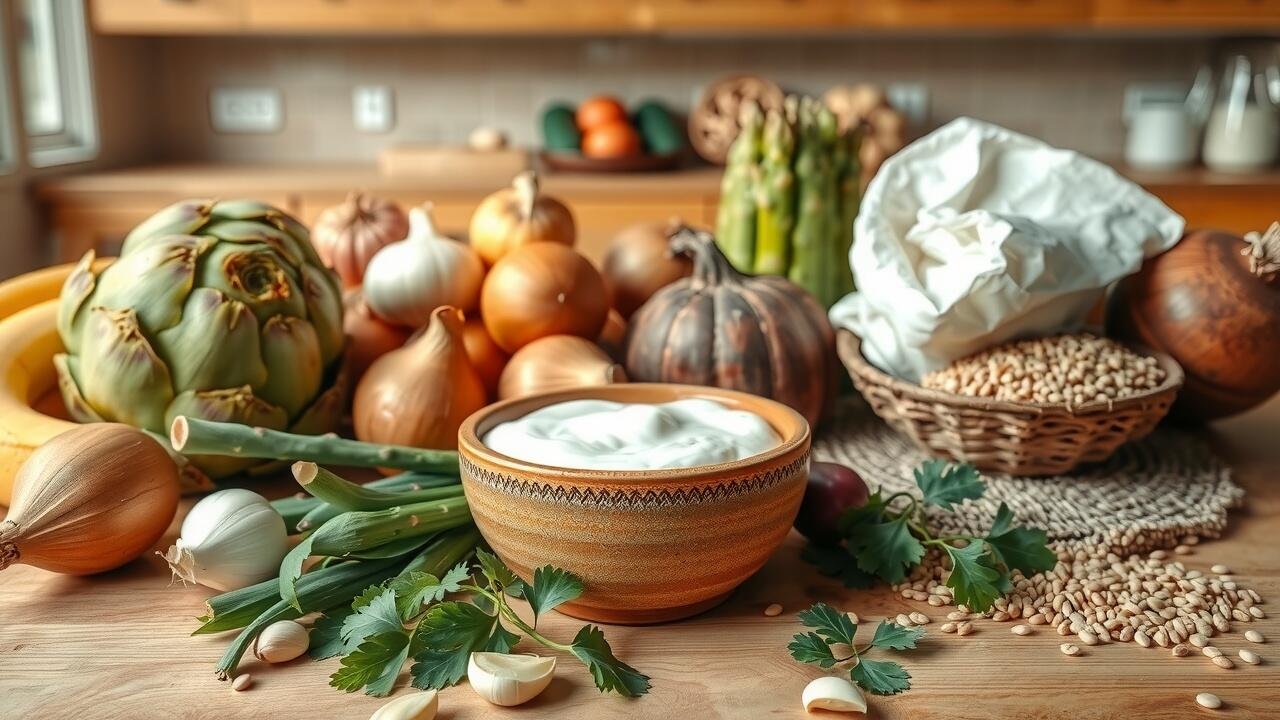
Fiber-Rich Foods That Contain Prebiotics
Fiber-rich foods play a vital role in promoting gut health, serving as excellent prebiotic ingredients. Many plant-based foods, such as legumes, oats, and whole grains, are among the best prebiotics foods available. These prebiotic-rich foods are essential for providing the gut with the necessary nutrients to flourish. Including these fiber-dense options in your diet not only supports digestive health but also enhances the effectiveness of probiotic foods by creating a favorable environment for beneficial bacteria.
Chicory root, garlic, and onions are examples of prebiotic dense foods that can elevate your nutrient intake. These foods contain prebiotics that encourage the growth of healthy gut flora. Incorporating these prebiotic types into meals can significantly enhance your overall health. For those seeking to enrich their diets with the best prebiotics foods, focusing on fiber-rich options can be a straightforward and delicious way to achieve better gut balance and overall wellness.
Vegetables as Excellent Prebiotic Options
Many vegetables are recognized as some of the best prebiotics foods due to their high prebiotic content. These plant-based options possess unique prebiotic qualities that can enhance gut health. For example, artichokes and asparagus are standout options, providing a substantial amount of inulin, a prebiotic type that promotes beneficial gut bacteria. Ensuring enough prebiotics in your diet is essential for achieving optimal prebiotic effects, leading to improved digestive function and overall wellness.
The prebiotic properties of various vegetables contribute significantly to their prebiotic effectiveness. Foods like leeks, broccoli, and Brussels sprouts not only add flavor and nutrition to meals but also support healthy prebiotic activity in the gut. By increasing your prebiotic intake through these delicious options, you can enjoy numerous prebiotic benefits, including better nutrient absorption and enhanced immune function. Understanding prebiotics allows individuals to incorporate these vegetable choices into their diets and optimize their gut health naturally.
Popular Prebiotic Foods
Bananas, garlic, and onions stand out as some of the best prebiotics foods available, offering unique prebiotic-like qualities that enhance gut health. Bananas are rich in prebiotic fibers, particularly resistant starch, which can promote the growth of beneficial probiotic bacteria. Garlic and onions also possess prebiotic powers, containing prebiotic compounds that have antibiotic properties, contributing to a balanced microbiome. These plant-based prebiotics not only support gut health but also improve probiotic performances by enhancing the efficacy of probiotic bacteria in the digestive system. Including such foods in the diet maximizes their prebiotic effects, leveraging their prebiotic potential for better overall wellness.
| Prebiotic Food | Key Nutrients | Health Benefits |
|---|---|---|
| Bananas | Resistant Starch, Fiber | Supports gut bacteria, aids digestion |
| Garlic | Fructooligosaccharides (FOS), Antioxidants | Promotes healthy gut flora, boosts immunity |
| Onions | Inulin, Quercetin | Improves gut health, anti-inflammatory properties |
| Asparagus | Inulin, Fiber | Aids digestion, supports weight management |
| Chicory Root | Inulin, Antioxidants | Enhances digestive health, promotes heart health |
Bananas: A Sweet Source of Prebiotics
Rich in prebiotic fiber inulin, bananas are celebrated among the best prebiotics foods. This prebiotic compound not only promotes the growth of good gut bacteria but also provides a delightful taste to your meals. As a prebiotic-packed plant, bananas enhance the absorption of nutrients and support healthy digestion. Their natural sweetness makes them an enjoyable and versatile addition to many foods, making it easy to incorporate this powerhouse into your diet.
Bananas also contain prebiotic polyphenols that contribute to their health benefits. Consuming these vibrant fruits may help reduce the risk of antibiotic-related diarrhea by fostering a balanced gut microbiome. With their impressive prebiotic punch, bananas stand out as a delicious option for anyone looking to improve their gut health. Including them regularly in your meals can significantly support and nourish your healthy gut bacteria, ensuring a well-functioning digestive system.
Garlic and Onions: Flavorful Prebiotic Choices
Garlic and onions rank among the best prebiotics foods due to their high content of prebiotic molecule inulin. This complex carbohydrate serves as a food source for beneficial gut bacteria, promoting the growth of friendly gut bacteria like lactobacillus. By incorporating these flavorful food types into meals, individuals can significantly enhance their gut health. These rich foods not only add depth to dishes but also play an essential role in creating a thriving microflora.
Both garlic and onions belong to the category of high-fiber foods, making them effective in supporting the development of healthy bacteria in the gut. Their incredible flavor allows for versatile use in various recipes, pairing well with numerous related foods. This versatility makes it easy to incorporate these prebiotic powerhouses into a diet, ultimately fostering the growth of helpful gut bacteria. Enjoying these food types regularly can contribute to improved digestion and overall wellness.
Prebiotics vs. Probiotics
Understanding the distinction between prebiotics and probiotics is essential for anyone looking to enhance their microbiome health. Prebiotics are non-digestible fibers found in various foods that serve as nourishment for helpful bacteria, promoting a healthy gut microbiota. These fibers can be sourced from the best prebiotic foods, which include both fiber-rich and low-calorie options, such as raw vegetables, fruits, and certain food hydrocolloids. In contrast, probiotics are live microorganisms, often referred to as friendly bacteria, that can be found in high-calorie foods like yogurt and fermented products. To optimize dietary health, it’s crucial to assess foods that combine both prebiotic and probiotic elements, ensuring a balanced approach to supporting microbiome health and maintaining digestive wellness.
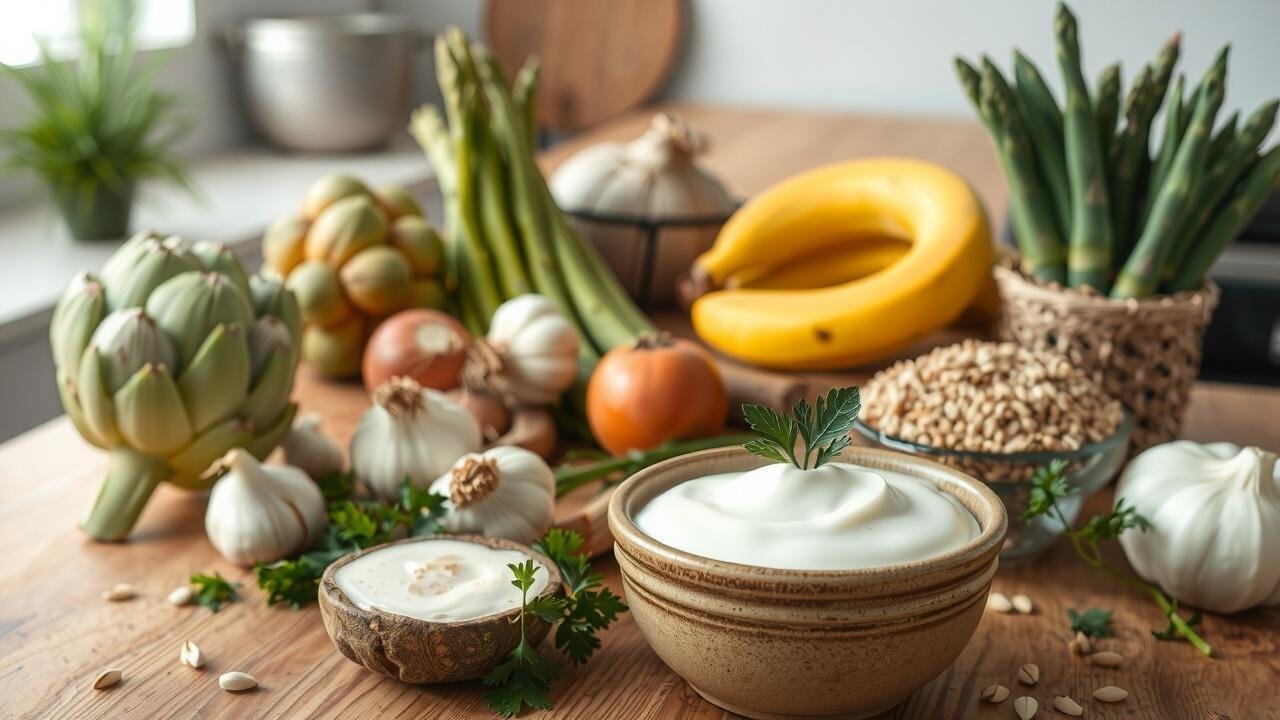
Differences Between Prebiotics and Probiotics
Prebiotics are non-digestible food components that promote the growth and activity of beneficial bacteria in the gut. These best prebiotics foods, often rich in dietary fiber, serve as fuel for the existing gastrointestinal bacteria abundance. By incorporating multiple ingredients known for their prebiotic properties, individuals can enhance their dietary choices, contributing to a more diverse gut microbiome. Nutritional professionals often emphasize the importance of consuming food applications that support microbiome wellness, helping to address various nutrition challenges.
Probiotics, on the other hand, consist of live beneficial bacteria that can be introduced into the body through food or supplements. While prebiotics feed the good bacteria, probiotics add to the population of these microorganisms in the gut. Both have roles in fostering a healthy microbiome ready to tackle digestive issues. Nutrition reviews highlight that the main ingredients in probiotic foods can complement the action of best prebiotics foods, creating a synergistic effect that promotes overall gut health. By understanding these differences, individuals can make informed choices to optimize their nutritional intake.
How Prebiotics Support Probiotic Activity
Prebiotics serve as important nourishment for good gut microbes, fostering a balanced microbiota composition. Top nutrition researchers have identified the role of these dietary fibers in enhancing the growth of live bacteria while inhibiting bad bacteria. This interaction helps maintain a healthy gut environment, which is essential for overall well-being. Incorporating best prebiotic foods, such as cereal and various vegetable intakes, supports this beneficial process, making dietary management an effective strategy for gut health.
Studies conducted by nutrition professionals highlight that a diet rich in prebiotics can significantly influence the population of gut microbiota. Best prebiotics foods like garlic, onions, and bananas can help optimize the activity of probiotics, reinforcing their effectiveness in promoting a healthy digestive system. By understanding the relationship between prebiotics and probiotics, individuals can make informed choices to enhance their gut health through thoughtful dietary practices.
Incorporating Prebiotic Foods into Your Diet
Including the best prebiotics foods in your meals can significantly enhance your gut health by fostering a balanced microbiome. Recent nutrition research highlights how certain gut microorganisms thrive on food-derived substances found in prebiotic-rich foods, contributing to a resilient gut microbiome. To make this integration effortless, consider creating a grocery list that prioritizes fiber-rich options like garlic, onions, and a colorful vegetable tray. A delicious roasted Mediterranean veggie medley not only serves as a side dish but also provides a flavorful way to support gut microbiota interplay. Always check food labels for hidden prebiotics, and remember that even simple dairy products can offer unique benefits as noted in a recent nutrition bulletin from dairy science. Embracing a variety of prebiotic foods in your diet is a proactive step towards better digestive health.
Creative Ways to Include Prebiotic Foods
Incorporating the best prebiotics foods into your meals can be both enjoyable and beneficial for your gut health. A nutrition study conducted by leading nutrition research scientists highlighted the advantages of including sweet fruits and fiber-rich options like all-bran cereal in your daily diet. These foods help feed beneficial gut microbes, which can reduce the harmful bacteria population and promote a healthier microbiome. Adding whole almonds and edible seeds to salads or snacks can provide an easy way to boost your prebiotic intake.
Asparagus salad is a delicious and simple dish that showcases prebiotic ingredients. Tossing roasted asparagus with a mix of colorful vegetables not only adds flavor but also contributes to the benefits-related gut microbes in your body. Experimenting with different combinations of best prebiotics foods can enhance your meals and help balance disease-promoting bacteria. Utilizing a microbiome test can provide insights into your gut health, encouraging you to explore various prebiotic-rich options that suit your palate and nutritional needs.
Meal Ideas Featuring Best Prebiotics Foods
Incorporating the best prebiotics foods into your meals can be both delicious and nutritious. Certain fruits like bananas and apples serve as great snacks while providing essential fibers that benefit the gut microbiome data. Vegetables commonly used in salads, such as asparagus and leeks, are fiber-dense nutritional powerhouses that support the growth of friendly bifidobacteria. Including beans in your meals adds an excellent source of protein, along with valuable prebiotics that enhance overall gut health learn.
Creative meal ideas can make it easier to enjoy these beneficial foods. Morning smoothies can include fruits and whole grains like oats for a fiber boost. Stir-frying a mix of colorful vegetables with beans can create a satisfying lunch or dinner, ensuring a variety of microbial populations flourish in your gut. Emphasizing a range of best prebiotics foods will help maintain a balanced gut environment and support overall well-being.
- Include a banana and almond butter toast as a nutritious breakfast option.
- Make a hearty vegetable soup with onions, garlic, and leeks for lunch.
- Prepare a quinoa salad with roasted asparagus, beans, and a lemon dressing.
- Blend spinach, apple, and flaxseed into a refreshing green smoothie.
- Create a stir-fry with garlic, onions, and a mix of your favorite vegetables.
- Serve roasted sweet potatoes with a side of black beans and salsa.
- Snack on raw carrots and hummus for a satisfying prebiotic-rich treat.
Health Benefits of Prebiotic Foods
Prebiotic foods offer a range of health benefits that can significantly enhance your overall well-being. Incorporating best prebiotics foods into your diet can promote gut health and improve digestion. Root-like vegetables, such as garlic and onions, act as a nutritional stronghold, supporting the growth of beneficial gut bacteria. A diet heavy in these foods can lead to better nutrient absorption and stronger immune function. For those looking to enjoy breakfast bar recipes or create a hearty chicken/egg/bean salad, adding salty seeds or pearl barley soup enhances the prebiotic content. Recipes featuring intact cereal grain can serve as an alternative livestock feed, while nutrient-rich winter warmers like vegetable stews provide nutritious meals packed with prebiotics. Embracing these dietary choices is an effective way to harness the health benefits of prebiotics.
| Prebiotic Food | Primary Benefits | Recommended Serving |
|---|---|---|
| Garlic | Supports gut bacteria growth, boosts immunity | 1-2 cloves per day |
| Onions | Enhances digestive health, promotes nutrient absorption | 1 medium onion per meal |
| Bananas | Aids digestion, regulates blood sugar levels | 1 banana per day |
| Chicory Root | Improves gut health, reduces inflammation | 1-2 teaspoons of chicory root powder |
| Barley | Enhances heart health, controls cholesterol | 1 cup cooked per day |
Conclusion
Understanding the importance of incorporating the best prebiotics foods into daily meals is essential for fostering good health. Tasty staples like fermented cocoa beans and a simple guacamole salad not only provide beneficial compounds but also promote the growth of beneficial organisms in the gut. Consuming healthy grains, along with a variety of fruits and vegetables, enhances intestinal absorption and supports overall nutrition2023. By embracing these options, individuals can enjoy flavorful meals while reaping the numerous health benefits associated with prebiotic intake.
FAQS
What are prebiotics?
Prebiotics are non-digestible fibers and compounds found in certain foods that promote the growth and activity of beneficial gut bacteria, supporting overall gut health.
How do prebiotics differ from probiotics?
While prebiotics are dietary fibers that nourish beneficial bacteria, probiotics are live microorganisms that provide health benefits when consumed in adequate amounts.
What are some top sources of prebiotic foods?
Some of the top sources of prebiotic foods include garlic, onions, asparagus, bananas, leeks, and whole grains like oats and barley.
How can I incorporate prebiotic foods into my diet?
You can incorporate prebiotic foods into your diet by adding them to smoothies, salads, and soups, or by including them in your meals through cooking methods such as roasting or sautéing.
What health benefits are associated with consuming prebiotic foods?
Consuming prebiotic foods can improve gut health, enhance digestion, boost the immune system, and may even have a positive impact on mental health by promoting a healthy gut-brain connection.
What are some examples of foods that contain prebiotics, and how do they contribute to dietary health by boosting “good” bacteria in the gut?
Foods that are rich in prebiotics, such as fruits, vegetables, beans, and whole grains, can significantly enhance the levels of ‘good’ bacteria like lactobacillus and bifidobacteria in your gut. These prebiotic fibres, particularly inulin and other prebiotic nut compounds, act as food for these “good” bacteria, promoting a healthy gut microbiome. Incorporating a variety of low-calorie foods that are high in dietary fibres can serve as a dietary supplement to support overall dietary health. Research published in frontiers in nutrition indicates that consuming a fibre-dense nutritional powerhouse can be beneficial. Popular vegetables, for instance, not only provide essential nutrients but also contain prebiotics that support the growth of beneficial gut bacteria.
What are some beneficial nutrients found in best prebiotics foods that support dietary health and promote the growth of lactobacillus gut bacteria?
Best prebiotics foods often include a variety of beneficial nutrients such as fiber and certain types of prebiotic compounds like inulin, which are known to enhance the growth of beneficial bifidobacteria and lactobacillus gut bacteria. Dietary studies have shown that incorporating these foods can be a vital part of dietary health tips, particularly when combined with dietary supplements rich in monounsaturated fatty acids. A vegetable commonly recognized for its prebiotic benefits is chicory root, which contains high levels of inulin and supports overall gut health.
How can a prebiotic supplement containing prebiotics inulin enhance the dietary health of individuals?
A prebiotic supplement featuring prebiotics inulin can significantly enhance dietary health by promoting the growth of beneficial bacteria in the gut. The prebiotic compound inulin serves as a food source for these good bacteria, leading to improved digestion and gut health.
How can incorporating the best prebiotics foods into one’s diet enhance overall health and well-being?
Incorporating the best prebiotics foods into your diet enhances overall health by supporting gut microbiota and improving digestion, which contributes to better nutrient absorption and immune function.
How does the consumption of best prebiotics foods contribute to overall health and how does this food enhance gut functionality?
Consuming the best prebiotics foods can significantly enhance overall health by promoting a balanced gut microbiome. This food enhances the growth of beneficial bacteria, thus improving digestive health, boosting immunity, and reducing inflammation.

