Key Takeaways
- Comprehending beneficial microorganisms
- Advantages of beneficial microorganisms
- Top natural beneficial microorganisms
- Selecting food options rich in beneficial microorganisms
- Adding beneficial microorganisms to your nutrition
- Possible adverse reactions of beneficial microorganisms
Understanding Probiotics
Probiotics are live microorganisms that confer health benefits, particularly for digestive health. The international scientific association for probiotics and prebiotics emphasizes their role in supporting a balanced gut microbiome. These probiotic organisms can be found in various forms, including the best natural probiotics like fermented foods. Prebiotics, which are non-digestible fibers, serve as nourishment for probiotics, while postbiotics are the byproducts generated from probiotic metabolism. Understanding probiotics includes recognizing their importance in pediatric health, helping maintain gut flora in probiotics in children. In contexts where antibiotics disrupt the natural microbiota, incorporating synbiotics, which combine prebiotics and probiotics, can enhance overall gut health.
- Probiotics help in improving digestion and nutrient absorption.
- They can boost the immune system and reduce the risk of infections.
- Probiotics may alleviate symptoms of irritable bowel syndrome (IBS).
- Some strains have been linked to improved mental health and mood.
- Probiotics can aid in the prevention and treatment of antibiotic-associated diarrhea.
- Incorporating a variety of probiotic sources is beneficial for a diverse gut microbiome.
- Always consult with a healthcare provider before starting probiotic supplements, especially for children or those with underlying health conditions.
What Are Probiotics?
Probiotics are live microorganisms that provide health benefits, particularly for digestive wellness. They are commonly referred to as “good” or “beneficial” bacteria, which help balance the microbial ecosystem in the gut. Among the best natural probiotics are strains like Lactobacillus reuteri, known for their role in enhancing digestive health and reducing the incidence of conditions such as antibiotic-associated diarrhea. This balance of good bacteria can be disrupted by antibiotic treatments, making the incorporation of probiotics essential for restoring gut health.
Probiotics play a crucial role in maintaining a healthy digestive system by helping to combat harmful bacteria. The antimicrobial properties of these good bacteria allow them to thrive in the presence of harmful microbial agents. Including the best natural probiotics in your diet can support overall gut health and well-being. Foods rich in probiotics can be particularly beneficial during or after a course of antibiotics, as they help repopulate the gut with essential good bacteria that may be diminished due to the effects of antibiotics.
How Probiotics Differ from Prebiotics
Probiotics are live microbial organisms that confer health benefits, primarily through the maintenance of gut health. The best natural probiotics include various strains of lactic acid bacteria like Lactobacillus casei, Lactobacillus gasseri, and Lactobacillus kimchii, which help to balance intestinal flora by inhibiting harmful bacteria. For instance, Bifidobacterium lactis can also enhance digestive health, while other lactic acid-producing bacteria contribute to a stable gut environment that supports overall wellness.
Prebiotics, on the other hand, serve as food for these beneficial microbes. They are typically non-digestible fibers that promote the growth of microbial cultures, including the lactic acid bacteria found in probiotic foods. By fostering these beneficial microbes, prebiotics help to enhance the effectiveness of the best natural probiotics during antimicrobial treatment. Understanding this distinction allows individuals to better incorporate both types of substances into their diets for holistic digestive support.
Benefits of Probiotics
Probiotics offer a range of benefits that contribute to overall health, particularly through their influence on the gut microbiome. The best natural probiotics, such as lactobacillus paracasei, lactobacillus bulgaricus, and lactobacillus plantarum, play a crucial role in maintaining a balanced microbial metabolism in the intestine. These beneficial bacteria, including bacillus and lactobacillus johnsonii, help create a favorable environment for other microorganisms, enhancing the symbiotic culture of bacteria and yeasts within the gut. A diverse microbiome supports digestive health and boosts immune function, ultimately promoting well-being. Incorporating these probiotic strains into your diet is an effective way to support a thriving gut microbiome.
Enhancing Digestive Health
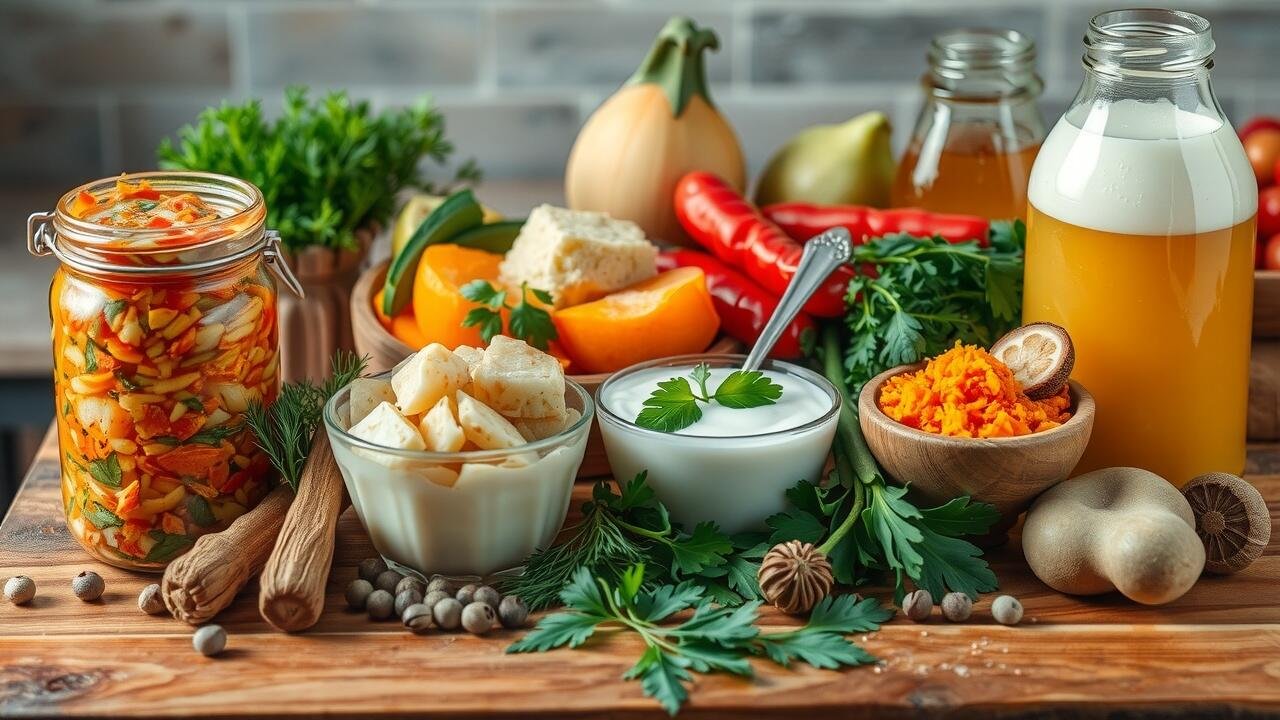
Probiotics play a crucial role in enhancing digestive health by supporting a balanced gut microbiota. Certain probiotics, such as lactobacillus rhamnosus and lactobacillus fermentum, have been shown to promote a healthy environment in the digestive tract. These best natural probiotics can help to alleviate gastrointestinal issues, improve nutrient absorption, and maintain overall gut function. Regular consumption of these healthy probiotics can lead to a robust gut microbiota, essential for optimal digestive performance.
Among the most effective strains are bacillus subtilis and bifidobacterium animalis, which have demonstrated significant benefits in improving digestion and reducing inflammation. Incorporating foods that contain probiotics, such as yogurt and fermented vegetables, can help foster a diverse gut ecosystem. Choosing specific probiotics tailored to individual needs can maximize the effectiveness of these best natural probiotics in enhancing digestive health.
Supporting Immune Function
Probiotic studies have highlighted the role of beneficial probiotics in enhancing immune function. These best natural probiotics contain live probiotics that help balance gut microbiota. A healthy gut is essential for maintaining an effective immune response. Common probiotics, such as Lactobacillus and Bifidobacterium, are often included in probiotic products designed to support overall health. These diverse probiotics can improve the body’s defense against infections and diseases.
The effectiveness of probiotics depends on various factors, including the specific strains used and the dosage. Single probiotics may offer targeted benefits, while a blend of diverse probiotics can provide more comprehensive support. Probiotic food sources, such as yogurt, kefir, and fermented vegetables, serve as excellent ways to incorporate these immune-boosting microorganisms into your diet. Individuals looking to enhance their immune function can benefit significantly from including the best natural probiotics in their daily regimen.
Best Natural Probiotics
Natural sources of probiotics offer an array of health benefits, making them some of the best natural probiotics available. These foods often contain a variety of probiotic species, each with unique probiotic strains that contribute to overall gut health. Probiotic research highlights the importance of selecting high-quality probiotic formulations to maximize probiotic content and efficacy. Fermented foods like yogurt, kefir, sauerkraut, and kimchi not only define probiotics but also serve as excellent probiotic treatments that enhance digestive health. Including these probiotic foods in your diet can optimize probiotic potential and support a robust immune system, leading to significant probiotic benefits. Understanding the relationship between prebiotics and probiotics is also essential, as prebiotics define probiotics and help support their growth in the gut. Prioritizing the best natural probiotics can lead to a healthier lifestyle.
| Probiotic Food | Probiotic Strains | Health Benefits |
|---|---|---|
| Yogurt | Lactobacillus bulgaricus, Streptococcus thermophilus | Supports digestion, boosts immune health |
| Kefir | Lactobacillus kefiranofaciens, Lactobacillus acidophilus | Enhances gut microbiome, improves lactose digestion |
| Sauerkraut | Lactobacillus plantarum, Leuconostoc mesenteroides | Aids in digestion, rich in vitamins C and K |
| Kimchi | Lactobacillus kimchii, Lactobacillus sakei | Promotes gut health, supports weight management |
| Miso | Aspergillus oryzae, Lactobacillus casei | Boosts immune system, contains antioxidants |
Top Probiotic Foods to Include
The best natural probiotics can often be found in various probiotic-rich foods that are easily integrated into daily meals. Yogurt is a well-known source, teeming with probiotic bacteria that support gut health and enhance digestion. Fermented foods like kefir, sauerkraut, and kimchi are also excellent choices, delivering a powerful probiotic boost. These probiotic-containing foods offer not just a single strain of bacteria but can provide multi-strain probiotics, enhancing their effectiveness in promoting overall wellness.
For those seeking a more concentrated form of probiotics, probiotic supplements may be beneficial. These probiotic mixtures can contain added probiotics that help replenish the beneficial bacteria in the gut. When selecting a probiotic supplement, looking for options with a diverse probiotic group is essential. This variety can ensure that you receive different strains of bacteria, making the probiotic resource even more effective. Incorporating both food sources and supplements can lead to a comprehensive approach to gut health.
Fermented Foods that Contain Probiotics
Yogurt is a prime source for probiotics, making it a favorite among those seeking the best natural probiotics. This creamy probiotic powerhouse not only offers a variety of probiotic strains but also enhances gut health by introducing beneficial probiotic microorganisms into the digestive system. Probiotic supplement users often turn to yogurt for a delicious way to support their microbiome. Alongside yogurt, other fermented foods, such as kefir and sauerkraut, provide a diverse array of probiotics that can complement prebiotic foods for optimal digestive health.
On the other hand, incorporating these fermented foods into your diet can have significant health benefits, especially for individuals with antibiotics experience. The live cultures found in these foods help replenish the gut flora, which may be disrupted by antibiotic use. Exploring various fermented options allows for a rich intake of the best natural probiotics, ensuring that you introduce enough probiotic strains to maintain a balanced microbiome. This combination of flavors and health benefits makes fermented foods a valuable addition to any diet.
Choosing Probiotic Food Choices
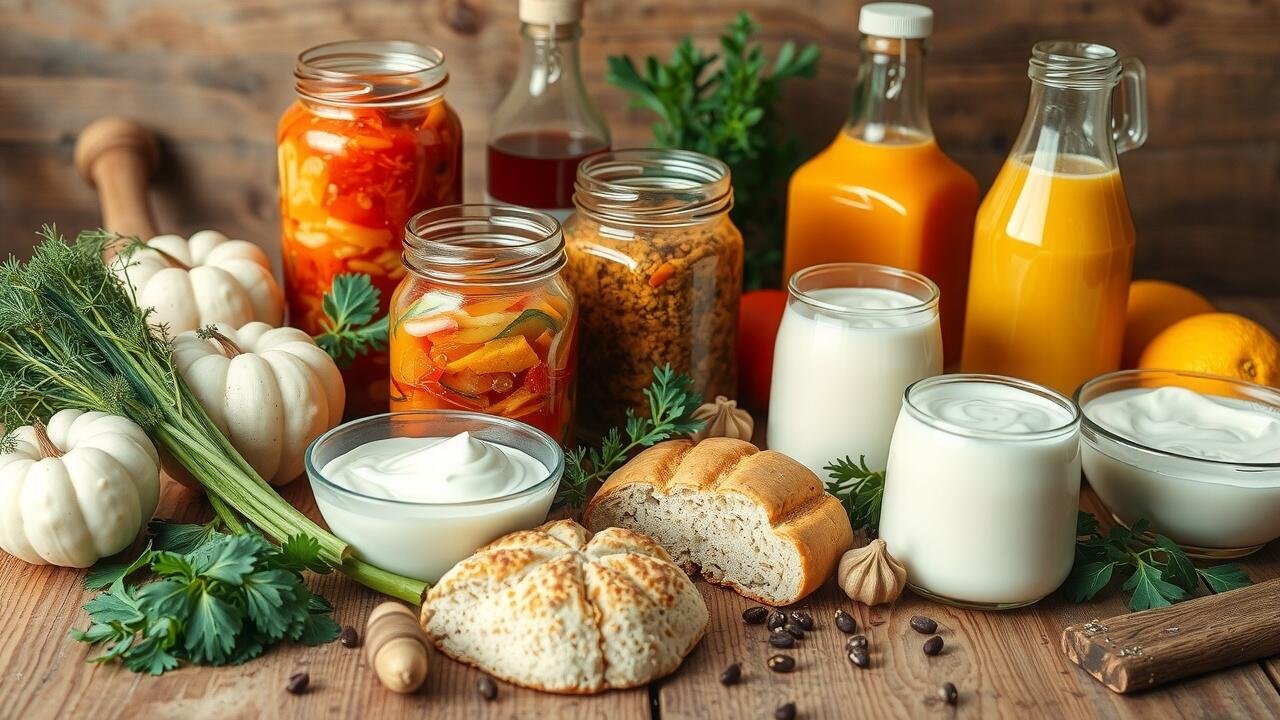
Selecting the right probiotic food choices is crucial for maximizing the benefits of the best natural probiotics. Options like probiotic milk drinks offer a convenient source of friendly bacteria, including helpful Lactobacillus bacteria, which can enhance microbial diversity in the gut. It is essential to consider the antibiotic dose you may have recently taken, as this can impact the balance of good bacteria in your body. While probiotics typically promote healthy bacteria, rare instances of probiotic sepsis emphasize the need for careful selection. Foods rich in natural bacteria and those containing antimicrobial substances can support your overall gut health, ensuring that you consume the most effective sources of beneficial microorganisms.
Factors to Consider in Probiotic Selection
Selecting the best natural probiotics requires attention to various factors, including the specific bacterial species present in the product. Live bacteria play a crucial role in enhancing your gut health. Research shows that certain strains, such as lactobacillus gasseri sbt2055, contribute positively to a healthy gut microbiome. It’s important to choose probiotics that contain active bacteria known for their proven benefits. The microbial functionality of different bacteria species may vary, impacting their effectiveness in promoting digestive health.
Understanding the diversity of bacteria species is essential in probiotic selection. Many bacteria have unique properties that can enhance or inhibit gut health, so it’s beneficial to consider those options that have demonstrated positive effects. Avoiding products associated with lactobacillus bacteremia is advised for safety. Ideally, the chosen probiotics should support the balance of the gut flora by ensuring a robust presence of beneficial bacterial species. This approach can help facilitate the desired bacterial species increase, contributing to overall wellness.
Common Sources of Natural Probiotics
A variety of foods serve as some of the best natural probiotics, supporting the balance of a well-balanced gut microbiome. Fermented dairy products, such as yogurt and kefir, are rich in the lactobacillus genus and often contain specific lactobacillus helveticus r0052 and lactis strains. These ingestible bacteria contribute to the production of beneficial enzymes that improve gut health thanks to their ability to enhance the baseline microbiota. Including these foods in your diet can promote a thriving population of acid-producing bacteria essential for optimal digestive function.
Vegetables can also be excellent sources of natural probiotics. Foods like sauerkraut and kimchi harbor diverse bifidobacterium strains that help maintain a healthy microbiome. The fermentation process enriches these vegetables with various beneficial bacteria, promoting gut health and supporting overall well-being. To optimize the benefits, aim to incorporate a range of probiotic-rich foods into your meals regularly, ensuring a diverse intake that fosters a robust gut ecosystem.
Incorporating Probiotics into Your Diet
Probiotics play a crucial role in maintaining overall gut health by supporting the balance of beneficial microbes within the gut microbiota affect. Among the best natural probiotics are strains from the lactobacillaceae family, such as lactobacillus rhamnosus CGMCC1.3724, which contribute to digestive wellness. Incorporating genera bifidobacterium and propionibacterium strains into your diet can enhance the presence of viable microorganisms, providing a robust defense against harmful bacterial invaders. Emphasizing these beneficial microbes in your daily nutrition can lead to improved digestive health and resilience against gastrointestinal disturbances.
Daily Recommendations for Probiotic Intake
Daily consumption of the best natural probiotics is essential for maintaining a healthy gut microbiome. These live microorganisms can be found in various foods and supplements. Regular intake of probiotics, such as bifidobacterium, can help combat issues caused by perturbed microbiota. A daily serving of probiotic-rich foods contributes to improved vitamin synthesis and provides vital nutrients for the human gut mucosa, ultimately reducing the risk of tract infections.
To maximize the benefits of probiotics, it is essential to integrate a variety of foods into your diet. Including top vegetables and fermented items can supply many microorganisms that support overall digestive health. For those who may struggle to get enough probiotics through food alone, supplements can serve as an effective alternative. Daily recommendations for probiotic intake often suggest several billion live microorganisms to ensure optimal gut health and nutrient absorption.
- Include a daily serving of yogurt or kefir, which are rich in live cultures.
- Incorporate sauerkraut, kimchi, or other fermented vegetables into your meals.
- Add miso or tempeh to your diet for additional probiotic sources.
- Consider taking a high-quality probiotic supplement if food sources are insufficient.
- Aim for a variety of probiotic strains to promote a diverse gut microbiome.
- Monitor your body’s response to probiotics and adjust intake as needed.
- Consult with a healthcare professional before starting any new supplement regimen.
Combining Probiotics with Antibiotics
Antibiotics can disrupt the balance of gut bacteria, leading to various digestive issues. Incorporating the best natural probiotics can help restore this balance by introducing beneficial live microorganisms. Consuming fermented dairy foods or cultured vegetables during antibiotic treatment may enhance bile salt metabolism. This creates a more favorable environment for maintaining healthy gut benefits. Regular side vegetables rich in fiber can also complement the intake of probiotics, further supporting digestive health.
Oral supplementation of commercial strains of probiotics can provide a targeted approach during antibiotic use. Some health products are specifically designed to work alongside medication, ensuring that probiotics survive the treatment process. Vegetable flavors in probiotic supplements can make them more palatable, encouraging consistent consumption. Alongside these supplements, a diet rich in various vitamins derived from both probiotics and regular side vegetables fosters overall wellness.
Potential Side Effects of Probiotics
The use of the best natural probiotics can sometimes lead to mild side effects, particularly in individuals with sensitive gastrointestinal health. Different strains can react differently in the digestive system. For some, introducing probiotics like those found in international dairy foods may cause discomfort such as bloating or gas. It’s essential to choose the correct strains, as not all probiotics are suited for everyone. Those with weakened immune systems should be cautious, as specific strains could potentially introduce dangerous organisms. Probiotics derived from soybeans or yeast saccharomyces can vary widely in their effects, emphasizing the importance of consulting with a healthcare provider when incorporating multiple strains into your diet.
| Potential Side Effect | Symptoms | Duration | Frequency |
|---|---|---|---|
| Bloating | Abdominal fullness, discomfort | 1-2 days | Common in initial use |
| Gas | Flatulence, belching | Varies, generally temporary | Common in initial use |
| Diarrhea | Loose or frequent stools | 1-3 days | Occasional |
| Constipation | Difficult or infrequent bowel movements | 1-2 days | Rare |
| Allergic Reactions | Rash, itching, swelling | Varies | Rare, consult doctor |
Conclusion
The exploration of probiotics highlights their significant role in promoting overall wellness. Health professionals often recommend specific strains such as Lactobacillus rhamnosus GG (LGG), Lactobacillus acidophilus, and Bifidobacterium reuteri for their well-documented benefits. Incorporating the best natural probiotics into your diet can be achieved through food sources like yogurt and kefir, or through supplements designed to enhance gut health. Making informed choices about probiotic consumption, guided by credible sources and expert advice, can lead to improved digestive and immune function, contributing positively to your health journey.
FAQS
What are probiotics?
Probiotics are live microorganisms, often referred to as “good” or “friendly” bacteria, that provide health benefits when consumed in adequate amounts. They help maintain a healthy balance of gut bacteria and support various bodily functions.
How do probiotics differ from prebiotics?
Probiotics are live bacteria that confer health benefits, while prebiotics are non-digestible food components that promote the growth and activity of beneficial bacteria in the gut. Essentially, prebiotics serve as food for probiotics.
What are the benefits of consuming probiotics?
Probiotics can enhance digestive health, support immune function, improve gut microbiota balance, reduce symptoms of certain gastrointestinal disorders, and may even contribute to mental well-being.
Which foods are considered the best natural sources of probiotics?
Some of the best natural sources of probiotics include yogurt, kefir, sauerkraut, kimchi, miso, tempeh, and kombucha. These fermented foods are rich in beneficial bacteria.
How can I incorporate probiotics into my diet?
You can incorporate probiotics into your diet by consuming probiotic-rich foods like yogurt and fermented vegetables, as well as taking probiotic supplements if necessary. It’s also important to maintain a balanced diet that includes prebiotic foods to support probiotic activity.
What are some examples of best natural probiotics found in fermented foods that can be beneficial for children?
Some of the best natural probiotics found in fermented foods include yogurt, which is a creamy probiotic powerhouse, and other items rich in beneficial bacteria like lacticaseibacillus and members of the lactobacillaceae family. These “good” bacteria are essential for maintaining the health of the bacteria in the intestine, especially in pediatric patients. Probiotics such as common probiotics—like lactobacillus and bifidobacterium—can help promote probiotic qualities and are often complemented by prebiotics that define probiotics, providing multiple health benefits.
What role do probiotics in pediatric health play, and which major strains are commonly found in fermented foods?
Probiotics in pediatric health are essential as they promote the growth of ‘good’ bacteria in the gut, which can improve digestive health and immunity. Common probiotics—such as those from the family lactobacillaceae, including lactobacillus species, and bifidobacterium—are often found in fermented foods. Yogurt: a creamy probiotic powerhouse, is one of the most popular sources. Additionally, prebiotics defines probiotics by providing the necessary nourishment for these helpful bacteria to thrive, while fermented foods, on the other hand, are an excellent natural source of probiotics for children to maintain gut health.
How can the consumption of probiotics from the lactobacillaceae family—such as bifidobacterium—decrease the need for medicine in children, and what are the major strains responsible for these benefits?
The consumption of probiotics, particularly those from the lactobacillaceae family, such as bifidobacterium, can help improve gut health in children. This can lead to a decrease in the need for medicine by enhancing immunity and promoting digestive health. The major strains that contribute to these benefits include Lactobacillus rhamnosus and Bifidobacterium lactis, which are commonly found in fermented foods.
How do probiotics from the lactobacillaceae family—particularly bifidobacterium—decrease the need for medicine in children?
Probiotics from the lactobacillaceae family—particularly bifidobacterium—are known to promote a healthy gut microbiome, enhancing digestion and boosting the immune system, which can ultimately decrease the need for medicine in children by preventing infections and gastrointestinal issues.
How do specific strains within the lactobacillaceae family—such as bifidobacterium—contribute to improving children’s health and potentially decrease their reliance on medication?
Probiotics from the lactobacillaceae family—specifically bifidobacterium—decrease the need for medicine in children by enhancing gut health, boosting the immune system, and promoting digestion, which can lead to fewer health issues requiring pharmaceutical interventions.
How do probiotics from the lactobacillaceae family, specifically bifidobacterium, impact children’s overall health?
Probiotics from the lactobacillaceae family—especially bifidobacterium—are known to enhance children’s overall health by improving gut flora, which can lead to a decrease in the need for medications.
How can probiotics from the lactobacillaceae family—especially bifidobacterium—be integrated into children’s diets to help decrease their reliance on medication?
Introducing probiotics from the lactobacillaceae family—such as bifidobacterium—into children’s diets can provide various health benefits that support their overall well-being, potentially helping to decrease their reliance on medication.
What are the potential health benefits of incorporating probiotics from the lactobacillaceae family—especially bifidobacterium—into children’s diets?
Incorporating probiotics from the lactobacillaceae family—especially bifidobacterium—can significantly contribute to children’s health by enhancing gut flora, improving digestion, and potentially helping to decrease their reliance on medication. These probiotics support immune function and can lead to a decrease in gastrointestinal issues in children.
How can including probiotics from the lactobacillaceae family improve gut health in children, and how does bifidobacterium decrease digestive issues?
Incorporating probiotics from the lactobacillaceae family—especially bifidobacterium—can significantly improve gut health in children by enhancing digestion and restoring balance in the gut microbiome. These probiotics can decrease digestive issues by promoting healthy bowel movements and mitigating symptoms of gastrointestinal discomfort.
How do probiotics from the lactobacillaceae family influence children’s overall well-being, particularly in relation to bifidobacterium decrease and reliance on medication?
Probiotics from the lactobacillaceae family—especially bifidobacterium—are known to positively influence children’s overall well-being by promoting gut health, which may lead to a decrease in digestive issues and a reduced reliance on medication.

