Key Takeaways
- Grasping the significance of collagen and its role in health
- Top choices for enhancing collagen synthesis through diet
- Adding collagen-rich foods into your daily meals
- Advantages of using collagen supplements for wellness
- Investigating plant-based alternatives for collagen
- Methods to naturally elevate collagen levels in the body
Understanding Collagen and Its Importance
Collagen is a vital protein that comprises a significant part of our skin, bones, and connective tissues, providing structure and support through its strong collagen fibers. The body predominantly produces type I collagen, essential for maintaining skin elasticity and firmness. Various factors can affect collagen synthesis, including age and diet, highlighting the importance of incorporating the best foods for collagen production. Animal-based sources typically contain hydrolyzed collagen or collagen peptides that are easily absorbed, while vegan foods and plant-based foods can promote collagen synthesis through nutrients like vitamin C and amino acids. Understanding the role of these foods can guide individuals toward a diet that supports healthy collagen levels, reducing the need for options like collagen injections.

What is Collagen?
Collagen is a vital protein that serves as a key structural component in our bodies. It plays an essential role in maintaining skin elasticity, joint health, and overall connective tissue strength. This protein can be found in various food sources, making it easier to incorporate into a healthy diet. The best foods for collagen include animal-based products like bone broth and fish, along with veggies and whole grains that provide important nutrients supporting its production.
The nutritional value of collagen is enhanced by specific ingredients found in both animal and plant-based foods. A diet rich in vitamins C and E, as well as antioxidants, can promote collagen synthesis. Vegetables such as leafy greens and root vegetables, alongside grains like quinoa and brown rice, offer essential nutrients that support skin and joint health. Exploring the best foods for collagen allows individuals to create a balanced diet that may also benefit from diet supplements targeting collagen levels.
The Role of Collagen in the Body
Collagen serves as a vital protein in the body, providing structure and support to various tissues, including skin, bones, and cartilage. The best foods for collagen production often include lean meats, dairy products, and specific pasta dishes that incorporate collagen-rich ingredients. A balanced diet that emphasizes these nutrients can enhance collagen synthesis and promote overall health. Nutritionists recommend incorporating these edibles into various cuisines to ensure a sustainable diet that benefits both bodily functions and culinary enjoyment.
Collagen plays a crucial role in maintaining skin elasticity and joint health, making it essential for a healthy and balanced diet. Individuals looking to increase their collagen intake should consult a dietitian for personalized recommendations that include the best foods for collagen. By focusing on a variety of nutrient-rich sources, one can develop meal plans that not only boost collagen but also provide the broader nutritional benefits critical for overall well-being.
Best Foods for Collagen Production
Incorporating the best foods for collagen into your diet can significantly enhance your body’s collagen production. Meats, especially breast meat, provide a rich source of amino acids essential for collagen synthesis. Pairing these with nutritious sides like brown rice and salad greens creates a well-rounded meal. Beans are another great option for collagen-boosting nutrients, making them ideal for vegan diets. Consider preparing stir-fries with a mix of vegetables and proteins or a hearty salad topped with beans for a nutritious lunch. Sandwiches filled with collagen-rich ingredients can also be a delicious way to meet your nutritional needs while enjoying a variety of flavors.
Animal-Based Collagen Sources
Animal products are among the best foods for collagen as they provide dietary collagen directly. Bone broth stands out as a rich source, offering collagen extracted from simmered animal bones. Other collagen-rich foods include skin-on chicken, pork skin, and fish with scales, which contribute to the body’s collagen production and support skin elasticity. Incorporating these foods into your diet can enhance your collagen levels effectively.
Fatty fish, such as salmon and mackerel, are not only delicious but also some of the best foods for collagen. These fish contain omega-3 fatty acids that promote skin health alongside collagen. Pairing these proteins with colorful fruits like strawberries or snacks like roasted potatoes can create balanced meals. Including a variety of animal products ensures a steady intake of collagen-rich nutrients necessary for optimal health.
- Rich in amino acids essential for collagen synthesis
- Supports skin elasticity and hydration
- May improve joint health and reduce arthritis symptoms
- Contributes to stronger hair and nails
- Promotes overall skin health and reduces signs of aging
- Can be easily incorporated into meals through soups, stews, and grilling
- Provides a great source of protein for overall health and wellness
Plant-Based Collagen-Boosting Foods
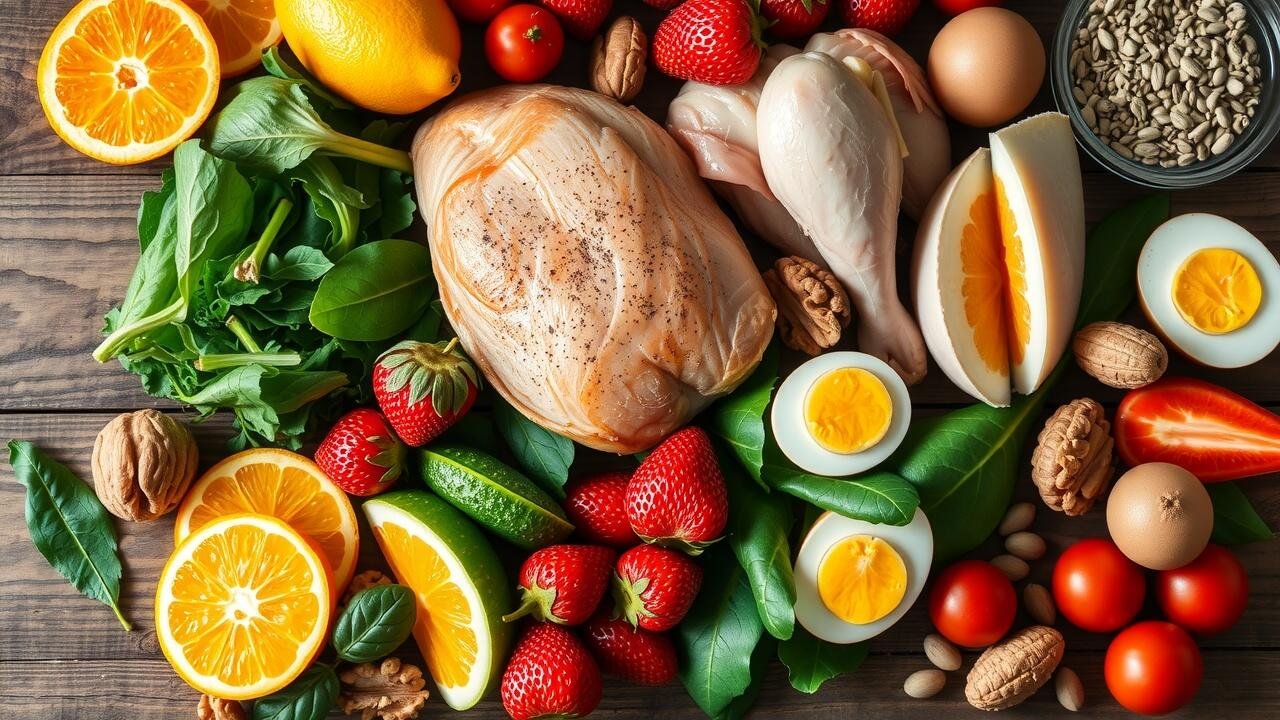
A variety of plant-based foods can significantly boost collagen production in the body. Some of the best foods for collagen include fruits and vegetables rich in vitamin C, such as oranges, strawberries, and bell peppers. These nutrients play a critical role in synthesizing collagen and enhancing its effectiveness. Nuts and seeds, such as walnuts and chia seeds, also contribute essential fatty acids and antioxidants that help maintain skin elasticity and support natural collagen production. Incorporating these foods into your diet can be an effective strategy for those seeking vegan collagen options.
For individuals interested in enhancing their collagen intake through vegan means, several compelling options exist. Ingredients like amaranth, quinoa, and legumes are not only rich in protein but also provide amino acids essential for collagen synthesis. While many collagen supplements rely on animal sources, vegan collagen supplements leverage these plant-based foods to promote natural collagen benefits. Exploring these plant-based alternatives can help individuals achieve their desired levels of collagen while adhering to a vegan lifestyle.
Incorporating a Collagen Diet
To effectively incorporate a collagen diet, it is essential to focus on the best foods for collagen that enhance both collagen levels and overall skin health. For those seeking alternatives, plant-based vegan collagen can support vegan collagen synthesis, promoting new collagen production in the body. Including a variety of nutrients from these sources is crucial, especially for individuals experiencing low collagen, as they may need to beef up their intake of both animal collagen supplements and plant-based options. Meals rich in these nutrients can help combat collagen breakdown and ensure there is enough collagen to maintain skin elasticity and joint health. Experimenting with different recipes featuring these foods can significantly boost collagen production and improve overall wellness.
Daily Meal Ideas Rich in Collagen
Incorporating the best foods for collagen into your daily meals can significantly enhance your body’s collagen synthesis. Foods rich in protein, such as bone broth and fish, have high collagen content and support tissue collagen activities. For breakfast, consider a smoothie loaded with fruits and vegetables that are high in vitamin C, which helps release collagen. For lunch, a salad topped with grilled chicken or tofu can boost your own collagen levels while providing essential nutrients.
For an exciting dinner, prepare a hearty stew with beef or chicken and a variety of vegetables, ensuring a wholesome source of oral collagen. Plant-based collagen options can be included through dishes featuring lentils, beans, and nuts. These meals not only support collagen purposes but also facilitate the maintenance of collagen structure within your body over time. Exploring authentic vegan collagen supplements can also complement a diet rich in these beneficial foods.
| Meal Time | Food Option | Main Ingredients | Collagen Boosting Benefits |
|---|---|---|---|
| Breakfast | Collagen Smoothie | Spinach, banana, berries, almond milk | Rich in vitamin C, aids collagen synthesis |
| Lunch | Grilled Chicken Salad | Grilled chicken, mixed greens, cherry tomatoes, avocados | High protein, essential for collagen production |
| Dinner | Beef and Vegetable Stew | Beef, carrots, potatoes, celery, onions | Provides natural collagen and nutrients |
| Snack | Nut and Seed Mix | Walnuts, almonds, pumpkin seeds | Protein and minerals support collagen structure |
| Supplement | Plant-Based Collagen Powder | Vegan collagen booster, vitamin C | Enhances overall collagen levels in the body |
Easy Recipes for Collagen-Rich Meals
Creating meals rich in collagen can be simple and delicious. Incorporate high-collagen animal sources like chicken, beef, and fish into your dishes. Utilizing bone broth as a base for soups or stews can enhance both flavor and nutritional value. Pairing these animal-derived collagen sources with other protein-rich foods like leafy greens and nuts can further support collagen synthesis. These combinations ensure you consume some of the best foods for collagen, promoting robust cellular collagen production.
Exploring easy recipes can be beneficial for those looking to boost their collagen intake. Try a nourishing seafood salad that features marine collagen supplement alongside avocados and citrus, which can facilitate natural collagen formation. Another option is a hearty beef stew made with collagen-rich cuts and plenty of vegetables. These meals not only provide essential nutrients but also harness the power of animal collagen, making it easier to include collagen formation-supporting ingredients in your diet.
The Benefits of Collagen Supplementation
Collagen supplementation offers numerous benefits, particularly for those looking to enhance skin elasticity, joint health, and overall vitality. Many foods, especially high-protein foods like chicken and fish, are rich in collagen—glycine, which is essential for the body’s collagen production. Incorporating the best foods for collagen, including mineral-rich foods and certain plant foods, can further support this process. As collagen decreases naturally with age, utilizing supplements can provide necessary support to maintain collagen stabilization and overall wellness. For those interested in a detailed collagen meal plan, resources such as tuasaude.com/en/hydrolized-collagencollagen provide insights on how to combine above foods effectively to boost collagen levels. Making sure to consume enough protein foods, both animal and plant-based, ensures optimal benefits from collagen supplementation.
Types of Collagen Supplements
Collagen supplements come in various types, each serving unique purposes and catering to different dietary needs. Hydrolyzed collagen, often derived from animal sources, is popular due to its bioavailability and easy absorption by the body. On the other hand, plant-based collagen alternatives aim to support the body’s natural collagen production through an array of vitamin- and mineral-rich foods. These alternatives typically feature many plant foods that are known for their nutritional benefits and can meet dietary needs while addressing collagen decline.
Collagen supplements may also be available in powdered, liquid, or capsule forms, making them convenient for incorporation into daily routines. For those seeking to fortify their diet, including high protein foods or zinc-rich plant foods can aid in providing the necessary collagen building blocks. Harvard University collagen research highlights the significance of dietary sources in maintaining skin health and elasticity. For optimal results, combining the best foods for collagen with supplementation can enhance overall collagen levels in the body.
Choosing the Right Collagen Supplement
Selecting the right collagen supplement involves understanding individual dietary needs and preferences. Individuals seeking to enhance their regular diet may benefit from marine collagen, known for its high bioavailability. Food bloggers often highlight the importance of a well-rounded diet filled with the best foods for collagen, which can complement supplementation. Checking the nutrition info on products is essential to ensure they contain the right ingredients and align with diet recommendations.
Exploring various types of collagen supplements can help tailor a dietary approach that works for you. A balanced diet rich in collagen-boosting foods paired with supplements can enhance overall wellness. Following a meal plan that incorporates healthy recipes featuring collagen sources can maximize the benefits of supplementation. Ensuring a diverse intake of ingredients supports the body’s ability to produce collagen effectively.
Exploring Vegan Collagen Options
Vegan collagen options focus on incorporating nutrient-dense ingredients that support the body’s natural collagen production. A dietitian often recommends foods such as beans, tofu, nuts, seeds, and leafy greens as the best foods for collagen synthesis. These items not only provide essential amino acids but also contribute to a varied diet rich in vegan protein. Meals that include these ingredients can be enhanced with additional nutrients like vitamin C, which further aids collagen formation. By choosing a diverse array of plant-based foods, individuals can ensure that they are maximizing their collagen-boosting potential through their diet.
| Vegan Collagen Source | Key Nutrients | Benefits |
|---|---|---|
| Beans | Amino acids, Fiber | Supports collagen synthesis and overall health |
| Tofu | Protein, Iron | Rich in amino acids necessary for collagen production |
| Nuts (e.g., Almonds) | Vitamin E, Healthy fats | Boosts skin health and reduces oxidative stress |
| Leafy Greens (e.g., Spinach) | Vitamins A, C, K | Enhances skin elasticity and promotes collagen formation |
| Seeds (e.g., Chia, Flax) | Omega-3 fatty acids, Fiber | Supports skin hydration and elasticity |
Plant-Based Alternatives to Traditional Collagen
Plant-based alternatives to traditional collagen often include ingredients that support the body’s ability to produce its own collagen. Foods rich in vitamin C, such as citrus fruits and leafy greens, are crucial. These foods feed the body important nutrients that aid in synthesizing collagen. A nutrient-dense diet that incorporates these ingredients can help maintain healthy connective tissue. Holistic nutritionists often recommend incorporating various dishes that feature these best foods for collagen to ensure adequate intake of vital components for skin and joint health.
Creating a sample meal plan that emphasizes plant-based collagen-boosting foods can be both delicious and beneficial. Recipes that incorporate nuts, seeds, and legumes offer essential amino acids needed for collagen production. While traditional meats and poultry are often seen as primary sources of collagen, a well-rounded vegetarian or vegan diet plays a key role in delivering the necessary nourishment. Exploring diverse culinary options allows individuals to enjoy satisfying meals while supporting their body’s collagen needs naturally.
Nutrients Supporting Vegan Collagen Production
Incorporating the right nutrients into a healthful eating plan can support vegan collagen production. Some of the best foods for collagen synthesis include those rich in vitamin C, such as citrus fruits, bell peppers, and leafy greens. These are important nutrients that aid in the formation of collagen proteins. Lean protein from vegan sources like legumes and quinoa also contributes to the abundance of amino acids necessary for collagen production, making them essential components of a well-rounded diet.
An emphasis on vitamins and minerals is vital for optimizing collagen levels naturally. For instance, zinc and copper found in nuts and seeds play a significant role in collagen maturation. Exploring the top-selling supplements can provide additional support, but focusing on whole, nutrient-dense edibles is crucial for a sustainable approach. By incorporating these nutrient-rich foods into your daily eating plan, you can create a framework conducive to maintaining healthy skin and overall vitality, while effectively boosting collagen levels from vegan sources.
How to Boost Collagen Levels Naturally
Boosting collagen levels naturally involves incorporating the best foods for collagen into your diet. Focusing on options like yellow vegetables and mineral-rich fruits can enhance skin quality while providing essential nutrients. Eating plans rich in fiber-like structures, such as whole grains and legumes, support overall health. Including protein needs is crucial for collagen synthesis, so integrating sources like lean meats and legumes will be beneficial. The garlic part adds flavor and offers compounds that may promote collagen production. Embracing this food revolution network approach can lead to improved skin benefits, helping combat thinner skin as we age while making meals enjoyable with dishes like pasta that incorporate these vital ingredients.
- Include more yellow and orange vegetables, such as carrots and sweet potatoes, for beta-carotene.
- Add citrus fruits like oranges and grapefruits, which are high in vitamin C.
- Consume bone broth, rich in collagen and amino acids.
- Incorporate nuts and seeds, particularly those high in zinc and copper.
- Use beans and legumes as a plant-based source of protein to support collagen production.
- Select fish, particularly those high in omega-3 fatty acids, to promote skin elasticity.
- Experiment with herbs like cilantro and parsley, which may have collagen-boosting properties.
Conclusion
Understanding the best foods for collagen can greatly contribute to overall good health. Incorporating abundant proteins found in thigh meat and a variety of greens, such as yellow peppers, can help maintain optimal collagen levels in the body. A lunchtime tuna sandwich made with these ingredients offers a delicious way to increase collagen intake. While many supplements claim to enhance collagen production, focusing on whole food sources remains a beneficial strategy. Emphasizing proteins and nutrient-rich foods is essential for anyone looking to support their collagen levels naturally.
FAQS
What is collagen and why is it important for the body?
Collagen is a protein that acts as a key building block for bones, skin, muscles, tendons, and ligaments. It provides structure and strength, playing a crucial role in maintaining skin elasticity, joint health, and overall bodily functions.
Which foods are best for boosting collagen production?
Foods rich in vitamin C (like citrus fruits and bell peppers), amino acids (found in chicken, fish, and eggs), and certain minerals (such as zinc and copper from nuts and seeds) are beneficial for collagen production. Bone broth is also a popular source of collagen.
Are there plant-based options for collagen support?
Yes, while plants do not contain collagen itself, certain foods can help stimulate collagen production. Foods such as leafy greens, berries, nuts, seeds, and legumes provide the necessary nutrients that support collagen synthesis.
Can I get enough collagen from my diet alone?
It is possible to support collagen levels through a well-balanced diet rich in collagen-boosting foods. However, some individuals may benefit from collagen supplementation, especially as collagen production naturally declines with age.
How can I incorporate collagen-rich foods into my daily meals?
You can add collagen-rich foods to your diet by including bone broth in soups, using collagen powder in smoothies, snacking on nuts and seeds, and preparing dishes featuring fish, poultry, and plenty of fresh fruits and vegetables.
What are some effective collagen supplements that can enhance my diet, particularly foods that contain protein and additional collagen?
To boost collagen in your diet, consider incorporating effective collagen supplements like oral collagen supplements. It’s also beneficial to consume health food sources rich in protein, such as animal-sourced collagen from connective tissue in poultry, and plant-based options like soy and beans. Be aware that the collagen content varies among different sources, so a diversified diet including these foods will help meet your needs for adequate vitamin intake and protein while providing additional collagen for your body.
What types of foods can I incorporate into my diet to support collagen treatments, specifically those that contain protein and high collagen animal sources?
To support collagen treatments, it’s beneficial to include foods that contain protein and high collagen animal sources in your diet. A collagen meal plan can feature poultry, which is rich in connective tissue, and also include beans as a healthy protein source. You can find more information about creating a balanced diet that meets protein needs on tuasaude.com/en/hydrolized-collagencollagen. Remember to steer clear of fillers and thinners in your meals to enhance collagen production through the foods you consume.
How can I create a collagen meal plan that includes foods that are rich in protein and support connective tissue health?
To create a collagen meal plan, consider incorporating edibles from tuasaude.com/en/hydrolized-collagen, particularly those that follow a diet including beans, poultry, and other protein feeds. This approach addresses your needs for collagen-rich foods without fillers, promoting better connective tissue health.
How can I build a comprehensive collagen meal plan that includes poultry, beans, and other protein-rich foods to support my connective tissue health?
To establish a collagen meal plan, you can incorporate poultry, beans, and other high-protein edibles that fulfill your protein needs. Following this meal plan can help boost collagen production, benefiting your connective tissue health. For more information, visit tuasaude.com/en/hydrolized-collagen.
How can I ensure my collagen meal plan meets my dietary needs by including poultry, beans, and other protein-rich foods alongside various fillers and edibles for connective tissue health?
To create a collagen meal plan that meets your dietary needs, you should focus on incorporating protein-rich foods such as poultry and beans, in addition to other fillers like vegetables and healthy fats. Following a meal plan that emphasizes these food groups will help you support connective tissue health while ensuring your diet includes adequate protein. You can also consider adding sources rich in hydrolyzed collagen to further enhance your collagen intake, in line with suggestions from sources like tuasaude.com/en/hydrolized-collagen.
What are some recommended ingredients to include in a collagen meal plan that effectively meets the dietary needs for connective tissue, protein sources such as poultry and beans, as well as various fillers and edibles?
To create an effective collagen meal plan, consider incorporating high-protein sources like poultry and beans, as these support connective tissue health. Additionally, include various fillers and edibles from the tuasaude.com/en/hydrolized-collagencollagen site to diversify your meals while meeting your dietary needs. Following this meal plan will help ensure adequate protein intake alongside collagen-rich options.
How can I effectively incorporate beans and poultry into a collagen meal plan that supports my connective tissue health and includes the necessary fillers and edibles?
To create a collagen meal plan that meets your needs, begin by including protein sources such as poultry and beans, as these are excellent for supporting connective tissue health. Ensure to add various fillers and edibles that complement these proteins to maintain a balanced diet. By following this meal plan, you can effectively support both your collagen intake and overall health per your dietary needs. For more information, you may visit tuasaude.com/en/hydrolized-collagen.
What types of foods or ingredients should I focus on when designing a collagen meal plan to ensure it is balanced with protein sources like beans and poultry, while also considering fillers and other nutritious edibles?
When creating a collagen meal plan that meets your dietary needs, it’s important to include a variety of protein sources such as beans and poultry, which are beneficial for connective tissue health. Incorporating fillers and other nutritious edibles can enhance your meals, ensuring you get a well-rounded diet. For more information on how to effectively create your collagen meal plan, you can visit tuasaude.com/en/hydrolized-collagen.
What strategies can I use to effectively implement a collagen meal plan that includes sources of protein such as poultry and beans while ensuring it caters to my connective tissue health and other dietary needs?
To create an effective collagen meal plan, you can start by incorporating high-protein foods like poultry and beans, which are essential for supporting your connective tissue health. It’s important to also include various fillers and edibles to balance your diet, ensuring all your nutritional needs are met. Following a meal plan that prioritizes these ingredients enables you to fully benefit from the collagen and protein sources you consume. For comprehensive guidance, consider resources like tuasaude.com/en/hydrolized-collagen.
How can I ensure that my collagen meal plan effectively includes protein sources such as poultry and beans while catering to my connective tissue health requirements and dietary needs?
To create a successful collagen meal plan that meets your protein needs, focus on incorporating poultry and beans as they are essential sources of protein. Additionally, consider including various fillers and edibles that support your overall connective tissue health. Following this meal plan can help you optimize the benefits of collagen in your diet, contributing to a balanced nutrition strategy for better well-being. For more guidance, you may visit tuasaude.com/en/hydrolized-collagen.