Key Takeaways
- Comprehending Cognitive Wellness
- Optimal Nourishments for Recall
- Nutritious Brain Sustenance to Add to Your Meals
- Leading Foods to Enhance Cognitive Function
- Eating Practices for a Healthy Mind
- Energizing Dishes for Daily Brain Support
Understanding Brain Health
Nutrition plays a pivotal role in supporting brain function and enhancing memory. The best brain foods for memory, such as fatty fish, nuts, and leafy greens, provide essential nutrients that promote healthy brain activity. A well-balanced diet, including principles from the MIND diet, can significantly reduce the risk of brain disease and dementia. Conversely, consuming fried foods can negatively impact cognitive health, leading to adverse effects on memory and overall brain performance. Prioritizing healthy foods in daily meals nourishes not only the body but also supports optimal cognitive function, ensuring that the mind remains sharp and alert.
The Importance of Nutrition for Cognitive Function
Nutrition plays a crucial role in cognitive function and overall brain health. The best brain foods for memory are often whole foods, rich in essential nutrients that support brain development and aid in preventing memory loss. Consuming a diet high in processed foods and junk foods can lead to detrimental effects on brain cells and cognitive performance. Adopting healthy eating habits is vital for maintaining optimal brain function as we age.
Eating a balanced diet that emphasizes fruits, vegetables, whole grains, and healthy fats can significantly influence brain aging. Research indicates that proper nutrition supports the health of brain cells, thereby enhancing memory and concentration. Incorporating the best brain foods for memory into daily meals provides the necessary building blocks for mental clarity and cognitive resilience. Prioritizing whole foods over processed options is key to supporting long-term brain health.
| Brain Food | Key Nutrients | Benefits for Cognitive Function |
|---|---|---|
| Blueberries | Antioxidants, Vitamin C | Improves memory and delays brain aging. |
| Fatty Fish | Omega-3 Fatty Acids, DHA | Enhances cognitive function and supports brain growth. |
| Leafy Greens | Vitamins K, E, folate | Helps improve memory performance. |
| Nuts | Vitamin E, omega-3s | Supports brain health and may reduce cognitive decline. |
| Dark Chocolate | Flavonoids, caffeine | Boosts memory and cognitive performance. |
How Food Impacts Memory
Diet plays a crucial role in maintaining optimal brain function and memory. Research in neuroscience indicates that the best brain foods for memory can nourish brain cells and support cognitive processes. Eating healthy, particularly through the inclusion of fatty fish rich in omega-3 fatty acids, can enhance memory retention and overall brain health. Conversely, a diet high in processed food may negatively impact cognitive performance, highlighting the importance of selecting quality dietary fats and nutrient-dense options.
Brain imaging studies have shown that proper nutrition influences memory-related areas of the brain. Foods like nuts and seeds serve as powerful snacks that can aid in memory enhancement due to their high antioxidant content. Incorporating these best brain foods for memory into daily meals can significantly improve cognitive performance and memory function. By focusing on whole, unprocessed diet food, individuals can give their brains the support they need to thrive.
Best Brain Foods for Memory
A focus on the best brain foods for memory can significantly enhance cognitive function. Plant-based foods, including fruits, vegetables, and whole grains, are rich in essential nutrients crucial for brain health. Studies using brain scans have shown that diets rich in these foods lead to improved memory performance. Incorporating healthy dietary patterns that emphasize essential fats and fatty acids, such as those found in fatty fish and nuts, contributes to overall cognitive well-being. A balanced diet that prioritizes these best brain foods for memory sets the foundation for optimal brain function throughout life.
Overview of Top Brain-Boosting Foods
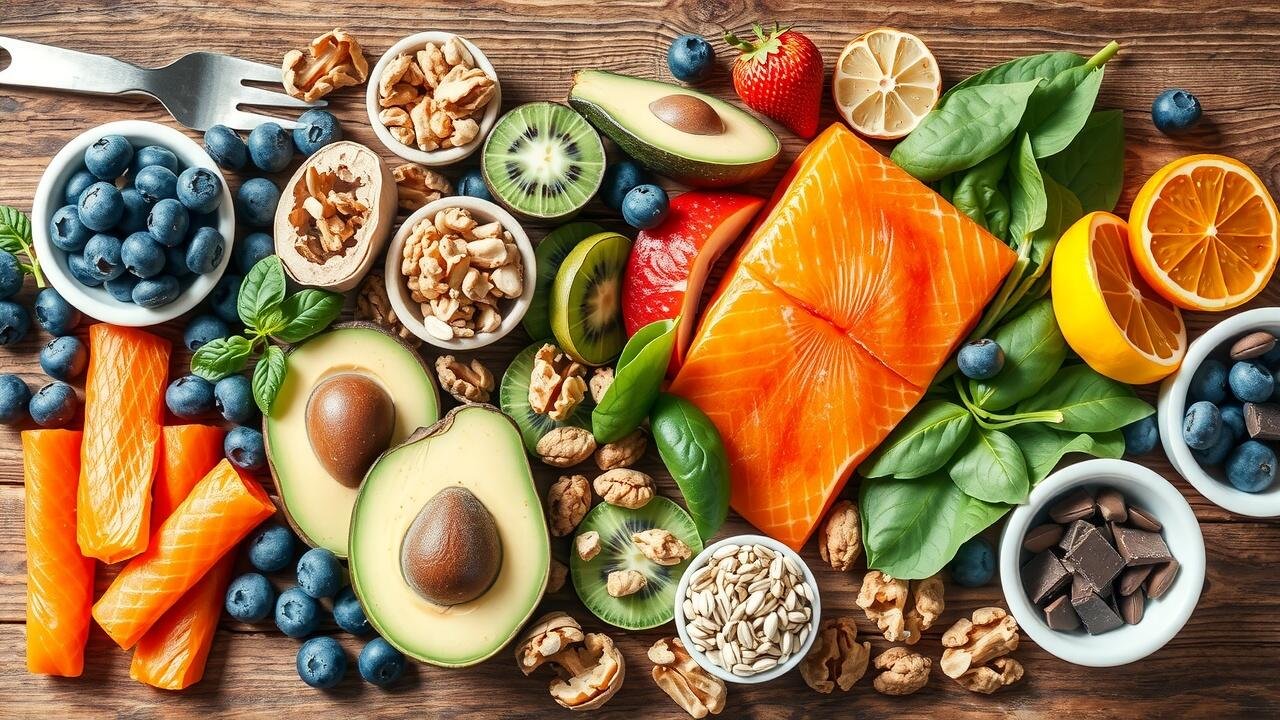
Fatty fish ranks among the best brain foods for memory due to its rich content of omega fatty acids, particularly DHA, which is essential for optimal brain function. These nutrients can help mitigate the risk of cognitive decline and protect against diseases like Alzheimer’s. Regular consumption of fatty fish can enhance the brain’s resilience, improve communication between brain cells, and even combat symptoms of brain fog. Incorporating these nutritional powerhouses into one’s diet provides a strong foundation for maintaining healthy memories.
Plant-based foods also make up an important category of brain-boosting options. Leafy greens, berries, nuts, and seeds contain antioxidants and valuable nutrients that support brain health. These foods play a vital role in protecting the blood-brain barrier, ensuring that harmful substances do not impede cognitive function. Choosing healthy snacks that reflect these nutritional principles can greatly enhance overall cognitive performance, making it easier to recall memories and stay focused throughout the day.
| Food Item | Key Nutrients | Benefits |
|---|---|---|
| Fatty Fish (e.g. Salmon) | Omega-3 Fatty Acids, DHA | Improves memory, protects against cognitive decline |
| Leafy Greens (e.g. Spinach) | Vitamins K, E, Folate | Supports brain health and cognitive function |
| Berries (e.g. Blueberries) | Antioxidants, Vitamin C | Enhances communication between brain cells, combats brain fog |
| Nuts (e.g. Walnuts) | Omega-3 Fatty Acids, Vitamin E | Improves memory, reduces inflammation in the brain |
| Seeds (e.g. Chia Seeds) | Fiber, Omega-3 Fatty Acids | Supports cognitive health and overall brain function |
Nutrients Essential for Memory Enhancement
Certain nutrients are crucial for enhancing memory and overall cognitive function. Omega-3 fatty acids, found in the best brain foods for memory like fatty fish and flaxseeds, play a vital role in brain health. Antioxidants such as vitamins C and E, prevalent in brain-friendly foods like berries and nuts, help protect the brain from oxidative stress. These essential brain food components not only support memory retention but also aid in maintaining mental clarity.
B vitamins, particularly B6, B12, and folate, are key players in brain function and can be sourced from various brain-healthy foods. These vitamins are essential for the production of neurotransmitters, which are critical for effective communication between brain cells. Incorporating these top brain-boosting foods into your diet promotes cognitive enhancement and supports long-term brain health, making them preferred brain food choices for anyone looking to boost their memory capabilities.
Healthy Brain Foods to Include in Your Diet
A brain-friendly diet rich in the best brain foods for memory can significantly enhance cognitive function and overall brain health. Brain nutrition research highlights the importance of incorporating powerful brain food such as blueberries, fatty fish, and leafy greens, which are packed with brain-healthy nutrients. These foods deliver the right brain-boosting nutrients that support the brain’s memory and cognitive abilities. Whole grains and nuts also play a vital role in a brain-healthy diet, providing sustained energy and improving focus. Prioritizing these brain-boosting nutrients in daily meals fosters a stronger connection between nutrition and cognitive performance.

Fruits and Vegetables for Optimal Brain Function
Colorful fruits and vegetables rank among the best brain foods for memory due to their high levels of antioxidants and essential nutrients. These foods are known to support brain health and enhance memory functioning, promoting current brain health. Consuming a variety of produce can provide important brain chemicals that contribute to optimal brain work, helping to boost brain energy and overall cognitive function. A diet rich in fruits and vegetables is a cornerstone of a healthy brain lifestyle.
Including a mix of vegetables like leafy greens and vibrant fruits such as berries can significantly benefit cognitive performance. These brain-boosting foods not only combat oxidative stress but also improve blood flow to the brain. Regularly incorporating these foods into your meals offers a natural alternative to brain health supplements, ensuring you receive vital nutrients needed for sustained brain energy. Prioritizing these wholesome options is essential for enhancing memory and supporting long-term brain health today.
Whole Grains and their Role in Brain Health
Whole grains are recognized as some of the best brain foods for memory due to their rich nutrient profile. These powerhouse foods provide essential vitamins, minerals, and antioxidants that promote healthy brain cells. Many foods in the whole grain category, such as oats, quinoa, and brown rice, can help increase memory function, making them valuable additions to a brain-healthy diet. Incorporating these foods can offer significant brain-boosting benefits, supporting overall cognitive health and memory-boosting abilities.
The benefits brain health associated with whole grains stem from their low glycemic index, which leads to a steady release of glucose into the bloodstream. This steady energy supply is crucial for optimal brain performance. Rich foods like whole grain bread and pasta not only enhance mental clarity but also play a role in reducing the risk of cognitive decline. Consuming certain foods rich in whole grains regularly can ultimately contribute to improved memory and sustained cognitive vitality, solidifying their status among the best brain foods for memory.
Top Brain-Boosting Foods to Incorporate
Incorporating the best brain foods for memory into a healthy eating plan can significantly benefit brain power and memory function. Specific foods, such as berries that are rich in flavonoids, play a crucial role in preventing memory-impairing dementia and enhancing cognitive performance. Fatty fish, packed with omega-3 fatty acids, also supports brain health by reducing inflammation and promoting optimal brain function. Nuts and seeds provide essential nutrients like vitamin E, which aids in memory care services by potentially slowing cognitive decline. By focusing on these nutrient-rich foods, individuals can create a diet that not only boosts brain power but also contributes to long-term brain health.
The Benefits of Fatty Fish
Fatty fish stands out among the best brain foods for memory due to its high content of omega-3 fatty acids. These essential fats play a critical role in building brain cell membranes and supporting the growth of new brain cells. Including fatty fish in an eating plan can enhance cognitive function and significantly improve performance in memory tests. Research suggests that incorporating different foods rich in omega-3s into your diet may lead to better overall brain health.
The nutritional content of fatty fish, such as salmon, mackerel, and sardines, is packed with memory-boosting compounds. These fish not only provide the right kind of fats but also contain vitamins and minerals that support brain function. Following an eating plan that emphasizes the consumption of these types of fish can lead to improved memory retention and cognitive clarity. It is essential to consider these foods as part of a balanced diet to harness their full potential for memory enhancement.
- Fatty fish can lower the risk of cognitive decline and dementia.
- They are excellent sources of high-quality protein, which is vital for brain health.
- Rich in vitamin D, fatty fish support mood regulation and mental well-being.
- They contain antioxidants that may help protect the brain from oxidative stress.
- Incorporating fatty fish in your diet can promote heart health, which is linked to better brain function.
- Regular consumption can enhance learning capabilities and memory performance over time.
- Fatty fish can help improve overall nutrition quality and promote a healthy lifestyle.
Nuts and Seeds: Small but Mighty
Nuts and seeds are among the best brain foods for memory, supporting cognitive function and combating age-related memory loss. Rich in essential nutrients like omega-3 fatty acids and antioxidants, these delicious foods help maintain brain cell structure, promoting a sharp brain. Incorporating these nutrient-dense options into your diet can counteract memory decline that often accompanies aging. Choosing the right food choices over high-sodium foods ensures that the brain receives the nourishment it needs for normal brain function.
Consuming a variety of nuts and seeds can significantly enhance how the brain communicates and functions. These small but mighty powerhouses are packed with vitamin E, which is linked to reducing the risk of cognitive decline. As part of a balanced diet, nuts and seeds complement effective brain care strategies, such as those advocated by McCance. By making informed dietary decisions and including these foods, individuals can take proactive steps toward preserving their cognitive abilities and boosting memory performance.
Brain-Healthy Eating Habits
Adopting healthy eating habits can greatly influence cognitive function and combat age-related memory changes. Integrating the best brain foods for memory into daily meals supports brain alertness while minimizing the risks associated with brain decline. Whole-grain foods provide essential nutrients that counteract age-related memory issues and sugary snacks that can lead to energy crashes. Emphasizing good fats alongside these nutritional benefits helps sustain cognitive performance, ensuring a single almighty brain can thrive. These dietary adjustments not only improve focus but also contribute to building rich memories that last a lifetime.
The Mediterranean Diet and Cognitive Benefits
A dietary pattern emphasizing fresh produce, whole grains, and healthy fats is central to promoting cognitive health. The Mediterranean diet is rich in fatty fish, which contain essential fatty acids that aid in brain function. This approach can help fill dietary gaps that might impair memory and support overall mental performance. By prioritizing the best brain foods for memory, individuals may decrease their risk of cognitive decline and Alzheimer’s disease over time.
Incorporating water-rich foods such as fruits and vegetables enhances hydration, vital for maintaining brain health. The nutrients from these foods work synergistically to help the brain send messages effectively throughout the body. Emphasizing this dietary approach not only nourishes the brain but may also enhance memory and cognitive clarity, solidifying the benefits of adopting a Mediterranean lifestyle.
Hydration’s Role in Brain Health
Proper hydration is essential for maintaining cognitive health. A well-balanced diet that includes the best brain foods for memory often emphasizes the need for water intake alongside nutrient-rich options. Sugary snacks and processed snacks may provide temporary energy bursts but ultimately can lead to cognitive decline. A diet that combines parts of fluid intake with a diverse plant-based food portfolio supports brain cell membranes and overall brain function.
Making conscious diet changes to include adequate hydration can significantly impact cognitive performance. By prioritizing hydration alongside various diet food groups, individuals can enhance their cognitive abilities. Emphasizing healthy fats in combination with sufficient water intake can help support brain activity. Ultimately, understanding how a diet affects hydration levels is vital for optimizing memory and cognitive health.
Brain-Boosting Meals for Daily Energy
A well-rounded daily diet plays a crucial role in enhancing neural functioning and supporting memory retention. Incorporating the best brain foods for memory into breakfast, lunch, and dinner can lead to improved cognitive performance and the formation of new memories. The Kentucky Neuroscience Institute emphasizes the impact of certain vitamins and healthy fats in maintaining brain health. It’s essential to limit excess glucose intake, as it can have detrimental effects on cognitive abilities. By focusing on brain-boosting meals, individuals can ensure their daily meals are not only satisfying but also beneficial for long-term mental wellness. Implementing these dietary choices will pave the way for a more vibrant and energized brain throughout each day.
Breakfast Ideas to Kickstart Brain Function
Starting your day with the right breakfast can significantly enhance cognitive performance. Incorporating the best brain foods for memory into your morning routine can make a difference. Options like smoothies with sesame seeds and walnuts provide beneficial vitamins and plant-based nutrients that nourish the brain. A colorful bowl featuring multiple ingredients such as berries, spinach, and yogurt can support a healthy gut while also fueling your body with essential nutrients.
Another great choice is oatmeal topped with nuts and seeds, perfect for sustained energy throughout the day. Including fat-dairy products, like Greek yogurt, adds a creamy texture and amplifies the meal’s nutritional profile. Pairing your breakfast with a moderate amount of caffeine can further elevate focus and alertness. This combination of ingredients ensures a powerful start to your day, setting the tone for optimal brain function and memory retention.
- Start your day with a smoothie blended with bananas, spinach, and flaxseeds for a nutrient-dense drink.
- Try avocado toast on whole grain bread topped with a poached egg for healthy fats and protein.
- Consider a chia seed pudding made with almond milk and topped with fresh fruits for a delicious and fiber-rich option.
- Enjoy a breakfast wrap filled with scrambled eggs, black beans, and diced bell peppers for a savory meal.
- Incorporate a side of mixed nuts or a seed mix to enhance your breakfast with healthy fats and protein.
- sip on herbal or green tea as a caffeine alternative to boost mental clarity without the jitters.
- Experiment with different fruit and vegetable pairings in your meals to keep your breakfast varied and exciting.
Lunch and Dinner Options for Sustained Cognitive Performance
Incorporating the best brain foods for memory into lunch and dinner can significantly enhance overall cognition. Meals rich in fatty fish, such as salmon or mackerel, offer omega-3 fatty acids known for their neuroprotective properties. Neurology research suggests that these healthy fats can reduce the risk of Alzheimer’s disease, making them an essential part of a brain-boosting diet. Harvard Health recommends pairing these fish with colorful vegetables that provide antioxidants, further supporting cognitive function and memory retention.
A balanced intake of whole grains and legumes during lunch and dinner can also play a crucial role in sustaining cognitive performance. Foods like quinoa, brown rice, and lentils provide essential nutrients that promote brain health. High-fiber options maintain steady energy levels throughout the day, allowing for improved focus and mental clarity. Including a variety of these best brain foods for memory not only enhances daily productivity, but also fosters long-term brain health and resilience against cognitive decline.
Conclusion
Prioritizing nutrition is crucial for maintaining brain health and enhancing overall cognition. The best brain foods for memory can significantly impact cognitive functions, as supported by neurology research. Foods rich in omega-3 fatty acids, antioxidants, and essential vitamins contribute to healthier brain aging and may reduce the risk of Alzheimer’s disease. Studies highlighted by Harvard Health emphasize the benefits of incorporating these nutrients into daily intake, making it easier to nourish the brain and improve memory retention. Embracing a diet rich in the best brain foods for memory can lead to long-term cognitive benefits and overall well-being.
FAQS
What are the best brain foods for memory enhancement?
Some of the best brain foods for memory include fatty fish, nuts and seeds, berries, dark chocolate, whole grains, and leafy green vegetables. These foods are rich in essential nutrients that support cognitive health.
How does nutrition affect cognitive function?
Nutrition plays a crucial role in cognitive function as it provides the necessary nutrients the brain needs to perform optimally. A balanced diet helps improve memory, concentration, and overall brain health.
Can hydration impact memory and brain function?
Yes, hydration is vital for optimal brain function. Dehydration can lead to difficulties in concentration, memory, and cognitive performance. It’s important to drink enough water throughout the day.
What nutrients are essential for memory enhancement?
Key nutrients that enhance memory include omega-3 fatty acids, antioxidants, vitamins (such as B vitamins, vitamin E, and vitamin D), and minerals like magnesium and zinc.
How can I incorporate more brain-boosting foods into my diet?
You can incorporate brain-boosting foods by adding fatty fish to your meals, snacking on nuts and seeds, including various fruits and vegetables in your diet, choosing whole grains, and trying out healthy recipes that emphasize these foods.
What dietary approaches can help boost brain power and improve memory function through specific foods and eating plans?
To boost brain power and improve memory function, consider incorporating a variety of mind diets that include plant foods rich in fatty acids and antioxidants. Diets that include berries are rich in flavonoids, the natural pigments in fruit that help improve memory. Following these dietary approaches can help in the prevention of brain disease and may have a positive impact on conditions like Alzheimer’s disease. For instance, walnut consumption and caffeine consumption can be beneficial, and incorporating various patient-focused brain tumor diets may also support dietary goals for overall cognitive health.
What are some specific foods and eating plans that can help prevent brain disease and support memory function thanks to nutrients like fatty acids and dairy products?
To prevent brain disease and enhance memory function, it’s important to include certain foods in your diet. The diet combines parts of the Mediterranean and DASH diets, which emphasize fruits, vegetables, whole grains, and healthy fats. Following foods rich in fatty acids, such as fatty fish and nuts, are beneficial. Additionally, consuming low-fat dairy products can support cognitive health. Incorporating these elements into your daily meal plan, as suggested by McCance Brain Care, can be effective in reducing the risk of Alzheimer’s disease and maintaining memory function.
How can a balanced diet include fatty acids and dairy products to support memory function and prevent dementia, especially for those concerned about Alzheimer’s disease?
A balanced diet that focuses on memory function can include various eating plans rich in fatty acids, such as omega-3s found in fish, along with dairy products known to provide essential nutrients. Implementing dietary changes that emphasize these components can be beneficial in reducing the risk of dementia and supporting overall cognitive health, particularly in relation to Alzheimer’s disease.
How do dietary choices impact memory function and what role do fatty acids and dairy products play in preventing dementia, particularly in relation to Alzheimer’s disease?
A well-rounded diet that includes essential nutrients is crucial for maintaining memory function thanks to the benefits of fatty acids. Foods rich in dairy products can aid in cognitive health and might help prevent dementia. By ensuring a diet that includes various beneficial components, individuals can take proactive steps towards reducing the risk of Alzheimer’s disease.
How can a well-planned diet include various nutrients to support overall brain health and potentially prevent dementia, particularly in relation to Alzheimer’s disease?
A well-planned diet can greatly contribute to brain health by incorporating nutrients such as fatty acids which aid memory and cognitive function. To support memory function and help prevent dementia, especially in relation to Alzheimer’s disease, it is beneficial to include a variety of foods in your diet. Foods rich in omega-3 fatty acids, along with dairy products, can play a significant role in a diet designed to maintain cognitive health. Therefore, integrating these elements into your daily diet can help in managing and potentially preventing diet-related health issues.
How can a healthy diet incorporate fatty acids and dairy products to aid in memory enhancement and help in the prevention of dementia, specifically Alzheimer’s disease?
A well-rounded diet that includes fatty acids and dairy products can play a significant role in memory enhancement and dementia prevention. Fatty acids aid cognitive functions and are essential for brain health, while dairy products can provide necessary nutrients. Adopting a diet that focuses on these elements can help individuals maintain cognitive functions and support the prevention of Alzheimer’s disease.
How can my diet include specific foods that positively influence brain health and potentially prevent dementia, especially concerning Alzheimer’s disease?
A diet designed for brain health can significantly impact dementia and Alzheimer’s disease. It’s important to include a variety of foods that are rich in essential nutrients. For instance, incorporating fatty fish, nuts, and dairy products into your diet can be beneficial. A balanced diet that emphasizes these food groups not only contributes to improved cognitive function but also supports brain health, potentially reducing the risk of degenerative diseases such as dementia and Alzheimer’s disease.
How does changing my diet impact the risk of developing dementia, particularly regarding the inclusion of fatty acids and dairy products for brain health?
Adjusting your diet can significantly influence the risk of developing dementia. Incorporating fatty acids and dairy products into your diet can support brain health and may help prevent conditions such as Alzheimer’s disease. It’s essential to consider how a balanced diet can include these components to enhance cognitive function and mitigate the risk associated with dementia.
What types of foods should I include in my diet to support brain health and what role do fatty acids and dairy products play in preventing dementia, particularly Alzheimer’s disease?
To support brain health and potentially prevent dementia, including Alzheimer’s disease, it is essential to have a balanced diet. A diet that includes fatty acids, found in fish and nuts, along with dairy products like yogurt and cheese, can be beneficial. These nutrients not only support overall brain function but also play a crucial role in reducing the risk of dementia. Therefore, consider incorporating healthy fats and dairy into your diet to enhance brain health and address concerns related to Alzheimer’s disease.
What are effective dietary strategies that can help improve memory and reduce the risk of dementia, particularly concerning Alzheimer’s disease?
Incorporating a diet rich in fatty acids and dairy products is essential for supporting brain health and reducing the risk of dementia, especially Alzheimer’s disease. A balanced diet that includes brain-boosting foods can help improve memory function and overall cognitive performance.