Key Takeaways
- Overview of the creatine loading stage and its significance
- Effective methods for implementing creatine loading
- Differences in various creatine loading strategies
- Possible adverse reactions associated with creatine loading
Creatine Loading Phase Guide | Understanding Creatine Loading Phase
The creatine loading phase guide serves as a crucial resource for individuals seeking to enhance their athletic performance through creatine supplementation. Understanding the intricacies of the creatine loading phase can help maximize the benefits of creatine supplements, particularly creatine monohydrate, which is the most researched form available. During this phase, users typically consume higher doses of creatine to saturate muscle stores more quickly. This results in elevated levels of creatine phosphate, which aids in energy production during high-intensity workouts. It is essential to monitor creatinine levels and potential side effects to ensure a safe and effective loading process. Following a well-structured loading phase can set the foundation for improved strength and endurance.

creatine loading phase guide | What is Creatine Loading?
The creatine loading phase guide outlines a strategy designed to rapidly saturate the muscles with creatine, specifically phosphocreatine. This process typically involves consuming a loading dose of creatine, which may include options like creatine ethyl-ester. By following this guide, users aim to elevate serum creatinine levels, leading to improved energy production during high-intensity exercise.
During the loading phase, some individuals may experience muscle cramps or cramping due to increased water retention and shifts in lactate levels. It is essential to heed the creatine loading phase guide and adhere to recommended dosages to minimize the risk of cramps. Proper hydration and gradual acclimatization to the loading dose can help reduce discomfort and ensure optimal performance benefits.
Benefits of Creatine Loading
The creatine loading phase guide highlights the rapid saturation of muscle creatine stores, which is essential for optimizing energy production. By following a proper creatine loading strategy, individuals can enhance their ATP levels, leading to improved performance during high-intensity exercises. This increased availability of energy supports better workouts and may contribute to greater muscle mass and strength gains over time.
Utilizing the loading phase effectively can lead to quicker results compared to starting straight with a maintenance dose after supplementation. The increased creatine levels boost metabolism, allowing for a more efficient energy release during workouts. By understanding the creatine loading phase guide, athletes and fitness enthusiasts can make informed decisions about their supplementation choices and tailor their intake for optimal benefits.
How to Load Creatine Effectively
A well-structured creatine loading phase guide provides essential details on how to load creatine effectively for optimal results. This loading phase typically involves consuming a higher dosage of creatine to saturate muscle creatine storage more quickly. Effective dosing ensures that creatine combines with water in muscle cells, promoting enhanced creatine transport and storage. For those considering cycling creatine, it’s crucial to adhere to a balanced protocol that maximizes benefits while minimizing any potential side effects. Following a strategic approach during the muscle creatine loading phase can significantly improve performance, making this process key for athletes and fitness enthusiasts alike.
Recommended Dosage for Creatine Loading
The recommended dosage during the creatine loading phase guide typically involves consuming around 20 grams of creatine per day, divided into 4 servings of 5 grams each. This method aims to saturate the muscles quickly, allowing for elevated creatine levels that enhance performance. While many opt for creatine monohydrate, alternatives like creatine citrate may also be considered. It’s essential to monitor how your body responds to creatine supplementation since not everyone may require the full dosage to experience benefits.
Creatine timing is crucial for maximizing its effectiveness. Taking creatine shortly before or after workouts can help ensure that your muscles are primed to absorb it effectively. While some believe that the loading phase is necessary, research suggests that creatine doesn’t have to be loaded; a more gradual increase can also yield positive results. Understanding individual needs is key, as factors such as diet and exercise intensity may influence how much and how quickly creatine faster affects your training.
- Start with a loading phase of 20 grams per day, divided into 4 servings.
- Take creatine close to workout times for optimal absorption.
- Monitor individual response to adjust dosage if needed.
- Consider using creatine monohydrate as a first choice, but explore alternatives like creatine citrate.
- Gradual supplementation can also be effective if loading is not preferred.
- Stay hydrated while supplementing with creatine.
- Consult with a healthcare professional if unsure about dosage or effects.
Timing Your Creatine Intake
Determining the right timing for creatine intake is crucial for achieving optimal benefits during the loading phase. Following a comprehensive creatine loading phase guide can help users understand the best moments to consume creatine. Taking creatine right after workouts can enhance muscle recovery and uptake due to the increased blood flow to the muscles. Many suggested creatines also recommend timing your intake around training sessions to help elevate creatine levels in muscles quickly and effectively, leading to full creatine storage.
Research shows creatine can be more effective when taken consistently at the same times throughout the day. Splitting doses into smaller intervals can optimize absorption and avoid gastrointestinal discomfort. Different creatine forms may have specific recommendations as well, so it’s beneficial to follow the instructions based on the type you choose. Prioritizing creatine safety and sticking to the loading phase protocol will ensure that users maximize their gains without risking side effects.
Variations in Creatine Loading Protocols
Understanding the different approaches to creatine loading can significantly impact overall effectiveness. A creatine loading phase guide typically outlines methods to reach the creatine saturation point rapidly, often including a higher creatine dosage for a limited period. This method contrasts with long-term creatine supplementation, which focuses on gradual increases in creatine store levels without the initial surge. Individuals aiming to maintain natural creatine levels can also explore accelerated loading methods, which may utilize high-quality creatine products for enhanced absorption. Selecting the right protocol tailored to personal fitness goals ensures optimal benefits from creatine stores while minimizing potential discomfort during the loading phase.
Traditional vs. Accelerated Loading Methods
The creatine loading phase guide typically outlines two main methods: traditional loading and accelerated loading. The traditional method involves taking higher doses of creatine over a short period, often around 20 grams per day for 5-7 days. This approach aims to quickly saturate muscle creatine levels, rapidly increasing the body’s creatine stores. On the other hand, the accelerated method suggests a lower daily dosage spread over a longer period, allowing for a gradual increase in muscle creatine stores without the initial spike seen in the traditional approach. Both methods enable users to maximize the benefits of creatine from various creatine companies.
Deciding between traditional and accelerated loading methods often depends on individual goals and tolerance. The traditional loading phase may appeal to those seeking rapid results, wanting to fill their creatine tub quickly for immediate performance enhancement. Conversely, individuals who prefer a gentler approach may opt for the accelerated method, which allows the body to adjust more naturally to increased creatine intake. Regardless of the method chosen, understanding how they affect muscle creatine stores is crucial for optimizing athletic performance and achieving full creatine stores efficiently.
Cycling Creatine: Is it Necessary?
Cycling creatine is a topic of debate among fitness enthusiasts. Many individuals adhere to a creatine loading phase guide that emphasizes a weeklong loading phase. During this period, most creatine companies recommend taking between 20 to 30g a day to saturate muscle stores effectively. After this initial loading phase, some users choose to maintain a lower daily intake, often around 3 grams, to avoid potentially excessive loading phases that may lead to discomfort.
The necessity of cycling creatine is not universally agreed upon. Some experts advocate for a loading cycle followed by a maintenance phase, while others suggest that continuous use can be just as effective. The concept of a creatine horse is often used to reference individuals who can tolerate high amounts of creatine without adverse effects. Ultimately, the approach to cycling creatine should be tailored to individual goals and responses during the loading period, in line with a comprehensive creatine loading phase guide.
| Phase | Duration | Daily Intake (grams) | Purpose |
|---|---|---|---|
| Loading Phase | 1 Week | 20-30g | Saturate muscle stores |
| Maintenance Phase | As needed | 3-5g | Maintain creatine levels |
| Washout Phase | 2-4 Weeks | 0g | Clear excess creatine from the body |
| Continuous Use | Ongoing | 3-5g | Steady state usage |
Potential Side Effects of Creatine Loading
The creatine loading phase guide highlights that some individuals may experience common side effects during the loading phase. Starting with a loading phase dosage of 20 g/day for 5-6 days can lead to discomfort, including potential cramps and gastrointestinal distress. It’s important to monitor your body’s response, especially concerning the albumin-to-creatinine ratio, as an overload phase might affect kidney functions in sensitive individuals. While the loading phase isn’t inherently harmful for most people, awareness of these side effects is crucial to ensure a balanced approach to supplementation. Proper hydration and adjusting the dosage may help minimize discomfort during this phase.
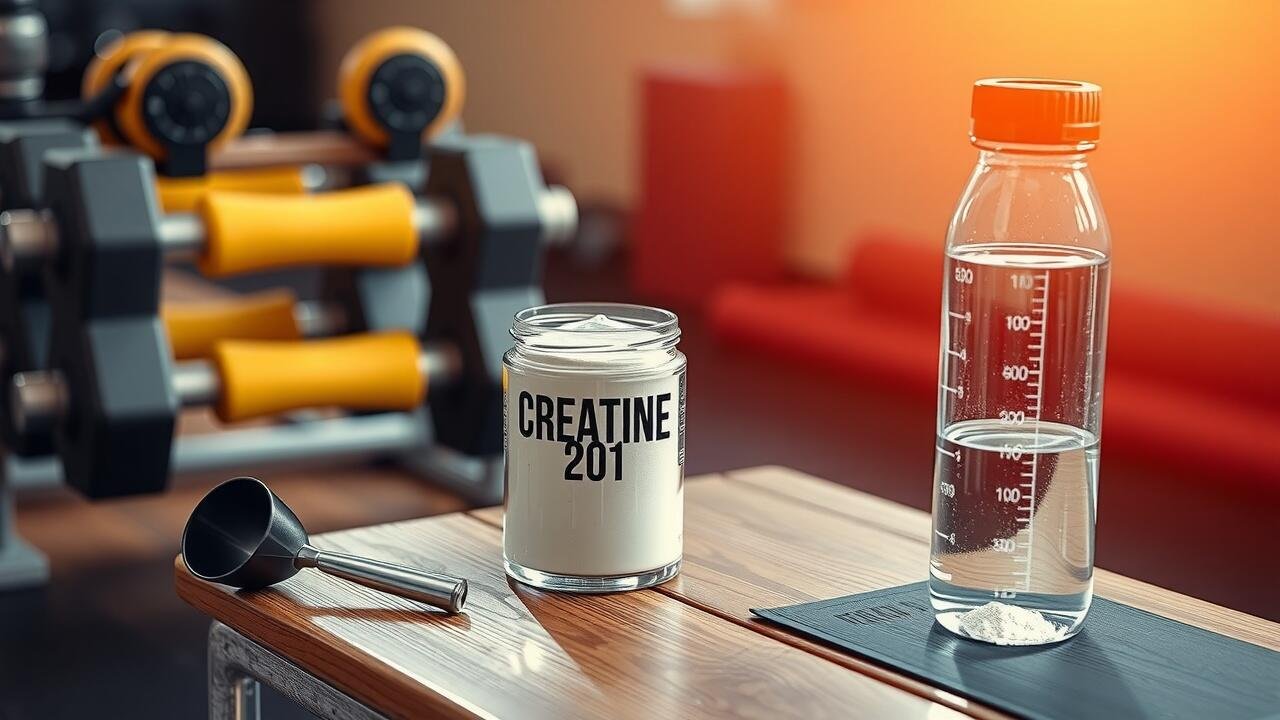
Common Side Effects During the Loading Phase
Participants may experience a range of side effects during the loading phase, particularly if they follow a high-dose loading protocol. The creatine loading phase guide typically emphasizes rapid muscle saturation, which can lead to unpleasant gut cramps for some individuals. This discomfort might intensify for those not adhering to the recommended dosage or consuming suboptimal forms of creatine, such as magnesium-creatine chelate, which can be gentler on the digestive system.
Side effects may also include weight gain and temporary water retention as the body adjusts to increased creatine levels. Commonly, this loading phase wasn’t initially designed with these potential consequences in mind. A typical loading strategy that emphasizes gradual intake may help mitigate these side effects, ensuring a more comfortable experience throughout the loading phase.
How to Minimize Discomfort
Minimizing discomfort during the creatine loading phase can be achieved by following a well-structured creatine loading phase guide. Start by maintaining proper hydration as this helps facilitate the storage of phosphocreatine stores in the muscles. Adequate fluid intake can support substrate utilization and mitigate any gastrointestinal disturbances commonly associated with loading higher doses. Implementing methods of gradual increase in dosing can also help your body adapt, making the transition smoother.
Monitoring your body’s response to the supplementation is crucial. Adjust the creatine dose as necessary while still aiming to push for optimal performance without excessive strain. Following a clear maintenance dosing schedule after the initial loading phase ensures that your system doesn’t experience sudden shifts, which can contribute to discomfort. This thoughtful approach within your creatine loading phase guide not only enhances your overall effectiveness but also promotes a more enjoyable experience with the performance supplement.
Conclusion
The creatine loading phase guide serves as a valuable resource for those looking to optimize their athletic performance through the use of creatine supplements. This phase is designed to enhance ATP production, which is crucial for energy and strength during high-intensity workouts. By understanding the intricacies of the creatine loading phase guide, athletes can effectively harness the benefits of creatine while minimizing potential side effects. Correct implementation of the loading phase can lead to improved muscle recovery and performance, making it an essential component of any training regimen.
FAQS
What is the purpose of the creatine loading phase?
The creatine loading phase is designed to saturate your muscles with creatine more quickly, allowing you to experience its benefits, such as improved strength and performance, in a shorter amount of time.
How long should the creatine loading phase last?
The creatine loading phase typically lasts about 5 to 7 days, during which you will consume a higher dosage of creatine to quickly elevate muscle creatine levels.
What is the recommended dosage during the loading phase?
The common recommendation for creatine loading is to take approximately 20 grams of creatine per day, divided into 4 doses of 5 grams each, for 5 to 7 days.
Can I skip the loading phase and start with maintenance doses?
Yes, you can skip the loading phase and start with a lower maintenance dose of about 3 to 5 grams per day. However, it may take longer to see the benefits compared to the loading method.
Are there any side effects associated with the creatine loading phase?
Some individuals may experience gastrointestinal discomfort, bloating, or muscle cramping during the loading phase. It’s important to stay hydrated and adjust dosages if necessary.
Should I cycle creatine after the loading phase?
Cycling creatine is not necessary for everyone. Some people choose to cycle on and off to assess their body’s response or to avoid potential tolerance, while others find continuous use effective.
Is it better to take creatine before or after a workout?
While the timing is not critical, many people prefer taking creatine post-workout to help with recovery. Consistency in daily intake is more important than the exact timing.
What is the importance of the creatine loading phase in optimising creatine storage and how does it affect long-term creatine supplementation?
The creatine loading phase is crucial for quickly saturating the body’s creatine stores, allowing for enhanced performance and recovery. During this phase, a higher intake of around 20 grams of creatine per day is recommended for about 5-7 days. This approach optimises creatine storage and ensures that the body has ample amounts for energy during high-intensity activities. While some might question if creatine supplementation elicits immediate results, consistent use followed by a maintenance phase of 3-gram creatine intake per day can lead to significant benefits over the long term. It’s important to remember that the loading phase isn’t strictly necessary for everyone, but it can accelerate the initial benefits of creatine supplementation.
How does the creatine loading phase impact the body’s creatine stores and what are the benefits of an optimised creatine supplementation cycle?
The creatine loading phase is crucial as it rapidly saturates the body’s creatine stores, leading to more significant improvements in muscle performance and recovery. When you include this phase, you can ensure that your body’s creatine stores are maximized, which enhances the effectiveness of long-term creatine supplementation. However, it’s important to note that the loading phase isn’t required for every user, as some may choose a slower approach to reach their own creatine saturation levels. Overall, understanding how the loading phase works can help individuals tailor their creatine cycle to what offers the best results for their fitness goals.
How does the absence of a loading phase affect the effectiveness of creatine supplementation over the long term?
If the loading phase isn’t included in your creatine cycle, the body’s creatine stores may not reach optimal levels quickly, which can delay the benefits that creatine offers. An optimised creatine storage achieved during the loading phase is essential for enhancing performance and is particularly relevant for those undertaking high-intensity training. Without this phase, creatine supplementation doesn’t work as effectively, and it may take much longer to notice the desired effects in strength and muscle mass.
How can the timing of the creatine loading phase impact the way creatine works in your body over the long term, particularly regarding the optimised cycle of creatine supplementation?
The timing of the creatine loading phase can significantly affect how quickly the body’s creatine stores are replenished during the loading phase—and this can lead to more immediate benefits. When you include a loading phase, the body’s creatine stores quickly reach saturation, which means the benefits of creatine supplementation can be felt sooner. Without this initial phase, the results may be more gradual, making the cycle of creatine less effective long term. If you want to maximise the benefits of creatine—about the speed of gains, it’s recommended to carefully plan and execute your loading phase.
What are the potential effects of skipping the creatine loading phase on the body’s creatine stores and how might this influence the long term creatine cycle?
Skipping the creatine loading phase can lead to slower increases in the body’s creatine stores, which may delay the benefits of creatine supplementation. Over the long term, this absence can affect how effectively creatine works within the body, potentially impacting athletic performance. It’s important to remember that while you can still see benefits from creatine without the loading phase, the overall cycle of creatine supplementation might not be as effective. The loading phase isn’t mandatory, but it can accelerate the process of saturating your muscles with creatine, making the effects more pronounced in a shorter timeframe.
What can individuals expect during the creatine phase and how does it transition to the long term creatine cycle?
During the creatine phase, individuals will notice a rapid increase in the body’s creatine stores, which can significantly enhance athletic performance. This initial phase isn’t just about loading; it sets the stage for a sustainable long term creatine cycle. If done correctly, the phase can include various dosages and methods tailored to maximise creatine effectiveness. Understanding this phase is crucial for optimizing the benefits throughout the entire creatine supplementation cycle.
What are some common misconceptions about the creatine phase and how it influences the overall cycle of creatine supplementation?
Many individuals may believe that the creatine phase isn’t necessary, but this misunderstanding can impact the body’s creatine stores significantly. To optimise the cycle of creatine supplementation, it is essential to include a proper loading phase. When done correctly, the creatine phase can greatly enhance performance and muscle mass, whereas skipping it could lead to suboptimal results by not fully saturating the body’s creatine stores from the beginning and prolonging the cycle.
What should athletes know about the benefits of the creatine phase and the effect it has on the body’s creatine stores throughout the entire cycle of creatine supplementation?
Athletes should understand that the creatine phase is essential for quickly increasing the body’s creatine stores. When properly implemented, this phase can optimize the cycle of creatine supplementation, allowing for enhanced performance and recovery. If the phase isn’t followed correctly, it may limit the effectiveness of the supplementation. Moreover, as the creatine phase comes to an end, athletes can expect a significant boost in their training efficacy and improved energy levels during workouts.
How does the timing of the creatine phase influence the overall effectiveness of the cycle of creatine supplementation and what should individuals know about the end of this phase in relation to the body’s creatine stores?
The timing of the creatine phase significantly impacts the overall effectiveness of the cycle of creatine supplementation. During this phase, it is crucial to follow the proper regimen to maximize the benefits. If the phase isn’t properly utilized, it may lead to suboptimal results, and the body’s creatine stores may not reach their full potential. This affects the creatine end results and overall performance. Understanding this phase is essential for anyone looking to enhance their muscle energy during the cycle of creatine.
How does engaging in a creatine phase positively impact the body’s creatine stores and what should one include in their cycle of creatine to maximize benefits?
During the creatine phase, the body’s creatine stores are significantly increased, which can enhance performance. It’s crucial to include proper supplementation strategies in your cycle of creatine to reap the maximum benefits. If the phase isn’t followed correctly, the cycle may not optimize the body’s creatine stores effectively.