Key Takeaways
- Comprehending Creatine and Protein Supplement
- Advantages of Creatine
- Advantages of Protein Supplement
- Distinctions Between Creatine and Protein Supplement
- Methods for Combining Creatine
- Optimal Applications for Creatine and Protein Supplement
Understanding Creatine and Protein Powder
Creatine is a naturally occurring compound found in small amounts in certain foods and synthesized by the body, primarily stored in muscle cells as creatine phosphate, which plays a critical role in energy production during high-intensity exercise. Creatine supplements, particularly creatine monohydrate, are popular among athletes for enhancing performance and supporting muscle growth. On the other hand, protein powder is a concentrated source of protein derived from various sources such as whey, casein, or plant-based options, designed to aid muscle recovery and support overall health. The debate in the fitness community often revolves around creatine vs protein powder, as each serves distinct purposes in a supplementation regimen. Understanding how each substance functions can guide individuals in optimizing their fitness results based on specific goals.

What is Creatine?
Creatine is a naturally occurring compound found in small amounts in certain foods and synthesized in the body from amino acids. It plays a crucial role in energy production, especially during high-intensity exercise. Creatine supplementation, such as creatine hydrochloride, can enhance performance and support muscle recovery. Many athletes incorporate creatine into their regimen, often evaluating it in terms of creatine vs protein powder to determine the best nutritional supplement for their goals.
This compound is popular among bodybuilders and fitness enthusiasts alike due to its ability to increase muscle mass and improve overall strength. While protein supplements, including protein drinks, are widely recognized for their role in muscle repair and growth, creatine specifically targets improvements in power output and endurance. Understanding the differences in protein quality and function between protein and creatine can help individuals select the most effective nutritional supplement depending on their specific fitness objectives.
What is Protein Powder?
Protein powder is a dietary supplement made from various ingredients designed to provide a concentrated source of protein. It commonly comes in several forms, including whey protein, casein, soy, and plant-based options. Individuals often use protein shakes to boost their protein intake, aiding muscle recovery and growth. This supplement helps to repair muscle fibers after workouts, which can potentially reduce the risk of muscle cramps and improve overall performance.
The debate surrounding creatine vs protein powder often highlights their different roles in sports nutrition. While creatine primarily enhances energy production during high-intensity exercise, protein powder focuses on muscle protein synthesis. Both play vital roles in supporting athletic goals, yet they cater to unique aspects of training and recovery. Understanding the different proteins and types of powder available can help users make informed choices about supplementation tailored to their needs.
Benefits of Creatine
Creatine stands out among dietary supplements for its ability to enhance athletic performance and promote muscle growth. This naturally occurring compound plays a vital role in ATP production, providing the energy required for intense workouts. Comparing creatine vs protein powder reveals that while protein powder focuses on aiding recovery and muscle synthesis, creatine specifically targets strength and power outputs. Many athletes incorporate creatine into their regimen alongside protein shakes to maximize their training benefits. Understanding food ingredients and proper dietary guidelines can help users dose effectively, minimizing risks like cramps and ensuring optimal results. Overall, creatine is essential for those seeking to boost performance and support muscle synthesis efficiently.
Enhancing Athletic Performance
Creatine is widely recognized for its capacity to enhance athletic performance, especially in high-intensity sports. By providing quick bursts of energy during activities like sprinting or weightlifting, it allows athletes to push their limits. The process of energy production in muscles is significantly aided by creatine, which helps replenish ATP stores. While comparing creatine vs protein powder, it becomes evident that creatine focuses primarily on energy and strength, making it a crucial component for athletes looking to maximize their performance in competitive settings.
On the other hand, protein powder plays a vital role in muscle repair and recovery, contributing to overall performance improvements. It contains essential amino acids that aid in muscle synthesis and repair after strenuous activities. Many athletes incorporate protein-rich snacks like dairy products into their diets to meet their recommended dietary allowance for protein. While both creatine and protein powder are valuable sports supplements, their specific roles in performance enhancement highlight the significance of choosing the right supplement for individual training needs.
Supporting Muscle Growth
Creatine is well-regarded in the sports nutrition community for its potential to enhance muscle growth. The compound helps to increase the availability of phosphocreatine in muscles, which fuels energy during high-intensity exercise. This energy boost can lead to improved performance in lifting and sprinting activities. Creatine’s ability to support muscle protein synthesis is also significant, especially when combined with a well-rounded diet. For individuals interested in plant-based nutrition, creatine supplementation remains a practical option that does not rely on lactose, making it suitable for those with lactose intolerance.
Protein powder serves as a vital resource for supporting muscle growth due to its rich amino acid profile. Its rapid absorption helps to deliver essential amino acids to muscles after workouts, facilitating recovery and growth. While creatine primarily focuses on energy production, protein powder provides the building blocks necessary for new muscle tissue formation. The decision between creatine vs protein powder often comes down to individual goals and dietary preferences. Both play unique roles in a comprehensive approach to muscle development, underscoring their importance in effective supplementation strategies.
- Understand the role of creatine in energy production and muscle growth.
- Incorporate protein powder post-workout for optimal recovery.
- Consider personal fitness goals when choosing between creatine and protein powders.
- Ensure a balanced diet to maximize the effects of supplementation.
- Consult a healthcare professional before starting any supplement regimen.
- Monitor progress and adjust supplementation based on your physical response.
- Stay hydrated to support muscle function and recovery during supplementation.
Benefits of Protein Powder
Protein powder serves as a convenient supplement to enhance a diet often lacking in sufficient nutrients from whole foods. It plays a vital role in aiding muscle recovery after exercise, particularly when derived from sources such as whey or other animal products. This supplement provides an easily digestible protein source that supports muscle growth and repair, making it essential for athletes and active individuals. While comparing creatine vs protein powder, it’s important to note that protein powder primarily focuses on providing the necessary building blocks for muscle, whereas creatine enhances performance and energy during workouts. Using protein powder strategically within one’s diet allows for better recovery and overall health benefits.
Aiding Muscle Recovery
Protein powder plays a crucial role in aiding muscle recovery after intense workouts. It provides the necessary amino acids to repair muscle tissues and promote recovery. While creatine works to enhance energy availability during exercise, the right protein intake helps replenish muscle creatine levels post-exercise. This process is vital for athletes and fitness enthusiasts seeking optimal recovery, as it allows for faster healing and reduces muscle soreness.
Creatine citrate can also aid in recovery by enhancing hydration and nutrient transport to muscle cells. Optimal creatine intake supports ATP regeneration, which is essential for muscle function and recovery. In comparing creatine vs protein powder, it’s important to recognize that while both supplements contribute to recovery, they do so in different ways. Creatine primarily focuses on energy production, while protein powder emphasizes muscle repair.
| Supplement | Primary Function | Recommended Timing | Benefits |
|---|---|---|---|
| Protein Powder | Muscle repair and growth | Post-workout | Provides essential amino acids, reduces muscle soreness |
| Creatine Citrate | Energy production and hydration | Pre- and post-workout | Enhances ATP regeneration, improves nutrient transport |
| Whey Protein | Muscle recovery | Post-workout | Fast absorption, rich in branched-chain amino acids (BCAAs) |
| Casein Protein | Muscle preservation | Before sleep | Slow digestion, provides a steady release of amino acids |
Promoting Overall Health
Creatine has been widely recognized for its ability to enhance athletic performance, but its benefits extend into promoting overall health as well. Studies indicate that creatine increases energy levels in muscles, particularly in the form of creatine malate, which can contribute to improved cognitive function and reduced fatigue. By loading creatine properly, athletes can enhance their creatine stores, leading to better endurance and recovery. This is particularly important when comparing creatine vs protein powder, as their roles in health and fitness complement one another.
Protein powder supports overall health by providing essential amino acids necessary for various bodily functions. Commercial protein powders, often made from whey or casein, can assist in maintaining muscle mass and promoting optimal metabolic health. Combining the benefits of sodium creatine phosphate with protein intake can further enhance recovery, making both supplements valuable when used appropriately. Understanding creatine vs protein powder helps individuals tailor their supplementation strategies to achieve the best health outcomes.
Creatine vs Protein Powder: Key Differences
Creatine and protein powder serve distinct roles in athletic nutrition, making the creatine vs protein powder comparison crucial for athletes. Creatine supports high-intensity performance by enhancing intramuscular creatine stores, allowing for better energy production during short bursts of activity. On the other hand, high-quality protein powders, such as whey protein powder and various plant-based protein powders, focus on muscle recovery and growth. While creatine pyruvate may be a less common form, it still highlights the diverse options available. For optimal gains, athletes might incorporate vanilla protein powders post-workout, ensuring they meet their protein requirements, while creatine may be taken pre-workout to maximize performance. Understanding these differences helps individuals tailor their supplementation strategies effectively.
Purpose and Usage
Creatine serves a specific role in enhancing athletic performance and muscle strength. It is primarily used by athletes seeking to boost their energy during high-intensity workouts. The primary purpose of creatine supplementation is to replenish ATP, the energy currency of cells, allowing for improved endurance and power. In the comparison of creatine vs protein powder, creatine focuses on energy production while protein powder aids in muscle recovery and growth through its rich amino acid profile.
Protein powder, particularly options like Aloha protein powders, offers an effective way to meet protein intake goals. These supplements come from high-quality, real ingredients that can support overall health and aid muscle recovery after workouts. For those looking to enhance their dietary regimen, protein supplementation with sources like dairy protein can ensure adequate intake of essential nutrients required for muscle repair and growth. Understanding the distinct purposes of creatine vs protein powder helps individuals tailor their supplementation to match their fitness objectives.
Timing and Dosage Recommendations
Timing and dosage can vary significantly between creatine and protein powder. Many athletes prefer to take creatine shortly before or after workouts to maximize its effects on performance and recovery. A typical dosage is often around 3-5 grams per day, depending on body weight and activity levels. On the other hand, protein powder, particularly high-quality protein options, should be consumed throughout the day to ensure enough protein intake. For those seeking soy-free protein powders, timing can be flexible, accommodating both post-workout recovery and meal supplementation to reach daily protein goals.
Understanding the key differences in timing helps in optimizing benefits from various supplements. Creatine often works best with adequate hydration and is complemented by simple ingredients in high-quality protein powders that may enhance absorption. Combining creatine vs protein powder effectively allows athletes to tailor their nutrition strategies to their specific needs. Appropriately timed, these supplements with good ingredients can help achieve optimal results in muscle growth and recovery.
| Supplement | Recommended Timing | Typical Dosage | Best Combination |
|---|---|---|---|
| Creatine | Shortly before or after workouts | 3-5 grams per day | With carbohydrates for enhanced absorption |
| Protein Powder | Throughout the day and post-workout | 20-30 grams per serving | With simple carbohydrates or fats |
| Pre-Workout Blend | 30 minutes before exercise | 1 serving (varies by brand) | With creatine for added energy |
| Casein Protein | Before bedtime | 20-40 grams per serving | As a night-time recovery supplement |
How to Mix Creatine
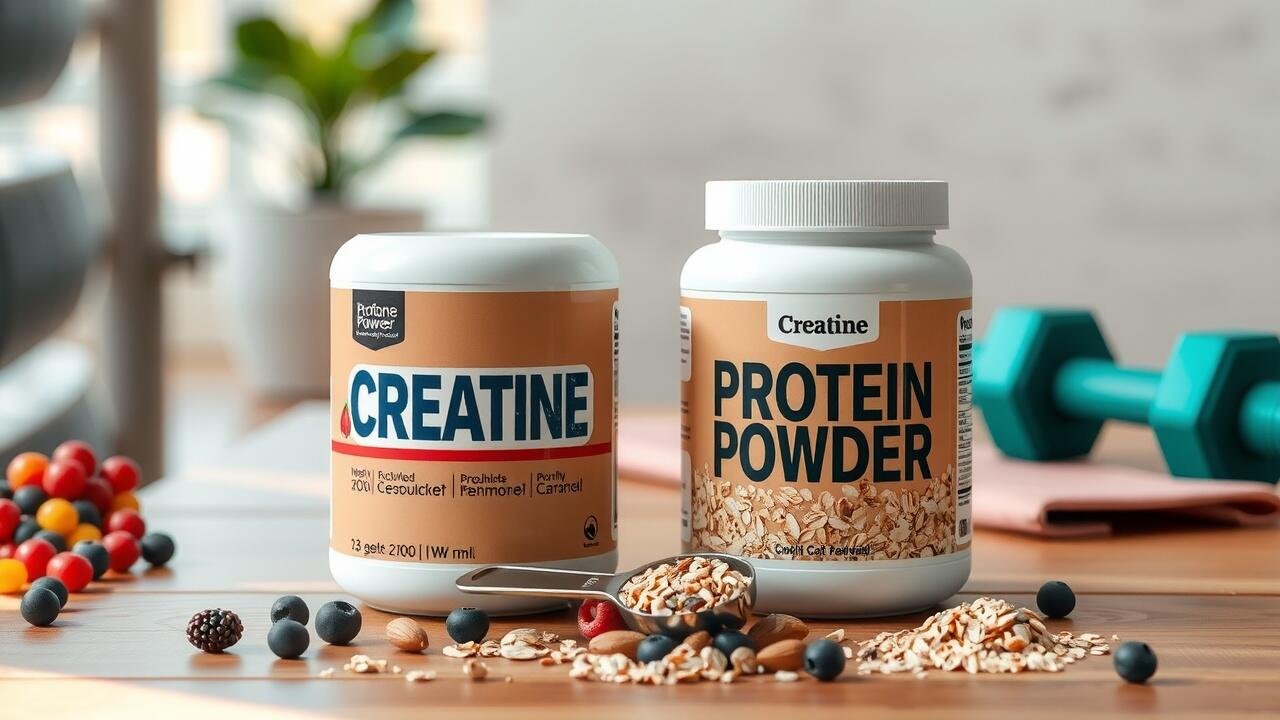
Mixing creatine effectively is crucial for maximizing its benefits as an important supplement in the nutritional supplement market. Many users find that combining creatine powders with other performance-enhancing supplements can optimize results, particularly during workouts. The primary proteins, like whey protein, promote muscle recovery and support the body’s ability to process protein efficiently. Creatine vs protein powder serves distinct purposes, with creatine focused on immediate energy supply and protein powders aiding muscle repair. Ensuring proper mixing techniques, such as dissolving creatine in warm water or combining it with a carbohydrate source, can enhance absorption and efficacy in conjunction with whey protein for optimal results.
Effective Mixing Methods
Mixing creatine and protein powder effectively can enhance their benefits. Combining these effective supplements in a shaker or blender ensures a smooth consistency. For those who prefer real food ingredients, mixing creatine with protein-rich meals can be an excellent option. The fine powder form of creatine dissolves well in liquids, making it easy to incorporate into various recipes, including smoothies or yogurt.
Preparing a shake with both creatine and protein powder helps athletes achieve enough high-quality protein in their diet. This method supports muscle recovery and growth, particularly when whole-food ingredients are included. Understanding the differences in usage between creatine vs protein powder can help users maximize their supplementation routine while ensuring a delicious and nutritious intake.
Combining with Other Supplements
Creatine and protein powder can be effectively combined with other researched supplements to enhance overall performance and recovery. For those focused on muscle protein synthesis, pairing creatine with a leucine-rich protein, such as whey protein, may optimize results. Understanding the differences in creatine vs protein powder helps individuals tailor their supplementation to meet specific nutrition goals. Athletes often find that integrating these supplements into their regimen supports both strength and muscle growth.
For those who prefer a plant-based protein source, combining creatine with a vegan protein powder can also be beneficial. Supplements people often explore the potential synergies between different products to maximize their fitness outcomes. Knowing the optimal whey protein timing, along with creatine consumption, can lead to improved workout efficiency. Balancing these supplements effectively allows users to harness the unique benefits of each while supporting their overall health and fitness objectives.
Ideal Uses for Creatine and Protein Powder
Creatine and protein powder serve different purposes and can be strategically used to enhance athletic performance and recovery. Creatine is ideal for athletes seeking increased muscle protein synthesis and improved high-intensity performance, especially during strength training. On the other hand, protein powder, often derived from whey or plant-based ingredients, provides a complete amino acid profile that is essential for muscle repair and growth. A protein shake afterward a workout can help meet your dietary allowance for protein, ensuring your body has the necessary nutrients to recover effectively. While popular supplements like these can be beneficial, it is crucial to be aware of any artificial ingredients and choose options that align with your health goals. Understanding the differences in creatine vs protein powder can help individuals select the right supplements for their fitness journey.
Best Situations for Creatine Supplementation
Creatine serves as a powerful pre-workout supplement for athletes aiming to enhance their performance during high-intensity training. This muscle-building nutrient is especially effective in explosive sports such as sprinting and weightlifting. For those considering creatine vs protein powder, it’s essential to note that while creatine boosts energy production, protein powder aids in muscle recovery. Both supplements may aid in muscle recovery and enhance exercise performance, contributing to overall training effectiveness.
Another ideal situation for creatine supplementation is during longer training phases or when preparing for competitions. Utilizing high-quality supplements ensures that athletes receive the necessary benefits of creatine, including increased strength and endurance. Incorporating a midday snack that combines creatine in supplement form with amino acids such as arginine can provide an additional boost for workouts later in the day. This approach can help optimize the benefits of creatine while maintaining a balanced nutrient intake.
- Helps improve high-intensity training performance
- Beneficial for athletes involved in explosive sports
- Supports strength and endurance gains during competitions
- Can be combined with amino acids for enhanced effects
- Useful during longer training phases for consistent performance
- Aids in faster muscle recovery when used alongside protein supplements
- Enhances overall training effectiveness when incorporated into a balanced diet
Optimal Times to Use Protein Powder
Timing your intake of protein powder can significantly impact its effectiveness in your daily nutrition plan. For those engaging in resistance training or intense workouts, consuming protein powder shortly after exercise can aid in optimal muscle protein synthesis. While creatine vs protein powder serves different purposes in an effective supplement regimen, protein powder ensures that the body receives necessary amino acids to repair and build muscle. This can be particularly advantageous for individuals who may not consume enough protein through certain foods like meat products.
Using protein powder as a meal replacement or snack throughout the day can also be beneficial. Opting for formulas with organic ingredients adds nutritional value while maintaining overall health. Athletes and fitness enthusiasts often incorporate protein powder into smoothies or shakes alongside other supplements. Balancing protein intake with creatine vs protein powder allows for a comprehensive approach to muscle recovery and growth, making these popular sports supplements essential for those looking to optimize performance.
Conclusion
Understanding the distinctions between creatine and protein powder is essential for maximizing athletic performance and muscle recovery. Creatine serves as a powerful energy source for high-intensity activities, while protein powder primarily aids in muscle repair and growth. Individuals aiming to build muscle should consider their specific needs and training regimen, particularly how each supplement can help nutrient-depleted muscles refuel after workouts. For those seeking plant-based options, soy-free protein products are an excellent alternative. In the ongoing debate of creatine vs protein powder, recognizing these different compounds and their unique roles can significantly enhance overall fitness strategies.
FAQS
What is the main difference between creatine and protein powder?
The main difference lies in their purposes; creatine is primarily used to enhance athletic performance and provide quick energy for high-intensity workouts, while protein powder is used to support muscle growth and recovery by supplying the body with essential amino acids.
When is the best time to take creatine?
The best time to take creatine can vary, but many athletes find it effective to take it shortly before or after a workout to maximize its benefits, particularly when combined with carbohydrates or protein for enhanced absorption.
Can I take creatine and protein powder together?
Yes, you can take creatine and protein powder together. Many athletes utilize both supplements in their routine to support energy levels during workouts and aid in muscle recovery and growth afterward.
How should I mix creatine for optimal results?
Creatine can be mixed with water, juice, or post-workout shakes. It’s important to ensure it is fully dissolved. Some prefer to mix it with a carbohydrate source to enhance absorption.
Is protein powder necessary if I consume enough protein from food?
Protein powder is not strictly necessary if you meet your protein needs through a balanced diet. However, it can be a convenient and effective way to increase protein intake, especially for those with higher demands, such as athletes or individuals with busy schedules.
How does creatine loading affect the body process of protein compared to high quality protein sources like whey protein?
Creatine loading can enhance muscle performance and energy production, while high quality protein, particularly whey protein, promotes muscle recovery and growth by providing essential amino acids, including arginine. Both nutrients serve different functions but work together to maximize overall muscle development.
What are the primary differences in how creatine occurs in the body compared to how whey protein promotes muscle recovery through amino acids like arginine?
Creatine occurs naturally in the body and plays a crucial role in energy production during high-intensity activities. On the other hand, whey protein promotes muscle recovery by providing essential amino acids, including arginine, which aids in protein synthesis and muscle repair. Both supplements play distinct roles in the body process protein but serve different purposes in athletic performance and recovery.
How do the effects of creatine supplementation compare to those of protein powder in terms of promoting muscle growth and recovery through amino acids like arginine?
Creatine supplementation significantly enhances muscle growth and recovery by providing a quick source of energy for high-intensity workouts, whereas protein powder, particularly those rich in amino acids like arginine, supports muscle repair and recovery after exercise.
What role do amino acids like arginine play in the muscle recovery process when using creatine versus protein powder?
Amino acids like arginine are crucial in the muscle recovery process as they help improve blood flow and nutrient delivery. When using creatine, the body may experience enhanced performance during workouts, which indirectly supports muscle recovery. In contrast, protein powder, especially those rich in amino acids, provides the building blocks necessary for muscle repair and recovery, making it vital after intense workouts.
What is the relationship between creatine supplementation and amino acids like arginine in muscle recovery compared to protein powder?
Creatine supplementation enhances muscle recovery by increasing energy availability during workouts, while protein powder, particularly those rich in amino acids like arginine, supports muscle recovery through enhanced protein synthesis and blood flow. The combination of both can potentially yield a synergistic effect, benefiting overall muscle growth and recovery processes.
How do amino acids like arginine affect muscle recovery when taken with creatine versus protein powder?
Amino acids like arginine play a crucial role in muscle recovery, enhancing blood flow and nutrient delivery. When taken with creatine, arginine can further optimize performance due to its vasodilating effects. In contrast, protein powder that includes amino acids can also support recovery but may work differently compared to creatine’s unique benefits.
How do the sources of amino acids like arginine differ when using creatine instead of protein powder for muscle recovery?
The sources of amino acids like arginine can vary significantly when comparing creatine to protein powder. While creatine is primarily a compound that supports energy production in muscle, protein powders, particularly those rich in high-quality proteins such as whey, provide essential amino acids including arginine that directly support muscle recovery and growth.
How do creatine and protein powder contribute differently to muscle recovery in relation to amino acids like arginine?
Creatine and protein powder both support muscle recovery, but they do so through different mechanisms related to amino acids like arginine. Creatine enhances the availability of energy for muscle contractions, which can indirectly support recovery after intense exercise, while protein powder provides amino acids, including arginine, that contribute directly to muscle repair and growth.
What are the benefits of using creatine compared to protein powder in terms of amino acids like arginine and their impact on muscle recovery?
Creatine offers unique benefits for muscle recovery that are different from those provided by protein powder. While protein powder primarily supplies essential amino acids, including arginine, to support muscle repair and growth, creatine enhances energy production during high-intensity workouts, leading to better performance. The inclusion of amino acids like arginine from protein powder aids in improving blood flow and nutrient delivery, promoting overall muscle recovery. Therefore, combining both supplements can be advantageous, leveraging the energy-boosting effects of creatine alongside the muscle-repairing qualities of amino acids like arginine.
How do the benefits of creatine and protein powder compare when considering their effects on amino acids like arginine in the body?
The benefits of creatine and protein powder vary significantly when looking at their effects on amino acids like arginine. Creatine supplementation primarily enhances muscle energy and performance, while protein powder, especially those rich in amino acids like arginine, is crucial for muscle repair and growth. Incorporating both can provide a balanced approach to enhancing muscle recovery and performance.