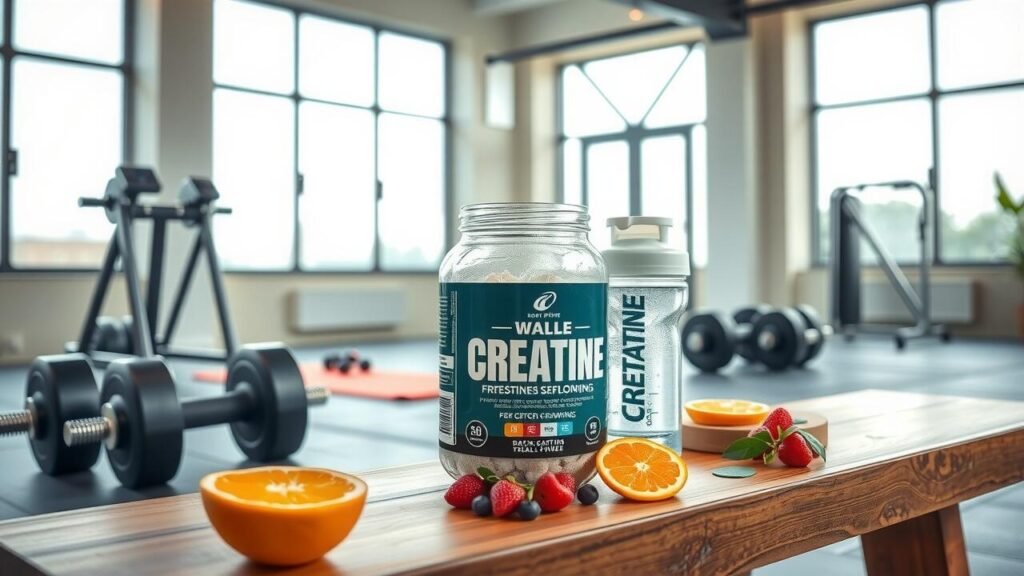
Micronized Creatine
This form of creatine is ground into finer particles, enhancing its solubility in liquids. As a result, it dissolves more easily in water, which can make it more palatable when mixed into beverages. The smaller particle size can also contribute to better absorption in the digestive tract, potentially maximizing its benefits for users.
Athletes and fitness enthusiasts often prefer micronized creatine due to its ability to reduce gastrointestinal discomfort compared to regular creatine monohydrate. Users may experience less bloating and an easier time integrating it into their supplement regimen. This makes it an attractive option for those seeking to improve performance without the side effects commonly associated with traditional creatine forms.
Improved Absorption Explained
Micronized creatine has garnered attention due to its smaller particle size, which enhances its solubility in liquids. This increased solubility allows for more efficient absorption in the intestines. As a result, users may experience quicker delivery of creatine to muscle cells, which can lead to improved performance during high-intensity workouts.
The improved absorption rate also means that individuals can potentially use a lower dose while still achieving effective results. Reduced stomach discomfort is another benefit associated with micronized creatine, making it easier for users to incorporate it into their supplement regimen. Overall, these factors contribute to the growing popularity of micronized creatine among fitness enthusiasts.
Liquid Creatine
Liquid creatine has gained popularity among athletes and fitness enthusiasts for its convenience and quick absorption. Unlike traditional powdered forms, liquid creatine is pre-mixed, making it easier to consume. Many users appreciate skipping the mixing process, especially when on the go or during intense training sessions.
However, this form comes with its own set of considerations. Liquid creatine can have a shorter shelf life due to the stability of the creatine in liquid form. Additionally, its potency may be compromised if not stored properly. Users might find that the taste of liquid creatine varies significantly across brands, leading to a potential preference for flavor profiles that can enhance the experience of supplementation.
Pros and Cons of Liquid Form
Liquid creatine offers certain advantages that appeal to some users. One notable benefit is its convenient dosing method. The ready-to-drink formulation can be easily consumed without the need for mixing powders, making it travel-friendly. Additionally, liquid creatine may be absorbed more quickly by the body, potentially leading to more immediate effects for those looking to boost workout performance.
However, there are also downsides to consider. Liquid creatine tends to have a shorter shelf life compared to powdered forms, which can lose potency over time. Furthermore, it may contain additives and preservatives that some users prefer to avoid. The cost of liquid creatine is generally higher than powdered versions, which can make it less appealing for individuals on a budget.
Creatine Nitrate
Creatine nitrate is a lesser-known form of creatine that combines creatine with nitrate to enhance its effectiveness. This combination is believed to improve nitric oxide production in the body. Enhanced nitric oxide levels can lead to better blood flow and improved muscle pump during workouts. Athletes may find this form appealing due to its potential benefits in performance and recovery.
There is increasing interest among strength trainers and endurance athletes regarding creatine nitrate. Some studies suggest that this compound may improve exercise performance, particularly in high-intensity activities. Its ability to support muscle endurance can be particularly beneficial for those engaged in prolonged training sessions. However, more research is necessary to fully understand its long-term effects and optimal usage.
Benefits for Athletes and Lifters
Creatine nitrate has gained attention among athletes and lifters for its potential benefits in enhancing performance. This form of creatine combines traditional creatine with nitrate, which can lead to improved blood flow and nitric oxide production. Enhanced circulation may contribute to better delivery of nutrients and oxygen to muscles during intense workouts, potentially resulting in increased endurance and strength.
The unique composition of creatine nitrate may also aid in reducing fatigue, allowing for longer training sessions. Its solubility and rapid absorption can make it a convenient option for those looking to maximize their gains without the bloating sometimes associated with other forms of creatine. As athletes seek to optimize their performance, creatine nitrate offers a promising alternative that aligns well with a variety of training regimens.
FAQS
What is micronized creatine and how does it work?
Micronized creatine is creatine that has been processed into smaller particles to enhance its solubility and absorption in the body. This form of creatine aims to improve the uptake of creatine by muscle tissue, potentially leading to better performance and recovery.
What are the benefits of liquid creatine?
Liquid creatine is convenient to consume and can be quickly absorbed by the body. However, it may have a shorter shelf life than powdered forms and could lose potency over time. It’s important to check for quality and ensure it’s properly stored.
How does creatine nitrate differ from other forms of creatine?
Creatine nitrate combines creatine with nitrates, which may enhance performance by improving blood flow and increasing nitric oxide levels. This form has been suggested to offer benefits for endurance and strength training, making it appealing for athletes and lifters.
Is one type of creatine better than another?
The “best” type of creatine can vary depending on individual goals, preferences, and how the body responds to different forms. Micronized creatine may be better for absorption, while creatine nitrate might offer additional benefits for athletes. It’s important to consider personal needs and consult with a healthcare professional if unsure.
Can I take creatine with other supplements?
Yes, creatine can generally be taken alongside other supplements such as protein powder or pre-workout formulas. However, it’s advisable to consult a healthcare professional or nutritionist to ensure compatibility and avoid potential side effects.
Related Links
best type of creatine
Which creatine is better, HCl or monohydrate?
Has Billie Eilish got EDS?