Types of Pre-Workout Formulas
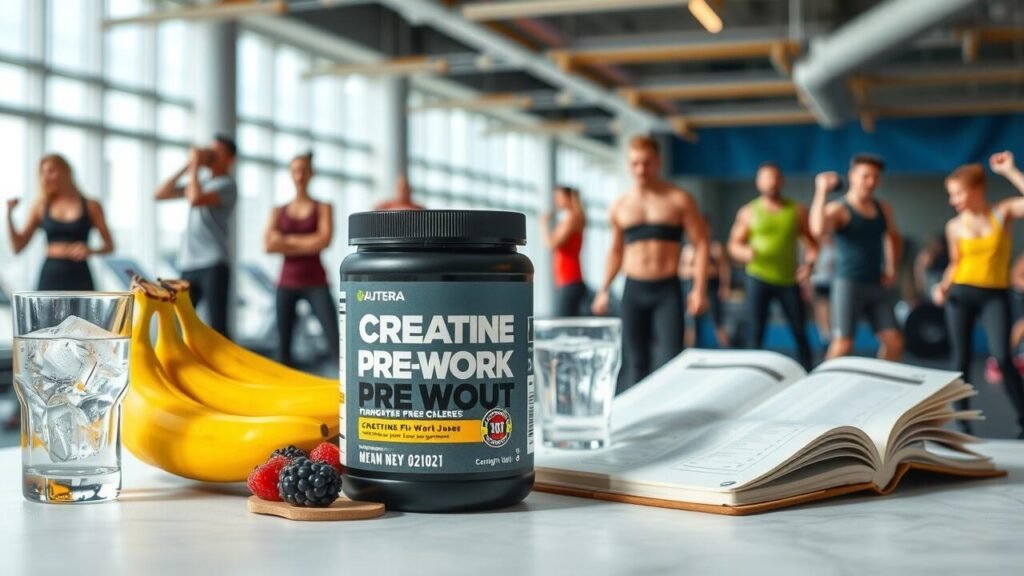
Pre-workout supplements come in several forms, each catering to different preferences and lifestyles. Powdered formulas are the most common choice, often mixed with water for easy consumption. They typically contain a blend of ingredients such as caffeine, amino acids, and various performance enhancers. Many users appreciate the flexibility powder forms offer, allowing them to adjust serving sizes based on their unique needs.
Liquid and pill forms also have their advantages. Liquid pre-workouts offer rapid absorption, making them quick and convenient for those on the go. They often come in ready-to-drink containers, which can be more palatable than powders for some individuals. Pill or capsule pre-workouts, on the other hand, provide a no-fuss option that doesn’t require mixing and can be carried easily. Each type has distinct characteristics, appealing to various preferences regarding preparation and ingestion.
Differences Between Powder, Pill, and Liquid Forms
Pre-workout supplements come in various formats, each with distinct characteristics. Powders are the most popular choice among athletes and fitness enthusiasts. Users typically mix them with water or another beverage before consumption, which allows for quick absorption. Powders often allow for customizable dosing, enabling individuals to adjust according to their specific needs.
Pills offer convenience and portability, perfect for those who prefer a no-fuss approach. While they may lack the rapid absorption rate of powders, they still deliver the intended benefits. Liquid forms provide immediate consumption and can be taken on-the-go, appealing to those who need a quick energy boost. However, the choice of format often depends on personal preference, lifestyle, and specific performance goals.
Signs That the Pre-Workout is Kicking In
Recognizing when a pre-workout is taking effect can enhance your workout experience. Common signs include an increase in energy levels and improved focus. You might also notice a heightened sense of alertness, making it easier to engage in high-intensity exercises. This boost often translates into a more efficient workout session, allowing you to push your limits effectively.
Another notable symptom is the tingling sensation often linked to ingredients like beta-alanine. This feeling can serve as a clear indicator that the pre-workout is beginning to work. Additionally, you may experience an upsurge in motivation, leading to a greater willingness to tackle challenging exercises. These physical and mental changes can signal that the pre-workout formula is fulfilling its purpose.
Physical Symptoms to Look Out For
When pre-workout supplements start taking effect, individuals may notice a variety of physical symptoms. One common indicator is an increase in energy levels, often accompanied by heightened alertness and focus. This surge can enhance motivation, making it easier to engage in workouts that may otherwise seem daunting. Additionally, many users experience a warming sensation or slight tingling in the skin, particularly in the face and extremities.
Another sign that the pre-workout is beginning to take effect is an increase in heart rate and blood flow. This reaction, driven by ingredients like caffeine and other stimulants, contributes to improved endurance and enhances overall workout performance. Some individuals may also experience increased sweating, which can be a positive sign that the body is prepared for an intense training session. Understanding these symptoms helps users gauge the effectiveness of their pre-workout choice.
Potential Side Effects of Pre-Workout
Individuals may experience various side effects when using pre-workout supplements. Common reactions include increased heart rate, anxiety, and gastrointestinal discomfort. Ingredients such as caffeine and beta-alanine can lead to jitters or tingling sensations, while excessive caffeine intake might result in insomnia or elevated blood pressure. Sensitivity to these components varies among users, making it crucial to monitor one’s response.
Some might encounter allergic reactions or sensitivities to specific ingredients. Headaches or crashes after the initial energy surge are also reported. Staying hydrated and consuming a balanced diet can mitigate some adverse effects. It is advisable to consult with a healthcare professional before starting any pre-workout regimen, especially for those with existing health conditions or sensitivities to stimulants.
How to Manage Unwanted Reactions
Experiencing unwanted reactions from pre-workout formulas can be concerning. Start by assessing the dosage you consumed. If the amount exceeds what is recommended, decreasing the dosage can often alleviate symptoms. Drinking plenty of water can help flush out excess ingredients from your system. Staying hydrated is essential as it may mitigate sensations like jitters or rapid heart rate.
If symptoms persist or become severe, consider discontinuing use of the product immediately. It’s also advisable to consult a healthcare professional to discuss your experience. They can provide guidance tailored to your specific situation. Experimenting with different brands or formulations may also yield a better fit without causing adverse reactions. Always keep track of your body’s response to any supplement for future reference.
FAQS
How long does it typically take for pre-workout to start working?
Pre-workout supplements generally take about 30 minutes to 60 minutes to kick in, depending on the formula and individual metabolism.
Can the type of pre-workout formula affect how quickly it kicks in?
Yes, different forms of pre-workout, such as powders, pills, or liquids, can have varying absorption rates, which may influence how quickly the effects are felt.
What are the common signs that pre-workout is working?
Common signs include increased energy levels, enhanced focus, tingling sensations, and improved endurance during workouts.
Are there any side effects I should be aware of when taking pre-workout?
Yes, potential side effects can include jitters, increased heart rate, digestive issues, and insomnia, especially if taken too close to bedtime.
How can I manage unwanted reactions from pre-workout supplements?
To manage unwanted reactions, consider starting with a smaller dose, choosing a formula with fewer stimulants, staying hydrated, and avoiding taking pre-workout on an empty stomach.
Related Links
best time to take pre workout
What is the 3-3-3 rule for workout?
When to take pre-workout for best results?