Possible Side Effects of Pre-Workout Supplements
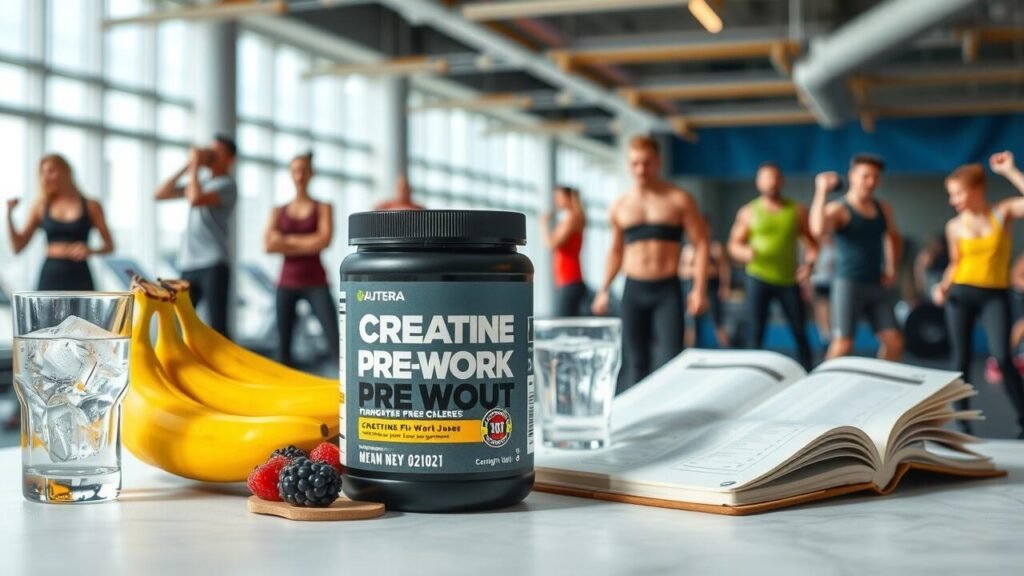
Pre-workout supplements can provide significant boosts in energy and focus, but they come with their set of potential side effects. Ingredients such as caffeine can lead to jitters, increased heart rate, and heightened anxiety, especially in individuals sensitive to stimulants. Other common side effects include digestive issues, such as cramping or bloating, which can detract from workout performance.
Some pre-workout products contain proprietary blends, making it difficult for consumers to know exactly what they are ingesting. This lack of transparency can lead to unexpected reactions, particularly if someone has allergies or intolerances to specific components. Monitoring one’s body response to these supplements is crucial to avoid adverse effects, and it may be wise to consult with a healthcare provider before incorporating them into a workout routine.
Understanding the Risks Involved
Pre-workout supplements can enhance performance but also come with certain risks that users should consider. Common ingredients, such as high doses of caffeine, can lead to increased heart rate and blood pressure. This stimulation may result in jitters, anxiety, or even gastrointestinal distress for some individuals. Additionally, proprietary blends found in many products often lack transparency, making it difficult to know the exact amounts of each component. This uncertainty can complicate personal tolerance assessments and increase the likelihood of adverse reactions.
Moreover, the timing and method of consumption play a significant role in how these supplements affect the body. Taking a pre-workout too late in the day can disrupt sleep patterns, leading to fatigue and decreased performance in subsequent workouts. Hydration levels are another critical factor, as these products can cause dehydration, especially when engaging in intense high-intensity interval training. It is essential to understand these implications to make informed choices about utilizing pre-workout supplements effectively.
Natural Alternatives to Pre-Workout
Many athletes and fitness enthusiasts seek options beyond traditional pre-workout supplements. Whole foods can provide effective energy sources without the added chemicals often found in pre-packaged products. Fruits like bananas or berries offer natural sugars and carbohydrates, delivering a quick energy boost. Nut butters, when paired with whole grain toast, supply sustained energy through healthy fats and proteins. These foods not only fuel physical performance but also support overall health through essential nutrients.
Hydration is another key aspect of optimizing performance without synthetic supplements. Drinking water or coconut water helps maintain electrolyte balance and proper fluid levels, which are crucial during high-intensity interval training. Green tea or matcha can also serve as a natural stimulant, providing a mild caffeine boost while offering antioxidants. Incorporating these natural alternatives creates a holistic approach to pre-workout nutrition that prioritizes well-being and performance efficiency.
Boosting Performance with Whole Foods
Choosing whole foods as a pre-workout fuel can provide the essential nutrients and energy necessary for high-intensity interval training. Foods rich in carbohydrates, such as bananas and oats, can offer quick energy for immediate use during workouts. Incorporating a source of protein, like Greek yogurt or nut butter, can also aid in muscle repair and recovery post-exercise. These options not only support physical performance but also contribute to overall health and well-being.
In addition to carbohydrates and protein, healthy fats from sources like avocados and nuts can sustain energy levels during extended sessions. Hydration is another key factor, as consuming fruits with high water content, such as watermelon or oranges, can help maintain optimal performance. Crafting a pre-workout meal or snack from whole foods allows individuals to better control their nutrient intake, tailor options to personal preferences, and potentially avoid unwanted side effects commonly associated with supplements.
Personalizing Your Pre-Workout Strategy
Tailoring a pre-workout regimen to individual needs can significantly impact performance. Factors such as body weight, fitness level, and workout intensity should dictate the choice and dosage of supplements. Beginners may benefit from lower doses of stimulants to assess tolerance, while more experienced athletes might require something more potent. Listening to one’s body and adjusting the intake accordingly can help maximize the effectiveness of the pre-workout strategy.
Dietary preferences also play a crucial role in personalizing pre-workout choices. Some individuals may prefer caffeine from natural sources like coffee, while others might opt for ready-made supplements. It is essential to consider any existing health conditions or dietary restrictions that could influence one’s options. Incorporating feedback from workout sessions allows for adjustments in both timing and ingredients, ensuring the pre-workout routine aligns with personal goals and enhances overall performance.
Factors to Consider for Individual Needs
Each person’s body responds differently to pre-workout supplements. Factors such as age, weight, fitness level, and dietary habits play a significant role in determining how effective these products will be. For example, a beginner might feel the stimulating effects more intensely than an experienced athlete. Individual tolerance to ingredients like caffeine and beta-alanine also varies, with some experiencing jitters while others may find these compounds beneficial for enhancing performance.
Assessing your goals is essential when considering any pre-workout regimen. Those aiming for weight loss may prefer supplements with fewer calories and focus on fat-burning ingredients, whereas athletes looking to improve endurance might benefit more from an energy-focused blend. Additionally, meal timing and composition prior to a workout can influence the necessity and effectiveness of pre-workouts. Understanding these personal variables can help tailor a regimen that supports optimal performance while minimizing potential side effects.
FAQS
What are pre-workout supplements?
Pre-workout supplements are dietary formulas designed to enhance athletic performance, often containing a mix of ingredients like caffeine, amino acids, and vitamins to increase energy, focus, and endurance during workouts.
Can pre-workout supplements improve my HIIT performance?
Yes, many people find that pre-workout supplements can provide an energy boost and improve focus, which may enhance performance during high-intensity interval training (HIIT) sessions.
Are there any side effects associated with pre-workout supplements?
Yes, potential side effects can include jitteriness, increased heart rate, digestive issues, and insomnia. It’s important to read labels and understand individual tolerance levels.
What are some natural alternatives to pre-workout supplements?
Natural alternatives include whole foods like bananas, oatmeal, and nuts. These foods can provide sustained energy and essential nutrients without the potential side effects of supplements.
How can I personalize my pre-workout strategy for HIIT?
Consider factors such as your individual fitness goals, tolerance to stimulants, and dietary preferences. Experimenting with timing, dosage, and food choices can help you find what works best for your body.
Related Links
best pre workout for HIIT
What to drink before a HIIT workout?
What is the 30 20 10 rule for HIIT?