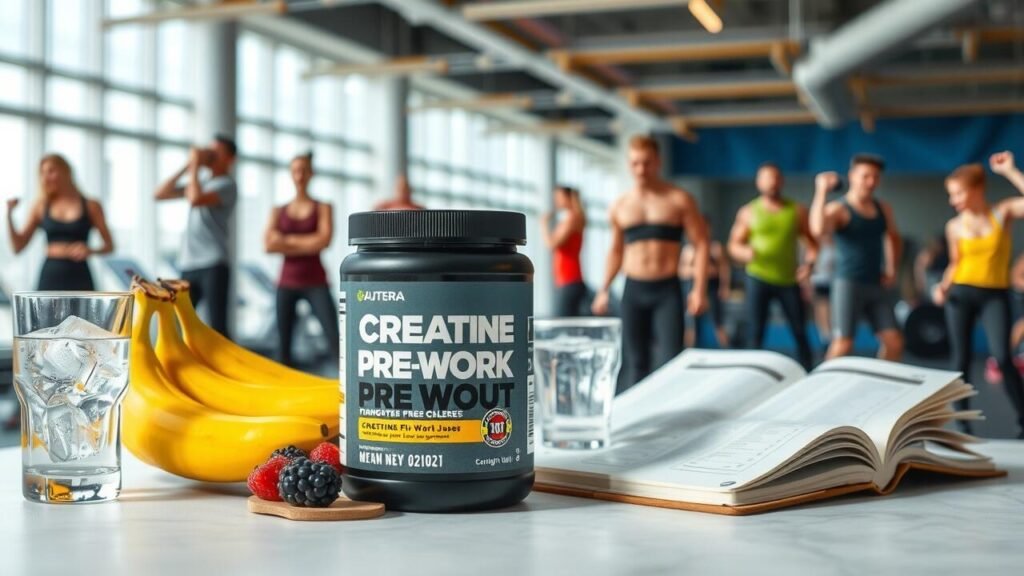
Timing Your Pre-Workout Shake
The timing of consuming a pre-workout shake plays a crucial role in optimizing performance. Ideally, it is best to consume the shake 30 to 60 minutes before starting your workout. This timeframe allows the body adequate time to digest the nutrients and convert them into usable energy. The specific timing may vary based on individual digestion rates, so some experimentation could help find the perfect window for each person.
For those engaging in intense or prolonged workouts, adjusting the timing can lead to improved energy levels and stamina. Consuming the shake too close to exercise may lead to discomfort or a heavy feeling during workouts. On the other hand, waiting too long can result in decreased energy availability when it matters most. Balancing timing with personal comfort is essential for maximizing the benefits of a pre-workout shake.
Best Practices for Maximum Effect
Choosing the right ingredients is crucial for creating an effective pre-workout shake. Incorporating a balance of carbohydrates and protein can help provide the energy needed for an intense workout. Carbs fuel immediate energy needs, while protein supports muscle recovery. Additionally, including healthy fats should be done in moderation. This ensures that the shake remains easily digestible and does not sit heavily in the stomach during exercise.
Timing is another critical factor. Consuming the shake about 30 to 60 minutes before exercising allows your body to digest and absorb the nutrients effectively. This timeframe can enhance performance by ensuring that energy levels peak during the workout. Staying mindful of personal tolerances and individual workout schedules is also essential, as everyone may react differently to various ingredients or timing.
Homemade vs. Store-Bought Pre-Workout Shakes
Choosing between homemade and store-bought pre-workout shakes often depends on individual preferences and dietary needs. Homemade shakes allow for complete control over ingredients, ensuring the inclusion of preferred protein sources or natural sweeteners. This flexibility can cater to specific dietary restrictions and taste preferences. Juice, fruits, yogurt, or protein powder can be combined to create a personalized blend that meets energy and nutrition requirements.
Store-bought options offer convenience and consistency, often formulated with specific performance-enhancing ingredients like beta-alanine or citrulline that may be more challenging to replicate at home. These products can save time and effort, appealing to those with busy lifestyles. However, they might contain additives or preservatives that some consumers prefer to avoid. Understanding the ingredients of each option is crucial for making an informed decision about which type aligns best with fitness goals and health considerations.
Pros and Cons of Each Option
Homemade pre-workout shakes offer several advantages. They allow you to control the ingredients, ensuring no additives or preservatives are included. You can customize the flavors and nutrient content to suit your personal preferences and dietary needs. Additionally, making your shakes from scratch often proves to be more economical in the long run.
On the other hand, store-bought shakes provide convenience and consistent formulation. They are quick and easy to grab when time is limited, appealing to those with busy lifestyles. However, these options may contain artificial flavors and sweeteners that some consumers prefer to avoid. The variety can also lead to confusion when selecting the best product, especially since the nutritional content may vary significantly between brands.
Common Mistakes to Avoid with Pre-Workout Shakes
Many individuals underestimate the importance of timing when consuming pre-workout shakes. Drinking a shake too close to exercise can lead to discomfort and sluggishness. It is essential to allow enough time for digestion. A good rule of thumb is to consume the shake about 30 minutes to an hour before starting the workout. This window enables the body to absorb the nutrients effectively without feeling weighed down during physical activity.
Another common mistake is relying solely on pre-workout shakes for energy and performance enhancement. While these shakes can provide a useful boost, it is important to maintain a balanced diet throughout the day. Overconsuming protein shakes in place of whole foods can lead to nutrient deficiencies. Additionally, consumers often misinterpret the ingredients listed on labels, overlooking how certain additives may not serve their fitness goals or may even contribute to unwanted side effects. Being well-informed about both shake content and overall dietary habits is crucial for optimal results.
Overconsumption and Ingredient Misunderstandings
Many individuals overlook the importance of moderation when it comes to pre-workout shakes. A common mistake is assuming that consuming more will enhance performance. While these shakes can provide beneficial nutrients, excessive amounts may lead to laxative effects or stomach discomfort. Finding the right balance is essential for optimizing energy levels without overloading the body.
Ingredient misunderstandings can also lead to unintended consequences. Some athletes may gravitate towards high-caffeine formulas, believing they will produce endless energy, but this can backfire. Understanding the role of each ingredient is crucial. For instance, some components can cause jitters or anxiety if consumed in excess, detracting from workout effectiveness. Prioritizing quality and quantity helps ensure pre-workout shakes contribute positively to overall performance.
FAQS
What should I look for in a pre-workout shake?
Look for a shake that includes a balance of carbohydrates and protein, along with ingredients like caffeine or beta-alanine to enhance energy and endurance.
How long before my workout should I consume a pre-workout shake?
It’s generally recommended to consume your pre-workout shake about 30 to 60 minutes before exercising to allow for optimal digestion and absorption of nutrients.
Are homemade pre-workout shakes better than store-bought ones?
Homemade shakes can offer more control over ingredients and tailored nutrition, but store-bought options may provide convenience and consistency in certain formulations.
Can I drink a pre-workout shake on rest days?
While it’s not necessary to consume a pre-workout shake on rest days, some individuals may still benefit from protein intake to support muscle recovery.
What common mistakes should I avoid when using pre-workout shakes?
Avoid overconsumption, as excessive calories can lead to weight gain, and be cautious about ingredient misunderstandings, such as assuming all ingredients are beneficial without understanding their effects.
Related Links
best pre workout smoothie
What are the best pre-workout smoothies?
Are smoothies good before a workout?