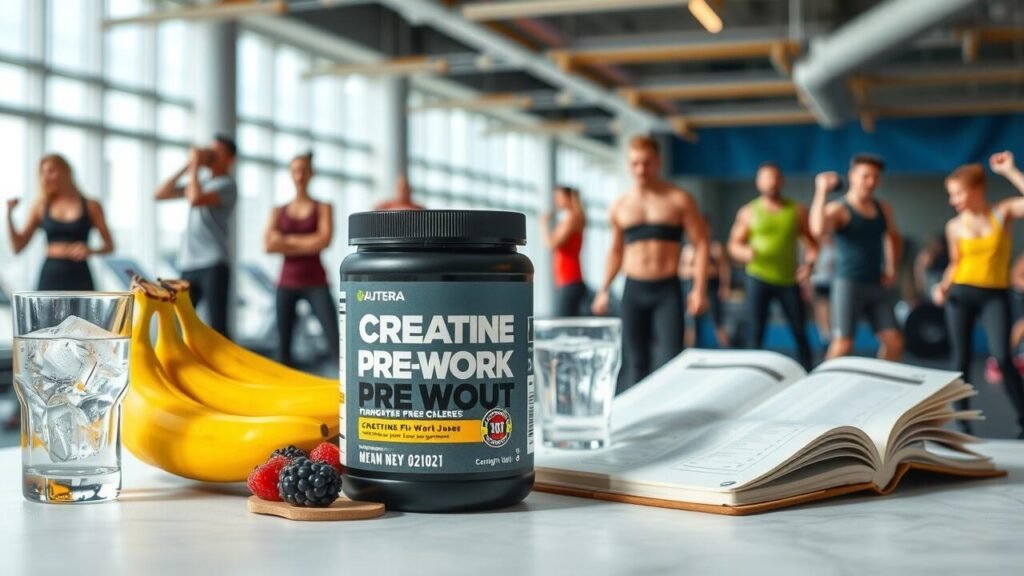
Protein Supplements
Protein supplements play a crucial role in supporting muscle growth and recovery for those engaging in regular physical activity. Among the most popular options are whey protein and various plant-based proteins, each providing unique benefits. Whey protein, derived from dairy, is known for its high biological value, meaning it offers a complete profile of essential amino acids. This makes it an ideal choice for post-workout recovery, promoting muscle repair and growth.
On the other hand, plant-based proteins, such as pea, rice, or hemp protein, cater to those who prefer or require alternatives to animal products. While often considered less complete than whey, combining different plant proteins can yield a robust amino acid profile. Choosing between the two types ultimately depends on dietary preferences, tolerances, and specific fitness goals. Each option can be effectively integrated into a workout regimen, ensuring that the body benefits from the necessary nutrients to support athletic performance.
Choosing the Right Protein for Your Goals
Selecting the appropriate protein source hinges on individual fitness objectives and dietary preferences. Whey protein is often favored for its rapid absorption and comprehensive amino acid profile, making it ideal for post-workout recovery. Those pursuing muscle gain or looking for a convenient protein fix may find whey particularly effective due to its ability to stimulate protein synthesis.
Conversely, plant-based proteins such as pea or rice protein offer a great alternative for vegetarians or those with lactose intolerance. These proteins can be beneficial for muscle maintenance and repair, although some may require combining different plant sources to ensure a complete amino acid intake. Ultimately, the choice should align with personal goals, dietary restrictions, and lifestyle habits to optimize both performance and overall health.
Creatine
Creatine is a popular supplement among athletes and fitness enthusiasts. It naturally occurs in muscle cells and provides energy during high-intensity exercises. Supplementing with creatine has been shown to enhance strength, increase lean muscle mass, and improve performance in short bursts of activity. Many studies support its efficacy, making it a widely recommended option for those looking to boost their workout results.
Timing and method of ingestion play a crucial role in maximizing the benefits of creatine. Consuming it post-workout can be particularly effective, as muscles are more receptive to nutrient uptake following exercise. Additionally, maintaining consistent daily intake, regardless of workout days, helps saturate muscle stores. This consistency is key to experiencing long-term gains from creatine supplementation.
When and How to Incorporate Creatine
Incorporating creatine into your routine can be straightforward. Many athletes choose to start with a loading phase, which typically involves taking 20 grams of creatine daily for about five to seven days, divided into smaller doses throughout the day. This approach saturates your muscle stores quickly, leading to faster performance benefits. After the loading phase, a maintenance dose of around 3 to 5 grams daily is often recommended to keep muscle creatine levels elevated.
Timing can also play a role in maximizing the efficacy of creatine. While some prefer to take it before workouts, others find post-workout consumption more advantageous. Taking creatine after exercise can coincide with nutrient absorption, especially when paired with a protein or carbohydrate source. This strategy helps improve recovery and muscle saturation, ensuring the best possible outcome from your supplement regimen.
Branched-Chain Amino Acids (BCAAs)
BCAAs consist of three essential amino acids: leucine, isoleucine, and valine. These amino acids play a crucial role in muscle growth and repair. They help stimulate protein synthesis and reduce muscle soreness, making them a popular choice for athletes and fitness enthusiasts. Additionally, BCAAs can provide energy during workouts, potentially enhancing performance by delaying fatigue and improving endurance.
Incorporating BCAAs into your pre- and post-workout routine can benefit recovery and support muscle maintenance, especially during intense training regimens. They can be consumed in powder or capsule form, allowing for convenience and ease of use. For optimal results, consider taking them before or after exercise to maximize their effectiveness. This strategy helps replenish amino acid levels in the body and aids in recovery, helping you bounce back quicker for your next workout session.
Enhancing Recovery with BCAAs
Branched-Chain Amino Acids are a group of three essential amino acids: leucine, isoleucine, and valine. They play a vital role in muscle recovery and can help reduce muscle soreness post-workout. Research has shown that BCAAs can decrease exercise-induced muscle damage, allowing athletes to bounce back faster between workouts. This can be particularly beneficial for those engaging in high-intensity training or endurance activities.
Incorporating BCAAs into your routine can be straightforward. Many choose to consume them during workouts or immediately after to maximize their recovery benefits. Supplements come in various forms, including powders and capsules, making them convenient to add to your regimen. Some athletes prefer the taste of flavored powders mixed with water, while others opt for unflavored versions that can be blended into shakes or smoothies without altering the flavor profile significantly.
FAQS
What is the best protein supplement to take before a workout?
The best protein supplement to take before a workout typically depends on your dietary preferences. Whey protein is quickly absorbed and is ideal for those looking for fast digestion, while plant-based proteins are great for those seeking a vegan option.
Should I take creatine before or after my workout?
Creatine can be taken both before and after workouts; however, many experts recommend taking it post-workout to maximize recovery benefits and muscle replenishment.
How do BCAAs help with recovery after exercising?
BCAAs (Branched-Chain Amino Acids) can help reduce muscle soreness and fatigue, promote muscle repair, and enhance recovery when taken after exercise.
Are there any side effects of taking protein supplements?
While protein supplements are generally safe for most people, some may experience digestive discomfort, such as bloating or gas, especially with whey protein. It’s best to start with a smaller dose to assess your tolerance.
Can I mix different types of protein supplements?
Yes, you can mix different types of protein supplements to achieve the desired amino acid profile and benefits. Many athletes combine whey and plant-based proteins to balance protein intake and support their fitness goals.
Related Links
best pre and post workout supplements
What supplements should I take with tirzepatide?
Review of the Top 5 Pre- and Post-Workout Supplements of 2023