Timing Your Meals for Maximum Impact
The timing of meals plays a vital role in achieving a pumped and defined physique. Eating strategically can enhance energy levels and optimize muscle recovery. Consuming the right nutrients before workouts can provide the necessary fuel, leading to improved performance and endurance. Following workouts, a well-timed meal or snack can aid in muscle repair and replenish glycogen stores, setting the stage for growth and definition.
It is essential to consider not just what to eat, but when to eat. This approach means scheduling meals and snacks around training sessions to ensure the body receives nutrients when they are needed most. A balanced intake of carbohydrates, proteins, and healthy fats at the right times can significantly impact muscle development and overall appearance. Planning ahead helps maintain energy levels while preventing excessive hunger that may lead to poor food choices later.
Pre- and Post-Workout Nutrition Strategies
Eating the right foods before and after a workout can significantly enhance performance and recovery. A pre-workout meal should ideally contain a blend of carbohydrates and protein. Carbohydrates provide the necessary energy for your workout, while protein aids in muscle preservation. Timing is crucial; aim for this meal 30 to 90 minutes prior to exercise to allow for digestion. Quick options include a banana with peanut butter or a small smoothie featuring fruits and protein powder.
Post-workout nutrition plays a vital role in muscle recovery and growth. Consuming a mix of protein and carbohydrates after training helps replenish glycogen stores and kick-starts muscle repair. The ideal timeframe for this meal is within 30 minutes to two hours post-exercise. Opt for options like grilled chicken with quinoa or a protein shake blended with fruits. Staying hydrated is equally important to restore fluid balance lost during workouts.
Supplements to Enhance Muscle Definition
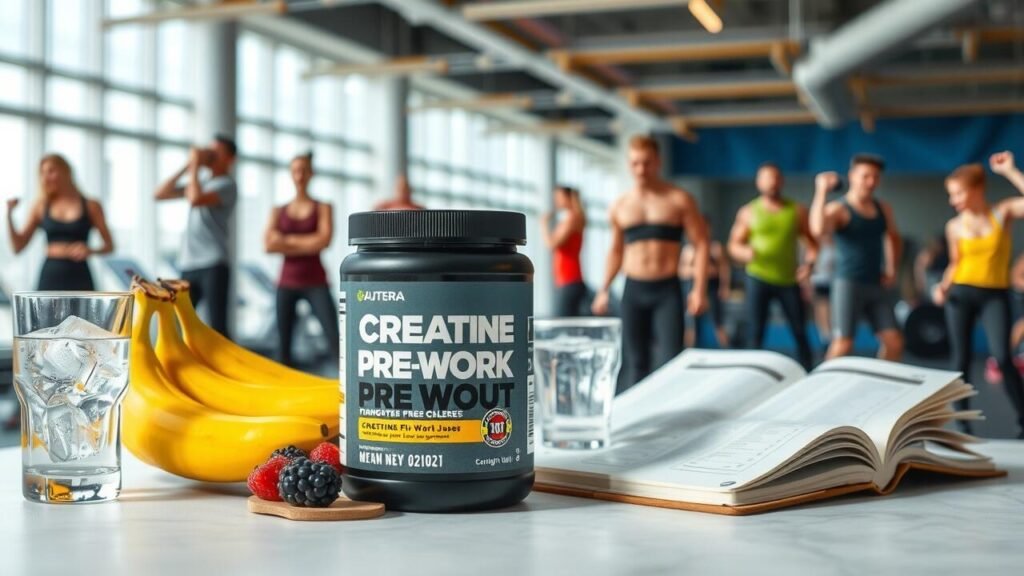
Many athletes and fitness enthusiasts turn to supplements to support their muscle definition goals. Among the most popular options are protein powders, creatine, and branched-chain amino acids (BCAAs). Protein powders provide the necessary building blocks for muscle repair and growth. Creatine enhances strength and endurance during high-intensity workouts. BCAAs can help reduce muscle soreness and promote quicker recovery after exercising.
In addition to traditional supplements, some individuals explore the benefits of nitric oxide boosters and fat burners. Nitric oxide boosters enhance blood flow to muscles, which can improve performance and recovery times. Fat burners may assist in reducing body fat, contributing to a more sculpted look. Each supplement has its own unique role, and it’s important to choose those that align with personal fitness goals and dietary needs.
Popular Options for Muscle Support
Protein powders are a popular choice for those looking to enhance muscle support. Whey protein, casein, and plant-based options like pea or hemp protein cater to different dietary preferences and digestive needs. These supplements provide a concentrated source of protein, which is crucial for muscle repair and growth. Consuming protein shakes post-workout can help in recovery and may promote a leaner physique if paired with a balanced diet.
Creatine is another widely used supplement, renowned for its ability to boost strength and high-intensity performance. Often found in powder form, creatine can help increase energy production in muscle cells. This can lead to improved workout outcomes and enhanced muscle definition over time. Regular supplementation, combined with a solid training regimen, can lead to visible results in muscle size and overall athletic performance.
Foods to Avoid for a Lean Look
Excessive sugar intake can lead to unwanted weight gain and hinder muscle definition. Foods like candy, sodas, and baked goods often contain high levels of added sugars that provide empty calories. These empty calories contribute little nutritional value and can cause fluctuations in energy levels, making it challenging to maintain a consistent workout routine.
Processed foods are another category best avoided for those aiming to achieve a lean physique. Many of these items contain unhealthy fats, sodium, and preservatives, which can undermine overall health. Fast food and packaged snacks often contribute to inflammation and water retention, both of which interfere with the goal of a toned and sculpted appearance. Prioritizing whole, nutrient-dense foods is crucial for supporting fitness objectives.
Common Dietary Pitfalls
Many individuals aiming for a pumped appearance often overlook certain dietary pitfalls that can derail their progress. One significant issue is the consumption of highly processed foods, which are typically high in sugar and unhealthy fats. These types of foods can lead to unwanted weight gain and impede muscle definition. Additionally, overlooking the importance of portion control can result in excess calorie intake. Even healthy foods can contribute to a caloric surplus if consumed in large amounts, which can hinder overall fitness goals.
Liquid calories are another common culprit in maintaining a lean physique. Sugary drinks and alcohol add calories without providing nutrients, leading to easy overconsumption. The lack of satiety from liquids means that individuals may not adjust their food intake accordingly, resulting in additional calorie intake. Moreover, neglecting adequate hydration can also impact performance and recovery. Staying well-hydrated is essential for optimizing muscle function and overall well-being. Being mindful of these pitfalls is crucial in the pursuit of a sculpted physique.
FAQS
What are the best foods to eat before a workout to maximize muscle pump?
Ideal pre-workout foods include complex carbohydrates like oatmeal or brown rice, lean proteins such as chicken or fish, and healthy fats from sources like nuts or avocados. These provide sustained energy and support muscle performance.
How soon should I eat before my workout for optimal results?
It’s generally recommended to eat a meal containing carbohydrates and protein about 2-3 hours before your workout. If you’re short on time, a light snack 30-60 minutes prior can also be beneficial.
What should I consume after a workout to aid muscle recovery?
Post-workout meals should focus on replenishing glycogen stores and promoting muscle repair. Aim for a combination of protein (like whey or a protein-rich meal) and carbohydrates (such as bananas or sweet potatoes) within 30-60 minutes after exercising.
Are there specific supplements that can help enhance muscle definition?
Yes, popular supplements for muscle support include whey protein, creatine, branched-chain amino acids (BCAAs), and beta-alanine. These can aid in muscle recovery, increase strength, and improve overall performance.
What types of foods should I avoid if I want to maintain a lean physique?
To achieve a lean look, it’s best to limit processed foods high in sugars and unhealthy fats, excessive carbohydrates, and alcohol. Focus on whole, nutrient-dense foods to support your fitness goals.
Related Links
best low caffeine pre workout
Can pre-workout cause tachycardia?
Top 5 Low Caffeine Pre-Workout Products Reviewed