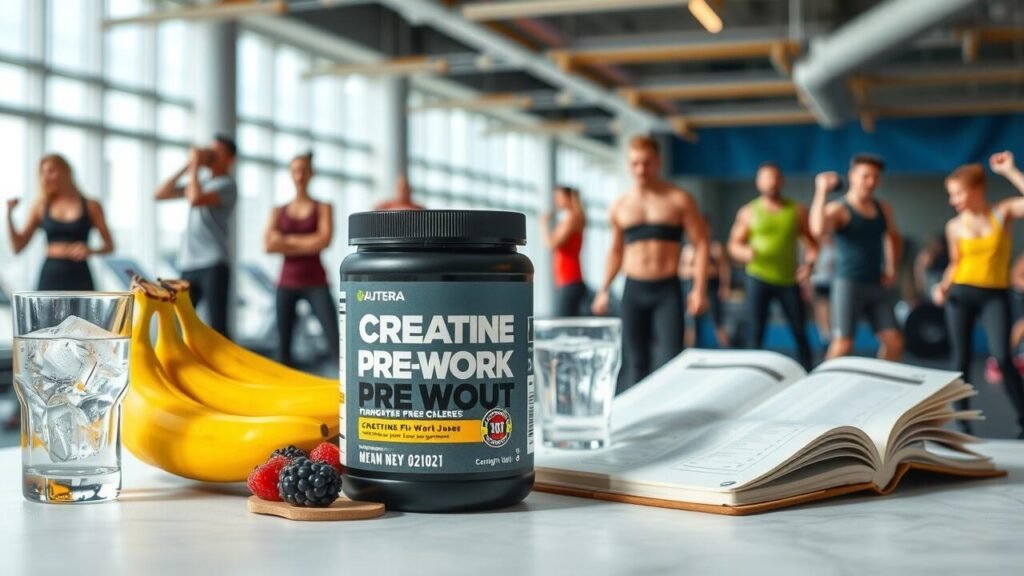
Risks and Side Effects of Pre-Workout Usage
Pre-workout supplements have gained immense popularity among bodybuilders and fitness enthusiasts. However, they are not without their potential risks and side effects. Many formulations contain high doses of stimulants, which can lead to increased heart rate and elevated blood pressure. Some users may experience jitters, anxiety, or sleep disturbances as a result of these stimulants. Additionally, overconsumption can lead to gastrointestinal distress, dehydration, or, in extreme cases, serious cardiovascular issues.
Another concern is the variability in ingredient transparency and quality among different brands. Some products may contain proprietary blends, making it difficult for consumers to know the exact amounts of each ingredient. This lack of information can result in accidental overdosing or allergic reactions. Furthermore, some pre-workout supplements may include substances banned in competitive sports, posing risks for athletes who need to adhere to strict regulations. Users must weigh these potential risks against the perceived benefits before incorporating such supplements into their routines.
What to Watch Out For
When considering pre-workout supplements, it’s essential to be aware of various factors that can impact individual health. Ingredients like excessive caffeine, which can elevate heart rate and cause jitters, may not be suitable for everyone. Some formulations also contain other stimulants or proprietary blends that lack transparency regarding ingredient amounts. It’s crucial to read labels thoroughly to avoid potential allergens or substances that could lead to adverse reactions.
Adverse effects don’t solely stem from stimulants. Many pre-workouts include artificial sweeteners, flavorings, or dyes that may cause gastrointestinal distress in sensitive individuals. While the intention is to enhance performance, some users report experiencing crashes in energy after the initial burst of activity. Keeping track of personal tolerance levels and monitoring how the body responds can help ensure a safer workout experience when using these products.
Natural Alternatives to Pre-Workout Supplements
Finding natural alternatives to pre-workout supplements can enhance performance without the potential drawbacks of artificial ingredients. Whole foods like bananas, oatmeal, and yogurt are great sources of carbohydrates and protein, providing the necessary fuel for workouts. Staying well-hydrated is also crucial. Water helps maintain energy and focus, ensuring optimal physical performance during exercise.
Herbal supplements are another option for those seeking natural boosters. Ingredients like beetroot powder and green tea extract can improve endurance and enhance blood flow. These alternatives not only support physical activity but also contribute to overall health. It’s important to evaluate individual responses as well, since what works for one person may not be as effective for another.
Can You Achieve Similar Results Without Them?
Many athletes and fitness enthusiasts wonder if they can reach the same levels of performance and energy without relying on pre-workout supplements. A well-structured diet consisting of whole foods can provide the necessary nutrients and energy to fuel workouts effectively. Foods rich in carbohydrates, proteins, and healthy fats can serve as excellent sources of sustained energy, while proper hydration aids in maintaining endurance throughout training sessions.
Incorporating natural alternatives, such as bananas or oatmeal, can provide a comparable energy boost to commercial pre-workout products. Regular exercise itself also enhances the body’s efficiency in utilizing nutrients for energy, leading to improved performance over time. Focused warm-ups and a consistent training routine can significantly increase stamina and strength, showing that with dedication and the right approach, satisfactory results can be achieved without supplements.
The Role of Caffeine in Pre-Workout Formulas
Caffeine is a common ingredient in many pre-workout formulas due to its stimulating properties. It functions as a central nervous system stimulant that can enhance alertness and reduce perceived effort during intense workouts. This effect can be beneficial for bodybuilders looking to push through challenging training sessions. Some studies suggest that caffeine may also improve endurance, making it a popular choice among athletes seeking a competitive edge.
In addition to its performance-enhancing benefits, caffeine can also help in fat metabolism. It can mobilize fatty acids from the fat tissues, allowing them to be used as fuel during exercise. This attribute is particularly appealing for individuals aiming for body composition improvements. However, the effects of caffeine can vary from person to person, depending on factors such as tolerance, sensitivity, and overall consumption levels.
How Caffeine Affects Athletic Performance
Caffeine is widely recognized for its ability to enhance physical performance, particularly in endurance sports and high-intensity training. It acts as a central nervous system stimulant, increasing alertness and reducing perceived effort during workouts. This means that athletes may be able to push themselves harder and longer while consuming caffeine, leading to improved total workout duration or intensity.
Beyond merely increasing energy levels, caffeine also influences various physiological factors. It promotes the release of adrenaline, which can enhance fat oxidation and improve muscle contractility. Some studies suggest that caffeine can help in delaying fatigue, allowing athletes to maintain their performance even when their muscles feel tired. These combined effects make caffeine a popular choice among those looking to maximize their workout efficiency and outcomes.
FAQS
Do most bodybuilders use pre-workout supplements?
Yes, many bodybuilders incorporate pre-workout supplements into their routine to enhance energy and performance during workouts.
What are the common ingredients found in pre-workout supplements?
Common ingredients include caffeine, beta-alanine, creatine, and branched-chain amino acids (BCAAs), which are intended to boost energy, endurance, and focus.
Are there any risks associated with taking pre-workout supplements?
Yes, potential risks include increased heart rate, anxiety, digestive issues, and insomnia, especially if taken in excess or by individuals sensitive to stimulants.
Can I achieve similar workout results without using pre-workout supplements?
Yes, with a proper diet, hydration, and adequate rest, you can achieve great workout results without relying on pre-workout supplements.
How does caffeine in pre-workout supplements affect performance?
Caffeine can improve athletic performance by increasing endurance, reducing perceived exertion, and enhancing focus and motivation during workouts.
Related Links
best pre workout for bodybuilding
Can I still build muscle while taking semaglutide?
What is the best pre-workout for bodybuilders?