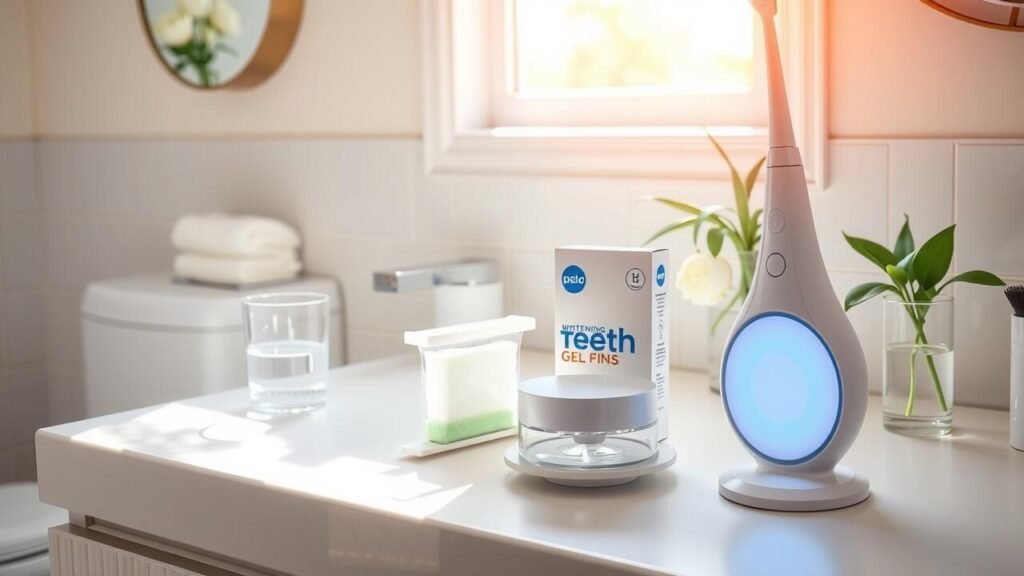
Maintaining Whiter Teeth After Treatment
After achieving whiter teeth, it is essential to adopt practices that help maintain this brighter smile. Regular oral hygiene plays a critical role. Brushing teeth at least twice a day with a fluoride toothpaste and flossing daily can prevent stains from accumulating. Additionally, professional cleanings every six months can assist in removing surface stains and ensuring overall dental health.
Diet also influences the longevity of teeth whitening results. Consuming stain-causing foods and beverages can quickly diminish the impact of whitening treatments. Coffee, red wine, and dark berries are examples of items that contribute to discoloration. Incorporating more crunchy fruits and vegetables can aid in maintaining cleaner teeth, while avoiding tobacco products is crucial for preserving the achieved brightness.
Best Practices for Oral Hygiene
Maintaining optimal oral hygiene is essential for achieving and preserving a bright smile. Brushing teeth twice a day with fluoride toothpaste helps to remove surface stains and prevent plaque buildup. Flossing daily is equally important as it eliminates food particles and debris from between the teeth. Regular dental check-ups play a crucial role in allowing professionals to provide cleanings and assess oral health, ensuring that any underlying issues are addressed promptly.
Incorporating mouthwash into a daily routine can also enhance overall cleanliness and provide additional protection against bacteria. Choosing a soft-bristled toothbrush minimizes enamel wear while effectively cleaning the teeth and gums. Individuals should be mindful of their brushing technique, using gentle, circular motions to avoid gum damage. Staying consistent with these practices not only contributes to whiter teeth but also fosters long-term dental health.
The Role of Diet in Tooth Color
Certain foods and beverages can have a significant impact on the color of teeth. Items rich in pigments, such as berries, red wine, and dark sauces, can lead to staining over time. Additionally, acidic foods and beverages, like citrus fruits and soda, can erode enamel and expose the yellowish dentin underneath. Maintaining a balance and being mindful of consumption can help prevent unintended discoloration.
On the other hand, some foods contribute positively to oral health and may help maintain whiter teeth. Crunchy fruits and vegetables, like apples and celery, not only help in cleaning teeth but also stimulate saliva production. Dairy products, rich in calcium and phosphates, can strengthen enamel and reduce the risk of discoloration. Incorporating these beneficial foods into the diet can support overall oral hygiene and appearance.
Foods and Beverages to Avoid
Certain foods and beverages can contribute significantly to the discoloration of teeth. Dark-colored beverages, such as coffee, tea, and red wine, are notorious for their staining properties. Acidic drinks like soda and fruit juices can erode enamel, making teeth more vulnerable to stains. Additionally, foods that are rich in pigments, such as berries or certain sauces, may leave lasting marks if consumed frequently.
Starchy foods, like white bread and pastries, can also lead to yellowing when they linger on teeth after consumption. These starchy particles can break down into sugars, promoting plaque buildup. Minimizing the intake of these items not only aids in the maintenance of a brighter smile but also supports overall dental health. Regularly rinsing the mouth with water after consuming such foods and beverages can help reduce the risk of discoloration.
Factors Influencing Whitening Results
The effectiveness of teeth whitening treatments varies significantly among individuals, primarily due to biological differences. Factors such as the initial shade of a person’s teeth play a pivotal role. Those with darker or more severely stained teeth may require more treatments for noticeable improvement. Additionally, the condition of enamel affects how well whitening agents are absorbed. Thinner enamel can lead to faster results, but greater sensitivity may also occur, influencing the decision on which treatments to pursue.
Lifestyle choices further contribute to the variability in whitening outcomes. Smoking and consumption of staining substances like coffee, tea, or red wine can diminish the longevity of whitening effects. Genetic predisposition to enamel thickness and oral health also plays a crucial role in determining effectiveness. Individual adherence to aftercare recommendations can either enhance or undermine treatment results. As a result, each person’s journey to whiter teeth is uniquely influenced by multiple factors.
Individual Variability in Effectiveness
The effectiveness of tooth-whitening treatments can vary significantly from person to person. Factors such as genetics, age, and the structure of an individual’s teeth influence the results. For example, enamel thickness and the natural color of dentin can impact how well whitening agents penetrate and lift stains. Those with thicker enamel may experience more noticeable results than those with thinner enamel.
Furthermore, the type and severity of discoloration play critical roles in determining treatment effectiveness. Extrinsic stains, often caused by foods and beverages, typically respond well to whitening treatments. In contrast, intrinsic stains, which are more difficult to treat and originate within the tooth structure, may require specialized procedures or techniques. As a result, individuals may find varying degrees of success with over-the-counter products compared to professional treatments.
FAQS
Can yellow teeth really be whitened?
Yes, yellow teeth can often be whitened through various methods, including professional treatments, over-the-counter whitening products, and natural remedies.
How long do whitening results typically last?
The longevity of whitening results can vary based on factors such as oral hygiene, diet, and the type of whitening method used, but results generally last from a few months to a couple of years.
Are there any side effects to teeth whitening?
Some individuals may experience temporary side effects, such as tooth sensitivity and gum irritation. It’s important to follow product instructions and consult with a dentist if side effects persist.
What foods and beverages should I avoid to maintain whiter teeth?
To maintain whiter teeth, it’s best to limit consumption of staining foods and beverages such as coffee, tea, red wine, dark sodas, and berries, as well as avoid smoking or chewing tobacco.
Does the effectiveness of whitening treatments vary from person to person?
Yes, individual variability can influence the effectiveness of whitening treatments due to factors such as the initial shade of teeth, the type of stains present, and personal oral hygiene habits.
Related Links
best teeth whitening products
Can yellow teeth become white again?
What is the most effective product to whiten teeth?