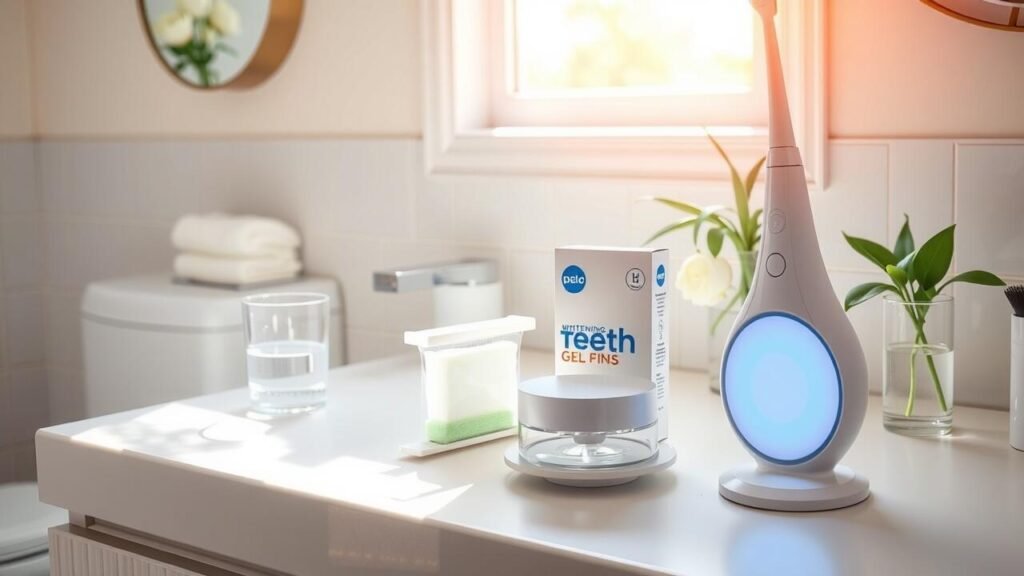
Role of Toothpaste in Whitening
Toothpaste plays a significant role in the whitening process by utilizing various ingredients that target stains and discoloration. Many formulations contain abrasives that aid in the removal of surface stains caused by food, drinks, and other substances. Additionally, some whitening toothpastes incorporate chemical agents like hydrogen peroxide or baking soda, which are known for their teeth-whitening properties. These components work together to enhance tooth brightness over time, making them an essential part of daily oral care routines.
While whitening toothpastes can effectively lighten the shade of teeth, their results may vary based on individual factors. Users may notice more significant improvements when combined with proper brushing techniques and regular dental hygiene. It is important to remember that whitening toothpastes primarily address surface stains rather than intrinsic discoloration. For deeper or more stubborn stains, additional dental treatments may be necessary to achieve desired results.
Complementary Products to Consider
When selecting a toothbrush designed for whitening, it is important to consider other products that can enhance overall results. Whitening toothpaste often contains ingredients that help remove surface stains and brighten enamel. Additionally, mouthwashes specifically formulated for whitening can provide an extra boost, ensuring that hard-to-reach areas receive the same benefits as those exposed during brushing.
Teeth whitening strips and gels can also serve as complementary solutions. These products often use stronger concentrations of whitening agents than toothpaste alone, leading to more substantial results over time. Incorporating such products into a dental care routine may improve the effectiveness of a whitening toothbrush, promoting a brighter smile with consistent use.
Importance of Regular Dental Checkups
Routine dental checkups play a crucial role in maintaining optimal oral health. Dentists not only clean teeth but also identify early signs of issues that may lead to discoloration or other dental problems. Regular visits allow for professional assessments of gum health and tooth enamel, both significant for achieving and maintaining whiteness.
Additionally, dental professionals can provide personalized advice tailored to individual needs. They can recommend the most effective whitening products based on a person’s dental condition and lifestyle. This guidance helps ensure that any whitening efforts are both safe and effective, reducing the risks associated with over-the-counter treatments.
Professional Advice for Maintaining Whiteness
Regular visits to a dental professional can significantly impact the effectiveness of any whitening regimen. Dentists can perform cleanings that remove plaque and tartar buildup, creating a polished surface for the teeth. These cleanings can enhance the results of at-home whitening methods. Additionally, dental professionals can provide personalized recommendations, ensuring that the chosen whitening products are safe and effective based on individual dental health.
Seeking guidance from a dentist on the duration and frequency of whitening treatments is vital. Overuse of whitening products can lead to sensitivity and damage to the enamel. A dentist can help establish an optimal schedule for maintaining whiteness without compromising oral health. It is also advisable to discuss any concerns regarding the whitening process to tailor an approach that fosters long-lasting results.
Home Remedies and Their Limitations
Home remedies for teeth whitening have gained popularity as accessible and cost-effective alternatives to commercial products. Many individuals turn to common ingredients like baking soda, hydrogen peroxide, or activated charcoal in hopes of achieving a brighter smile. These methods can produce some results, but their effectiveness often varies from person to person. Additionally, some natural remedies can be abrasive or may not provide the desired level of whitening, leading to a cycle of trial and error.
Despite the allure of natural solutions, there are significant limitations to consider. Frequent use of abrasive substances can lead to enamel wear, which may result in increased sensitivity or discoloration in the long run. Furthermore, the lack of regulation and clinical testing for many home remedies raises concerns about safety and efficacy. Those seeking a substantial and lasting improvement in whiteness might find that these options do not deliver the same results as professionally formulated products or treatments.
Natural Methods vs. Toothbrush Effectiveness
Natural methods for teeth whitening often involve ingredients like baking soda, activated charcoal, or hydrogen peroxide. While these substances can offer some degree of stain removal, their effectiveness typically hinges on regular use and proper application. For instance, baking soda is mildly abrasive, which helps eliminate surface stains, yet it should be used cautiously to avoid enamel erosion. The natural approach can be appealing, but results may vary significantly based on individual dental health and the extent of staining.
Toothbrush effectiveness plays a crucial role in oral hygiene and overall teeth whitening. Manual or electric brushes can enhance the cleaning process through their designed mechanisms, effectively reaching areas that home remedies might miss. Regular brushing with a whitening toothpaste can yield visible results over time, especially when combined with good technique. Many toothbrushes now come with features aimed at increasing plaque removal and improving stain reduction, making them a valuable tool in maintaining a brighter smile.
FAQS
What type of toothbrush is best for whitening teeth?
The best toothbrush for whitening teeth is typically one with soft bristles, as it effectively removes surface stains without damaging the enamel. Electric toothbrushes can also provide superior cleaning and more effective stain removal compared to manual brushes.
Can a toothbrush alone whiten my teeth?
While a toothbrush is essential for maintaining oral hygiene, it cannot whiten teeth on its own. Using a whitening toothpaste in conjunction with a good toothbrush will enhance the whitening effect, but additional products may be necessary for significant results.
How often should I replace my toothbrush for the best whitening results?
It is recommended to replace your toothbrush every three to four months or sooner if the bristles become frayed. A fresh toothbrush will ensure effective cleaning and stain removal, contributing to a whiter smile.
Are there specific brushing techniques that can improve tooth whitening?
Yes, using gentle, circular motions while brushing for at least two minutes can help effectively remove surface stains. Additionally, focusing on all areas of your mouth and avoiding aggressive scrubbing will protect enamel and enhance whitening results.
Do whitening toothpaste and toothbrushes really make a difference?
Yes, whitening toothpaste can help remove surface stains and prevent new ones from forming, while a quality toothbrush enhances the effectiveness of the toothpaste. Together, they can contribute to a noticeable improvement in the whiteness of your teeth.
Related Links
best electric toothbrush for whitening
Can electric toothbrushes make your teeth whiter?
What is the best toothbrush for autistic people?