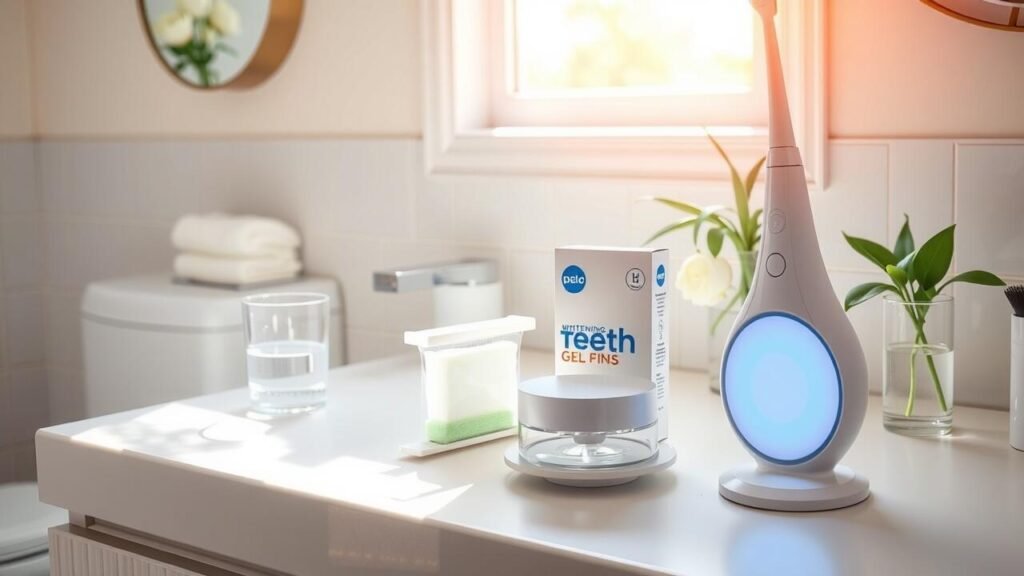
Application Methods for Crest Whitening
Crest offers a variety of whitening products designed for easy application at home. Users can choose from strips, gels, or toothpaste, depending on their individual preferences and needs. Crest Whitestrips, for instance, are thin, flexible pieces coated with a whitening gel. They adhere closely to teeth and are typically worn for a specified period each day.
The application process for Crest whitening gels often involves using a syringe to apply the product to custom or generic trays that fit over the teeth. This method allows for even distribution of the whitening agent. For toothpaste, daily use is recommended to maintain brightness over time. Using these products as directed can enhance effectiveness while minimizing any potential risks associated with overuse.
How to Use Crest Products
Using Crest products for teeth whitening is straightforward and designed for convenience. Users typically start by brushing their teeth to remove surface plaque and debris. Next, the whitening gel or strips are applied directly to the teeth as per the specific instructions for the chosen product. It is crucial to ensure even coverage for optimal results.
Many users find it helpful to set timers for the recommended application duration, which varies by product. After the treatment period, rinsing the mouth thoroughly is essential to remove any residual gel. Adhering closely to the instructions provided on the packaging enhances effectiveness and minimizes the risk of adverse reactions.
Side Effects and Sensitivity
When using any whitening product, individual experiences may vary significantly. Some users report mild to moderate sensitivity during or after using Crest whitening strips or toothpaste. This sensitivity can extend to discomfort in the gums or teeth, particularly if the product is used excessively or incorrectly. It is advisable to follow the recommended guidelines and consult a dental professional if sensitivity persists.
Opalescence products also pose a risk of sensitivity, especially for those with pre-existing dental conditions. While many users appreciate the effectiveness of these products, there remains a possibility of experiencing irritation or uneven results. Patients should consider their oral health history and preferences before deciding on a whitening method. Consulting with a dental care provider can help navigate potential side effects effectively.
Potential Issues with Opalescence
Users may experience varying levels of sensitivity when using Opalescence products. Some individuals report discomfort or heightened tooth sensitivity during and after treatment. This reaction can be more pronounced in those with pre-existing dental issues or weakened enamel, leading to an uncomfortable experience while attempting to achieve whiter teeth.
Another aspect to consider is the potential for uneven whitening results. Factors such as original tooth shade and the presence of dental restorations can affect how well the formula adheres to the teeth. In some cases, this may lead to noticeable differences in color between natural teeth and dental work, which can detract from the overall aesthetic result.
Side Effects and Sensitivity
With any whitening product, users may experience varying degrees of sensitivity. Crest whitening gels and strips often list tooth sensitivity as a common side effect. This may manifest as discomfort when consuming hot or cold foods and beverages. For some individuals, this discomfort can be temporary and subsides shortly after using the product, while others might find the sensitivity lingers longer.
Opalescence products, known for their higher concentrations of active ingredients, can also lead to similar issues. Users have reported heightened sensitivity, particularly after the initial application. Some have experienced gum irritation or discomfort if the product comes into prolonged contact with the gums. Both brands emphasize following instructions to minimize such side effects, yet user experiences can differ widely based on individual dental health and sensitivity levels.
Potential Issues with Crest
Some users of Crest whitening products may experience tooth sensitivity after application. This sensitivity can range from mild discomfort to sharper pain, especially when consuming hot or cold beverages. The chemical components, particularly hydrogen peroxide, can trigger this reaction in some individuals, leading to an uncomfortable whitening experience.
Gum irritation is another potential concern when using Crest products. If the whitening strips or toothpaste come into contact with the gums, it may cause redness and discomfort. This irritation may deter some users from completing their whitening regimen effectively. Proper application techniques can help minimize these risks, but they remain important considerations for consumers looking to achieve a brighter smile.
FAQS
What is Opalescence?
Opalescence is a professional-grade teeth whitening system that includes various formulations, including in-office treatments and at-home whitening kits, designed to help remove stains and brighten teeth effectively.
How do Crest whitening products work?
Crest whitening products, such as strips and toothpastes, contain active ingredients like hydrogen peroxide or carbamide peroxide that help break down stains on the teeth, resulting in a whiter appearance.
Are there any side effects associated with Opalescence?
Yes, some users may experience side effects like tooth sensitivity, gum irritation, or mild discomfort during or after the whitening process, particularly with higher concentration products.
Can Crest whitening products cause sensitivity?
Yes, users of Crest whitening products may also experience tooth sensitivity or gum irritation, especially if used excessively or without proper adherence to instructions.
Which whitening option is recommended for sensitive teeth?
If you have sensitive teeth, it is recommended to consult with your dentist for personalized advice. Both Opalescence and Crest offer options designed for sensitive teeth, but the best choice may vary depending on individual needs.
Related Links
best teeth whitening gel
What is the strongest teeth whitening gel?
How long after a gum graft can I whiten my teeth?